Trupeer Blog
Zusammenfassen
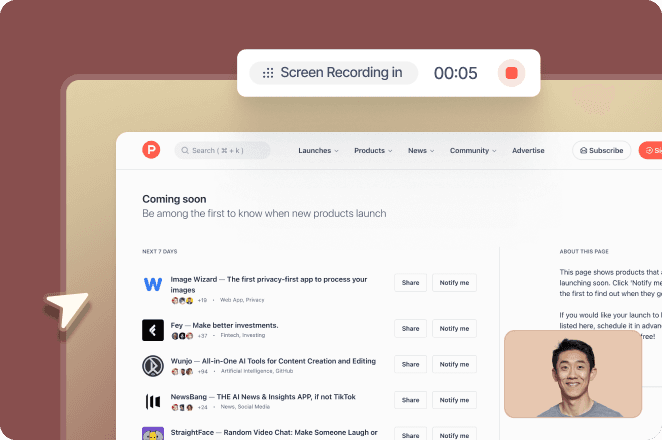
SaaS-Anbieter stehen oft vor der Herausforderung, ihren Unternehmenskunden ein konsistentes, markenkonformes Erlebnis zu bieten, insbesondere bei der Dokumentation. Eine White-Label-Wissensdatenbank bietet hierfür eine Lösung, da sie es Anbietern ermöglicht, maßgeschneiderte, gebrandete Inhalte ohne umfangreiche Entwicklungsressourcen bereitzustellen. Stellen Sie sich vor, Sie sind ein SaaS-Anbieter mit einer wachsenden Liste von Unternehmenskunden, von denen jeder eine zugeschnittene Dokumentation benötigt, die seine Marke widerspiegelt. Ohne eine White-Label-Lösung kann das Erstellen und Pflegen dieser Wissensdatenbanken überwältigend werden. Laut einer aktuellen Umfrage,
halten 85 % der SaaS-Anbieter die Pflege mehrerer kundenspezifischer Dokumentationsplattformen für eine erhebliche operative Belastung.
Dieser Leitfaden richtet sich an SaaS-Anbieter, die eine skalierbare Möglichkeit benötigen, ihren Kunden gebrandete Wissensdatenbanken anzubieten, und dafür keine jahrelange Entwicklung brauchen. Wenn Sie diese Schritte befolgen, lernen Sie, wie Sie eine White-Label-Wissensdatenbank einrichten, die nicht nur Ihr Produktangebot verbessert, sondern auch Ihre Kundenbeziehungen stärkt. Zur Inspiration können Sie sich einige der besten Wissensdatenbank-Beispiele ansehen, um zu sehen, wie andere diesen Ansatz erfolgreich umgesetzt haben.
Warum ist die Einrichtung einer White-Label-Wissensdatenbank wichtig?
Die Einrichtung einer White-Label-Wissensdatenbank ist entscheidend für SaaS-Anbieter, die die Kundenzufriedenheit steigern und ihre Support-Prozesse vereinfachen möchten. Kunden erwarten ein reibungsloses Erlebnis beim Zugriff auf Produktinformationen, und eine gebrandete Wissensdatenbank trägt dazu bei, indem sie konsistente, markenkonforme Dokumentation bereitstellt. Das stärkt nicht nur das Vertrauen der Kunden, sondern reduziert auch Supportanfragen, sodass sich Ihr Team auf wichtigere Aufgaben konzentrieren kann. Für SaaS-Anbieter wird eine White-Label-Wissensdatenbank zu einem integralen Bestandteil des Produktmarketing-Workflows und stellt sicher, dass alle Kundenkontaktpunkte mit der übergeordneten Markenstrategie übereinstimmen.
Die Bedeutung einer White-Label-Wissensdatenbank geht über das Branding hinaus. Sie spielt eine entscheidende Rolle bei Kundenbindung und Zufriedenheit. Wenn Kunden einfachen Zugriff auf gut strukturierte, personalisierte Dokumentation haben, lösen sie Probleme eher selbstständig, was zu schnellerer Problemlösung und höherer Zufriedenheit führt. Diese Eigenständigkeit trägt dazu bei, Vertrauen zwischen Anbieter und Kunde aufzubauen, langfristige Beziehungen zu stärken und die Abwanderung zu reduzieren. Außerdem kann eine White-Label-Wissensdatenbank ein wichtiger Differenzierungsfaktor in wettbewerbsintensiven Märkten sein, in denen Kunden oft vergleichen, wie verschiedene Anbieter mit Dokumentation und Support-Ressourcen umgehen.
Welche Vorteile bietet eine White-Label-Wissensdatenbank?
Eine White-Label-Wissensdatenbank bietet SaaS-Anbietern mehrere zentrale Vorteile und verbessert sowohl die Kundenzufriedenheit als auch die operative Effizienz.
Konsistentes Branding. Mit einer White-Label-Lösung spiegelt Ihre Wissensdatenbank das Branding Ihres Kunden wider, stärkt dessen Identität und sorgt für ein reibungsloses Nutzererlebnis.
Verbesserte Kundenbindung. Kunden, die personalisierte, gebrandete Dokumentation erhalten, bleiben eher loyal, da dies ein Engagement für ihre individuellen Bedürfnisse zeigt.
Geringere Support-Belastung. Eine gut strukturierte Wissensdatenbank ermöglicht es Kunden, Antworten selbstständig zu finden, wodurch die Anzahl der Support-Tickets sinkt und Ressourcen für andere Aufgaben frei werden.
Schnelleres Onboarding. Neue Kunden können sich mit einer maßgeschneiderten Wissensdatenbank schnell einarbeiten, wodurch Zeit und Ressourcen für praktisches Training und Support reduziert werden.
Skalierbarkeit. Wenn Ihre Kundenbasis wächst, ermöglicht Ihnen eine White-Label-Wissensdatenbank, Dokumentation über mehrere Kunden hinweg effizient zu verwalten und zu aktualisieren, ohne den Aufwand zu verdoppeln.
Verbesserte SEO-Sichtbarkeit. Eine gut optimierte, gebrandete Wissensdatenbank kann das Suchmaschinenranking verbessern, mehr organischen Traffic generieren und potenziellen Kunden helfen, Ihre Produkte über Knowledge Base One zu entdecken.
Teams setzen diesen Workflow mit Trupeers KI-Video-Plattform durchgängig um, die Rohaufnahmen ohne Editor in ein ausgereiftes Ergebnis verwandelt.
Welche Trupeer-Funktionen helfen Ihnen beim Einrichten einer White-Label-Wissensdatenbank?
Trupeer bietet eine Reihe von Funktionen, die das Einrichten und die Pflege einer White-Label-Wissensdatenbank vereinfachen und sicherstellen, dass Ihre Dokumentation sowohl umfassend als auch gebrandet ist.
Automatische SOP-Generierung
Die automatische SOP-Generierungsfunktion von Trupeer ermöglicht es Ihnen, detaillierte, gebrandete Standardarbeitsanweisungen direkt aus jeder Bildschirmaufnahme zu erstellen. Diese Funktion vereinfacht den Dokumentationsprozess und stellt sicher, dass die Wissensdatenbank jedes Kunden mit präzisen, aktuellen Inhalten gefüllt wird. Das bearbeitungsfreundliche Format bedeutet, dass Ihr Team notwendige Anpassungen vornehmen kann, bevor es in verschiedene Formate wie MP4, HTML, PDF oder SCORM exportiert. Durch die Nutzung der KI-Dokumentationsplattform minimieren Sie den manuellen Aufwand und maximieren die Konsistenz über alle Kundendokumentationen hinweg.
KI-durchsuchbare Wissensdatenbank
Die Funktion der KI-durchsuchbaren Wissensdatenbank bietet ein leistungsstarkes Werkzeug zum schnellen Indexieren und Abrufen von Informationen. Diese Funktion ermöglicht es Nutzern, den gesamten Inhalt Ihrer Aufzeichnungen mit zeitstempelgenauer Präzision zu durchsuchen, sodass Kunden leicht genau die Informationen finden, die sie benötigen. Dieses Maß an Zugänglichkeit reduziert die Zeit, die für die Suche nach Antworten aufgewendet wird, und verbessert das Nutzererlebnis. Die Implementierung einer Video-Wissensdatenbank stellt sicher, dass Kunden mühelos durch ihre Dokumentation navigieren können, was zu höherer Zufriedenheit und weniger Supportanfragen führt.
Brand-Kits und gebrandete Vorlagen
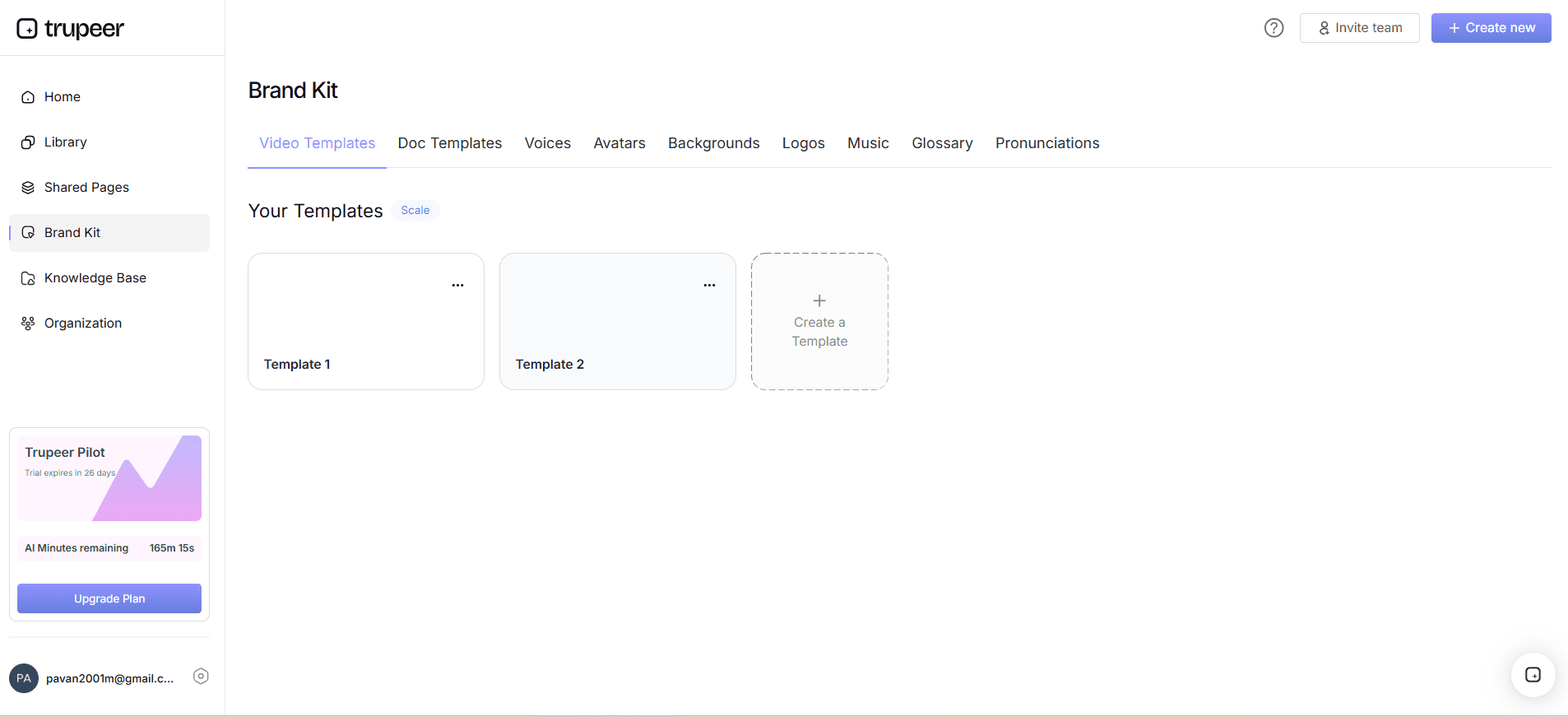
Trupeers Brand-Kits und gebrandete Vorlagen helfen dabei, einen konsistenten visuellen Stil über alle kundenorientierten Materialien hinweg beizubehalten. Diese Tools stellen sicher, dass jedes Inhaltselement, von Videos bis hin zu Dokumenten, mit den Brand-Guidelines Ihres Kunden übereinstimmt. Diese Konsistenz verbessert nicht nur das professionelle Erscheinungsbild Ihrer Wissensdatenbank, sondern stärkt auch die Markenidentität des Kunden. Durch die Nutzung dieser Vorlagen können Anbieter ein kohärentes und visuell ansprechendes Dokumentationserlebnis liefern, das den Erwartungen von Unternehmenskunden entspricht.
Hosting auf benutzerdefinierter Domain mit SSO
Das Anbieten von Hosting auf einer benutzerdefinierten Domain mit Single Sign-on (SSO) ermöglicht es Kunden, über eine personalisierte Domain auf ihre Wissensdatenbank zuzugreifen, was das Gefühl von Ownership und die Integration in ihre bestehenden Systeme stärkt. Diese Funktion vereinfacht den Anmeldeprozess und erhöht die Sicherheit, indem Nutzern der Zugriff auf mehrere Anwendungen mit nur einem Satz von Zugangsdaten ermöglicht wird. Indem Trupeer einen Wissensdatenbank-Generator mit diesen Funktionen bereitstellt, hilft es Ihnen, ein reibungsloses und sicheres Nutzererlebnis zu liefern, das entscheidend für den Aufbau von Kundenvertrauen und Zufriedenheit ist.
Analysen zur Viewer-Interaktion
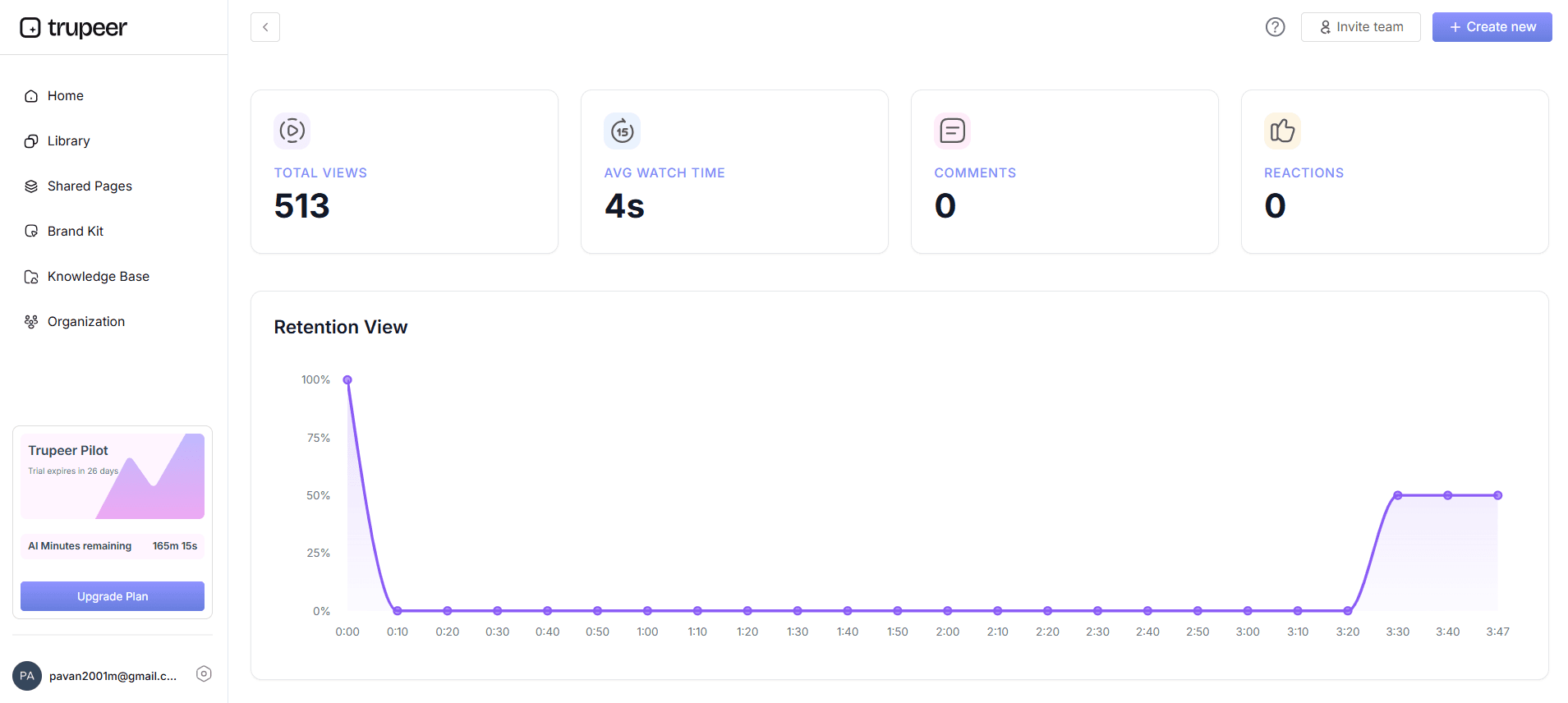
Zu verstehen, wie Kunden mit Ihrer Wissensdatenbank interagieren, ist für kontinuierliche Verbesserungen unerlässlich. Trupeers Analysen zur Viewer-Interaktion liefern Einblicke in das Nutzerverhalten, Abbruchpunkte und Interaktionsniveaus. Diese Daten ermöglichen es Ihnen, Ihre Content-Strategie zu verfeinern und sicherzustellen, dass Ihre Wissensdatenbank relevant und wirksam bleibt. Durch die Analyse dieser Kennzahlen können Anbieter Verbesserungsbereiche identifizieren, die Inhaltsbereitstellung optimieren und letztlich das Kundenerlebnis verbessern. Diese Analysen sind entscheidend, um im SaaS-Markt wettbewerbsfähig zu bleiben, da fundierte Entscheidungen die Kundenbindung und Zufriedenheit erheblich beeinflussen können.
Wie richten Sie mit Trupeer Schritt für Schritt eine White-Label-Wissensdatenbank ein?
Schritt 1: Hochwertige Bildschirmaufnahmen erfassen
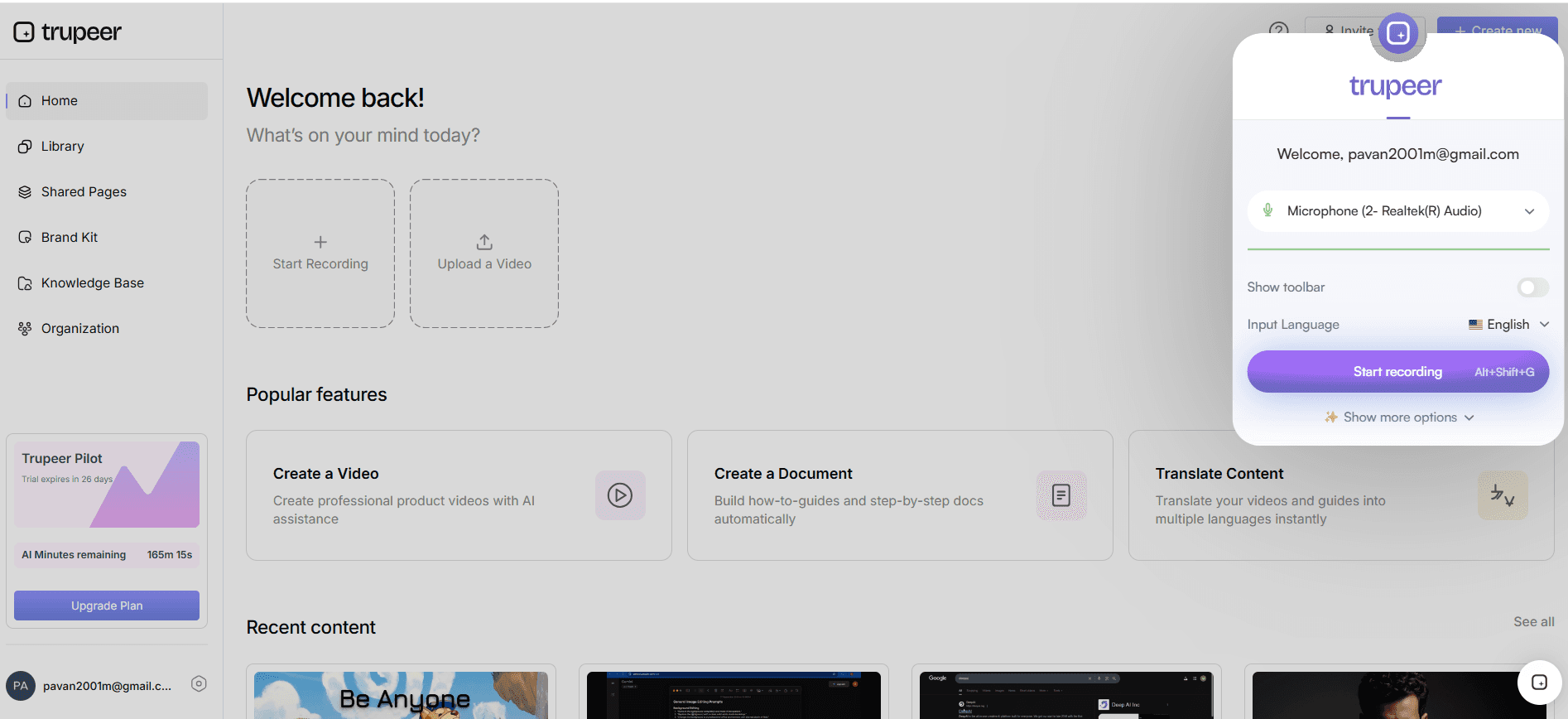
Beginnen Sie mit Trupeers KI-Bildschirmaufnahmefunktion, um hochwertiges Videomaterial aufzuzeichnen. Öffnen Sie den browserbasierten Recorder, der keine Installation erfordert, und wählen Sie die spezifische Anwendung oder das Browserfenster aus, das Sie aufzeichnen möchten. Trupeer erkennt Klicks und Zooms automatisch und stellt sicher, dass der Fokus auf wichtigen Aktionen bleibt. Während der Aufnahme bietet das System automatisch KI-Sprechertext, wodurch Ihre Videos von Anfang an ansprechender und informativer werden. Sobald die Aufnahme abgeschlossen ist, ist das Video sofort bereit zur Bearbeitung, was Zeit spart und schnelle Iterationen ermöglicht. Dieser Schritt ist entscheidend, um Inhalte zu erstellen, die sowohl professionell als auch leicht nachvollziehbar sind.
Schritt 2: Videos bearbeiten und verbessern
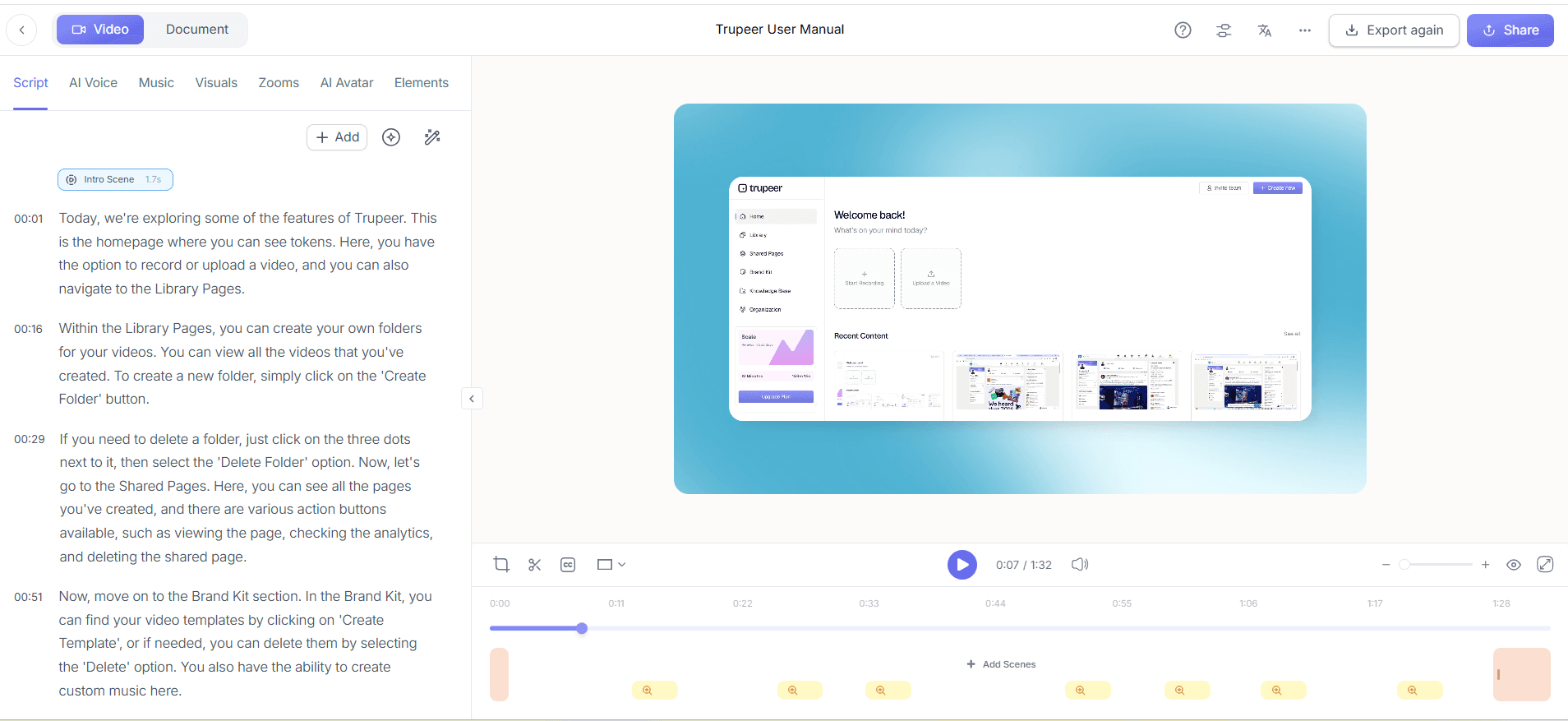
Verbessern Sie nach der Aufnahme Ihre Videos mit Trupeers erweiterten Bearbeitungsfunktionen. Entfernen Sie automatisch Füllwörter wie „ähm“ und „ah“, um ein poliertes Video zu erstellen. Sie können auch Tempo und Ton der KI-generierten Sprachspur anpassen oder sogar Ihre Stimme für eine persönliche Note klonen. Trupeer bietet KI-Avatare und Talking-Head-Videos, die durch HeyGen-Integration angepasst werden können und Ihrem Wissensdatenbank-Inhalt eine menschliche Komponente verleihen. Die Bearbeitungsphase ist intuitiv und schnell, sodass Sie in nur wenigen Minuten ein finales Video erstellen können, das den Markenstandards Ihres Kunden entspricht.
Schritt 3: Dokumentation generieren
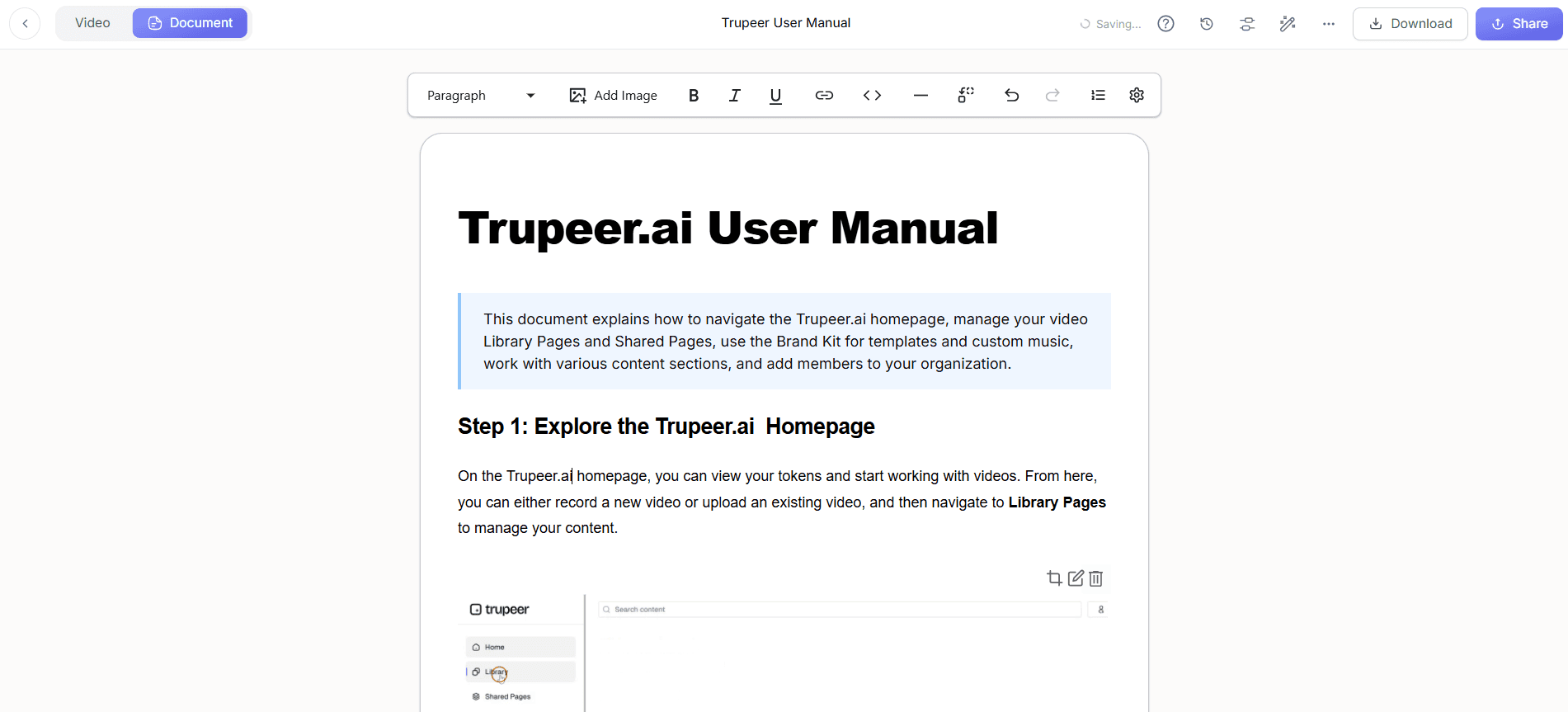
Nutzen Sie Trupeers automatische SOP-Generierung, um aus Ihren Aufnahmen detaillierte Dokumentation zu erstellen. Sobald Sie die Bearbeitung abgeschlossen haben, generiert die Plattform eine bearbeitungsfähige Standardarbeitsanweisung, die Sie in mehrere Formate wie HTML oder PDF exportieren können. Diese Funktion stellt sicher, dass Ihre Dokumentation umfassend und leicht in jede Wissensdatenbank integrierbar ist. Die SOPs sind mit den ursprünglichen Videoaufnahmen verknüpft, was bedeutet, dass sich alle Aktualisierungen im Video automatisch in der Dokumentation widerspiegeln. Diese Funktion ist unerlässlich, um aktuelle Inhalte mit minimalem manuellem Aufwand zu erhalten.
Schritt 4: Inhalte für globale Reichweite lokalisieren
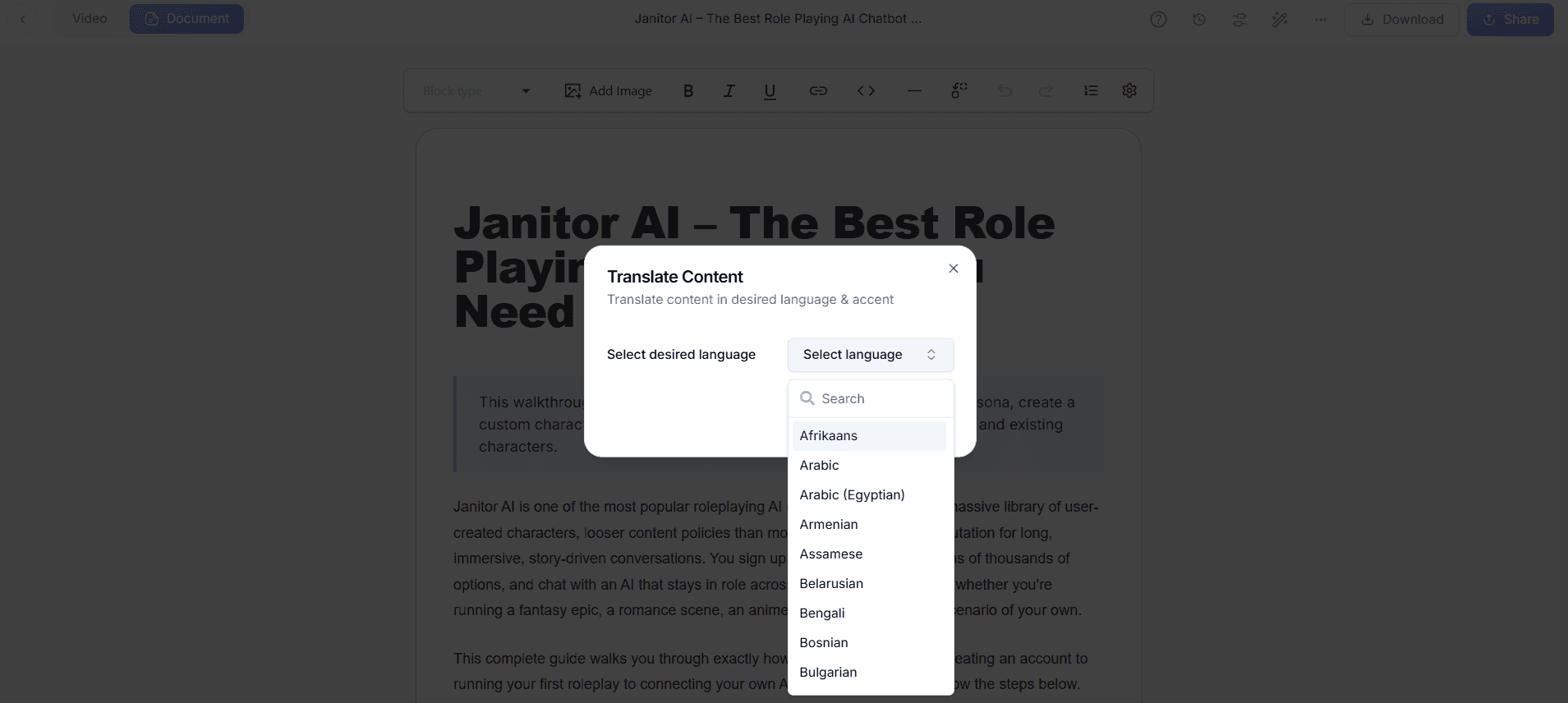
Nutzen Sie Trupeers Lokalisierungsfunktionen, um Ihre Dokumentation in über 40 Sprachen zu übersetzen, inklusive KI-Dubbing und Lip-Sync. Dieser Schritt ist entscheidend für SaaS-Anbieter mit internationaler Kundenbasis, die ihre Wissensdatenbank in mehreren Sprachen zugänglich machen müssen. Wählen Sie einfach die gewünschten Sprachen aus, und Trupeer übernimmt den Übersetzungs- und Synchronisationsprozess. Die Plattform stellt sicher, dass die Übersetzungen den ursprünglichen Kontext und Ton beibehalten und nicht englischsprachigen Nutzern ein reibungsloses Erlebnis bieten. Diese globale Reichweite kann die Nutzerzufriedenheit und das Engagement erheblich verbessern.
Schritt 5: Auf einer benutzerdefinierten Domain hosten
Richten Sie Ihre Wissensdatenbank auf einer benutzerdefinierten Domain mit Trupeers Hosting-Funktionen und Single Sign-on (SSO) ein. Navigieren Sie zu den Hosting-Einstellungen und geben Sie die Domain-Daten Ihres Kunden ein. Die SSO-Integration vereinfacht den Nutzerzugang, sodass sie bestehende Zugangsdaten zum Anmelden verwenden können, was Sicherheit und Nutzererlebnis verbessert. Dieser Schritt bietet Ihren Kunden nicht nur ein gebrandetes Erlebnis, sondern integriert die Wissensdatenbank auch in ihr bestehendes digitales Ökosystem. Das Hosting auf einer benutzerdefinierten Domain ist ein Schlüsselelement für ein reibungsloses und professionelles Nutzererlebnis.
Schritt 6: Mit Analysen überwachen und optimieren
Nach der Bereitstellung Ihrer Wissensdatenbank ist es entscheidend, die Leistung mit Trupeers Analysen zur Viewer-Interaktion zu überwachen. Dieses Tool liefert Einblicke, wie Kunden mit den Inhalten interagieren, und zeigt Abbruchpunkte sowie Abschnitte mit hoher Interaktion auf. Überprüfen Sie diese Analysen regelmäßig, um Verbesserungsmöglichkeiten zu identifizieren. Passen Sie Ihre Content-Strategie auf Basis dieser Daten an, um die Wirksamkeit zu steigern. Regelmäßiges Monitoring stellt sicher, dass Ihre Wissensdatenbank weiterhin den Kundenanforderungen entspricht und sich mit dem Nutzerfeedback weiterentwickelt, wodurch ihre Relevanz und ihr Nutzen langfristig erhalten bleiben. Teams, die Tools vergleichen, beginnen oft mit einem Vergleich von Loom-Alternativen, bevor sie sich auf einen Workflow festlegen.
Welche Tipps helfen Ihnen, eine White-Label-Wissensdatenbank effektiv einzurichten?
Die Einrichtung einer White-Label-Wissensdatenbank erfordert strategische Planung und Umsetzung. Die folgenden Tipps können Ihnen helfen, Ihren Einrichtungsprozess zu optimieren und sicherzustellen, dass Ihre Dokumentation sowohl effektiv als auch auf die Erwartungen der Kunden abgestimmt ist.
Kundenbedürfnisse verstehen. Führen Sie für jeden Kunden eine gründliche Bedarfsanalyse durch, um die Wissensdatenbank an dessen spezifische Anforderungen anzupassen. Dies gewährleistet Relevanz und Nutzen.
Prozesse standardisieren. Entwickeln Sie einen standardisierten Prozess für die Erstellung und Aktualisierung von Inhalten. Dieser Ansatz reduziert Fehler und sorgt für Konsistenz über verschiedene Kundendatenbanken hinweg.
Effektive Tools verwenden. Wählen Sie Tools, die sich gut in Ihre bestehenden Systeme integrieren lassen. Trupeers internes Wiki-Software-Tool für Wissensdatenbanken ist für eine reibungslose Integration ausgelegt.
Inhalte aktuell halten. Überprüfen und aktualisieren Sie Inhalte regelmäßig, um die Genauigkeit sicherzustellen. Veraltete Informationen können Vertrauen mindern und die Wirksamkeit Ihrer Wissensdatenbank verringern.
Einfachen Zugriff ermöglichen. Stellen Sie sicher, dass die Wissensdatenbank mit intuitiver Navigation leicht zugänglich ist. Das verbessert das Nutzererlebnis und fördert die regelmäßige Nutzung.
Feedback fördern. Holen Sie Rückmeldungen von Nutzern ein, um die Wissensdatenbank kontinuierlich zu verbessern. Kundeninsights sind von unschätzbarem Wert für die Optimierung von Inhalten und Funktionen.
Wettbewerber analysieren. Bleiben Sie über die Angebote der Konkurrenz informiert, indem Sie Ressourcen wie einen Vergleich von Scribe-Alternativen nutzen, um sicherzustellen, dass Ihre Wissensdatenbank wettbewerbsfähig bleibt.
Häufig gestellte Fragen
Wie können SaaS-Anbieter von einer White-Label-Wissensdatenbank profitieren?
Eine White-Label-Wissensdatenbank ermöglicht es SaaS-Anbietern, ihren Kunden maßgeschneiderte, gebrandete Dokumentation anzubieten. Dies steigert die Kundenzufriedenheit durch ein stimmiges Markenerlebnis und reduziert Supportanfragen, da Kunden Lösungen selbstständig finden können. Das Ergebnis sind eine bessere Kundenbindung und geringere Betriebskosten, da Kunden eher einen Dienst weiter nutzen, der ihr internes Branding unterstützt und effiziente Self-Service-Optionen bietet.
Wie lässt sich Konsistenz über mehrere Kundendatenbanken hinweg am besten sicherstellen?
Um Konsistenz sicherzustellen, verwenden Sie standardisierte Vorlagen und Prozesse für die Erstellung und Aktualisierung von Inhalten. Trupeers Brand-Kits und gebrandete Vorlagen helfen dabei, sicherzustellen, dass die gesamte Dokumentation bestimmten Brand-Guidelines entspricht. Regelmäßige Audits und Aktualisierungen sowie Kundenfeedback sind entscheidend für die Aufrechterhaltung von Genauigkeit und Konsistenz. Dieser Ansatz stellt sicher, dass jede Wissensdatenbank mit den Erwartungen und dem Branding des Kunden übereinstimmt.
Warum ist Lokalisierung für eine Wissensdatenbank wichtig?
Lokalisierung ist entscheidend, um eine internationale Kundenbasis effektiv zu bedienen. Sie umfasst die Übersetzung und Anpassung von Inhalten an die sprachlichen und kulturellen Bedürfnisse verschiedener Regionen. Trupeers KI-Übersetzungsfunktionen ermöglichen es Ihnen, Inhalte in über 40 Sprachen mit präziser Synchronisation anzubieten. Dadurch erweitern Sie Ihre Reichweite und stellen sicher, dass Kunden in verschiedenen Regionen Zugriff auf dieselben hochwertigen Informationen haben, was das globale Nutzerengagement und die Zufriedenheit erhöht.
Kann ich Drittanbieter-Tools in eine White-Label-Wissensdatenbank integrieren?
Ja, viele White-Label-Wissensdatenbanken, einschließlich der von Trupeer unterstützten, erlauben die Integration mit Drittanbieter-Tools. Dazu gehören Analyseplattformen, CRM-Systeme und mehr. Integrationen erweitern die Funktionalität und sorgen für ein reibungsloseres Nutzererlebnis. Außerdem ermöglichen sie die Erfassung umfangreicherer Daten, die genutzt werden können, um die Wissensdatenbank weiter zu optimieren und den Kundensupport zu verbessern.
Unterstützt Trupeer KI-Videoübersetzung für Wissensdatenbanken?
Ja, Trupeer unterstützt KI-Videoübersetzung und ist damit eine ideale Lösung für Wissensdatenbanken mit mehrsprachigem Support. Mit KI-Videoübersetzung können Sie Videoinhalte effizient lokalisieren und sicherstellen, dass sie für ein globales Publikum zugänglich sind. Diese Funktion umfasst Lip-Sync, wodurch die Videoqualität und das Zuschauerengagement über verschiedene Sprachen hinweg erhalten bleiben und ein reibungsloses Nutzererlebnis geboten wird.
Verwandte Blogbeiträge