IT Knowledge Management Platform

IT Knowledge Management Platform

IT Knowledge Management Platform

Centralise your IT knowledge and resolve issues faster with AI-powered documentation.

Centralise your IT knowledge and resolve issues faster with AI-powered documentation.

Centralise your IT knowledge and resolve issues faster with AI-powered documentation.

Centralize IT Knowledge

免费开始

无需信用卡

无需信用卡

IT Knowledge Management Platform TL;DR

IT Knowledge Management Platform TL;DR

IT Knowledge Management Platform simplifies how teams create, manage, and share documentation. Here are the key takeaways:

  • Centralise all IT knowledge in a single searchable platform

  • Automatically capture and organise troubleshooting guides and SOPs

  • Enable instant knowledge retrieval with AI-powered search

  • Reduce ticket resolution times by up to 60% with contextual documentation

  • Maintain version-controlled IT runbooks and configuration records

What Is IT Knowledge Management Platform?

An IT Knowledge Management Platform is a centralised system designed to capture, organise, and distribute technical knowledge across IT teams. It transforms scattered tribal knowledge into structured, searchable documentation that accelerates incident response, streamlines onboarding, and ensures operational continuity. Learn more about how screen recording enhances documentation at Trupeer Screen Recorder.

How Does IT Knowledge Management Platform Work?

Getting started is simple and takes just a few minutes:


Step 1: Capture IT Knowledge

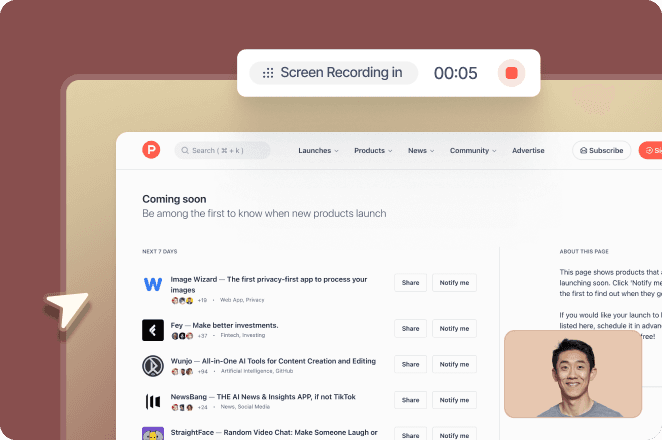
Record your screen while performing IT tasks, resolving tickets, or configuring systems. The platform automatically generates step-by-step documentation from your workflow, capturing every click, command, and configuration change.


Step 2: Organise and Categorise

Use AI-powered tagging and categorisation to organise knowledge into logical structures such as troubleshooting guides, configuration manuals, security protocols, and infrastructure runbooks. Create searchable taxonomies that mirror your IT environment.


Step 3: Share and Maintain

Distribute knowledge through integrated portals, chatbots, and ticketing system integrations. Set review cycles to keep documentation current and track usage analytics to identify knowledge gaps across your IT organisation.


Key Features of IT Knowledge Management Platform

  • AI-Powered Knowledge Capture: Automatically generate IT documentation from screen recordings, terminal sessions, and workflow captures. The platform uses intelligent recognition to identify key steps, commands, and configurations, transforming live troubleshooting sessions into structured knowledge articles without manual writing. This eliminates the documentation backlog that plagues most IT departments.

  • Intelligent Search and Retrieval: Find answers instantly with semantic search that understands IT context. Search across runbooks, configuration guides, and incident reports using natural language queries. The AI engine surfaces the most relevant articles based on symptoms, error codes, and system components, dramatically reducing mean time to resolution.

  • Incident Knowledge Linking: Automatically associate documentation with incident tickets, change requests, and problem records. When a similar issue arises, the platform proactively suggests relevant knowledge articles, enabling faster diagnosis and resolution while building an ever-growing institutional memory.

  • Knowledge Health Analytics: Monitor documentation freshness, usage patterns, and coverage gaps with built-in analytics dashboards. Identify stale articles, track which knowledge base sections receive the most traffic, and measure the impact of documentation on ticket resolution metrics and team productivity.

Why Choose IT Knowledge Management Platform?

  • Purpose-Built for IT: Unlike generic documentation tools, this platform is specifically designed for IT workflows, terminology, and integration requirements

  • Reduced Resolution Times: Teams report up to 60% faster ticket resolution with contextual knowledge at their fingertips

  • Seamless ITSM Integration: Native integrations with leading IT service management platforms eliminate context switching

  • Scalable Knowledge Architecture: Grows with your IT organisation from a small helpdesk to enterprise-scale operations

IT Knowledge Management Platform for Internal Teams

  1. Centralize troubleshooting knowledge so every team member can resolve common IT issues independently. Instead of relying on tribal knowledge or interrupting senior administrators, searchable guides empower teams to diagnose and fix recurring problems without escalating tickets unnecessarily.

  2. Standardize system administration procedures across the organization. From server provisioning to patch management and access control, documented SOPs ensure every task is executed consistently, reducing configuration drift and operational risk.

  3. Reduce repetitive internal support tickets with structured, searchable FAQs. When employees can quickly find answers to common IT questions, your IT team spends less time on routine requests and more time on strategic initiatives.

  4. Maintain living infrastructure documentation that reflects your current environment. Up-to-date network diagrams, system inventories, and configuration guides ensure the entire IT department operates from a shared, accurate understanding of your infrastructure.

IT Knowledge Management Platform for SaaS Teams

  1. Document API configurations and integration setup procedures with clarity and precision. Customer-facing technical teams rely on structured documentation to guide users through authentication, webhooks, and third-party integrations without confusion.

  2. Build customer self-service knowledge bases that reduce technical support dependency. Clear, searchable documentation allows customers to resolve common issues independently, improving satisfaction while lowering support costs.

  3. Capture DevOps workflows in internal wikis that scale with product complexity. CI/CD pipelines, deployment processes, and rollback procedures are documented clearly so engineering teams can operate efficiently and consistently.

  4. Track technical requirements across product releases in a centralized repository. As features evolve, maintaining documentation for configuration requirements, system dependencies, and architectural updates prevents misalignment between product and engineering teams.

IT Knowledge Management Platform for Startups

  1. Rapidly document infrastructure decisions as your technology stack evolves. Startups iterate quickly, and capturing architectural choices, vendor selections, and configuration standards early prevents confusion later.

  2. Accelerate onboarding for new IT hires with structured documentation. Clearly documented systems, tools, and processes help new team members become productive within their first week instead of relying solely on shadowing.

  3. Build lightweight runbooks for critical systems before scale introduces complexity. Documenting monitoring procedures, backup processes, and incident response workflows early creates operational resilience as the company grows.

  4. Prevent knowledge silos by establishing documentation practices from day one. When institutional knowledge is captured systematically, startups avoid the risk of losing critical information during rapid team expansion.

IT Knowledge Management Platform for Enterprises

  1. Manage large-scale knowledge libraries across multiple IT domains and regions. Enterprise-grade knowledge management supports thousands of articles covering networking, security, infrastructure, and application management with structured organization and governance.

  2. Enforce documentation standards through approval workflows and publishing controls. Role-based reviews ensure accuracy, compliance, and consistency before documentation becomes accessible organization-wide.

  3. Integrate knowledge management with enterprise ITSM platforms for unified service delivery. Connecting documentation directly to ticketing and service workflows streamlines support operations and improves resolution times.

  4. Maintain audit-ready documentation trails for compliance and regulatory requirements. Version history, access logs, and documented change records provide the transparency and traceability required in regulated environments.

IT Knowledge Management Platform for Remote Teams

  1. Provide distributed IT teams with equal access to troubleshooting expertise. Centralized, cloud-accessible documentation ensures every team member can resolve issues regardless of location or time zone.

  2. Enable asynchronous problem-solving with structured documentation. When answers are documented clearly, remote teams rely less on real-time messaging and more on self-service knowledge retrieval.

  3. Enhance complex procedure documentation with visual and video walkthroughs. Demonstrating server configurations, deployment steps, or security setups visually reduces ambiguity across distributed teams.

  4. Maintain a single source of truth for IT policies accessible from anywhere. Remote environments demand clarity, and centralized documentation prevents version confusion across regions.

IT Knowledge Management Platform for Developers

  1. Document deployment workflows, environment configurations, and debugging procedures in a structured format. Developers can reference step-by-step instructions that reflect the current toolchain and system architecture.

  2. Create API and integration documentation with embedded code samples and terminal recordings. Combining explanatory text with executable examples ensures clarity and reduces integration errors.

  3. Capture architectural decisions and technical debt discussions in internal developer wikis. Documenting why decisions were made provides long-term context that supports maintainability and future refactoring efforts.

  4. Share reusable scripts, automation recipes, and configuration templates with contextual guidance. Centralized documentation ensures that automation assets are not only shared but also properly understood and safely implemented.

IT Knowledge Management Platform for Onboarding & Support Teams

  1. Structure onboarding paths that guide new IT team members through tools, processes, and escalation protocols. Clear documentation reduces ramp-up time and ensures procedural consistency.

  2. Build tiered support knowledge bases that guide agents from basic troubleshooting to advanced diagnosis. Structured escalation documentation ensures agents follow the correct resolution path before escalating complex cases.

  3. Document escalation workflows with clear decision trees and contact information. When support teams understand exactly when and how to escalate issues, resolution times improve and accountability increases.

  4. Maintain customer-facing knowledge portals that deflect common support tickets. Well-structured documentation reduces inbound requests while improving customer satisfaction through faster self-service resolution.

Platform Features

Platform Features

Centralize IT Knowledge

免费开始

AI Capture

Automatically generate IT documentation from screen recordings and workflows.

Smart Search

Find answers instantly with semantic search across all IT knowledge articles.

ITSM Integration

Connect with ServiceNow, Jira, and Zendesk for seamless knowledge delivery.

How It Works

How It Works

Centralize IT Knowledge

免费开始

步骤 1

Record your screen

第二步

Organise knowledge into searchable categories with AI-powered tagging.

步骤 3

Share documentation

常见问题

What is an IT Knowledge Management Platform?

What is an IT Knowledge Management Platform?

An IT Knowledge Management Platform centralises technical knowledge, troubleshooting guides, and operational procedures into a searchable system that accelerates issue resolution and team productivity.

An IT Knowledge Management Platform centralises technical knowledge, troubleshooting guides, and operational procedures into a searchable system that accelerates issue resolution and team productivity.

How does it reduce ticket resolution time?

How does it reduce ticket resolution time?

By providing instant access to contextual troubleshooting guides and runbooks, IT agents can diagnose and resolve issues without escalation or time-consuming research.

By providing instant access to contextual troubleshooting guides and runbooks, IT agents can diagnose and resolve issues without escalation or time-consuming research.

Can it integrate with existing ITSM tools?

Can it integrate with existing ITSM tools?

Yes, it integrates natively with platforms like ServiceNow, Jira Service Management, and Zendesk, embedding knowledge directly into ticket workflows.

Yes, it integrates natively with platforms like ServiceNow, Jira Service Management, and Zendesk, embedding knowledge directly into ticket workflows.

How is knowledge kept up to date?

How is knowledge kept up to date?

Automated review cycles, version tracking, and freshness analytics ensure documentation remains accurate and current as systems and processes evolve.

Automated review cycles, version tracking, and freshness analytics ensure documentation remains accurate and current as systems and processes evolve.

Is it suitable for small IT teams?

Is it suitable for small IT teams?

Absolutely. The platform scales from small helpdesks to enterprise IT operations, providing value at every team size with flexible organisation and access controls.

Experience the new & faster way of creating product videos.

Instant AI Product Videos and Docs from Rough Screen Recordings.

Get started for free

免费开始

Experience the new & faster way of creating product videos.

Instant AI Product Videos and Docs from Rough Screen Recordings.

Get started for free

免费开始

Experience the new & faster way of creating product videos.

Instant AI Product Videos and Docs from Rough Screen Recordings.

Get started for free

免费开始