Trupeer Blog
Обобщение
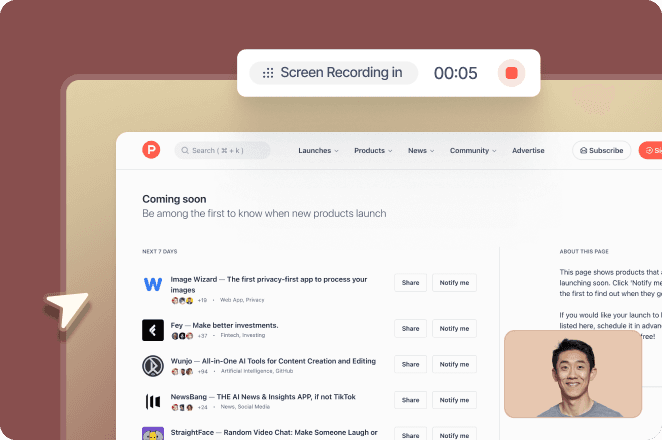
Enterprise teams need more from a screen recorder than good video quality. The recording is only the input; what matters is what comes out the other end, and whether it can be handled safely.
This guide covers what to evaluate when you are choosing a recorder specifically for documentation and SOP work: what it produces, how it handles sensitive data on screen, and how recordings become procedures.
Why Screen Recording for Documentation Is Different
Most screen-recorder comparisons evaluate capture quality, frame rate and editing tools. Those matter if you are producing video. If you are producing documentation, they are close to irrelevant.
What matters instead is what the recording turns into, and whether the data it captured can be handled safely. A recorder that exports a flawless 4K file and nothing else leaves the documentation job entirely ahead of you.
What Makes a Screen Recorder Good for Documentation?
Eight areas, and only the first is about recording.
Recording capability:
browser or desktop capture, resolution, and whether long sessions record reliably. Table stakes, and where most comparisons stopDocumentation output:
does it produce screenshots, transcripts and extracted steps, or only a video file? This is the question that separates a recorder from a documentation toolRecording to SOP:
whether the capture becomes a structured procedure, and how much editing that takes. See converting a screen recording to an SOPSecurity and data handling:
can data that appeared on screen be blurred or redacted after the fact? Who can see a recording, and how long is it retained? For enterprise, this often decides the shortlist before features doCollaboration:
sharing, review and comment workflows, so the process owner can check a procedure before it publishesAI processing:
transcription, step detection, summaries, and whether narration can be cleaned or generatedOutput formats:
PDF, Word, Markdown, share links, embeds. If your quality system expects a controlled file, confirm it existsMaintenance:
when the process changes, can you re-record and regenerate, or does the documentation get rebuilt by hand? This decides accuracy a year out
Screen Recording Tools Worth Evaluating for Documentation
Assessed on documentation output rather than recording quality alone. For general-purpose recording comparisons, see the broader best screen recording software guide.
We compare these tools on documentation output, recording-to-SOP capability, enterprise security, collaboration, AI processing, output formats and maintenance, not on video quality alone.
Tool | Documentation output | Recording to SOP | Enterprise controls |
|---|---|---|---|
Trupeer | Written SOP with screenshots, plus narrated video from one capture | Built in | Workspaces, roles, blur, four visibility levels |
Guidde | Yes (recording and documentation) | Yes (AI script generation and voiceover) | |
Camtasia | Yes (recording and documentation) | Limited (partial AI script generation) | |
Loom | Limited | No AI script generation | |
ScreenPal | Video-focused: screen and webcam capture, cloud hosting, quizzes | Not documented | |
OBS Studio | Video output only | No | Self-hosted, so controls depend on your own setup |
The documentation and recording-to-SOP columns are drawn from Trupeer's own published feature comparison in its best screen recording software guide, which rates core recording and documentation, AI script generation and AI voiceover per tool. Those ratings are undated and vendor capabilities change, so treat them as a starting point.
Trupeer
Best for: turning screen recordings into written SOPs and video documentation.
Why it stands out: recording and documentation are part of the same workflow, so the output is not just a video file. One capture produces a step-by-step document with screenshots and a narrated video.
Relevant strengths
Browser recording, or upload of an existing file
AI-generated documentation with a screenshot per step
Narration cleaned of filler words, with auto zoom on the action
Blur for sensitive data that appeared on screen
Publishing to a searchable knowledge base, or export to PDF or Word
Multilingual output from a single source
Limitations
No workflow execution or task assignment
No mandatory pre-publication approval gate
Output needs review to add anything that was not visible on screen
For the recording-to-procedure workflow specifically, see converting a screen recording to an SOP.
How We Evaluated These Tools
Each tool is assessed against the same eight criteria above, weighted toward output rather than capture. A tool scoring low on documentation output is not a worse recorder; it is a recorder rather than a documentation tool, and that distinction is the point of this comparison.
Two criteria carry the most weight for enterprise teams: whether sensitive data can be redacted after capture, and what it takes to refresh documentation when the underlying process changes.
Screen Recording Software vs Documentation Software
The distinction that makes this comparison different from a general recorder round-up: recording is the input, documentation is the output.
A screen recorder produces a video file. A documentation tool produces something a reader can scan: ordered steps, a screenshot each, searchable text. Plenty of teams buy the first and then discover they still have the documentation job ahead of them, because a ten-minute recording is not a procedure.
Some tools do both. Where they do not, you need a second step, which is worth costing into the decision. The broader category sits on SOP software.
How Screen Recordings Become SOPs
Record or upload, then AI identifies the visible actions and groups them into steps, captures a screenshot per step and drafts the instruction text. You review, add what was not on screen, and publish. The SOP generator covers the generation step specifically.
Enterprise Security and Governance
Screen recordings capture whatever was on the screen, which for most enterprise processes means customer data, account details or internal systems. That makes this a procurement question rather than a feature preference.
Redaction after capture:
can sensitive data that appeared on screen be blurred before publishing? If not, you need a sanitised test environment for every recording, which is usually what kills adoptionAccess control:
who can view a recording or a published procedure, and can that be scoped by team, site or client?SSO and identity:
commonly gated to an enterprise plan, so the plan you need may not be the one you pricedRetention and deletion:
how long recordings are kept, and whether you control thatData residency:
where recordings are processed and stored
Confirm each of these with the vendor directly rather than from a comparison table, including this one. Capability claims in this area change by plan and by region.
How to Choose Screen Recording Software for SOP Teams
Decide what you need out, not what you need in:
if the deliverable is a written procedure, a recorder that only exports video leaves the work undoneRun security review before shortlisting:
redaction, SSO and retention will eliminate options faster than any feature gapRecord one real process during the trial:
with real data on screen, so you find out whether redaction actually worksTime the edit, not the recording:
recording takes as long as the task. The variable is how long the output takes to make usableTest the update path:
change the process and see what it takes to refresh the documentation
If you are comparing SOP platforms rather than recorders, the best SOP creation software comparison is the better page.
Frequently Asked Questions
What is the best screen recorder for creating documentation?
It depends on whether you need documentation or video. If the deliverable is a written procedure, a recorder that only exports a video file leaves the work undone, so the deciding feature is what it produces: screenshots, extracted steps and searchable text rather than frame rate or editing tools.
Can a screen recording be converted into an SOP?
Yes. AI identifies the visible actions, groups them into ordered steps, captures a screenshot for each and drafts the instruction text. What it cannot capture is anything that was not on screen, so a person adds the reasoning, approvals and exceptions before publishing.
What should enterprises look for in screen recording software?
Beyond capture: whether sensitive data can be redacted after recording, who can view a recording or published procedure, whether SSO is available on your plan, how long recordings are retained, and where they are processed. These usually eliminate options faster than any feature gap.
Is screen recording enough to create an SOP?
On its own, no. A ten-minute recording is not a procedure, because nobody watches it to find out what to click at step four. Recording is the input; the procedure is the output, and something has to do the conversion.
How should enterprises protect sensitive information in screen recordings?
The practical answer is redaction after capture rather than a sanitised test environment before it. If a tool cannot blur what appeared on screen, every recording needs staged data first, which is usually what stops teams documenting at all. Confirm this during a trial using a real process with real data.
What is the difference between a screen recorder and documentation software?
A screen recorder produces a video file. Documentation software produces something a reader can scan: ordered steps, a screenshot each, searchable text. Some tools do both; where they do not, you need a second step, which is worth costing into the decision.
Свързани блогове