Trupeer Blog
Özetle
ServiceNow ve Atomicwork gibi platformlar kullanan kurumsal işletmeler için sağlam bir ITSM bilgi tabanı yönetmek kritik öneme sahiptir. Tekrarlayan hizmet kesintileri yaşayan büyük bir finans kuruluşunu düşünün. Her seferinde ekip, sorunu çözmek için doğru dokümasyonu bulmakta telaşlanır ve bu da uzayan hizmet kesintilerine yol açar. Bu durum yalnızca BT ekibini hayal kırıklığına uğratmakla kalmaz, aynı zamanda müşteri memnuniyetini de ciddi ölçüde etkiler. Yakın tarihli bir araştırmaya göre,
iyi yönetilen bilgi tabanlarına sahip şirketler, hizmet çözümleme sürelerinde %23 azalma yaşar.
Riskler yüksektir ve iyi organize edilmiş bir bilgi tabanı ihtiyacı her zamankinden daha nettir. Ekiplerinize, doğru araçları ve bilgileri parmaklarının ucunda sunmak; her hizmet kesintisinin hızlı ve etkili şekilde ele alınmasını sağlamakla ilgilidir. ITSM süreçlerinizi optimize etmek isteyenler için, en iyi bilgi tabanı uygulamalarını anlamak büyük bir fark yaratabilir. Başarılı uygulamalardan içgörü kazanmak için en iyi bilgi tabanı örneklerini keşfedin.
Güçlü bir ITSM bilgi tabanı neden önemlidir?
İyi yapılandırılmış bir ITSM bilgi tabanı, etkili hizmet operasyonlarının temelini oluşturur. Bu yalnızca bir bilgi deposu değil; operasyonel verimliliği sağlayan ve hizmet sunumunu iyileştiren stratejik bir varlıktır. Hizmet temsilcileri doğru bilgilere hızlıca erişebildiğinde sorunları daha çabuk çözebilir; bu da hizmet kesintilerini azaltır ve kullanıcı memnuniyetini artırır. İş operasyonlarını desteklemek için BT altyapısına yoğun şekilde güvenen kurumsal işletmeler açısından bu özellikle kritiktir.
BT ekiplerinden müşteri desteğine ve yönetime kadar uzanan paydaşlar, sağlam bir bilgi tabanından fayda sağlar. BT ekipleri için bu, daha basit operasyonlar ve daha az tekrar anlamına gelir. Sağlam bir bilgi tabanı, temsilcilere örnek düzeyde hizmet sunmaları için gereken araçları sağlayarak müşteri başarı iş akışını destekler. Yönetim, bilet çözümleme süreleri azaldığı için operasyonel maliyetlerin düştüğünü görebilir. Özetle, güçlü bir bilgi tabanı hizmet sunumunun her yönünü destekler ve herhangi bir BT departmanı için vazgeçilmez bir araç haline gelir.
İyi bakımı yapılan bir ITSM bilgi tabanının faydaları nelerdir?
Üst düzey bir ITSM bilgi tabanı oluşturmak ve sürdürmek, herhangi bir IT hizmet yönetimi stratejisinin vazgeçilmez bir parçası haline gelmesini sağlayan çeşitli somut faydalar sunar.
Verimliliği Artırın. Kapsamlı bir bilgi tabanı, çözümleri aramak için harcanan zamanı azaltır; daha hızlı bilet çözümü ve genel üretkenlikte artış sağlar.
Tutarlı Hizmet Kalitesi. Standartlaştırılmış bilgilerle ekibiniz, tüm etkileşimlerde tutarlı hizmet sunar; sonuçlardaki değişkenliği azaltır.
Daha Hızlı İntibak. Yeni çalışanlar, iyi dokümante edilmiş bir bilgi deposuna erişim sayesinde daha hızlı uyum sağlar; eğitim döngülerini kısaltır ve hataları azaltır.
Geliştirilmiş Müşteri Memnuniyeti. Hızlı sorun çözümü ve tutarlı hizmet kalitesi, daha mutlu müşteriler ve daha iyi elde tutma oranları sağlar.
İyileştirilmiş Uyum. İyi organize edilmiş bir bilgi tabanı, tüm ekip üyelerinin aynı SOP en iyi uygulamalarını izlemesini sağlayarak uyumu destekler.
Daha Düşük Operasyonel Maliyetler. Temsilcilere doğru araçları sağlayarak, yükseltme (eskalasyon) ihtiyacını en aza indirir; bu da operasyonel giderleri azaltır.
Takımlar, Trupeer'ın AI video platformu ile bu iş akışını uçtan uca gönderir; editör olmadan ham kayıtları cilalı çıktıya dönüştürür.
Trupeer'in hangi özellikleri ITSM bilgi tabanınızı optimize etmenize yardımcı olur?
Trupeer, ITSM bilgi tabanınızı oluşturmayı ve yönetmeyi basitleştirmek üzere tasarlanmış bir dizi özellik sunar; böylece sürdürmesi daha kolay ve kullanıcılar için daha etkili hale gelir.
Otomatik yakınlaştırma ve tıklama algılama ile AI ekran kaydı
Bu özellik, ayrıntılı video eğitimlerini ve SOP'leri zahmetsizce yakalamanıza olanak tanır. Yapay zekâ, ilgili alanlara otomatik olarak yakınlaştırır ve tıklamaları algılar; böylece her kritik eylem vurgulanır. Bu sayede izleyicilerin süreci kaçırmadan takip etmesi ve anlaması daha kolay olur. Görsel yardımcılar sunarak öğrenme deneyimini geliştirir ve hata yapma olasılığını azaltırsınız. Özellikle hassasiyetin önemli olduğu karmaşık IT ortamlarında bu özellik son derece faydalıdır. AI dokümantasyon platformu ise kayıtları yapılandırılmış belgelere dönüştürerek bu özelliği daha da tamamlar.
Otomatik AI anlatımla sessiz ekran kaydı
Trupeer'in sessiz ekran kaydı özelliği, çalışma ortamını bozmadan içerik oluşturmak için idealdir. Yapay zekâ tarafından oluşturulan anlatım, kayıtlarınızın profesyonel ve bilgilendirici olmasını sağlar. Bu yetenek, asenkron olarak erişilebilen eğitimler oluşturmak için uygundur; böylece ekip üyeleri kendi hızlarında öğrenebilir. Anlatım, izleyici etkileşimini ve kavrayışı korumaya yardımcı olacak şekilde net ve özlüdür. AI ile aranabilir bilgi tabanı ile bu anlatımlı videolar, ekibiniz için kolay erişilebilir kaynaklara dönüşür.
Herhangi bir kayıttan otomatik SOP oluşturma
Sıfırdan SOP oluşturmak zaman alabilir. Trupeer, otomatik SOP oluşturma özelliğiyle bunu kolaylaştırır. Bir kayıt oluşturulduktan sonra yapay zekâ, onu düzenlenebilir bir SOP'ye dönüştürür; HTML ve PDF gibi çeşitli formatlarda dışa aktarılabilir. Bu, önemli ölçüde zaman kazandırır ve dokümantasyonunuzun en güncel prosedürlerle her zaman uyumlu kalmasını sağlar. Ayrıca ekibiniz genelinde kolayca dağıtmanıza olanak tanır; böylece herkes aynı, doğru bilgilere erişir. Bu SOP'leri bilgi tabanınıza sorunsuz şekilde entegre etmek için bilgi tabanı oluşturucu aracını kullanın.
Dudak senkronuyla 40+ dile AI çeviri
Küresel ekipler, 40'tan fazla dili destekleyen Trupeer'in AI çeviri özelliğinden fayda sağlar. Bu yetenek, bilgi tabanınızın farklı bir iş gücüne erişilebilir olmasını sağlayarak kapsayıcılığı ve iş birliğini artırır. Yapay zekâ yalnızca metin çevirisini değil, video içeriği için dudak senkronunu da yönetir; böylece materyallerinizin bütünlüğünü ve profesyonelliğini korur. Farklı bölgelerde tutarlı iletişim standartlarını sürdürmeyi hedefleyen çok uluslu kuruluşlar için bu kritik öneme sahiptir. video bilgi tabanı, küresel ekipler için benzersiz erişilebilirlik ve etkileşim sunar.
İzleyici etkileşim analitiği, terk oranı ve ısı haritaları
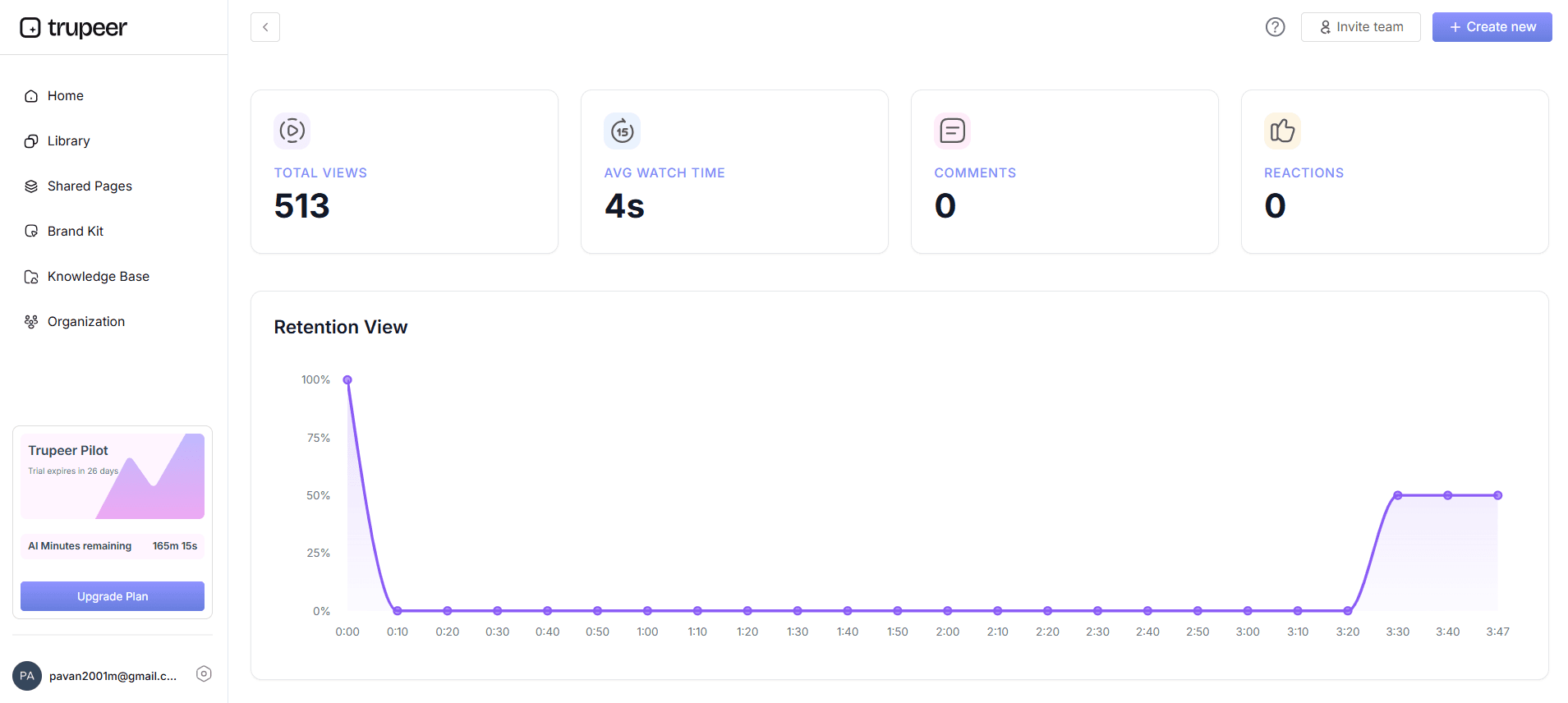
Ekipinizin bilgi tabanıyla nasıl etkileşim kurduğunu anlamak, sürekli iyileştirme için esastır. Trupeer, izleyici etkileşimiyle ilgili; kullanıcıların nerede terk ettiğini ve hangi bölümlerin en ilgi çekici olduğunu da içeren ayrıntılı analitikler sağlar. Bu veriler, içeriğinizi kullanıcılarınızın ihtiyaçlarını etkili şekilde karşılayacak biçimde geliştirmenize yardımcı olur. Bu metrikleri analiz ederek dokümantasyonunuzdaki boşlukları belirleyebilir ve gerekli düzenlemeleri yapabilirsiniz; bu da daha verimli ve kullanıcı dostu bir bilgi tabanı sağlar. bilgi tabanı oluşturucudan elde edilen içgörüler, içeriği optimize etmek ve kullanıcı etkileşimini artırmak için son derece değerlidir.
Trupeer ile ITSM bilgi tabanınızı adım adım nasıl optimize edersiniz?
Adım 1: Süreci Yakala
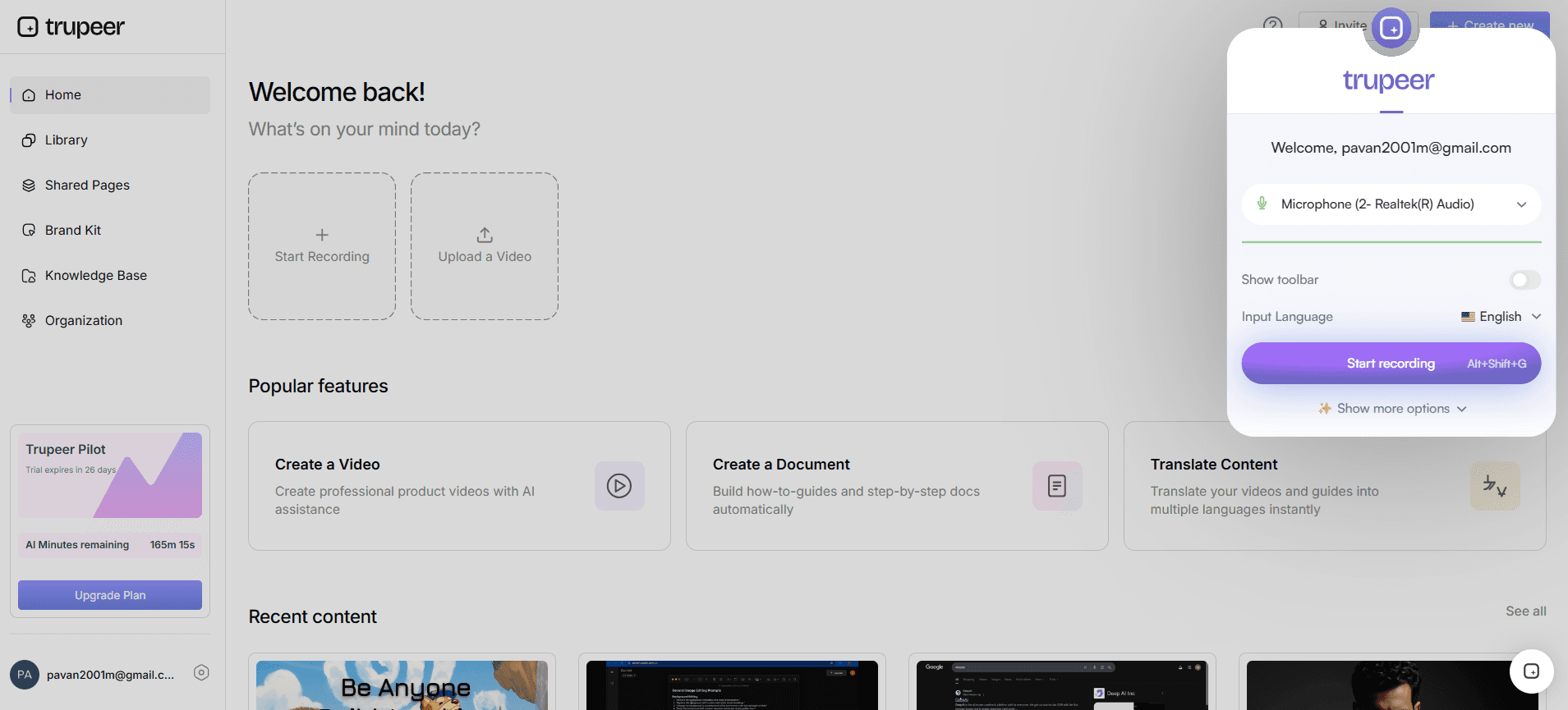
Öncelikle, Trupeer'ın otomatik yakınlaştırma ve tıklama algılama ile AI ekran kaydını kullanarak, bilgi tabanınıza dahil etmek istediğiniz süreci dokümante edin. Trupeer tarayıcı tabanlı kaydediciyi açın ve 'Kaydı Başlat' seçeneğine tıklayın. Sürecinizde ilerlerken Trupeer aktif alanlara otomatik olarak yakınlaştırır ve tıklamaları vurgular; böylece tüm önemli eylemler yakalanır. Bu adım genellikle sürecin kendisi kadar sürer; ayrıca kurulum için birkaç dakika daha gerekir. Beklenmeyen açılır pencereler gibi uç durumlar da yakalanır; böylece tüm prosedüre dair kapsamlı bir görünüm elde edilir.
Adım 2: Otomatik Anlatım Oluşturun
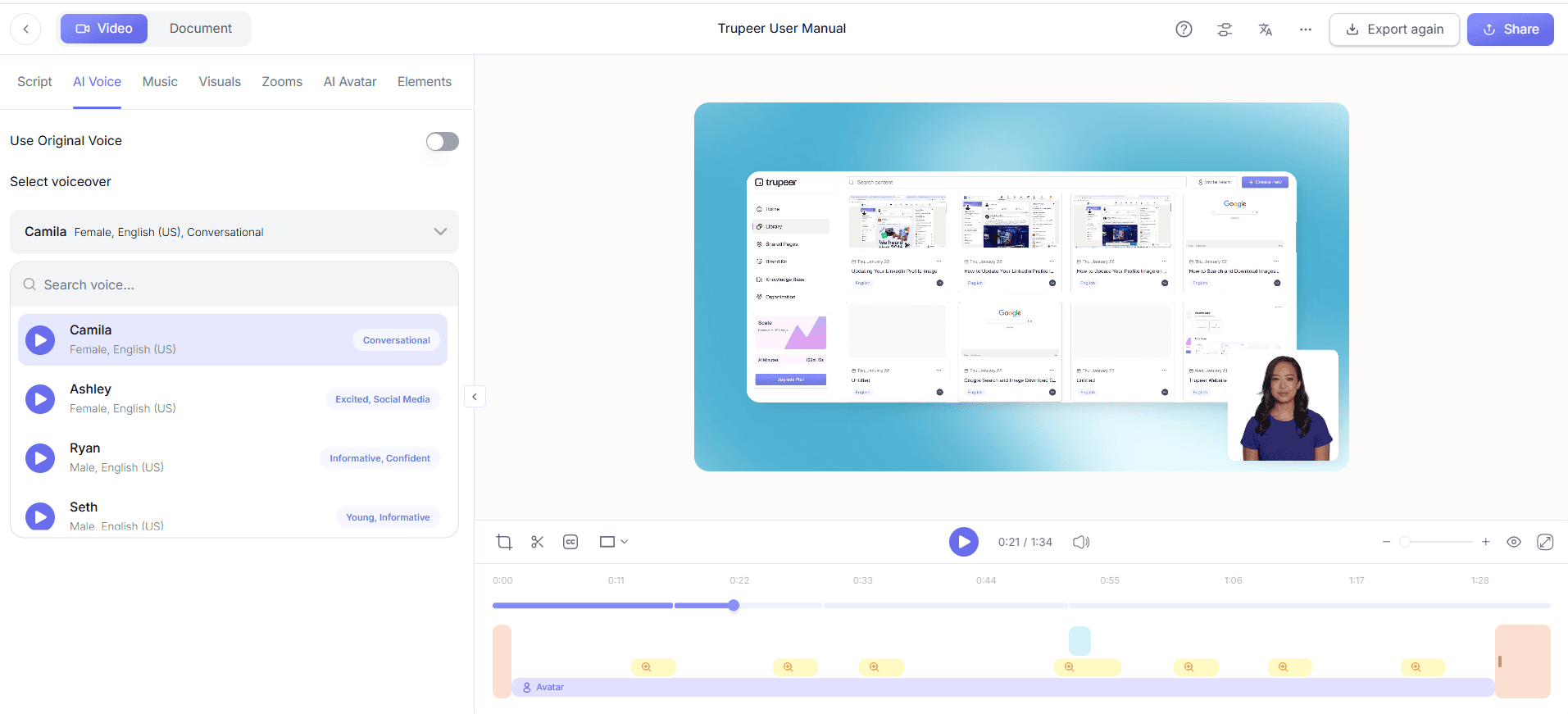
Kayıt yakalandıktan sonra, videonuza seslendirme eklemek için Trupeer'ın otomatik AI anlatımla sessiz ekran kaydını kullanın. 'Anlatım Ekle' seçeneğini belirleyin; Trupeer profesyonel ve net bir seslendirme oluşturur. Bu adım yalnızca birkaç dakika sürer ve içeriğinizin erişilebilirliğini artırarak ekip üyelerinin ekrandaki metni okumak zorunda kalmadan süreci takip etmesini kolaylaştırır. Manuel düzenlemeler gerekirse Trupeer, anlatımı belirli terminolojilere veya aksanlara daha iyi uyacak şekilde düzenlemenize olanak tanır.
Adım 3: Kayıtlardan SOP'ler Oluşturun
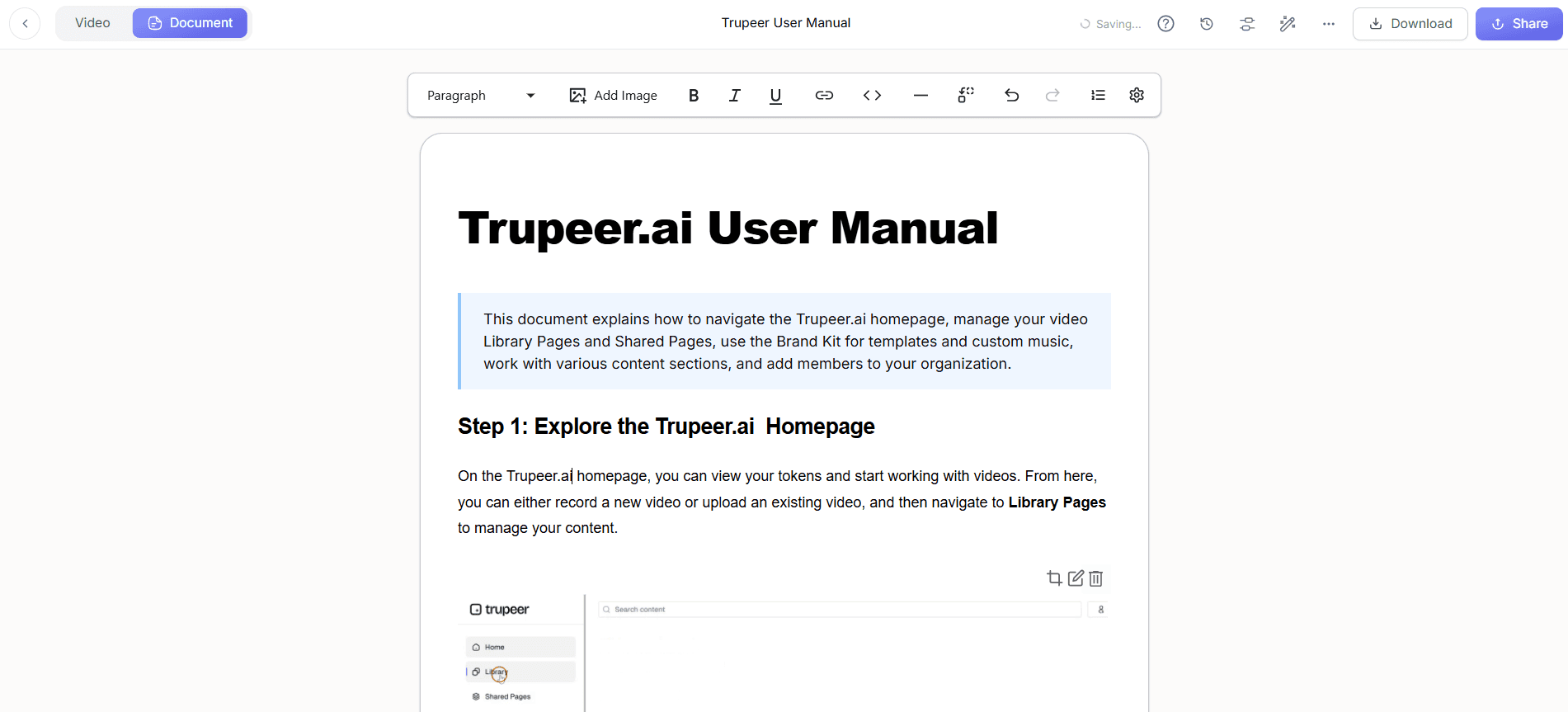
Anlatımlı videonuz hazır olduğunda, kaydı yapılandırılmış bir belgeye dönüştürmek için Trupeer'ın otomatik SOP oluşturma özelliğini kullanın. 'SOP Oluştur' seçeneğine tıklayın ve HTML veya PDF gibi istediğiniz formatı seçin. Trupeer, önemli adımları otomatik olarak çıkarır ve düzenlenebilir bir belge oluşturur; aksi halde SOP'leri manuel olarak taslak hazırlamak için harcanacak saatleri kazandırır. Bu özellik, SOP'lerinizin video içeriğinizle her zaman uyumlu olmasını sağlar ve tutarsızlıkları en aza indirir. Bu adımın süresi, kaydın uzunluğuna bağlı olarak yaklaşık 5-10 dakika olacaktır.
Adım 4: Küresel Erişim İçin Çevirin
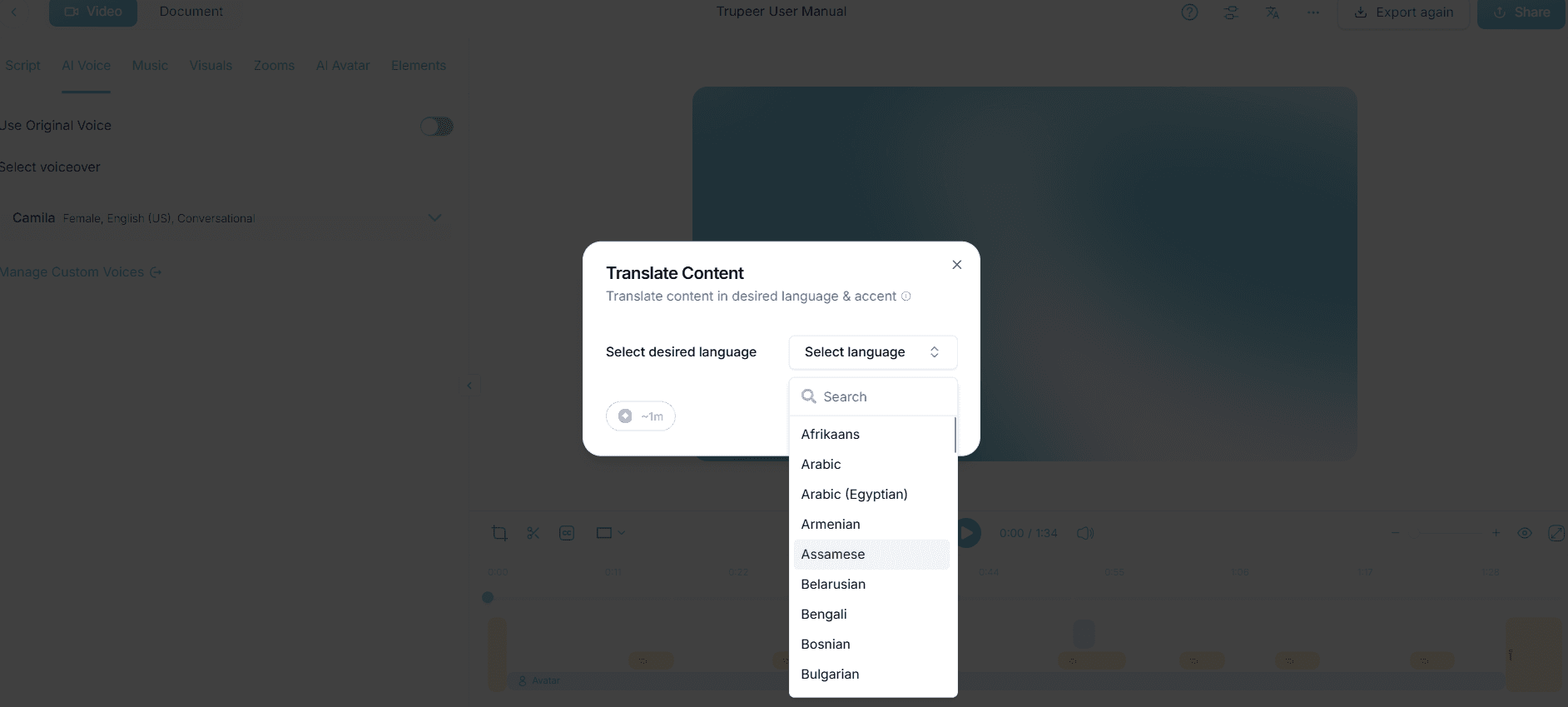
Birden fazla bölgede faaliyet gösteren ekipler için Trupeer'in 40+ dile AI çeviri özelliği, herkesin bilgi tabanına kendi ana dilinde erişebilmesini sağlar. Seçenekler menüsünden 'Çevir' seçeneğini belirleyin, ihtiyaç duyduğunuz dilleri seçin ve Trupeer gerisini halletsin. Çeviri süreci; videolar için dudak senkronu ayarlamaları dahil olmak üzere otomatikleştirilir ve genellikle dil başına 10-15 dakika içinde tamamlanır. Bu adım, dokümantasyonunuzun erişimini önemli ölçüde genişleterek küresel bir iş gücü için erişilebilir ve ilgili hale getirir.
Adım 5: Bilgi Tabanına Entegre Edin
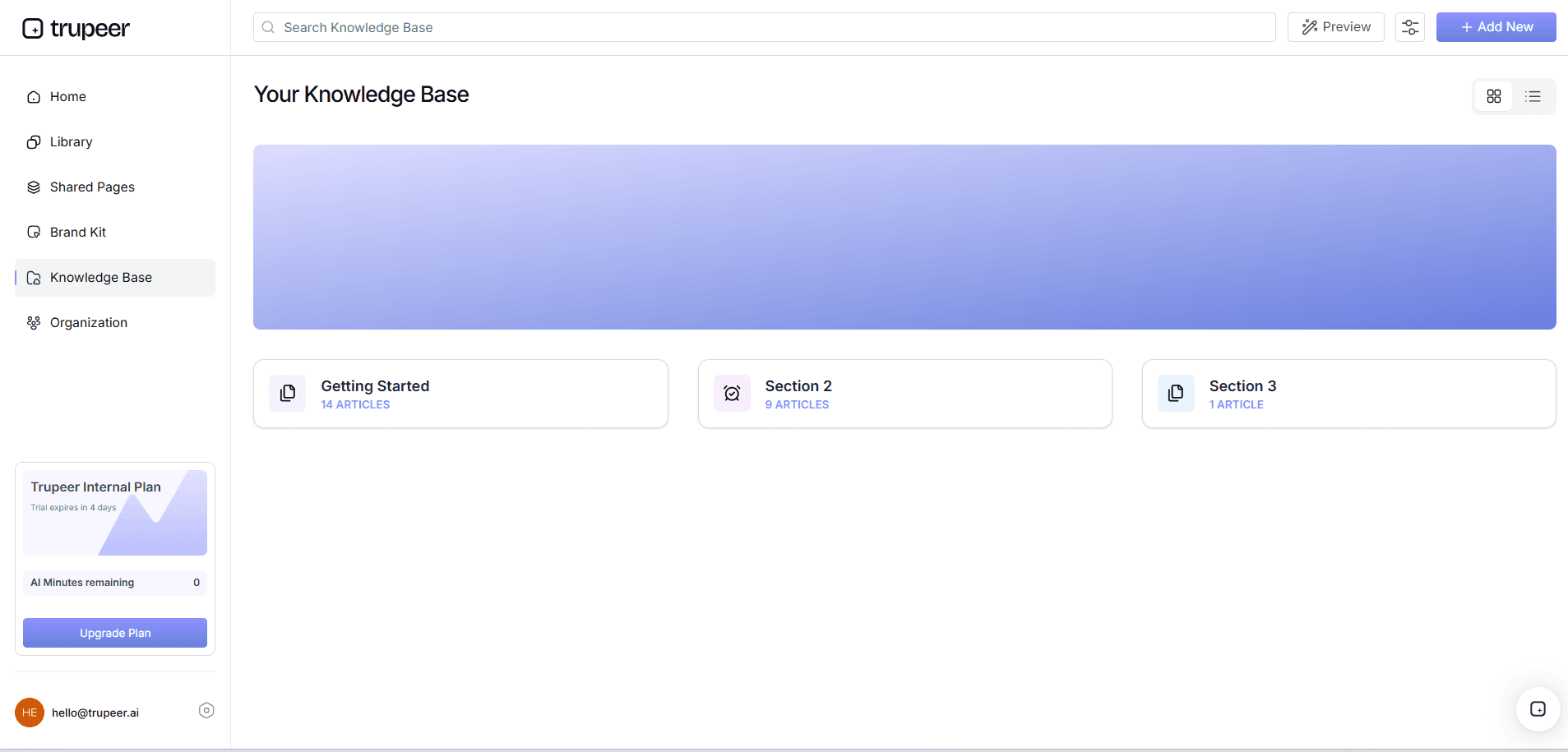
İçeriğiniz hazırlandıktan ve çevrildikten sonra, Trupeer AI ile aranabilir bilgi tabanınıza entegre edin. 'Bilgi Tabanı' bölümüne gidin, 'Yeni Girdi Ekle'yi seçin ve videonuzu ile SOP'lerinizi yükleyin. Trupeer içeriği indeksler; böylece kolay gezinim için zaman damgası derin bağlantılarıyla aranabilir hale gelir. Bu sayede ekip üyeleri, alakasız içeriklerin arasını eleyip zaman kaybetmeden belirli bilgileri hızlıca bulabilir. Entegrasyon süreci basittir ve genellikle ağ hızınıza ile dosya boyutlarınıza bağlı olarak 10 dakikadan kısa sürer.
Adım 6: Etkileşimi İzleyin ve İyileştirin
Son olarak, ekipinizin bilgi tabanıyla nasıl etkileşim kurduğunu izlemek için Trupeer'ın izleyici etkileşim analitiği, terk oranı ve ısı haritalarını kullanın. İçeriğin hangi bölümlerinin en ilgi çekici olduğunu veya izleyicilerin nerede daha sık terk ettiğini incelemek için 'Analitikler' bölümüne erişin. Bu veriler, materyallerinizi kullanıcılarınızın ihtiyaçlarını etkili şekilde karşılayacak biçimde geliştirmenize olanak tanır. Bu içgörülere dayanarak içeriğinizi düzenli olarak güncellemek ve optimize etmek, bilgi tabanınızı güncel ve faydalı tutar. Bu devam eden adım, sürekli iyileştirme sağlamak için aylık olarak yeniden gözden geçirilmelidir. Araçları değerlendiren ekipler, standart bir iş akışına geçmeden önce genellikle bir Loom alternatifleri karşılaştırması ile başlar.
ITSM bilgi tabanınızı optimize etmenize yardımcı olacak ipuçları nelerdir?
ITSM bilgi tabanınızın sunduğu tüm olanaklardan tam olarak yararlanmak için, ekibiniz için etkinliğini ve kullanılabilirliğini artırabilecek bu pratik ipuçlarını değerlendirin.
İçeriği Düzenli Olarak Güncelleyin. Düzenli inceleme ve güncellemeler planlayarak bilgi tabanınızın güncel kalmasını sağlayın. Güncelliğini yitirmiş bilgiler hatalara ve verimsizliklere yol açabilir.
Tutarlılık İçin Şablonları Kullanın. Tüm girdilerde yeknesaklığı korumak için dokümantasyonda standartlaştırılmış şablonlar kullanın; bu da gezinmeyi ve anlamayı kolaylaştırır.
Birden Fazla Katkıda Bulunun. İçerik üretmek için farklı departmanlardan alan uzmanlarını sürece dahil edin; bilgi tabanını çeşitli içgörülerle zenginleştirin.
Kullanıcı Geri Bildirimini Teşvik Edin. Ekip üyelerini bilgi tabanı hakkında geri bildirim vermeye teşvik edin; bu, iyileştirme alanlarını ve daha fazla ayrıntı gerektiren konuları ortaya çıkarabilir.
Arama İşlevini Uygulayın. Bilgi tabanınızın güçlü arama yeteneklerine sahip olduğundan emin olun; böylece kullanıcılar ihtiyaç duydukları bilgilere zahmetsizce hızlıca ulaşabilir.
Görsel Yardımcılar Kullanın. Dokümantasyonunuza özellikle karmaşık prosedürler için videolar, diyagramlar ve ekran görüntüleri ekleyerek anlamayı güçlendirin.
Alternatifleri Düzenli Olarak Değerlendirin. Farklı araçları keşfedin ve mevcut platformunuzun değişen ihtiyaçlarınızı karşılayıp karşılamadığını doğrulamak için Scribe alternatifleri karşılaştırmasını inceleyin.
Trupeer ayrıca bu adımı ekstra kurulum olmadan yöneten bir dahili bilgi tabanı wiki yazılımı da sunar.
Sık sorulan sorular
Bilgi tabanımın her zaman güncel kalmasını nasıl sağlayabilirim?
Bilgi tabanınızı güncel tutmak için sistematik bir inceleme süreci oluşturun. Güncelliğini yitirmiş içerikleri kontrol etmek üzere düzenli denetimler planlayın; belki de çeyreklik aralıklarla. Uzmanlık alanlarıyla ilgili bölümlerin güncellenmesinden sorumlu olacak belirli ekip üyeleri atayın. Kayıtlara bağlı Trupeer'ın otomatik güncelleme dokümantasyonu gibi mümkün olduğunda güncellemeleri otomatikleştirmek de doğruluğu korumaya yardımcı olabilir. Bu proaktif yaklaşım, geçerliliğini yitirmiş bilgilerin birikmesini önlemeye yardımcı olur; böylece kullanıcılar her zaman en güncel verilere ve prosedürlere erişebilir.
Video içeriğini ITSM bilgi tabanım ile nasıl entegre edebilirim?
Video içeriğini ITSM bilgi tabanınıza entegre etmek, kullanıcı etkileşimini ve anlayışı önemli ölçüde artırabilir. Uygulama içi yönlendirme için Trupeer'ın yerleştirilebilir video widget'larını kullanın; böylece kullanıcılar, kullandıkları uygulamalar içinde doğrudan ilgili video içeriğine erişebilir. Videoların kısa ve odaklı olduğundan emin olun; belirli görevleri veya süreçleri kapsayın. Profesyonel bir dokunuş için AI tarafından oluşturulan seslendirmeler kullanın ve süreçler geliştikçe video içeriğini düzenli olarak güncelleyin; böylece bilgi tabanınız dinamik ve ilgili kalır.
ITSM bilgi tabanım için kullanıcı geri bildirimi neden kritik?
Kullanıcı geri bildirimi hayati önem taşır; çünkü bilgi tabanınızın hedef kitlenize ne kadar etkili hizmet ettiğine dair doğrudan içgörüler sağlar. Geri bildirim, belirsiz talimatlar veya eksik bilgiler gibi sorunları ortaya çıkarabilir. Kullanıcıları, bilgi tabanı platformuna entegre formlar veya anketler aracılığıyla geri bildirim göndermeye teşvik edin. Bu geri bildirimi düzenli olarak gözden geçirerek yaygın temaları belirleyin ve bunları gidermek için değişiklikleri uygulayın. Kullanıcı girdisini toplama ve harekete geçirme şeklindeki bu yinelemeli süreç, bilgi tabanını daha kullanıcı odaklı ve daha etkili hale getirerek geliştirmenize yardımcı olur.
ITSM bilgi tabanımı küresel bir kitleye erişilebilir hale getirebilir miyim?
Evet, çeviri ve yerelleştirme araçlarını kullanarak ITSM bilgi tabanınızı küresel olarak erişilebilir hale getirebilirsiniz. Trupeer'ın AI video çevirisi özelliği, dudak senkronu ayarlamaları dahil olmak üzere video materyalleri için 40'tan fazla dile içerik çevirmenize olanak tanır. Bu sayede, ana dili ne olursa olsun tüm kullanıcılar bilgiyi erişebilir ve anlayabilir. ayrıca, farklı bölgelerde alaka ve kavrayışı artırmak için çevirilerinizde kültürel nüansları da göz önünde bulundurun; böylece bilgi tabanınızın erişimini ve etkinliğini en üst düzeye çıkarırsınız.
AI kullanmak bir bilgi tabanının yönetimini iyileştirir mi?
Evet, AI; dahil olan birçok süreci otomatikleştirerek bir bilgi tabanının yönetimini önemli ölçüde iyileştirir. AI araçları içerik oluşturmayı basitleştirebilir, dokümantasyonu otomatik olarak güncelleyebilir ve kullanıcı etkileşimiyle ilgili analitikler sağlayabilir. Örneğin Trupeer; otomatik oluşturulan SOP'ler ve izleyici etkileşim analitiği gibi AI destekli özellikler sunar; bu da dinamik ve kullanıcı dostu bir bilgi tabanını korumaya yardımcı olur. Bu otomasyon, ekibinizin iş yükünü azaltır; böylece bilgi tabanının doğru ve faydalı kalmasını sağlarken daha stratejik görevlere odaklanabilirler.
İlgili Bloglar