Trupeer Blog
Podsumuj
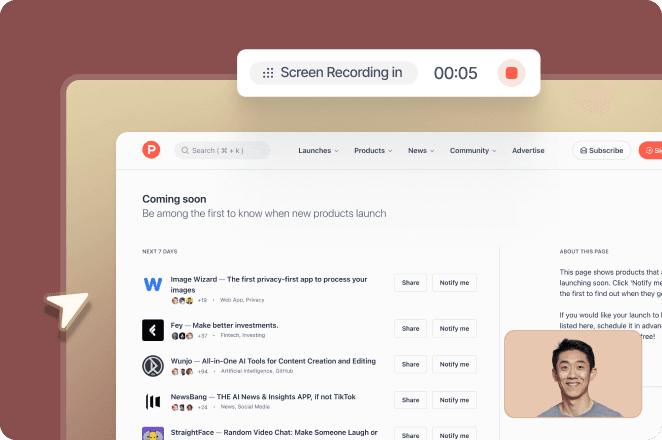
In manufacturing and operations, the most valuable know-how often lives in a few people’s heads: how to set up a temperamental machine, which alarm can be ignored, the workaround that keeps a line running. That is tribal knowledge, and it walks out the door when experienced people retire, change roles or move shifts. If you are new to the concept, start with our guide to what tribal knowledge means.
This guide focuses on the practical side for plants and operations teams: what tribal knowledge to capture, a knowledge transfer plan template, a six-step process, and how to measure whether it worked.
Why Tribal Knowledge Is a Risk in Manufacturing
Retirements:
Experienced operators, technicians and engineers leave with decades of undocumented know-how.Shift handovers:
Fixes and workarounds known on one shift never reach the next.Equipment quirks:
Older machines often run on settings and tricks that only one person knows.System changes:
New MES, ERP or SCADA screens change how tasks are done, and the experts adapt before the documentation does.Quality and safety:
Undocumented steps lead to inconsistent quality, rework and safety risks.
What Tribal Knowledge to Capture in Manufacturing
Knowledge area | Examples |
|---|---|
Machine setup and changeovers | Settings, sequences and checks for each product or run |
Troubleshooting | How experts diagnose common faults and alarms |
Quality checks | What “good” looks like and the signs of a problem |
Safety practices | Lockout steps, hazards and safe workarounds |
System tasks | MES, ERP and SCADA steps such as order start-up or goods receipt |
Workarounds and judgment calls | Why the expert does something differently from the written procedure |
Knowledge Transfer Plan Template
A knowledge transfer plan tracks every critical piece of knowledge from capture to verified handover. Use one row per task:
Field | What to record |
|---|---|
Knowledge holder | The expert who knows the task |
Critical task | The process, machine or decision to capture |
Risk level | High, medium or low, based on impact and how many people know it |
Capture method | Screen recording, video on the floor, interview or shadowing |
Output | SOP, work instruction, video or checklist |
Learner | Who needs to learn it |
Owner and deadline | Who is responsible and by when |
Verification | How competence is confirmed, such as supervised practice and sign-off |
For a ready-made format, use the knowledge transfer SOP template, and run a knowledge transfer gap analysis to find what is missing.
How to Transfer Tribal Knowledge in 6 Steps
1. Identify at-risk knowledge
List upcoming retirements and role changes, and the tasks only one or two people can do.
2. Prioritize by risk
Start with tasks that affect safety, quality or downtime, and those held by people leaving soonest.
3. Capture the expert doing the work
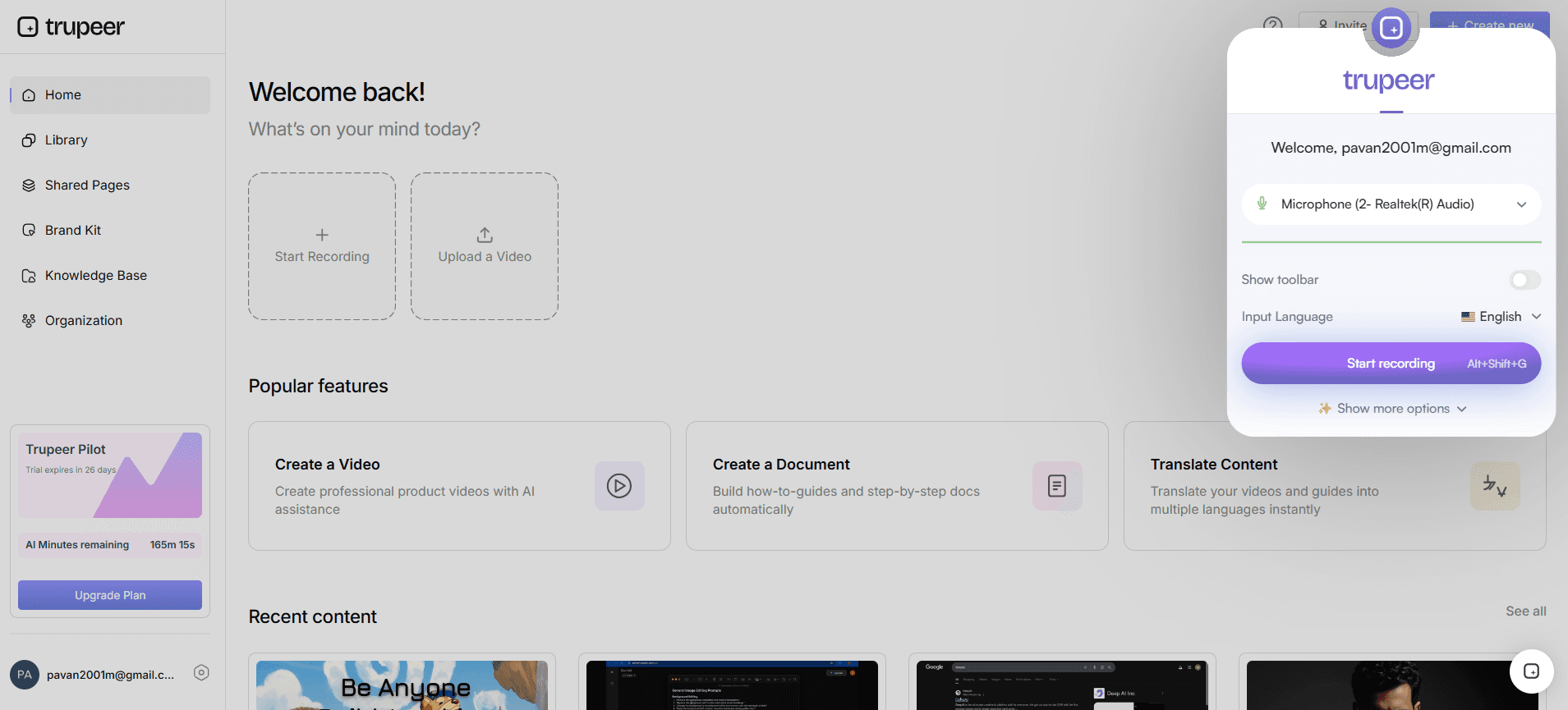
Record the expert performing the task and ask them to explain their decisions as they go: why this setting, what they are watching for, what they would do if something went wrong. Use screen recording for system tasks and short videos or photos for work on equipment.
4. Turn the capture into SOPs and work instructions
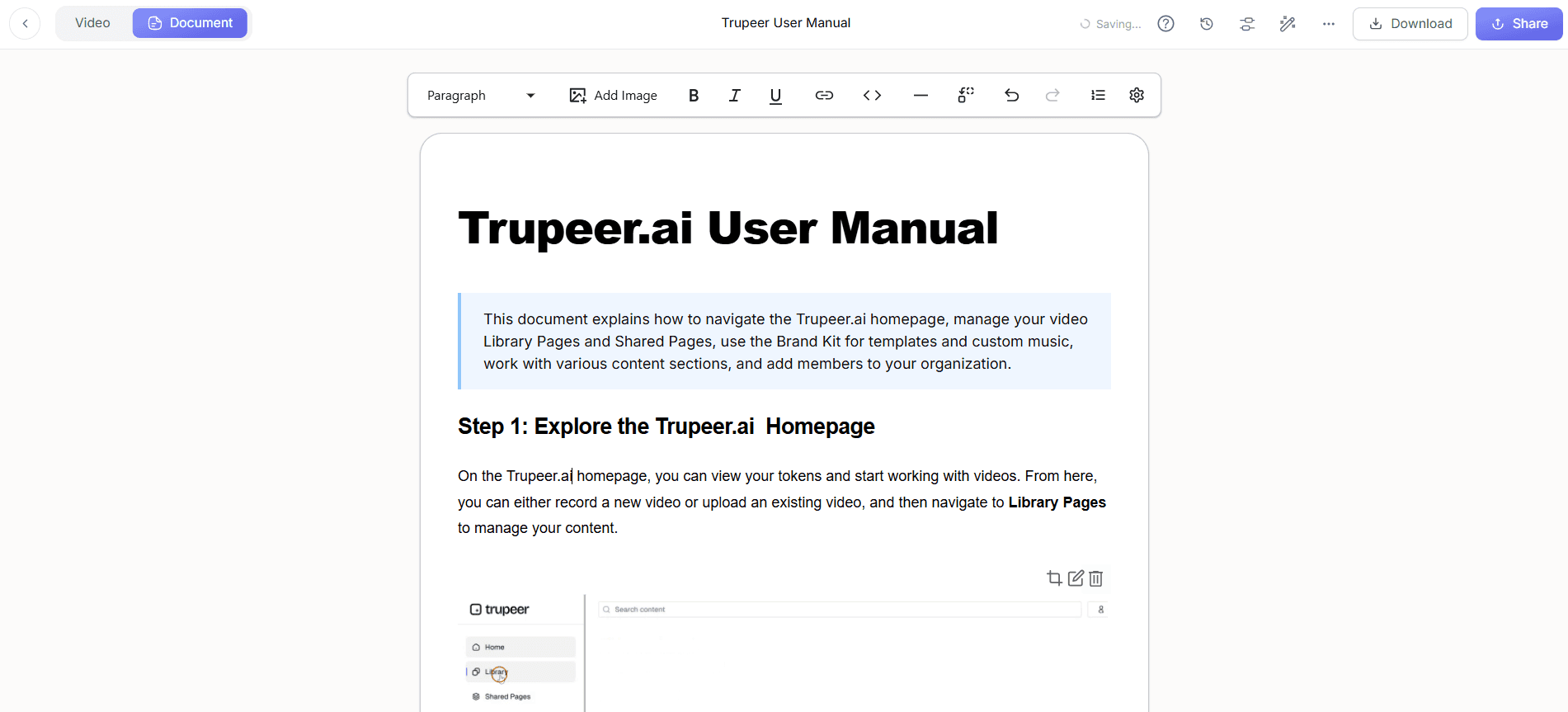
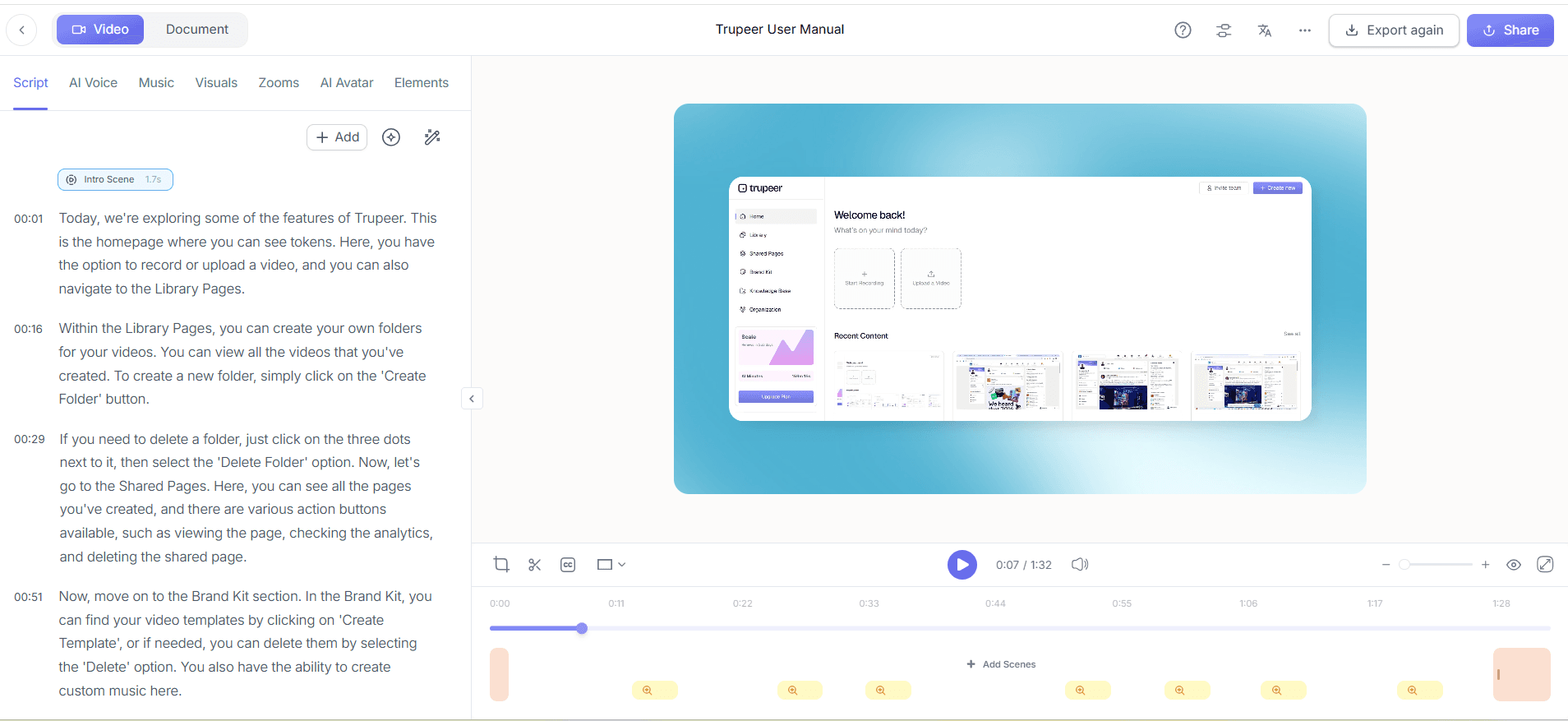
Convert each capture into a clear SOP or work instruction with one action per step and a picture for each. Our guide to SOPs vs work instructions explains which format fits.
5. Verify through shadowing and sign-off
Have the learner follow the new document while the expert observes, correct any gaps, and sign off when the learner can do the task alone.
6. Publish and maintain
Publish procedures where operators work, assign an owner to each, and review them after every equipment, process or system change.
Capture Methods Compared
Method | Best for | Limitation |
|---|---|---|
Screen recording | MES, ERP and SCADA tasks | Does not cover physical work |
Video and photos on the floor | Machine setup, changeovers, inspections | Needs a safe setup and editing |
Structured interviews | Judgment calls and troubleshooting logic | Experts forget steps they do automatically |
Job shadowing | Hands-on skills and verification | Time-consuming and hard to scale |
How Trupeer Helps Capture Tribal Knowledge
Capture system tasks:
Record a browser tab, window or full screen with the Trupeer Chrome extension, or upload a video recorded on the floor.Generate SOPs and videos:
Click Generate AI Content to get a step-by-step guide with screenshots and a polished video with AI voiceover.Reuse existing documents:
Turn existing PDFs and slide decks into videos and documentation with document to video.Keep a consistent format:
Use Doc Skills to apply your SOP template every time.Reach every operator:
Translate videos and documentation for multilingual teams.Make it findable:
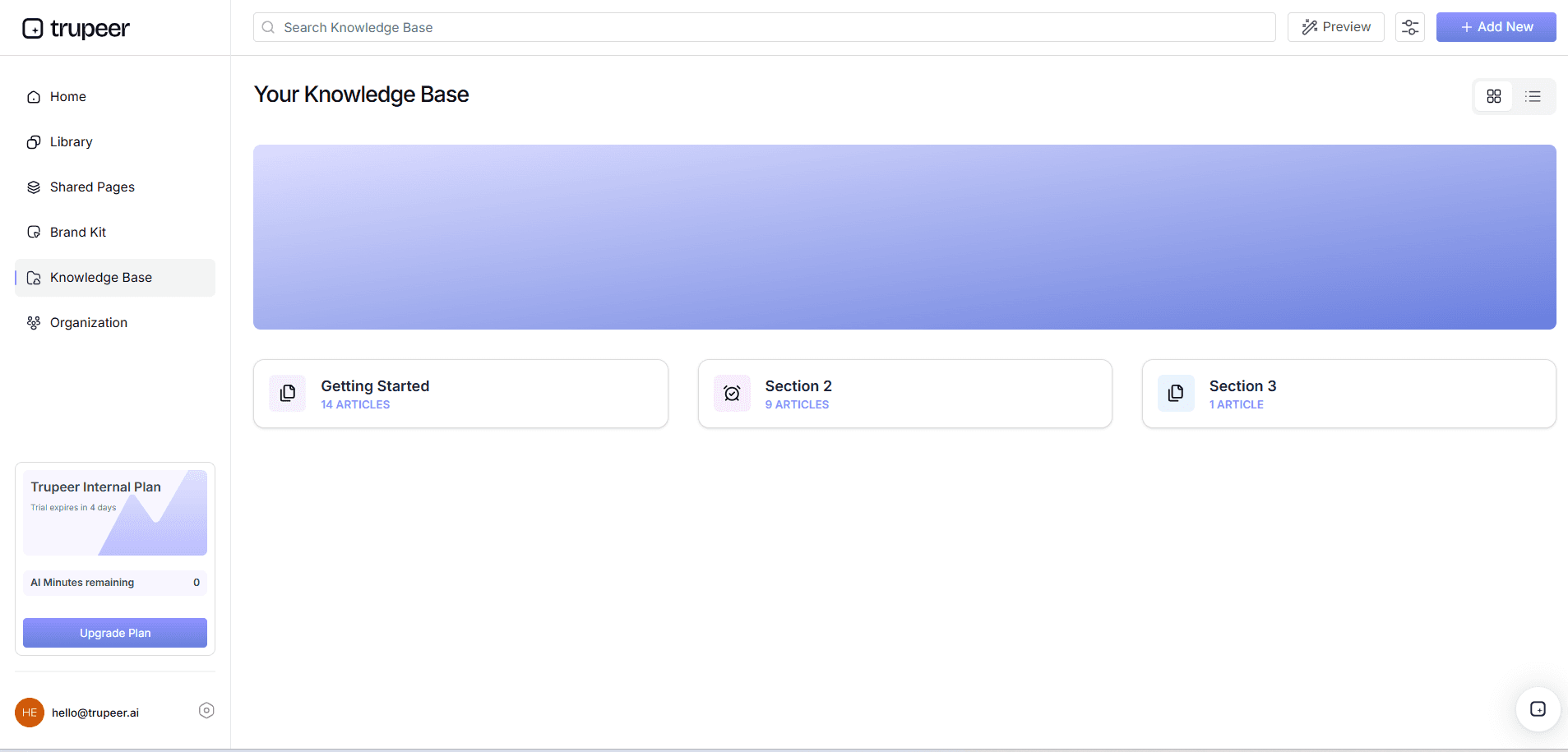
Publish in a knowledge base where people search with Ask AI, and track views, unresolved searches and stale content.
For system-heavy plants, see how to digitize manufacturing SOPs for MES, SCADA and ERP.
How to Measure Knowledge Transfer Success
Share of critical tasks with a verified SOP or work instruction
Time for a new operator to work independently
Errors, rework and quality issues on transferred tasks
Downtime caused by missing know-how
How often people search for and use the published procedures
Final Thoughts
Tribal knowledge transfer works best as a planned program, not a last-minute exit interview. Prioritize the riskiest knowledge, capture experts while they do the work, verify with the people who will take over, and keep the procedures current as equipment and systems change.
Frequently Asked Questions
What is tribal knowledge in manufacturing?
Answer 1
How do you transfer tribal knowledge?
Answer 2
What should a knowledge transfer plan include?
Answer 3
How do you capture tribal knowledge from retiring employees?
Answer 4
What is the difference between tribal knowledge and tacit knowledge?
Answer 5
Can screen recording capture tribal knowledge?
Answer 6
How do you know knowledge transfer worked?
Answer 7
How does Trupeer help with tribal knowledge transfer?
Answer 8
Powiązane blogi