Trupeer Blog
Podsumuj
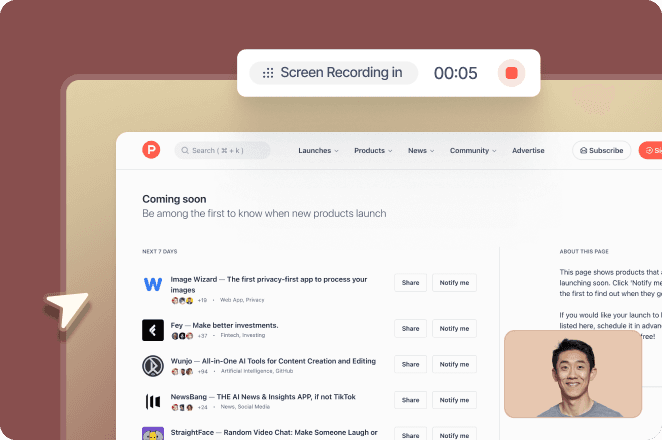
Imagine you're leading a team in a manufacturing company. Your team relies on hundreds of Standard Operating Procedures (SOPs) to maintain quality and consistency. But these SOPs are paper-based, scattered across different locations, and hard to update. You know digitizing these SOPs would save time and reduce errors. However, digitizing every SOP upfront is unrealistic. With limited resources, where do you start? A focused strategy is crucial. A deliberate audit helps identify which SOPs offer the most value when digitized first. This method not only saves time but also maximizes the return on investment. Consider this:
Companies that prioritize digitizing high-impact SOPs can reduce operational errors by up to 30% in the first year.
This is exactly where C2C tower SOPs becomes useful and it's the kind of content Trupeer can generate directly from a simple screen recording. This process isn't just for manufacturing. It applies to any industry dealing with outdated SOPs. Whether you're in healthcare, finance, or IT, the stakes are similar, improving efficiency and reducing costs. For a deeper look, our guide on create effective video sops covers the adjacent playbook.
Why does auditing and prioritizing SOP digitization matter?
Auditing and prioritizing SOP digitization isn't merely about moving documents from paper to digital. It's about transforming how your organization operates. Imagine a finance department working with outdated SOPs during tax season. The risks of delays, compliance issues, and errors multiply. By focusing on digitizing the most critical SOPs first, you mitigate these risks. You also ensure that your team has access to updated, reliable procedures when they need them. The impact on productivity and morale can be substantial. When employees can rely on current SOPs, they work more efficiently, and their confidence in the process increases.
Also, digitizing SOPs aligns with broader operations workflow objectives, such as reducing costs and improving service delivery. In sectors like healthcare, where compliance and accuracy are paramount, digital SOPs ensure teams follow the latest protocols without error. They also simplify audits and compliance checks by providing easy access to documentation. This strategic approach to SOP digitization turns a daunting task into an opportunity for operational excellence, providing measurable outcomes that align with organizational goals.
What are the benefits of auditing and prioritizing SOP digitization?
The benefits of auditing and prioritizing SOP digitization are extensive. Here are six key advantages:
Improved compliance. Digitized SOPs offer easy access to the latest procedures, minimizing compliance risks. Digital records make audits straightforward, reducing the time spent on compliance checks.
Increased efficiency. With digital SOPs, employees spend less time searching for documents. This efficiency boosts productivity, allowing teams to focus on their core tasks.
Cost savings. Reducing paper use and storage needs lowers operational costs. also, digital SOPs decrease the likelihood of errors, saving money on corrections and rework.
Enhanced accessibility. Employees can access SOPs from anywhere, facilitating remote work and collaboration. A single AI video platform lets teams share SOPs without physical handoffs.
Scalability. Digital SOPs grow with your organization. As processes evolve, you can update SOPs without reprinting, ensuring your procedures are always current.
Consistency in training. Digital SOPs ensure all employees receive the same information, reducing variability. A consistent training experience is crucial for maintaining quality across teams.
Which Trupeer features help you audit and prioritize SOP digitization?
Trupeer offers a range of features designed to simplify the SOP digitization process. By using these capabilities, you can efficiently audit and prioritize your SOPs.
Automatic SOP generation from any recording
Trupeer's ability to generate SOPs from recordings is a big shift for teams looking to digitize. After capturing a process with Trupeer's recording tools, the platform automatically creates an SOP that you can edit and export. This feature is crucial for quickly converting high-priority SOPs into digital formats. It saves time and ensures accuracy by directly translating observed processes into documented procedures. Whether you're capturing a complex manufacturing process or a simple administrative task, Trupeer transforms it into an actionable document, reducing manual documentation errors.
Auto-updating documentation tied to the underlying recording
One of Trupeer's standout features is its ability to auto-update documentation based on new recordings. This means that when a process changes, you can simply create a new recording, and Trupeer updates the associated SOP. This capability ensures your documentation remains current without manual intervention. It is particularly beneficial in dynamic environments where procedures frequently change. By linking SOPs to recordings, Trupeer ensures continuity and consistency, providing teams with the latest information at their fingertips.
AI-searchable knowledge base
Trupeer's AI-searchable knowledge base indexes every recording with timestamp-level deep links. This feature allows teams to quickly find and reference specific parts of SOPs, enhancing accessibility and usability. The AI-driven search capabilities mean you can locate relevant information with precision, reducing time spent on searching through documentation. This level of accessibility is vital for teams under pressure to perform, ensuring they have immediate access to the information they need.
AI voiceover in 65+ natural voices
Trupeer's AI voiceover capability enhances SOPs by adding audio guidance. With over 65+ natural voices available, teams can create engaging SOPs that cater to different learning styles. This feature is especially useful for complex processes where visual and auditory guidance is beneficial. By incorporating voiceovers, Trupeer makes SOPs more accessible and easier to understand, supporting diverse teams and improving training outcomes. The flexibility in pace and tone allows customization to suit specific audiences, ensuring clarity and engagement.
Multi-format export: MP4, HTML, PDF, SCORM
Trupeer supports multi-format export, allowing you to distribute SOPs in various formats such as MP4, HTML, PDF, and SCORM. This versatility ensures that your digital SOPs can be accessed on multiple platforms, catering to different user preferences and needs. Whether you're embedding SOPs in a learning management system or providing downloadable PDFs, Trupeer's export options enable smooth integration into existing workflows. This feature is crucial for organizations with diverse technological ecosystems, ensuring everyone can access SOPs in the format that suits them best.
How do you audit and prioritize which legacy SOPs to digitize first with Trupeer?
Step 1: Capture existing SOPs with AI screen recording
Begin by using Trupeer's AI screen recording with auto-zoom and click detection to capture the current SOPs in action. Open the Trupeer browser-based recorder, which requires no installation, and start recording the screen as you walk through each SOP process. The AI automatically zooms and highlights clicks, ensuring clarity in the recording. This step is crucial for capturing the exact procedures as they currently exist, providing a clear, visual foundation for digitization. The recording process is efficient, typically taking real-time to capture each SOP, but note that complex procedures may require multiple walkthroughs to ensure all details are recorded.
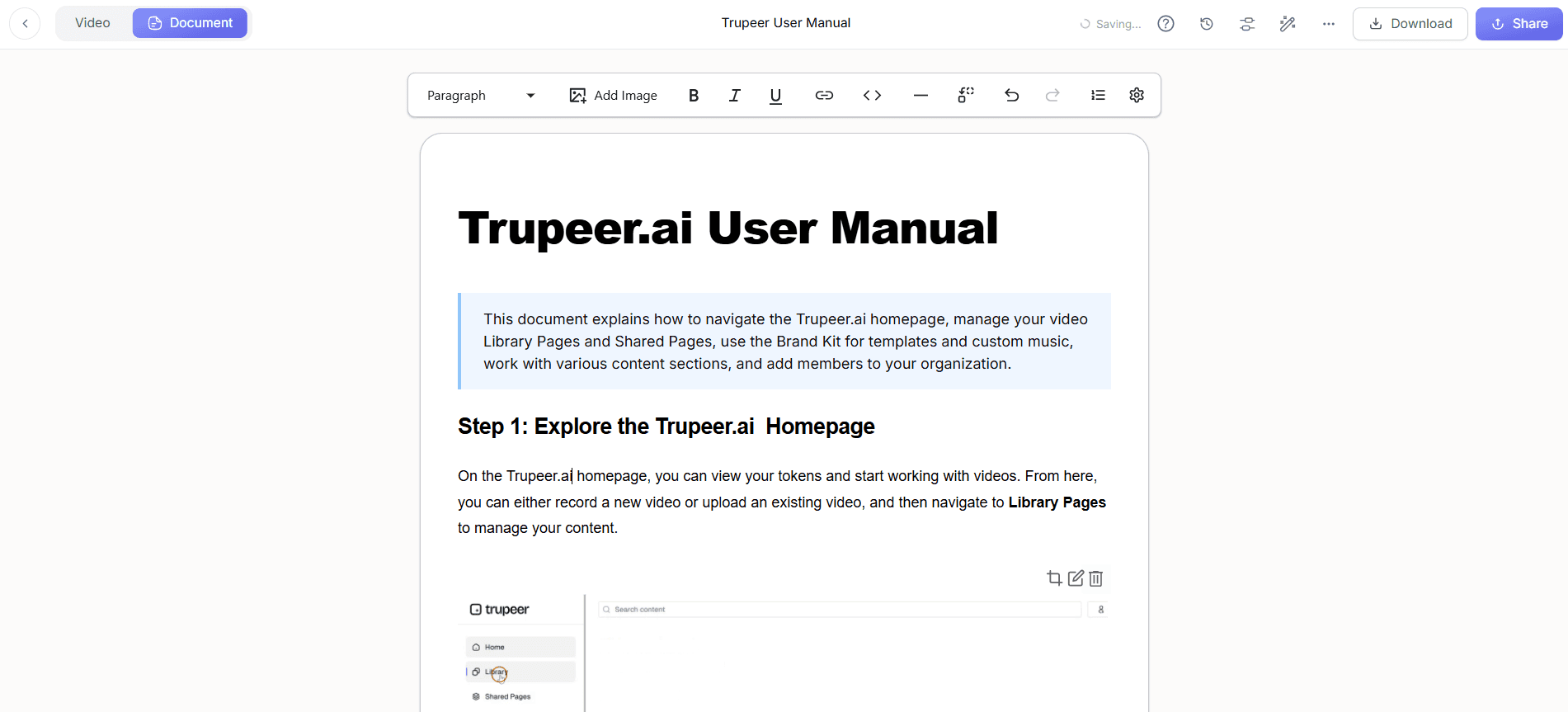
Step 2: Generate an initial SOP draft using automatic SOP generation
Once the recording is complete, use Trupeer's automatic SOP generation feature to create an edit-ready document from your recording. This feature transforms the recorded video into a structured SOP document, saving significant time compared to manual transcription. Navigate to the 'Generate SOP' option in the Trupeer dashboard, select your recording, and let the AI process the content. It typically takes a few minutes to generate a draft, which you can then review and refine. This step ensures that the digitized SOP reflects the actual process accurately, ready for further editing and prioritization.
Step 3: Edit and enhance SOPs with automatic filler-word removal
With your draft SOP ready, refine it using Trupeer's automatic filler-word removal feature. This tool cleans up the audio by removing filler words like "um" and "ah," and long pauses. Access this feature in the editing panel and apply it to your SOP recording. The process is swift, usually under a minute, and results in a more professional and concise audio guide. Editing enhances the clarity of the SOP, making it easier for team members to follow without unnecessary distractions.
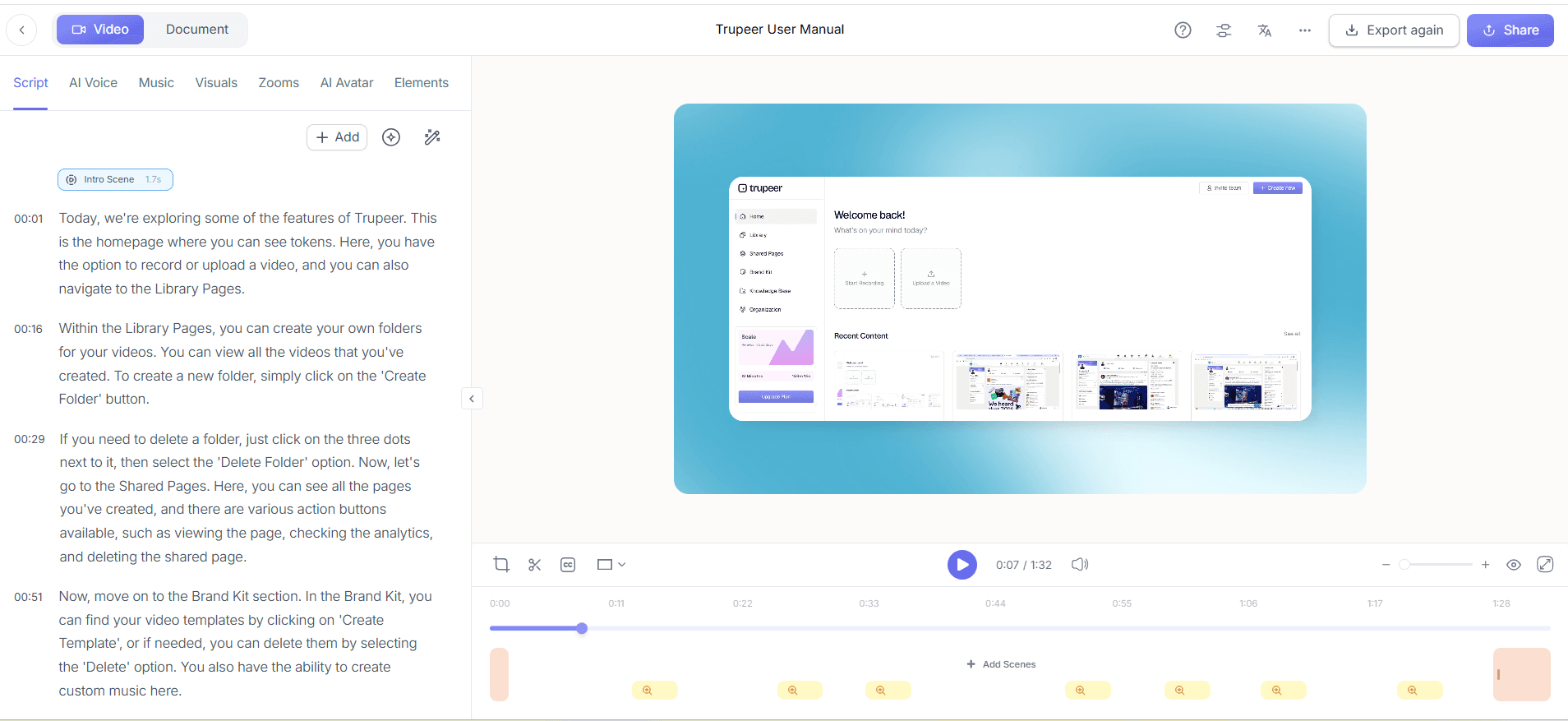
Step 4: Localize SOPs with AI translation and dubbing
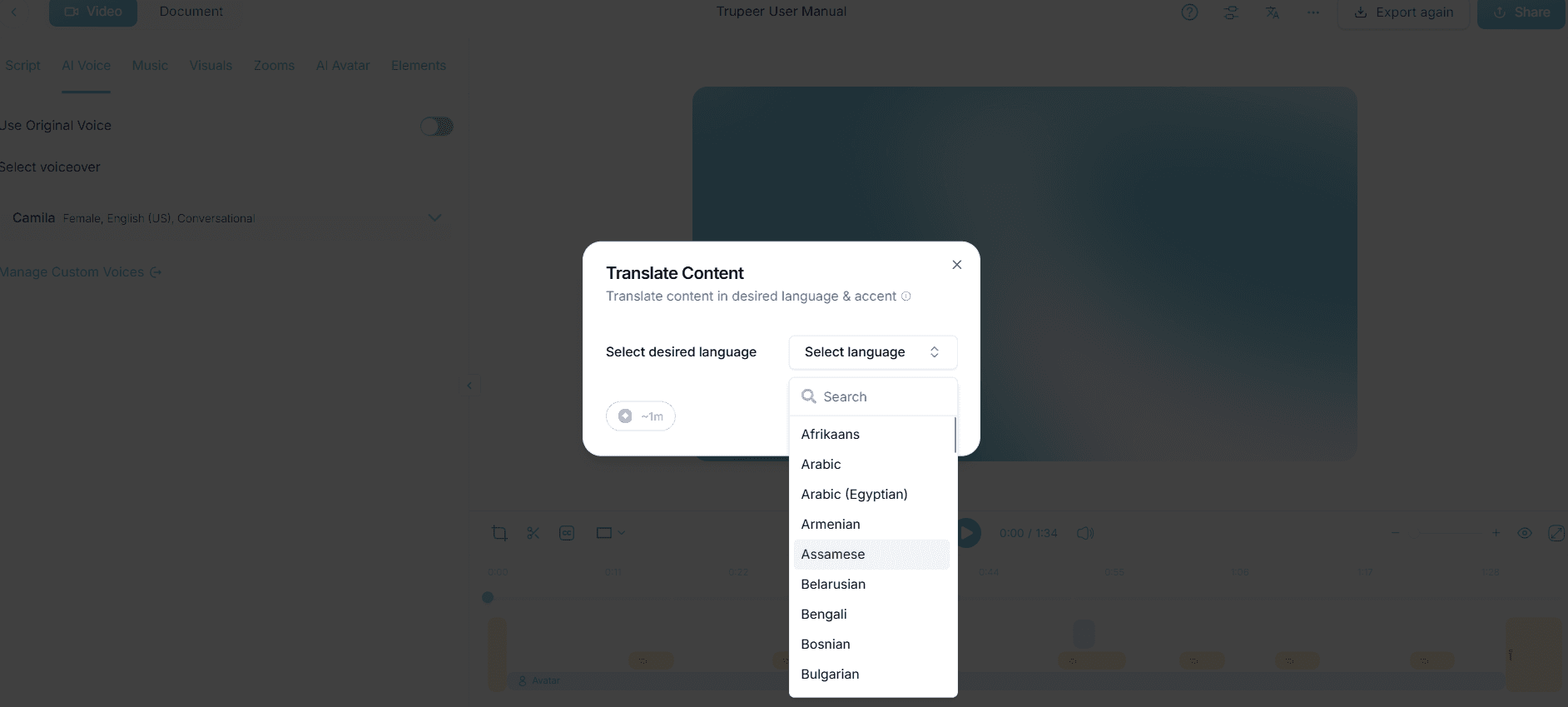
If your organization operates globally, localizing SOPs is essential. Use Trupeer's AI translation into 40+ languages with lip-sync and AI dubbing for non-English audiences. Select the 'Translate' option from the export menu, choose the desired language, and let Trupeer handle the rest. The translation process, including dubbing, generally takes a few minutes per SOP. This step ensures that all team members, regardless of language, have access to the same information, facilitating consistency and compliance across different regions.
Step 5: Distribute SOPs via custom-domain hosting
After editing and localizing your SOPs, distribute them using Trupeer's custom-domain hosting with SSO. This feature allows you to host your SOPs on a dedicated portal, accessible only to authorized users. Set up your custom domain in the Trupeer platform, upload your digitized SOPs, and configure user access through Single Sign-On. This method of distribution not only enhances security but also makes it easy for team members to access the latest SOPs from anywhere, ensuring they have the most current information at their fingertips. Teams weighing tools often start with a Loom alternatives comparison before standardizing on a workflow.
Step 6: Analyze SOP usage with viewer engagement analytics
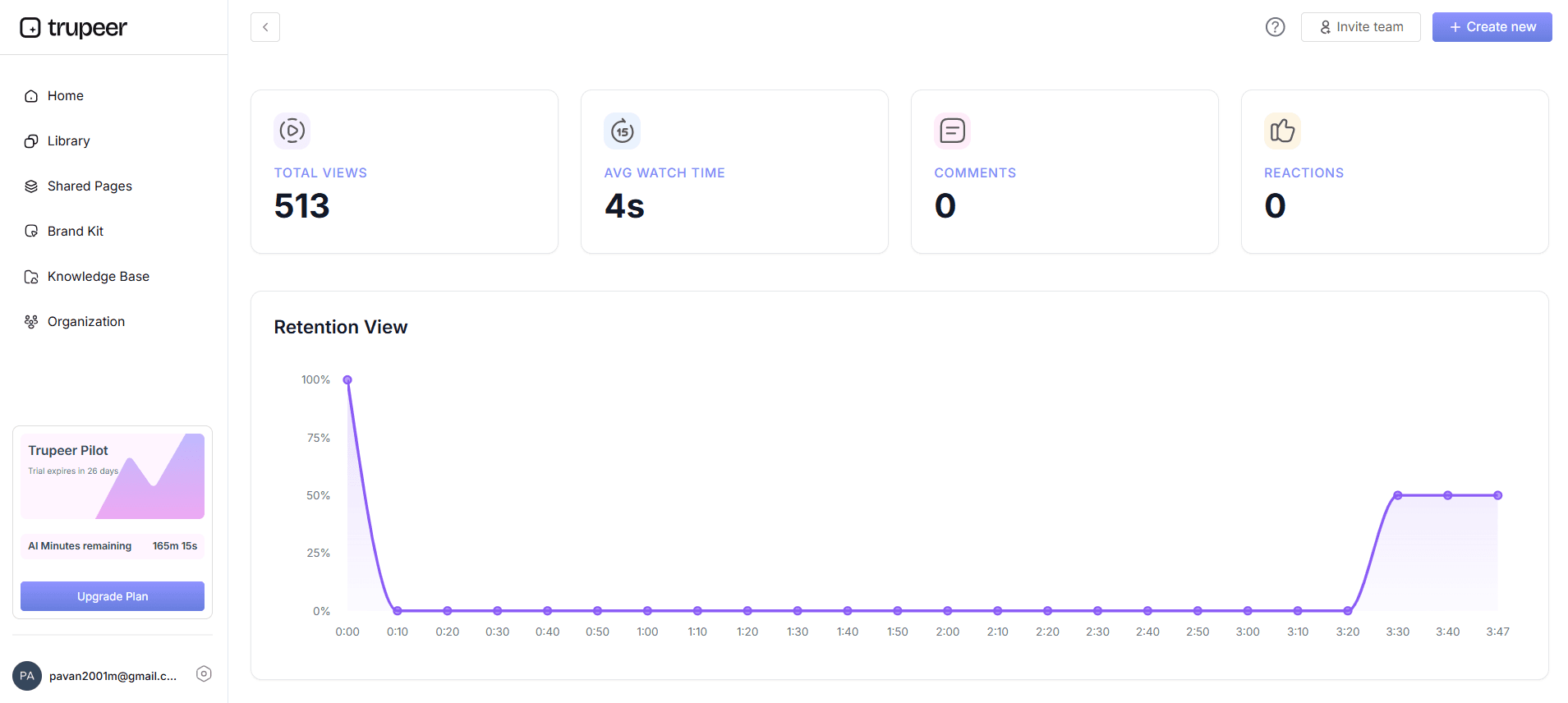
Finally, use Trupeer's viewer engagement analytics to understand how team members interact with the digitized SOPs. Access the analytics dashboard to review metrics such as drop-off rates and heatmaps, which highlight which sections of the SOPs are most and least engaged with. This data helps prioritize future SOP updates and identify areas where additional training might be needed. Typically, reviewing analytics can be done weekly or monthly, depending on the volume of SOPs and the size of the team. This step closes the loop, ensuring continuous improvement in your SOP management strategy.
What tips help you audit and prioritize SOP digitization?
Prioritizing which SOPs to digitize requires strategic planning and consideration of various factors. Here are some practical tips to guide you through this process:
Assess SOP impact and frequency. Focus on SOPs that are used frequently or have a high impact on operations. These are often the best candidates for digitization.
Evaluate current pain points. Identify SOPs that cause confusion or errors. Digitizing these can significantly improve efficiency and accuracy.
Consider compliance requirements. Prioritize SOPs tied to regulatory compliance. Digital SOPs facilitate easier updates and audits.
use AI tools for efficiency. Use an AI tool create update documentation automatically to simplify the digitization process.
Standardize format and style. Ensure all SOPs follow a consistent format for easy understanding and accessibility.
Engage stakeholders early. Gather input from key stakeholders to understand which SOPs are most critical to their workflows.
Plan for continuous updates. Establish a schedule for regular reviews and updates to keep SOPs current as processes evolve.
Frequently asked questions
How do you determine which SOPs to digitize first?
To determine which SOPs to digitize first, prioritize those with the highest frequency of use and greatest impact on operations. Start by auditing your existing SOPs to identify which ones are critical to daily operations and which are linked to compliance or high-error rates. Engaging with department leads to understand their specific challenges can provide valuable insights into which SOPs to prioritize. Use Trupeer's features to capture and analyze these SOPs efficiently, ensuring that you focus resources on areas that will yield the greatest improvement in efficiency and compliance.
What challenges might you face when digitizing SOPs?
Challenges in digitizing SOPs include resistance to change, data security concerns, and maintaining consistency across documents. Employees may be hesitant to adopt new digital tools, so effective change management is crucial. Ensuring data security is paramount, as digital SOPs must be protected from unauthorized access. also, maintaining a consistent format and style across digitized SOPs can be challenging but is essential for clarity and usability. Using tools like Trupeer can help overcome these challenges by providing secure, easy-to-use platforms for SOP digitization and management.
Can digital SOPs improve compliance?
Yes, digital SOPs significantly enhance compliance by providing easy access to up-to-date procedures and creating an audit trail. They allow for quick updates to meet changing regulatory requirements, ensuring that all team members have the latest information. Digital formats make it easier to track revisions and access historical data during audits. By using features like Trupeer's AI video translation, organizations can also ensure that compliance documents are available in multiple languages, further supporting global compliance efforts.
Why is it important to keep SOPs updated?
Keeping SOPs updated is vital to ensure operational efficiency, compliance, and safety. Outdated SOPs can lead to errors, inefficiencies, and regulatory non-compliance. Regularly reviewing and updating SOPs ensures that all processes reflect the current best practices and regulatory requirements. This is especially important in fast-paced industries where procedures can change rapidly. Using tools like Trupeer's automatic SOP generation and update features helps maintain up-to-date documentation, reducing the risk of errors and improving overall organizational performance.
Does Trupeer support SOP localization?
Yes, Trupeer supports SOP localization through its AI translation and dubbing features. These tools enable the translation of SOPs into over 40 languages, complete with lip-sync, making them accessible to non-English-speaking team members. This capability is crucial for global organizations that need to ensure consistent adherence to procedures across different regions. By providing localized SOPs, Trupeer helps organizations maintain compliance and operational consistency worldwide, allowing teams to access and understand procedures in their native language.
How do you standardize documentation when every department writes its own policies?
Start by auditing what exists, then standardize the format as you rebuild. Trupeer AI lets every team generate documentation the same way from a recording into a consistent template so a sprawling set of department-specific policies becomes one uniform, searchable library.
Powiązane blogi