Trupeer Blog
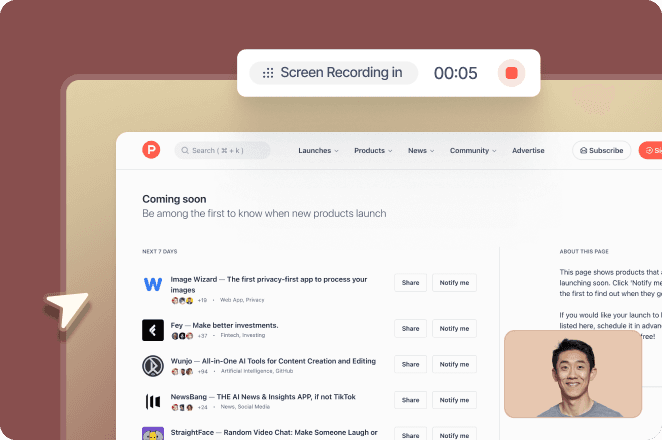
Imagine you're a SaaS company aiming to expand your market reach by partnering with other businesses. You want your partners to have the freedom to present your software as if it were their own, with complete branding control. That's where white-label documentation comes in. It's not just about slapping a logo on existing material; it requires a strategic approach to create smooth and personalized user experiences. A recent study revealed that
72% of users prefer consistent branding across platforms
, highlighting the importance of well-executed white-label solutions. For SaaS companies, this doesn't just mean providing excellent software, but also delivering adaptable documentation that partners can tailor to their own brand voice and visual identity. This is crucial for maintaining brand integrity and ensuring customer satisfaction. The stakes are high: if partners can't easily integrate your documentation, they may switch to a competitor offering better customization. So, how do you balance the need for comprehensive documentation with the flexibility your partners demand?, we'll explore the strategic elements necessary to implement effective white-label documentation, helping you boost partner satisfaction and user engagement. For those interested in intelligent solutions, an AI documentation generator can be a big shift in this process.
Why does white-label documentation matter?
White-label documentation is essential for SaaS companies that want to expand their offerings through partnerships. In a competitive SaaS marketplace, partners need more than just a product; they require resources that can be smoothly integrated into their own branding and user experience. Without this, even the most innovative SaaS solution can fall short of its potential, as partners may face challenges in aligning the product with their brand. This is especially true for SaaS companies targeting diverse sectors, where each partner might have unique branding needs. Effective white-label documentation allows these companies to offer a consistent and flexible user experience, which is critical for maintaining partner relationships and expanding market reach.
The implications extend beyond branding. White-label documentation also impacts operational efficiency and user satisfaction. When partners have access to documentation that aligns with their brand, they can deploy solutions more quickly and effectively. This reduces the time spent on training and onboarding, allowing for faster market penetration. In fact, a simplified operations workflow can mean the difference between a successful partnership and a lost opportunity. It also enhances the end-user experience, as customers are less likely to encounter inconsistencies or confusion when engaging with the product. As a result, well-executed white-label documentation isn't just a nice-to-have; it's a critical component of a successful SaaS strategy.
What are the benefits of white-label documentation?
White-label documentation offers several tangible benefits for SaaS companies and their partners. From improved branding consistency to enhanced operational efficiency, the advantages are significant.
Brand Consistency. White-label documentation ensures that all materials align with the partner's brand identity, creating a cohesive user experience. This boosts customer trust and loyalty as users experience consistent messaging.
Faster Time to Market. By providing partners with customizable documentation, SaaS companies can help them deploy solutions more quickly. This reduces the time needed for adaptation and accelerates market entry, crucial during peak periods like a saas black friday sale 2025.
Reduced Support Costs. When partners have access to comprehensive, branded documentation, they can solve common issues independently. This decreases the demand on your support team and allows you to allocate resources more efficiently.
Enhanced Partner Relationships. Offering customizable documentation demonstrates your commitment to partner success. This strengthens relationships and builds long-term collaboration, vital for sustained growth.
Increased Customer Satisfaction. Consistent and branded documentation allows users to navigate and understand the product more easily, leading to a better overall experience and reduced churn rates.
Scalability. With a video generation platform, you can easily scale documentation efforts as your partner network grows, ensuring that all materials remain up-to-date and relevant.
Which Trupeer features help you implement a white-label documentation strategy?
Trupeer offers a range of features that can significantly aid in implementing a successful white-label documentation strategy. These tools allow for smooth integration and customization, ensuring your partners have the resources they need.
Automatic SOP Generation
Trupeer's automatic SOP generation feature is a powerful tool for creating white-label documentation. It enables you to generate standard operating procedures directly from any recording. This edit-ready and exportable format allows partners to easily customize the documentation to meet their branding needs. By using this feature, you can help partners reduce the time and effort required to create documentation from scratch, ensuring consistency and accuracy. This capability is especially useful for partners who need to quickly adapt documentation to align with their brand's voice and style.
Brand Kits and Branded Templates
Trupeer's brand kits and branded templates provide partners with the tools they need to maintain a consistent visual style. Partners can use these templates to create documentation that aligns with their brand guidelines, ensuring a cohesive user experience. This feature supports the creation of documentation that reflects the partner's unique identity, allowing for greater personalization and engagement. By offering pre-designed templates, Trupeer helps partners save time and simplify the documentation process, making it easier for them to integrate your product into their offerings.
AI-Searchable Knowledge Base
With Trupeer's AI-searchable knowledge base, partners can easily access and search through extensive documentation libraries. This feature indexes every recording with timestamp-level deep links, allowing for quick retrieval of relevant information. By providing partners with this capability, you enable them to find answers and resources efficiently, reducing support requests and improving user satisfaction. The searchable knowledge base also facilitates continuous learning and improvement, making it an invaluable asset for partners looking to enhance their product offerings.
Automatic Filler-Word Removal
Trupeer's automatic filler-word removal feature enhances the clarity and professionalism of your documentation. By eliminating unnecessary pauses and filler words, this tool ensures that recordings are concise and focused. This is particularly beneficial for partners who want to present polished and professional content to their users. By improving the quality of the documentation, you help partners convey their messages more effectively, enhancing the overall user experience.
AI Voiceover and Translation
Trupeer's AI voiceover capabilities allow partners to customize the audio aspect of their documentation. With over 65+ natural voices and adjustable pace and tone, partners can create content that aligns with their brand's voice. also, the gitbook alternative saas documentation tool offers AI translation into 40+ languages, ensuring that partners can cater to a global audience. These features reduce language barriers and enable partners to deliver consistent and accessible documentation to users worldwide.
How do you implement a white-label documentation strategy step by step with Trupeer?
Step 1: Record Your Screen
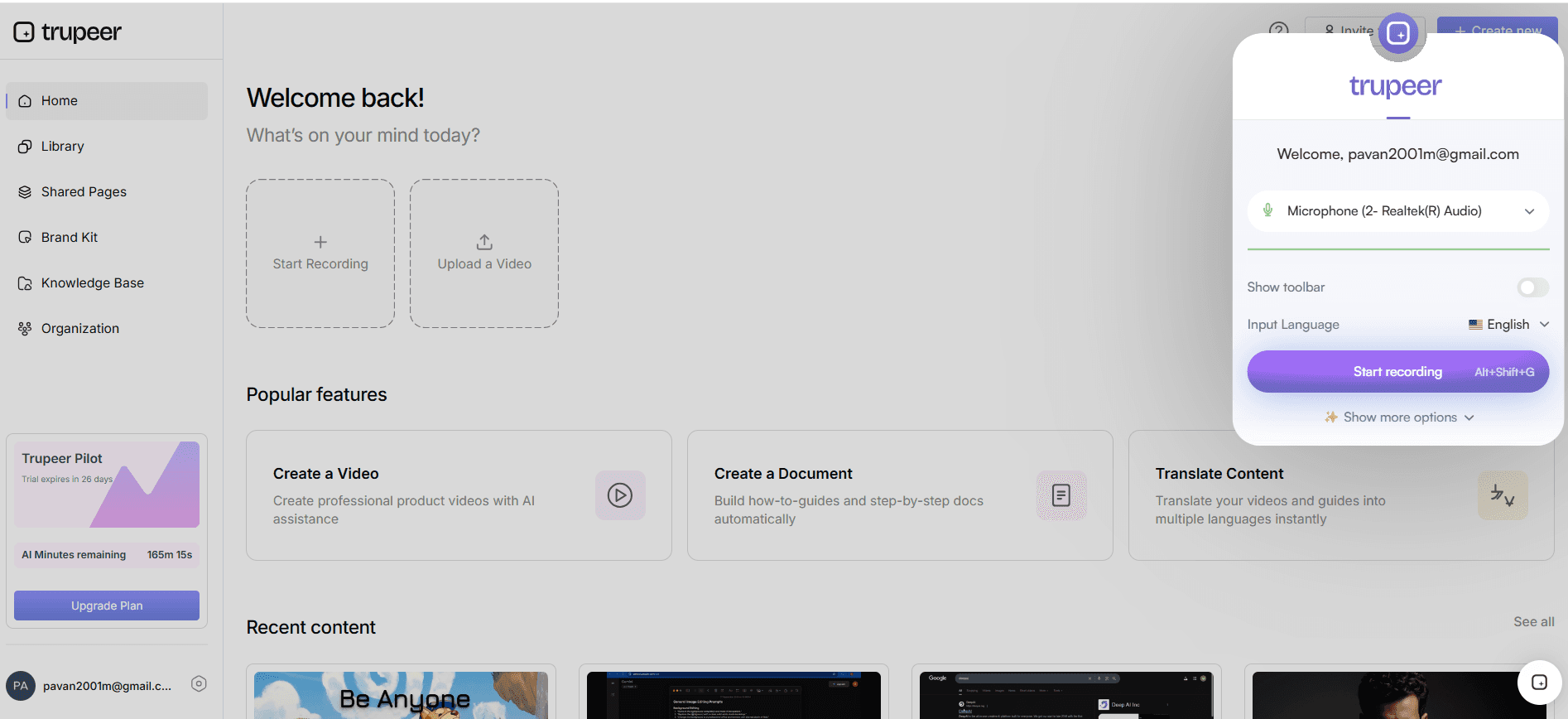
Start by using Trupeer's AI screen recording with auto-zoom and click detection. This feature allows you to capture detailed video guides without missing key actions on the screen. Once you initiate the recording from the browser-based recorder, Trupeer automatically detects and zooms into areas where user interactions occur. This ensures that all relevant details are captured and easily visible to viewers. The recording process is smooth, and you can stop the recording at any time. It's perfect for creating step-by-step guides tailored for your partners, and the whole process takes just a few minutes depending on the complexity of the task being recorded.
Step 2: Enhance the Recording
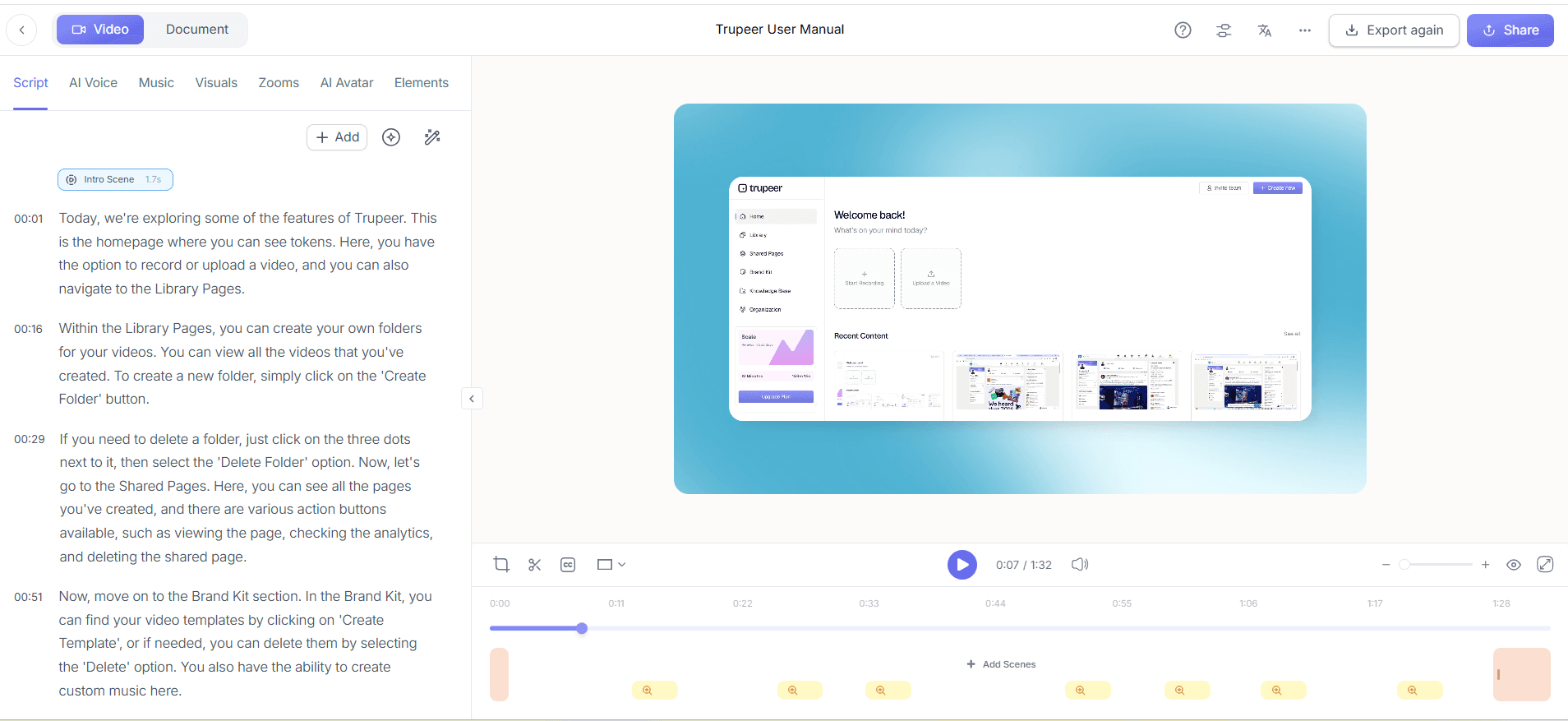
After capturing your screen, use Trupeer's automatic filler-word removal to refine the video. This feature eliminates unnecessary "um" and "ah" sounds, resulting in a cleaner and more professional presentation. Simply select the recorded video and enable the filler-word removal option. Trupeer processes the video quickly, typically in less than a minute, delivering a polished output that's ready for further customization. This step is crucial for maintaining a professional tone and ensuring that your partners receive top-quality content that reflects well on their brand.
Step 3: Add AI Voiceover
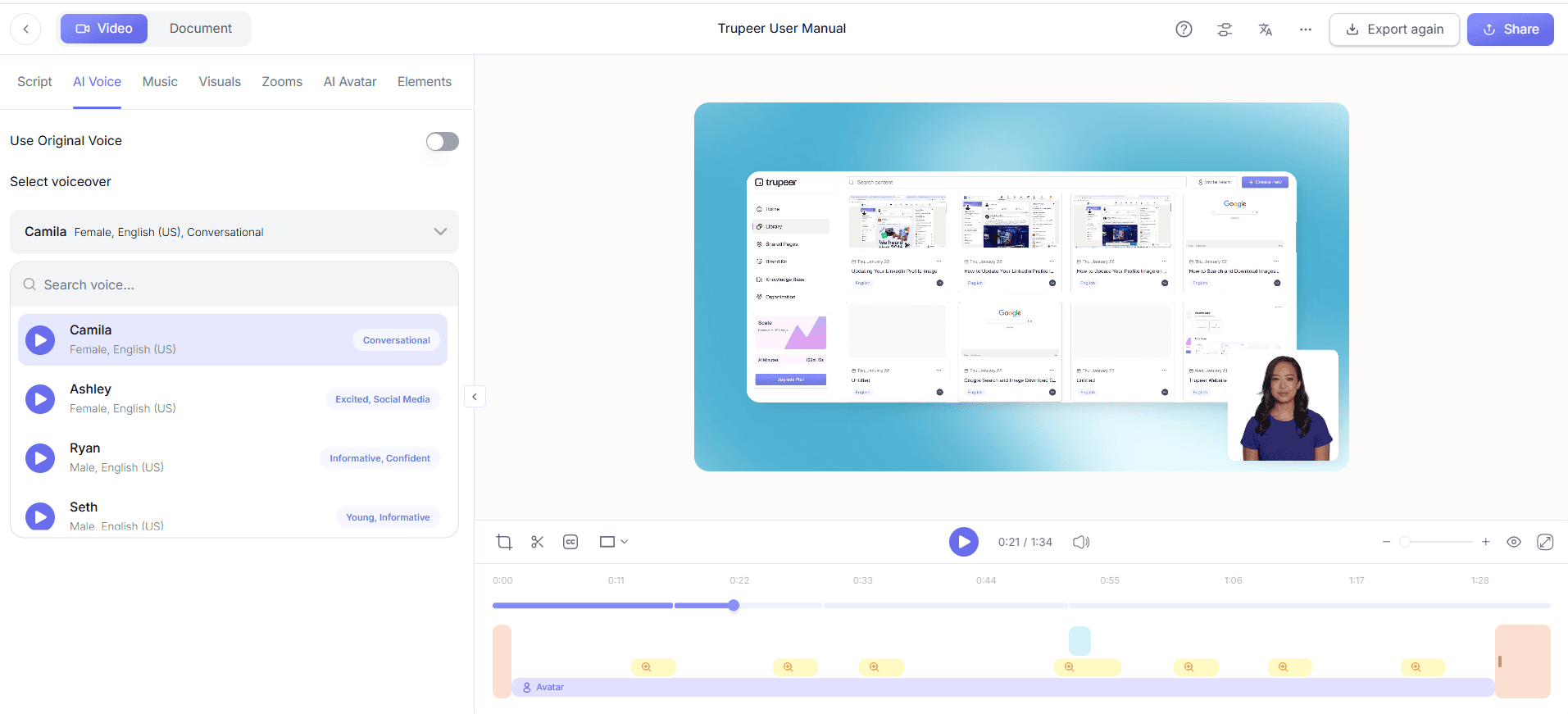
Next, apply Trupeer's AI voiceover feature to add narration to your video. Choose from over 65+ natural voices and adjust the pace and tone to match your brand's style. To do this, upload your script or enter it directly into Trupeer's interface, then select your preferred voice options. Trupeer generates the voiceover within a few minutes, adding a layer of personalization that enhances the viewer experience. This feature is particularly beneficial for partners who need consistent branding across different languages, as Trupeer supports various language options.
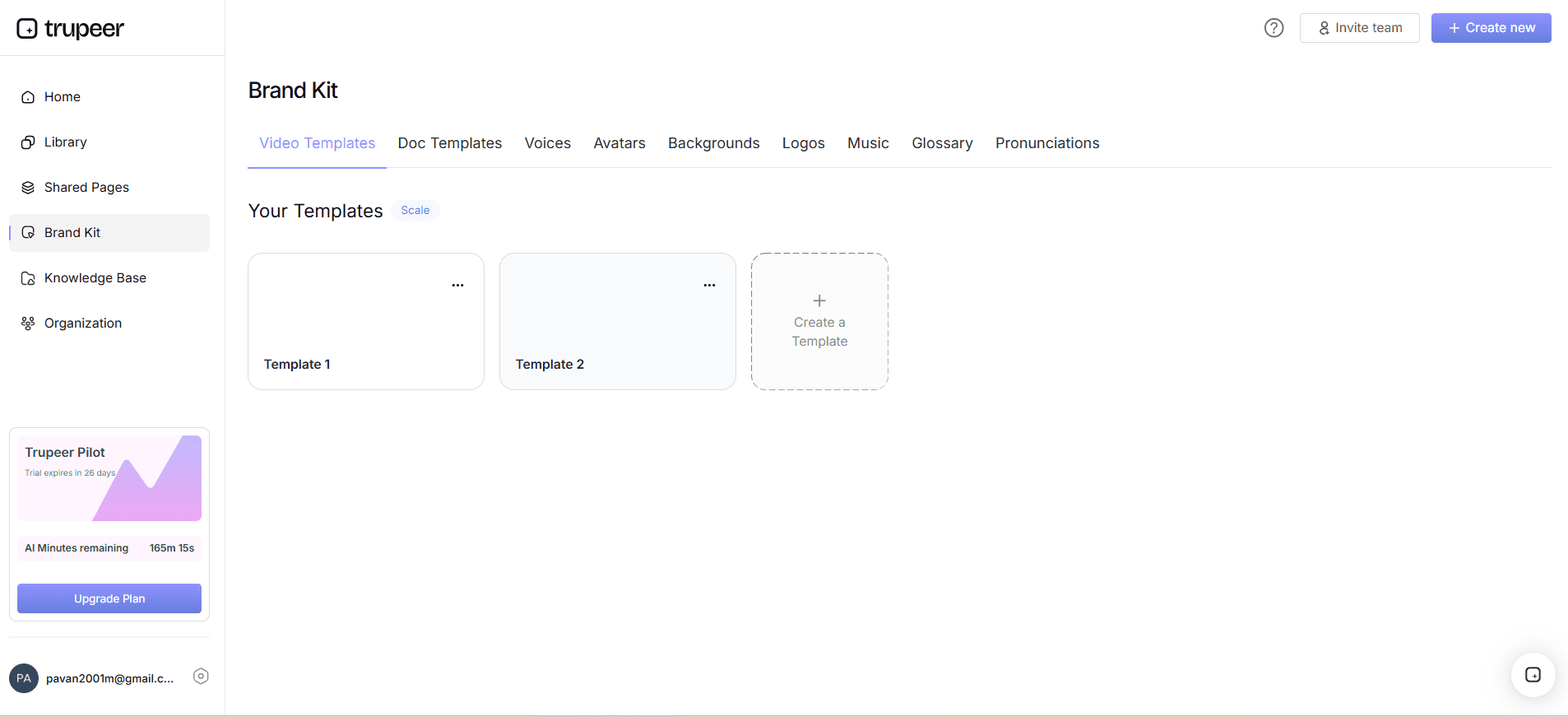
Step 4: Create Branded Templates
Use Trupeer's brand kits and branded templates to ensure that your documentation aligns with your partner's visual identity. Access the templates through Trupeer's dashboard and customize them with your partner's brand colors, logos, and fonts. This not only saves time but also ensures a consistent look and feel across all documentation materials. It's an essential step for partners aiming to integrate your SaaS solutions smoothly into their existing frameworks. The customization process is intuitive and can be completed in under an hour, depending on the level of detail required.
Step 5: Generate SOPs
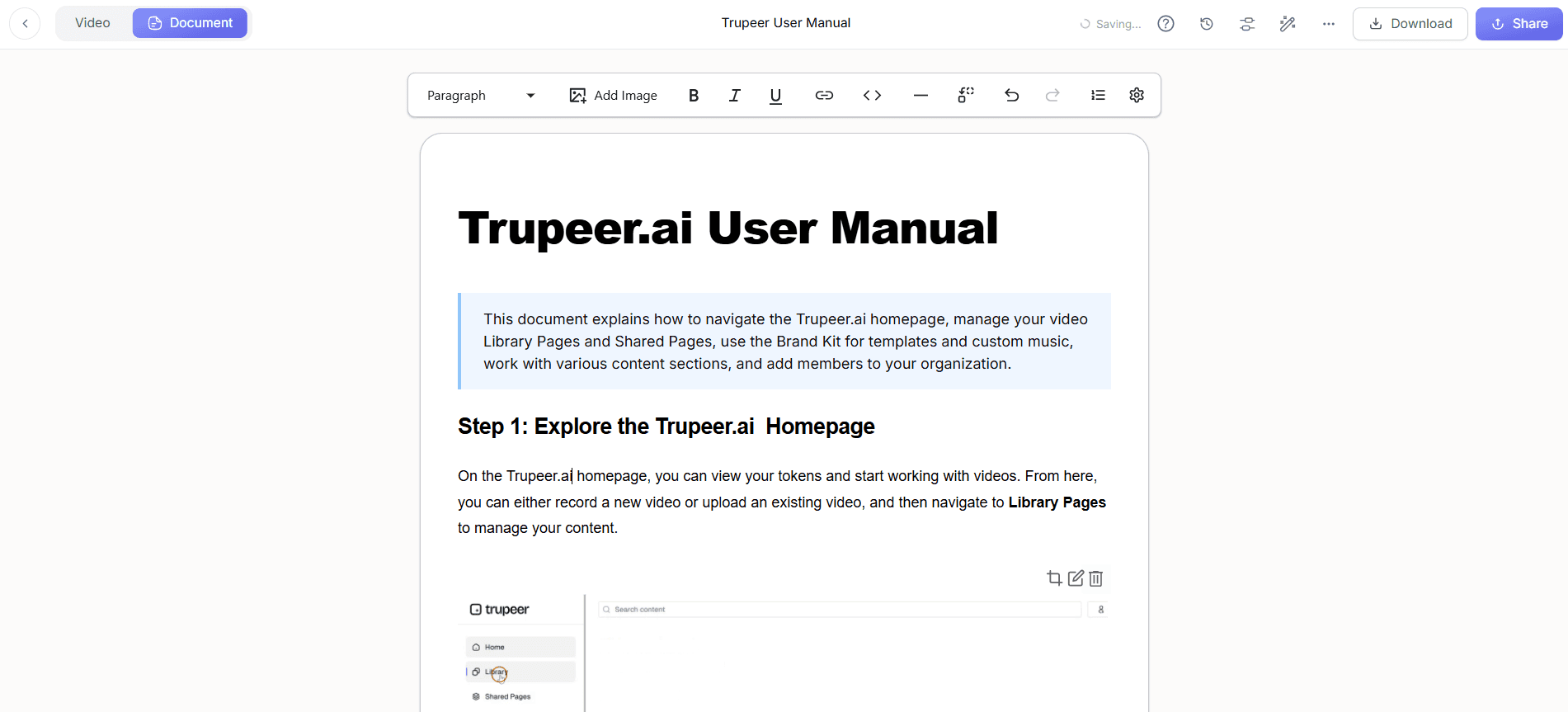
Use Trupeer's automatic SOP generation feature to create detailed operating procedures from your recordings. Select the recorded video, and Trupeer will automatically generate an SOP document that you can edit and export. This feature is particularly useful for partners who require detailed documentation without the time-consuming manual process. The generated SOPs are ready for review and customization, allowing partners to align them with their specific operational needs. This process is typically completed within minutes, making it a highly efficient tool for documentation.
Step 6: Distribute and Host Documentation
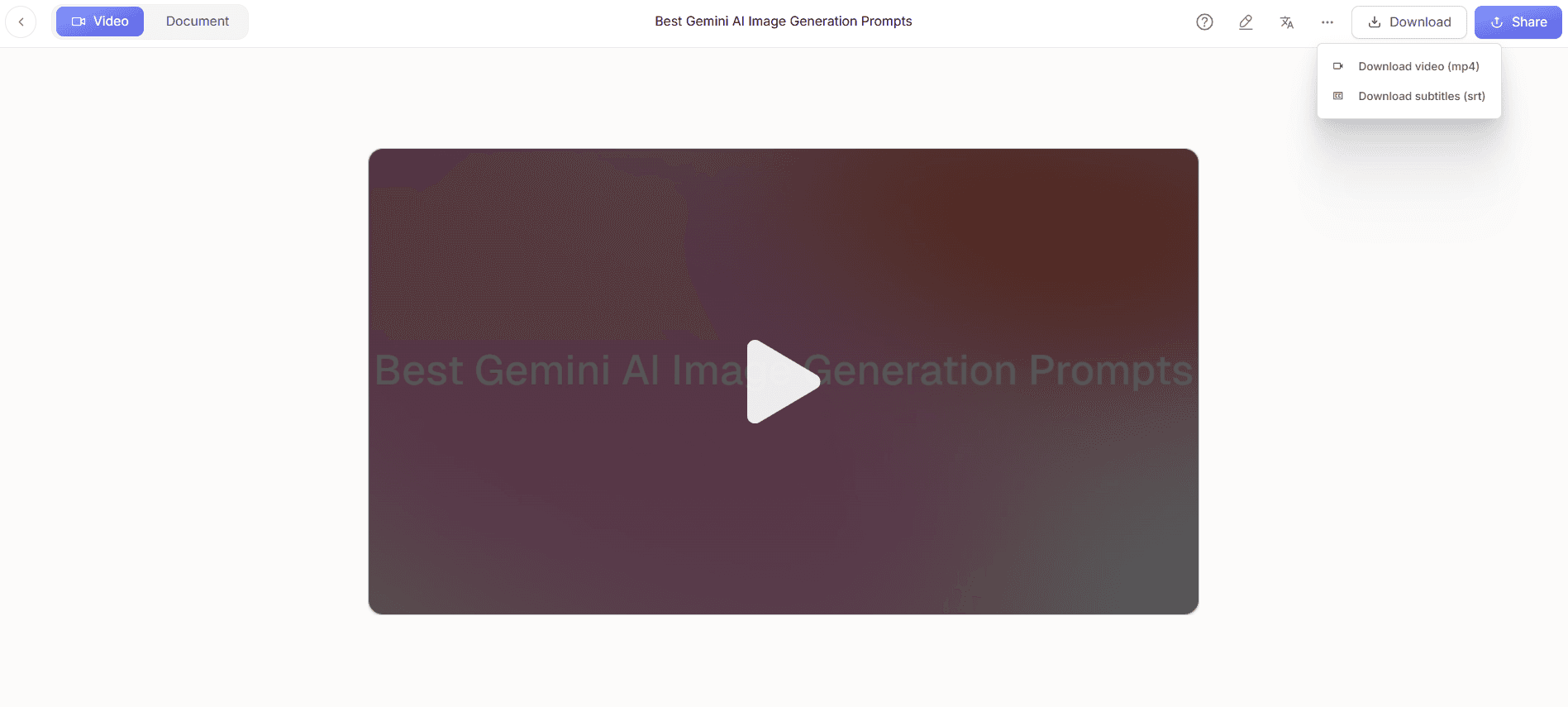
Finally, distribute your customized documentation using Trupeer's shared pages and client-facing portals. You can host the documentation on a custom domain with single sign-on (SSO) to ensure secure access for your partners. This step involves configuring the distribution settings within Trupeer's platform, which takes approximately 30 minutes. By providing easy access to documentation, you enhance the user experience and ensure that your partners have the resources they need at their fingertips. This approach not only boosts partner satisfaction but also simplifies the overall deployment process. Teams weighing tools often start with a Loom alternatives comparison before standardizing on a workflow.
What tips help you implement a white-label documentation strategy?
Crafting a successful white-label documentation strategy involves more than just using the right tools. Here are some practical tips to enhance your approach and deliver best results for your partners.
Standardize Terminology. Ensure consistency by using the same terminology across all documentation. This minimizes confusion and maintains clarity.
Incorporate Feedback Loops. Regularly solicit feedback from partners to refine the documentation. This helps you address their specific needs and improve resource relevance.
Use Visual Aids. Enhance understanding by incorporating diagrams and charts. These elements can simplify complex concepts and improve user engagement.
Maintain Version Control. Keep track of document versions to ensure partners always access the most updated information. This is crucial for accuracy and reliability.
Customize for Localization. Adapt documentation for different regions using localization tools. This broadens your reach and meets the diverse needs of global partners.
use AI Tools. use AI features for efficiency. Tools like a Scribe alternative comparison can automate tedious processes.
Document Regularly. Update documentation routinely to reflect changes in the product or service. This ensures relevance and utility for partners.
Frequently asked questions
How do I customize white-label documentation for different partners?
Customization involves aligning the documentation with each partner's brand identity. Use tools like Trupeer's branded templates to adjust colors, logos, and fonts according to the partner's guidelines. also, you can personalize content using AI voiceover features to match the partner's tone. This ensures that the documentation not only fits the partner's branding but also resonates with their audience. Partners can further tailor the content by editing auto-generated SOPs to include specific operational procedures, enhancing the documentation's relevance and effectiveness.
What are the challenges of white-label documentation?
One significant challenge is maintaining consistency while allowing for customization. Ensuring that all partners have access to up-to-date and accurate information can be difficult without a centralized system. Another challenge is meeting the unique requirements of each partner, which may vary widely. Overcoming these challenges requires solid tools that offer flexibility and scalability, such as Trupeer's AI features. Using a video localization tool can also help address language and cultural differences, making it easier to create documentation that meets diverse needs.
Why should SaaS companies invest in white-label documentation?
Investing in white-label documentation can significantly enhance partner satisfaction and customer experience. It allows partners to present your SaaS product as an integral part of their own offerings, building deeper collaboration. This approach also supports faster market entry and increased customer loyalty, as users benefit from a smooth brand experience. also, having a solid white-label strategy can distinguish your company from competitors by offering added value to partners. This ultimately leads to stronger partnerships and better business outcomes.
Can AI tools improve the white-label documentation process?
Yes, AI tools can greatly enhance the white-label documentation process by automating repetitive tasks and ensuring accuracy. Features like AI voiceover and translation simplify the creation of multilingual documentation, while automatic SOP generation speeds up the production of operational guides. These tools not only save time but also improve the quality of the documentation, making it more useful for partners. The integration of AI allows for quick updates and easy customization, ensuring that all partners have access to relevant and consistent information.
Does using white-label documentation affect user engagement?
Using white-label documentation positively impacts user engagement by providing a consistent and branded experience. When users interact with documentation that smoothly aligns with the partner's brand, it enhances trust and satisfaction. A well-integrated white-label solution reduces friction and confusion, leading to a more intuitive user experience. This can result in higher retention rates and increased customer loyalty, as users are more likely to return to a platform that offers a cohesive and personalized experience. Overall, white-label documentation supports stronger user connections and better engagement outcomes.
Gerelateerde blogs