Trupeer Blog
Resumir
Imagina que acabas de terminar una prometedora llamada de ventas empresariales. La reunión fue bien, pero sabes que mantener el impulso es crucial. Un vídeo de demostración para dejar tras la reunión puede marcar la diferencia entre un acuerdo que avanza y uno que se estanca. Este vídeo actúa como un recordatorio tangible del potencial de tu oferta, reforzando la conversación y manteniendo al comprador interesado. Según Gartner,
El 57% de la decisión de compra B2B se toma antes de que un comprador hable con un proveedor.
Esta estadística subraya la importancia de cada interacción, incluido el contenido posterior a la llamada. Tu vídeo de seguimiento debe ser un resumen conciso pero completo que aborde las necesidades específicas del cliente, reafirme el valor de tu solución y allane el camino para los siguientes pasos. Elaborar el vídeo adecuado requiere una cuidadosa consideración del contenido, el tono y el método de entrega para garantizar que conecte con las partes interesadas de todos los niveles. No es solo un resumen, es una herramienta estratégica en el arsenal de ventas. Los equipos que evalúan herramientas a menudo comienzan con una comparativa de alternativas a Loom antes de estandarizar un flujo de trabajo.
¿Por qué importan los vídeos de demostración para dejar tras las llamadas de ventas empresariales?
En las ventas empresariales, el ciclo de compra puede ser largo y complejo, e implicar a menudo a múltiples partes interesadas. Un vídeo de demostración para dejar tras la reunión sirve de puente entre la llamada comercial inicial y la decisión final. Mantiene viva la conversación y recuerda a los clientes potenciales el valor que ofrece tu solución. Estos vídeos son especialmente cruciales en flujos de trabajo de preventa, donde las decisiones no se toman de inmediato. Sin un seguimiento tangible, los detalles de tu llamada pueden desvanecerse rápidamente entre otras prioridades del cliente.
Además, los vídeos para dejar tras la reunión brindan la oportunidad de responder a cualquier pregunta o duda que haya surgido después de la llamada. Ofrecen una plataforma para profundizar en las funciones y beneficios que son más relevantes para las necesidades del cliente. Al presentar esta información de forma visual y auditiva, activas múltiples sentidos, lo que hace más probable que el mensaje se recuerde. Este aspecto es especialmente importante, ya que las distintas partes interesadas pueden tener preferencias diferentes a la hora de consumir información. Un vídeo bien elaborado puede adaptarse a esas preferencias, garantizando que tu mensaje conecte con todos.
¿Cuáles son los beneficios de los vídeos de demostración para dejar tras la reunión?
Los vídeos de demostración para dejar tras la reunión ofrecen varias ventajas estratégicas que pueden impactar significativamente en el proceso de ventas.
Mayor recuerdo. El contenido en vídeo ayuda a reforzar los puntos clave tratados durante la llamada comercial, mejorando la retención de la memoria. Usar un enfoque de crear un vídeo de demostración de producto garantiza que tu mensaje sea memorable.
Alineación de las partes interesadas. Los vídeos se pueden compartir fácilmente entre quienes toman decisiones, asegurando que todos estén en la misma página. Esto es especialmente útil en grandes organizaciones con procesos de decisión complejos.
Mensajería coherente. Un vídeo garantiza que la información transmitida sea coherente, reduciendo el riesgo de malentendidos que pueden producirse en los relatos verbales.
Mayor interacción. Los elementos visuales y de audio atractivos captan la atención con más eficacia que los documentos densos en texto, animando a las partes interesadas a interactuar plenamente con el contenido.
Información útil. Al analizar los datos de los espectadores de una plataforma de vídeo con IA, los equipos de ventas pueden obtener información sobre qué partes de la demo resultan más convincentes, lo que permite seguimientos más específicos.
Eficiencia de tiempo. Un vídeo pulido puede ahorrar tiempo tanto al equipo de ventas como al cliente, presentando una visión general concisa sin necesidad de reuniones largas.
¿Qué funciones de Trupeer te ayudan a crear vídeos de demostración para dejar tras la reunión eficaces?
Trupeer ofrece una serie de funciones que facilitan la creación de vídeos de demostración para dejar tras la reunión con impacto. Estas capacidades simplifican la creación, mejoran la calidad y garantizan que el vídeo se alinee con los objetivos de ventas empresariales.
Grabación de pantalla con IA con autozoom y detección de clics
Esta función permite capturas de vídeo precisas y atractivas. El autozoom resalta las acciones clave durante la demo, asegurando que los espectadores se centren en las partes más importantes de la presentación. La detección de clics añade otra capa de interactividad, guiando a los espectadores por el proceso como si lo estuvieran experimentando en directo. La herramienta para crear vídeos de demostración de producto puede ser especialmente útil para crear estos vídeos atractivos. Esta capacidad no solo mejora la experiencia de visualización, sino que también garantiza que las partes interesadas comprendan la funcionalidad que se está mostrando.
Grabación de pantalla sin sonido con narración automática de IA
Para los momentos en que la narración en directo no es posible, o cuando se prefiere una locución pulida, la IA de Trupeer puede generar automáticamente una narración con sonido profesional. Esto garantiza que cada vídeo de demo mantenga una alta calidad, incluso cuando se graba sobre la marcha. Con más de 65 voces naturales entre las que elegir, puedes ajustar el tono y el ritmo para que se adapten a la voz de tu marca, creando una experiencia coherente. Esta función es muy valiosa para los equipos que buscan mantener la coherencia en varias grabaciones sin necesidad de un narrador dedicado.
Capítulos automáticos y detección de segmentos
Desglosar una demo en segmentos fáciles de digerir puede mejorar la comprensión y la retención por parte del espectador. Los capítulos automáticos y la detección de segmentos de Trupeer organizan automáticamente tu vídeo en secciones lógicas, facilitando a los espectadores navegar hasta las partes que más les interesan. Esta función reduce la necesidad de edición manual y garantiza que el producto final sea pulido y profesional. Además, permite una consulta rápida, de modo que los espectadores pueden volver a secciones concretas sin tener que ver el vídeo entero de nuevo.
Avatares de IA / vídeo con cabeza parlante
Incorporar avatares de IA en tus vídeos de demo puede añadir un toque personal, ayudando a humanizar el contenido y a atraer a los espectadores. La integración de Trupeer con HeyGen te permite crear avatares personalizados que pueden representar tu marca o incluso imitar a miembros reales del equipo. Esta función es especialmente útil para la documentación generada automáticamente, donde la coherencia visual es clave. Al usar avatares, te aseguras de que tus vídeos sean tanto informativos como visualmente atractivos, lo que ayuda a mantener el interés del espectador durante toda la demo.
Analíticas de interacción del espectador, abandono y mapas de calor
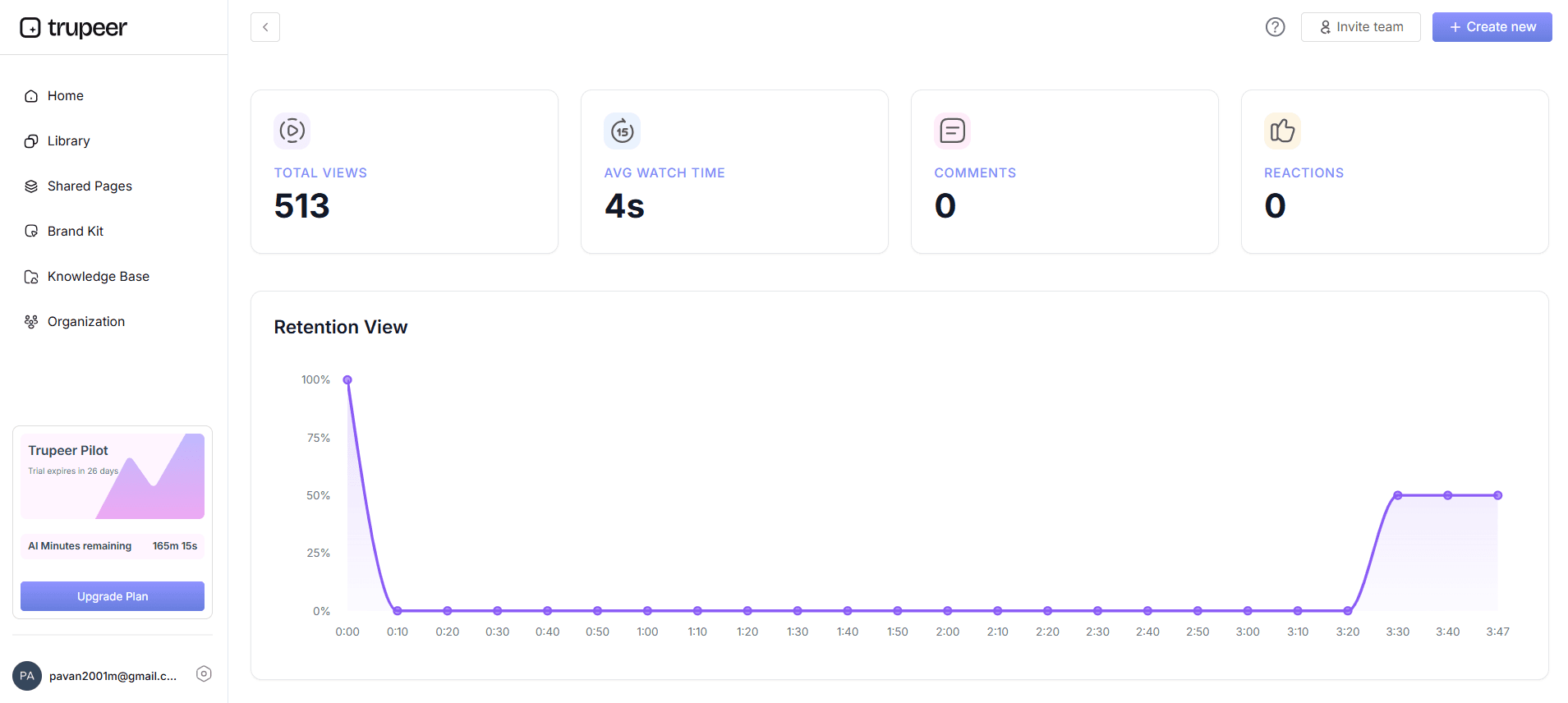
Comprender cómo interactúan los espectadores con tu vídeo de demo es crucial para perfeccionar tu enfoque. Trupeer proporciona analíticas detalladas sobre la interacción de los espectadores, incluida la parte en la que abandonan y qué secciones vuelven a ver. Estos datos pueden orientar la creación de futuros vídeos, ayudándote a centrarte en el contenido más convincente. Al usar estas ideas, puedes tomar decisiones informadas sobre qué incluir en futuras demos, garantizando que tus vídeos sigan satisfaciendo las necesidades de tu audiencia.
¿Cómo se crea paso a paso un vídeo de demostración para dejar tras la reunión con Trupeer?
Paso 1: Captura tu pantalla
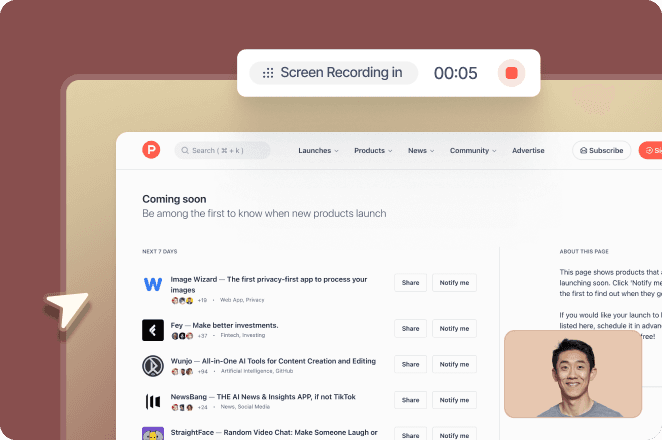
Empieza usando la grabación de pantalla con IA de Trupeer con autozoom y detección de clics. Abre la aplicación de Trupeer o el grabador basado en navegador y comienza una nueva sesión de grabación. A medida que navegas por tu demo, la IA de Trupeer ampliará automáticamente las áreas clave, asegurando que las acciones críticas queden resaltadas. La detección de clics garantiza que los espectadores puedan seguir tu demostración sin esfuerzo. El proceso de grabación de pantalla es sencillo y suele llevar el mismo tiempo que tu presentación en directo. Asegúrate de que tu pantalla esté libre de distracciones para mantener una apariencia profesional.
Paso 2: Añade narración con IA
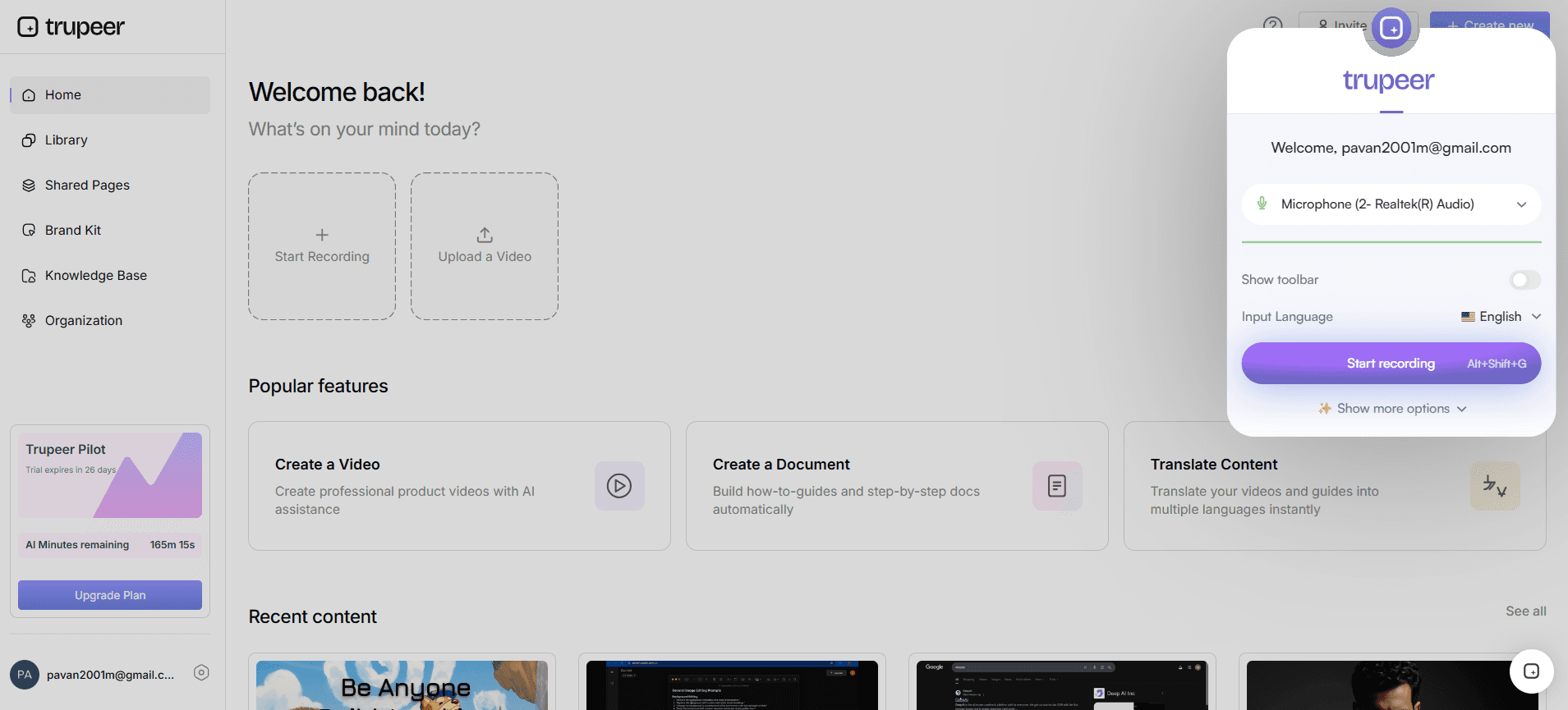
Una vez completada la grabación de pantalla, mejórala con la grabación de pantalla sin sonido de Trupeer con narración automática de IA. Elige entre más de 65 voces naturales para encontrar la que mejor se adapte al tono de tu marca. Ajusta el ritmo y el tono para garantizar claridad e interés. La IA de Trupeer lo hace automáticamente, tardando solo unos minutos en aplicar la narración a todo tu vídeo. Esta función es especialmente útil si necesitas producir varios vídeos rápidamente, ya que elimina la necesidad de una locución en directo, ahorrando tiempo y recursos. Guardar los resultados dentro de una base de conocimientos con búsqueda mediante IA hace que cada grabación se pueda encontrar por tema y marca de tiempo.
Paso 3: Organiza con capítulos automáticos
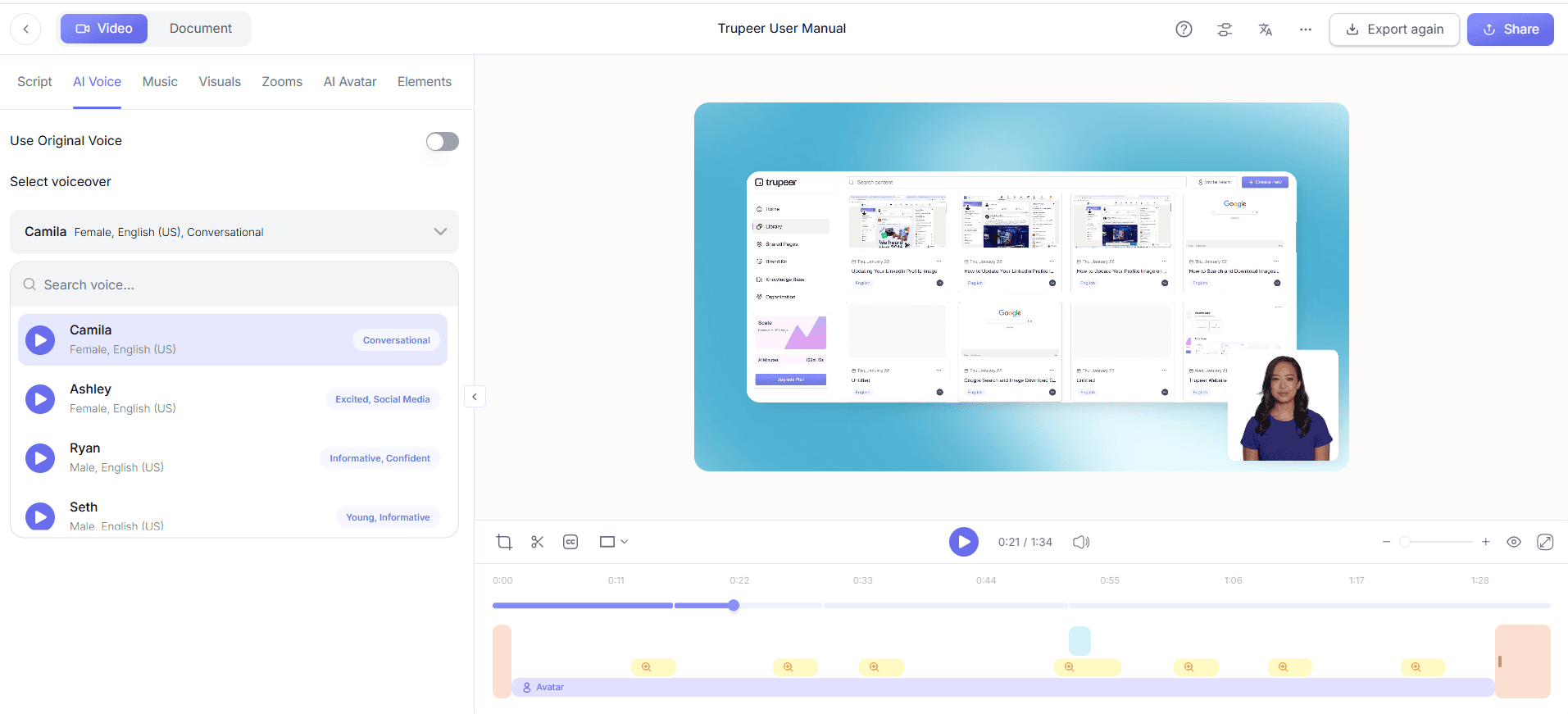
Después de añadir la narración, usa la función de capítulos automáticos y detección de segmentos. Trupeer analizará tu vídeo y lo dividirá automáticamente en secciones lógicas. Esta organización permite a los espectadores navegar fácilmente hasta las partes que más les interesen. Solo tienes que hacer clic en el botón "Capítulo automático" dentro de la interfaz de edición, y Trupeer segmentará tu vídeo en segundos. Esta función es especialmente beneficiosa si tu demo cubre varias funciones complejas, ya que ayuda a mantener la atención y la comprensión del espectador. Para una visión más profunda, nuestra guía sobre mejores prácticas de las demos de ventas cubre el manual relacionado.
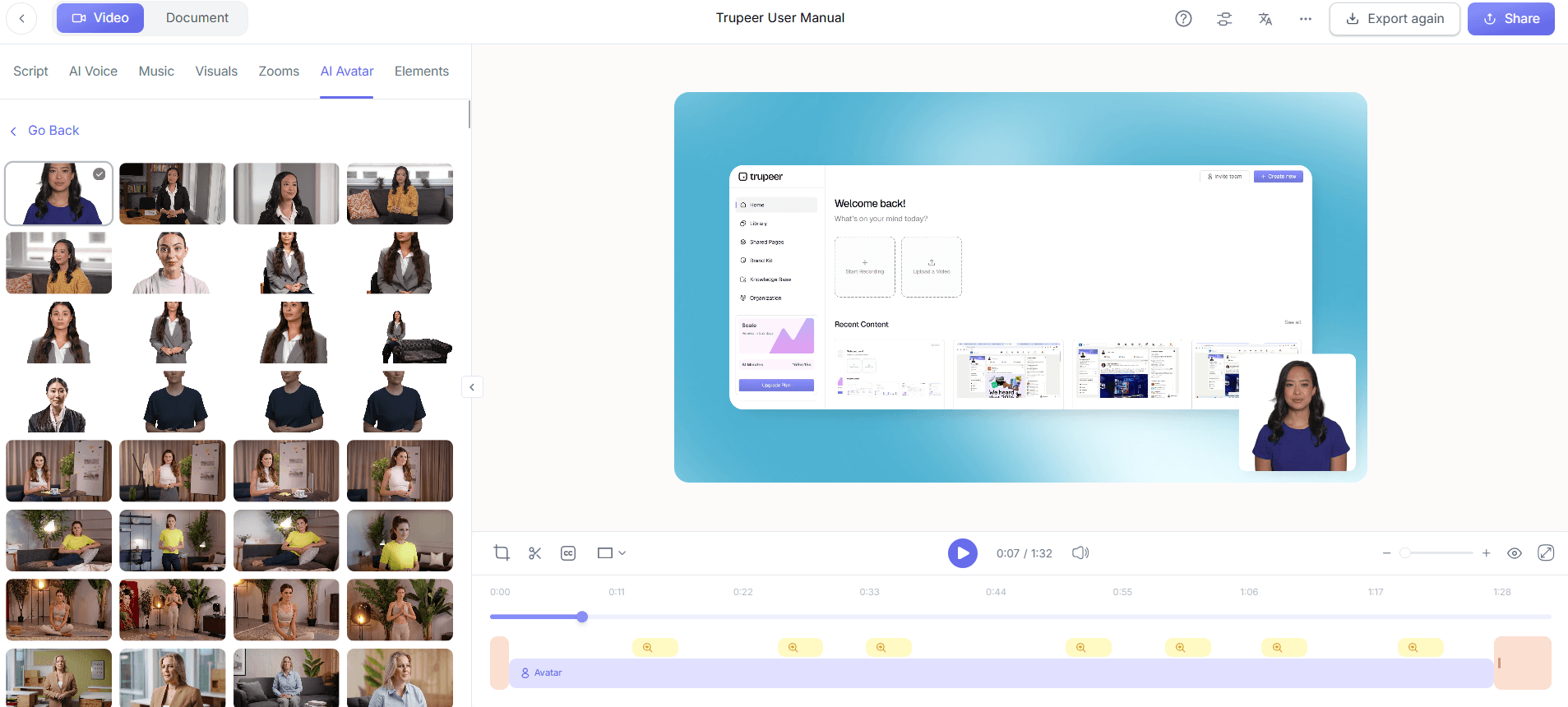
Paso 4: Personaliza con avatares de IA
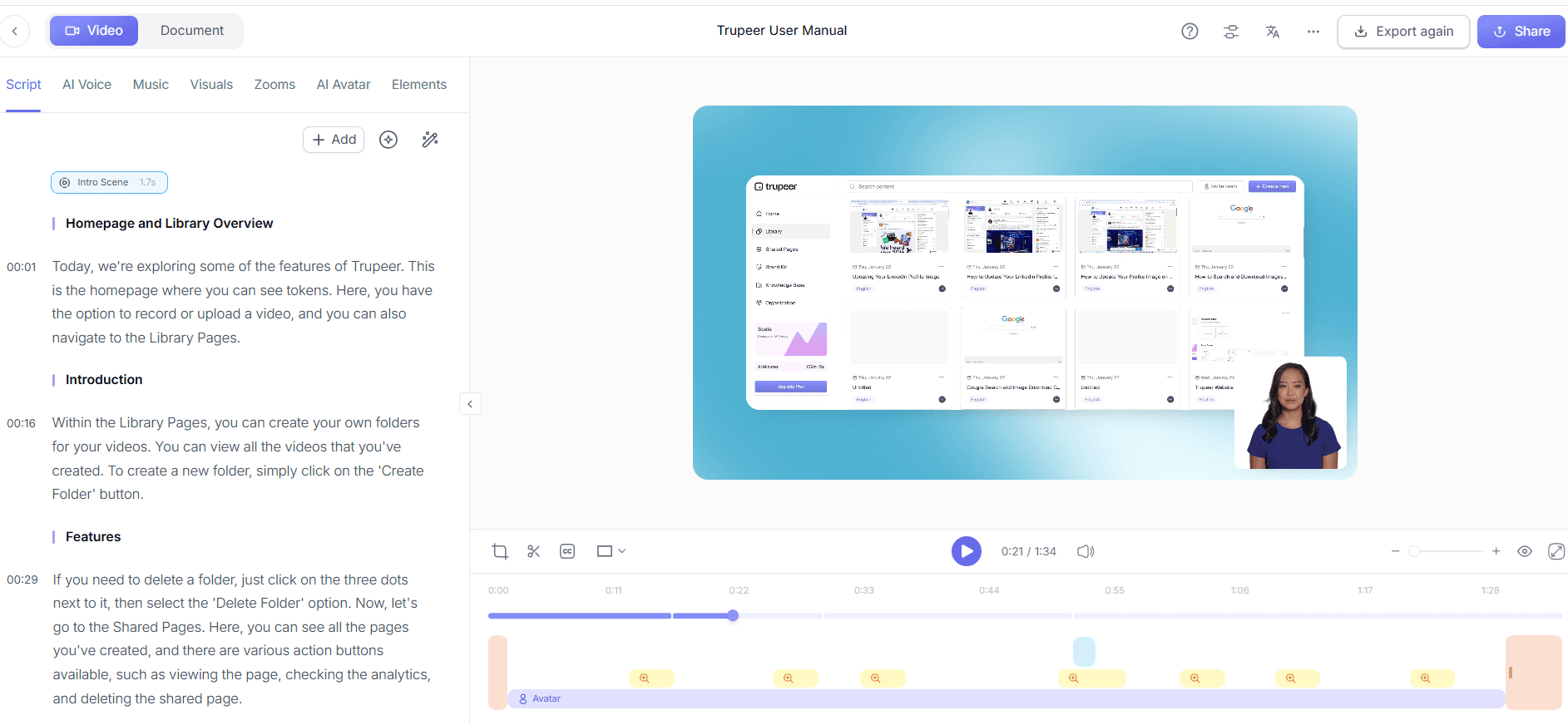
Mejora la conexión con el espectador incorporando avatares de IA o vídeos de cabeza parlante. Con la integración de HeyGen de Trupeer, puedes elegir entre una biblioteca estándar o crear avatares personalizados que se alineen con la imagen de tu empresa. Añade estos avatares para presentar secciones clave o proporcionar comentarios durante la demo. Este paso se puede completar en unos pocos clics, lo que te permite previsualizar y ajustar la apariencia y la posición del avatar. Personalizar tu vídeo con avatares ayuda a humanizar el contenido, haciéndolo más atractivo para los espectadores.
Paso 5: Exporta y comparte
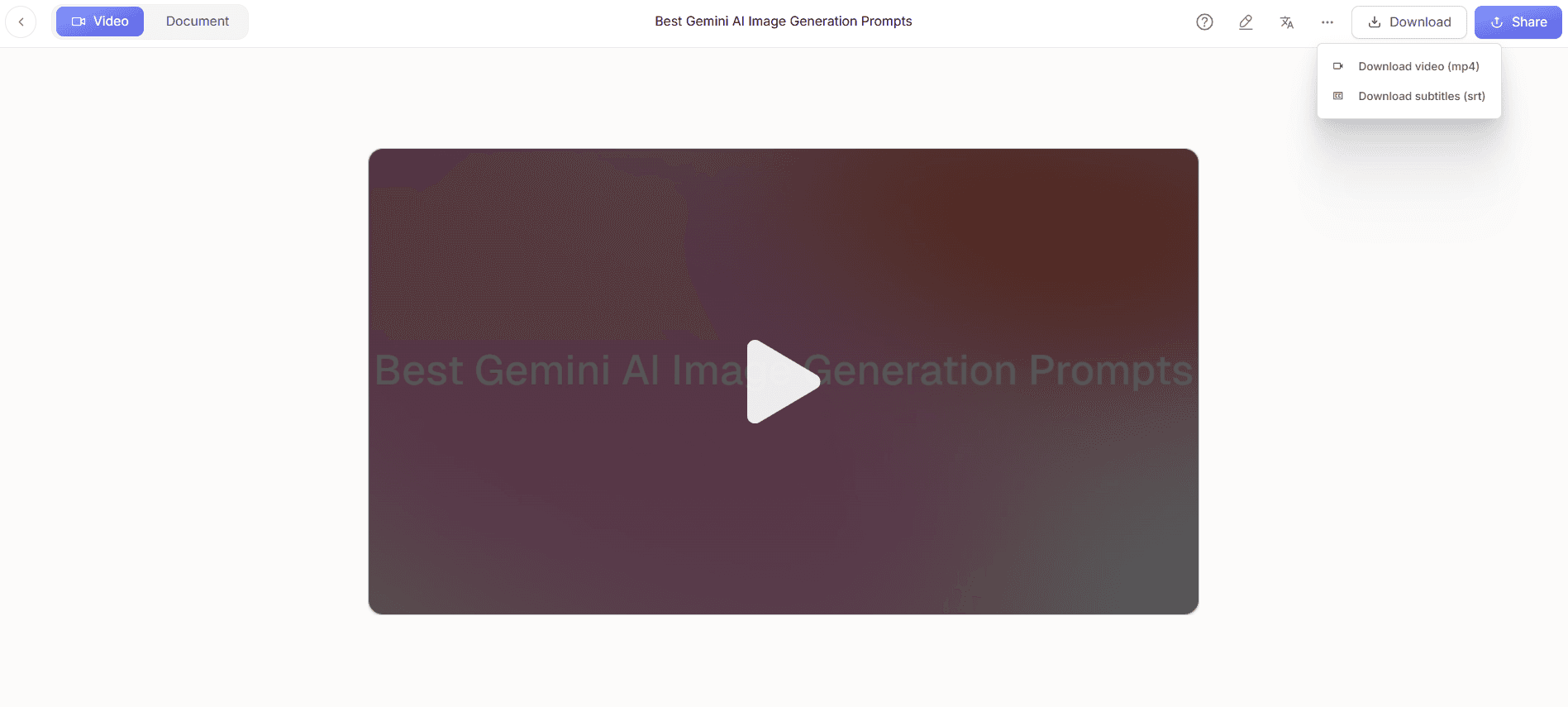
Una vez que tu vídeo esté completo, usa las opciones de exportación multiformato de Trupeer. Elige entre formatos MP4, HTML, PDF o SCORM según tus necesidades de distribución. Esta flexibilidad garantiza que tu vídeo se pueda acceder desde varias plataformas y dispositivos. Para presentaciones dirigidas a clientes, considera exportarlo como MP4 para compartirlo fácilmente. El proceso de exportación es rápido, por lo general solo tarda unos minutos, lo que te permite distribuir tu vídeo de demostración para dejar tras la reunión con prontitud. Este paso garantiza que tu vídeo esté listo para una distribución amplia.
Paso 6: Analiza la interacción
Por último, usa las analíticas de interacción del espectador de Trupeer para obtener información sobre el rendimiento de tu vídeo. Accede a informes detallados que muestran métricas de interacción, puntos de abandono y mapas de calor. Estos datos son invaluables para entender qué partes de tu demo cautivan a los espectadores y cuáles pueden necesitar mejoras. Solo tienes que iniciar sesión en tu panel de Trupeer para ver estas analíticas. Usa estas ideas para perfeccionar futuros vídeos de demo, garantizando una mejora continua y la alineación con los intereses del cliente.
¿Qué consejos te ayudan a crear vídeos de demostración para dejar tras la reunión eficaces?
Crear vídeos de demostración para dejar tras la reunión eficaces implica varias consideraciones estratégicas. Incorporar estos consejos puede mejorar el impacto de tus vídeos, asegurando que conecten con clientes potenciales y ayuden a cerrar acuerdos.
Mantén la concisión. Busca una duración que mantenga el interés sin abrumar. Normalmente, entre 5 y 7 minutos es lo mejor para demos empresariales.
Céntrate en las funciones clave. Resalta las características más relevantes que se alineen con las necesidades del cliente. Evita saturar el vídeo con detalles innecesarios.
Usa elementos visuales de marca. La coherencia en la identidad de marca refuerza la imagen de tu empresa. usa kits de marca y plantillas disponibles en Trupeer.
Incluye una llamada a la acción clara. Termina tu vídeo con una llamada a la acción directa y convincente, guiando al espectador hacia los siguientes pasos.
Prueba con una pequeña audiencia. Antes de distribuirlo por completo, prueba tu vídeo con una audiencia pequeña y diversa para recopilar comentarios y hacer los ajustes necesarios.
Garantiza un acceso sencillo. Aloja el vídeo en plataformas que permitan un acceso y una compartición sencillos entre las partes interesadas. ai/tools/enterprise-training-video-platform">herramienta de plataforma de vídeos de formación empresarial para una distribución fluida.
Actualiza el contenido con regularidad. Mantén tus vídeos de demo actualizados con las últimas funciones e información, asegurando que sigan siendo relevantes y precisos.
Cuando los SOP entren en la misma conversación, una comparativa de alternativas a Scribe ayuda a aclarar el alcance.
Preguntas frecuentes
¿Cuánto debe durar un vídeo de demostración para dejar tras la reunión?
Un vídeo de demostración para dejar tras la reunión suele tener una duración de entre 5 y 7 minutos. Esta duración es suficiente para cubrir las funciones y beneficios esenciales sin perder la atención del espectador. Según la complejidad de tu producto, puede que necesites un vídeo algo más largo, pero siempre procura ser conciso y relevante. La clave está en centrarse en ofrecer contenido impactante que se alinee con las necesidades del cliente y mantenga la interacción durante todo el vídeo.
¿Cuál es el mejor formato para exportar un vídeo de demo?
El mejor formato para exportar un vídeo de demo depende en gran medida de cómo planees compartirlo. MP4 es un formato versátil que funciona bien en la mayoría de dispositivos y plataformas, lo que lo convierte en ideal para compartir de forma general. Para experiencias más interactivas o formación interna, los formatos HTML o SCORM pueden ser preferibles, ya que ofrecen más funcionalidades. Trupeer ofrece múltiples opciones de exportación para adaptarse a distintas necesidades, garantizando flexibilidad en cómo se accede y se visualiza tu vídeo.
¿Por qué usar avatares de IA en los vídeos de demo?
Los avatares de IA pueden mejorar significativamente la interacción de los vídeos de demo al añadir un toque personal. Ayudan a humanizar el contenido, haciéndolo más cercano y atractivo para los espectadores. Los avatares de IA también pueden representar a distintos miembros del equipo o proporcionar comentarios, ofreciendo una forma dinámica de presentar información. El uso de avatares es especialmente eficaz para mantener el interés del espectador y garantizar que el contenido sea memorable. Esta personalización es crucial en entornos competitivos de ventas empresariales.
¿Se pueden usar los vídeos de demostración para dejar tras la reunión con fines de formación?
Sí, los vídeos de demostración para dejar tras la reunión son excelentes herramientas para fines de formación. Proporcionan contenido visual y auditivo que se puede consultar repetidamente, lo que los hace ideales para reforzar el aprendizaje. Estos vídeos se pueden integrar en plataformas de traducción de vídeo con IA para apoyar la formación multilingüe, garantizando la accesibilidad para equipos diversos. El formato estructurado de los vídeos de demo facilita la comprensión y la retención de información compleja, convirtiéndolos en recursos educativos versátiles.
¿Trupeer admite la localización de vídeos de demo?
Sí, Trupeer admite la localización mediante sus funciones de traducción y doblaje con IA. Puedes traducir tus vídeos de demo a más de 40 idiomas con capacidad de sincronización labial, asegurando que sean accesibles para una audiencia global. Esta función es especialmente valiosa para empresas que operan en varias regiones, ya que permite adaptar el contenido a distintos contextos lingüísticos y culturales. Al usar las herramientas de localización de Trupeer, puedes comunicarte eficazmente con clientes internacionales y simplificar el proceso de ventas en diversos mercados.