Trupeer Blog
Zusammenfassen
Hier ist die Denkweise, die diese Liste nützlich macht: Mitarbeitertraining ist nicht ein einzelnes Tool, sondern ein Stack. Die meisten Vergleichsartikel geben dir 20 Learning-Management-Systeme und nennen sie „Trainingstools“, aber ein LMS erledigt nur eine Aufgabe: Kurse bereitzustellen und zu verfolgen. Die Tools, die Training wirklich wirksam machen, decken mindestens sieben verschiedene Aufgaben ab: Inhalte erstellen, Kurse erstellen (Authoring), Microlearning bereitstellen, hosten und tracken, Wissen bewerten, Coaching und Übung ermöglichen sowie Menschen innerhalb der Software anleiten, die sie nutzen. Kaufe 20 LMSs und du löst eine Aufgabe siebenmal. Kaufe das richtige Tool für jede Aufgabe und du hast ein Trainingsprogramm aufgebaut.
Daher ist dieser Guide anders aufgebaut. Statt nahezu identische Plattformen zu bewerten, gruppieren wir 20 Tools nach der Aufgabe, die sie erfüllen, und zeigen dir, welche Aufgaben du wirklich abdecken musst. Der häufigste Fehler ist anzunehmen, dass das LMS alles kann – und dann festzustellen, dass es deine Inhalte nicht erstellen kann, deine Frontline nicht einbindet und keinen Sales-Rep durch ein echtes Gespräch coachen kann. Unterschiedliche Aufgaben, unterschiedliche Tools.
Unten vergleichen wir die 20 besten Mitarbeitertraining-Tools von 2026 nach Kategorie, was jedes Tool am besten kann, wo es Lücken hat und wie sie sich zu einem Stack ergänzen.
Warum du diesem Review vertrauen kannst
Wir arbeiten mit L&D- und Enablement-Teams zusammen und bauen täglich Trainingsstacks auf. Deshalb bewerten wir diese Tools anhand ihres echten Fits nach Aufgabe – nicht anhand von Spezifikationsblättern. Für diesen Guide haben wir jedes Tool anhand der Herstellerdokumentation geprüft, die Preise auf öffentlichen Preisseiten verifiziert (Juli 2026) und aggregierte Nutzerbewertungen von G2 und Capterra mit einem praktischen Test der Tools abgeglichen, auf die wir zugreifen konnten. Jeder Eintrag zeigt, wo ein Tool gewinnt und wo es hinter den Erwartungen zurückbleibt – einschließlich unseres eigenen Produkts. Wir verdienen keine Affiliate-Provisionen mit diesen Empfehlungen, und wir aktualisieren diesen Guide vierteljährlich.
Unsere Top-Empfehlungen
Für die Aufgabe von... | Bestes Tool |
|---|---|
Inhalte für Training erstellen | Trupeer AI |
Interaktive Kurse erstellen (Authoring) | Articulate 360 |
Microlearning bereitstellen | SC Training (EdApp) |
Hosting & Tracking (LMS) | TalentLMS |
Bewerten & verstärken | Qstream |
Coaching & Übung | Seismic Learning |
In-App anleiten | Whatfix |
Welches Tool ist das richtige für dich? Ein schneller Entscheidungsleitfaden
Nutze das hier, um deine Aufgabe zu finden – und dann dein Tool:
Musst du Prozesse und Produktwissen in Training umwandeln?
Content-Erstellung: Trupeer AI.Brauchst du polierte, interaktive Kurse auf Basis von Slides?
Authoring: Articulate 360 oder iSpring Suite.Brauchst du kurze Lektionen, die deine Frontline wirklich abschließt?
Microlearning: SC Training oder Axonify.Musst du Training zuweisen, hosten und darüber berichten?
LMS: TalentLMS (SMB) oder Docebo (Enterprise).Musst du Wissen testen und festigen?
Assessment: Kahoot! oder Qstream.Brauchst du Wiederholungen, um echte Gespräche zu üben?
Coaching: Seismic Learning oder Second Nature.Möchtest du Menschen in deiner Software trainieren?
Digitale Adoption: Whatfix.
Die meisten Teams kombinieren ein Content-Tool, ein LMS und ein Engagement- oder Coaching-Tool. Starte mit der Aufgabe, die am stärksten „kaputt“ ist.
Wie sich das von „Mitarbeitertraining-Software“ unterscheidet
Wenn du nach einer einzelnen Plattform suchst, um Training bereitzustellen und zu verwalten, also nach einem LMS oder LXP, dann ist das eine etwas andere Suche – und unser Guide zu „Best employee training software“ vergleicht diese Plattformen direkt miteinander. Dieser Guide ist breiter: Er deckt das komplette Toolkit über alle sieben Aufgaben hinweg ab – einschließlich der Authoring-, Microlearning-, Assessment-, Coaching- und Content-Erstellungstools, die rund um und innerhalb deines LMS sitzen. Wenn du eine einzige Plattform willst, starte dort; wenn du einen Stack zusammenstellst, bleib hier.
Vergleichstabelle
# | Tool | Kategorie (Aufgabe) | Am besten für | Startpreis |
|---|---|---|---|---|
1 | Trupeer AI | Content-Erstellung | Video + Guides aus einer Aufzeichnung | Ab $49/Monat |
2 | Articulate 360 | Authoring | Polierte interaktive Kurse | ~$1.399/Jahr/Nutzer |
3 | iSpring Suite | Authoring | Authoring auf Basis von PowerPoint | Ab ~$770/Jahr |
4 | Synthesia | Content (KI-Video) | KI-Avatar-Trainingsvideos | Ab ~$18/Monat |
5 | Canva | Content (visuell) | Einfache Visuals & kurzes Video | Kostenlos; Pro ~$15/Monat |
6 | SC Training (EdApp) | Microlearning | Kostenloses mobiles Microlearning | Kostenlos; bezahlte Stufen |
7 | 7taps | Microlearning | Schnelles, reibungsloses Microlearning | Ab ~$/Monat |
8 | Axonify | Microlearning | Verstärkung für die Frontline | Custom |
9 | TalentCards | Microlearning | Flashcard-Learning für Deskless | Ab ~$/Monat |
10 | Kahoot! | Assessment | Gamifiziertes Quizzen & Engagement | Kostenlos; bezahlt ab ~$/Monat |
11 | ProProfs Quiz Maker | Assessment | Quizze & Assessments | Ab ~$/Monat |
12 | Qstream | Assessment | Verstärkung mit spaced repetition | Custom |
13 | TalentLMS | LMS | Einfache Bereitstellung & Tracking (SMB) | Ab ~$119/Monat |
14 | Docebo | LMS | Enterprise-Hosting & Bereitstellung | Custom |
15 | 360Learning | LMS | Kollaboratives Authoring + Bereitstellung | Ab ~$8/Nutzer/Monat |
16 | LearnUpon | LMS | Multi-Audience-Bereitstellung | Custom |
17 | Seismic Learning | Coaching | Übung + KI-Sales-Coaching | Custom |
18 | Second Nature | Coaching | KI-Rollenspiel-Gespräche | Custom |
19 | Whatfix | Digitale Adoption | In-App-Anleitung & Walkthroughs | Custom |
20 | Guru | In-Flow-Antworten | Wissen im Flow der Arbeit | Ab ~$10/Nutzer/Monat |
Feature-Vergleichsmatrix (nach Aufgabe)
Tool | Erstellt Inhalte | Authoring | Bereitstellung / Hosting | Assessment | Coaching / Übung | Mobil |
|---|---|---|---|---|---|---|
Trupeer AI | Ja | – | – | – | – | Ja |
Articulate 360 | – | Ja | – | Ja | – | Ja |
SC Training | Basic | Basic | Ja | Ja | – | Ja |
TalentLMS | – | Basic | Ja | Ja | – | Ja |
Qstream | – | Basic | Ja | Ja | – | Ja |
Seismic Learning | – | Basic | Ja | Ja | Ja | Ja |
Whatfix | Basic | – | In-app | – | – | Ja |
„Creates content“ bedeutet, Trainingsmaterial von Grund auf zu erstellen. Authoring-Tools strukturieren und formatieren Inhalte, die du bereitstellst; nur ein Content-Tool wie Trupeer AI macht aus einer rohen Bildschirmaufzeichnung ein fertiges Video und einen schriftlichen Guide – das ist eine andere Aufgabe als das Authoring auf Basis von Slides.
Die 20 besten Mitarbeitertraining-Tools
Content-Erstellungstools
1. Trupeer AI: Am besten für die Erstellung von Trainingsinhalten
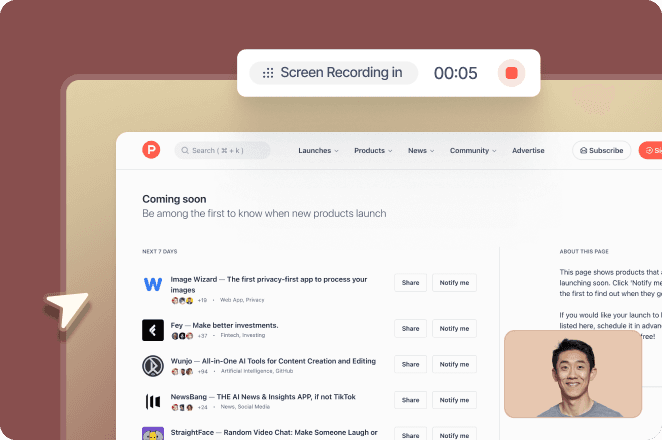
Der Trainings-Stack beginnt mit Content – und das ist die Aufgabe, die die meisten Tools bereits als erledigt voraussetzen. Authoring-Suites formatieren die Inhalte, die du bereitstellst; LMSs hosten sie; Microlearning-Apps liefern sie aus. Trupeer AI erstellt sie. Du zeichnest einen Screen-Walkthrough eines Prozesses auf, und daraus erstellt es ein Trainingsvideo sowie einen Schritt-für-Schritt schriftlichen Guide – aus derselben Aufzeichnung, mit automatisch entferntem Füllmaterial und Rauschen, im passenden Branding und in 65+ Sprachen übersetzbar. Das ist der schnellste Weg, um das, was ein Experte weiß, in Trainingsmaterial umzuwandeln, das dann von anderen Tools bereitgestellt werden kann.
So passt es ehrlich gesagt: Trupeer AI ist ein Content-Erstellungstool, kein LMS, keine Authoring-Suite für kurse auf Basis von Slides und keine Coaching-Plattform. Es hostet, weist zu, quizzt oder trackt nicht. Kombiniere es mit einem Bereitstellungstool und lass Trupeer AI die Videos, SOPs und Content für deine Wissensdatenbank erstellen, die deinen Stack füllen.
Am besten für: Prozesse und Produktwissen schnell in Trainingsmaterial umwandeln.
Wichtige Funktionen: KI-Screen-Recorder, Dual-Output aus Video + Dokument, automatisches Editing, Brand Kit, Übersetzung in 65+ Sprachen, KI-Avatare, Wissensdatenbank.
Preis: Ab $49/Monat, mit kostenloser Testversion.
Vorteile: Schließt die Content-Erstellungs-Lücke, die andere Tools ignorieren; Video + Guide aus einer Aufzeichnung; mehrsprachig; transparente Preisgestaltung.
Nachteile: Kein Tool für Bereitstellung, Authoring oder Coaching; KI-Entwürfe profitieren von einem menschlichen Review-Durchlauf.
2. Articulate 360 (Rise & Storyline): Am besten für das Authoring interaktiver Kurse
Der Branchenstandard für eLearning-Authoring. Rise erstellt responsive Kurse schnell; Storyline übernimmt komplexe, verzweigte Interaktionen. Umfangreiche Asset-Bibliotheken und Interaktionstypen ermöglichen polierte, SCORM-fähige Kurse – allerdings ist es ein Design-Tool, kein Content-Generator.
Am besten für: Instructional Designer, die polierte interaktive Kurse erstellen.
Preis: Ab ~$1.399/Jahr/Nutzer (Articulate 360).
Vorteile: Leistungsstarkes, flexibles Authoring; starke Interaktionen; SCORM/xAPI-Export.
Nachteile: Höhere Kosten und Lernkurve; du lieferst die Quellinhalte.
3. iSpring Suite: Am besten für Authoring auf Basis von PowerPoint
Macht aus PowerPoint interaktive Kurse, Quizze und Video-Lektionen – mit einer angenehmen Lernkurve. Besonders beliebt bei Teams, die bereits in Slides arbeiten und Decks in nachverfolgbares eLearning umwandeln möchten.
Am besten für: Teams, die aus bestehenden Slide-Decks authoren.
Preis: Ab ~$770/Jahr.
Vorteile: Vertrauter PowerPoint-Workflow; starkes Quizzen; bezahlbar.
Nachteile: Slide-zentriert; weniger geeignet für Inhalte ohne Slides.
4. Synthesia: Am besten für KI-Avatar-Trainingsvideos
Erstellt polierte Videos aus einem Skript mithilfe von KI-Avataren und Stimmen in vielen Sprachen – ohne Kamera oder Studio. Ideal für standardisierte, skriptbasierte Trainings; anders als das Erfassen eines echten Prozesses, das die Aufgabe von Trupeer AI ist.
Am besten für: Skriptbasierte Trainingsvideos im Presenter-Stil im großen Maßstab.
Preis: Ab ~$18–29/Monat.
Vorteile: Schnelles skriptbasiertes Video; viele Sprachen; kein Filmen.
Nachteile: Avatar-und-Skript-Format; nicht für das Erfassen von Live-Prozessen gebaut.
5. Canva: Am besten für einfache Visuals und kurze Videos
Ein Design-Tool, das viele Teams nutzen, um Trainings-Visuals, Infografiken und kurze Videos ohne Designer zu erstellen. Keine Trainingsplattform, aber ein nützliches Content-Zubehör im Stack.
Am besten für: Schnelle Visuals und leichtgewichtige Videoinhalte.
Preis: Kostenlos; Pro ab ~$15/Monat.
Vorteile: Einfach; riesige Template-Bibliothek; kollaborativ.
Nachteile: Allzweck; keine Bereitstellung oder kein Tracking für Training.
Microlearning & Bereitstellungstools
6. SC Training (früher EdApp): Am besten für kostenloses mobiles Microlearning
Eine mobile-first Microlearning-Plattform mit kostenloser Stufe, einem Authoring-Tool mit 80+ Templates, spaced repetition, Gamification, Push-Benachrichtigungen und Übersetzung. Besonders stark für Frontline- und verteilte Teams, die in kurzen Intervallen lernen.
Am besten für: Frontline- und Deskless-Teams, die kostenloses mobiles Microlearning möchten.
Preis: Kostenlos; bezahlte Stufen für erweiterte Funktionen.
Vorteile: Kostenlos zum Start; mobile-first; gamifiziert; integriertes Authoring.
Nachteile: Erweiterte Funktionen und Integrationen benötigen bezahlte Pläne.
7. 7taps: Am besten für schnelles, reibungsloses Microlearning
Für Tempo gebaut: Erstelle und sende eine Microlesson in Minuten – bereitgestellt per Link, E-Mail oder SMS, ohne dass eine App installiert werden muss. Ideal für schnelle, zeitnahe Nudges und Verstärkung.
Am besten für: Schnelle, reibungslose Microlessons und Erinnerungen.
Preis: Ab einer moderaten monatlichen Gebühr.
Vorteile: Extrem schnell zu erstellen und bereitzustellen; keine App nötig; gute Analysen.
Nachteile: Am besten für kurzen Content; kein vollständiges LMS.
8. Axonify: Am besten für Verstärkung in der Frontline
Eine auf die Frontline fokussierte Plattform, die tägliches Microlearning, spaced repetition und Verstärkung mit starken Analysen kombiniert. Entwickelt, um Wissen für Retail-, Logistik- und Operations-Teams zu verankern.
Am besten für: Große Frontline-Teams, die tägliche Verstärkung brauchen.
Preis: Custom.
Vorteile: Starke Wissenschaft zur Verstärkung; in der Frontline bewährt; Analysen.
Nachteile: Enterprise-orientiert; individuelle Preisgestaltung.
9. TalentCards: Am besten für Flashcard-Microlearning für Deskless-Teams
Stellt Training als mobile Flashcards bereit – ideal für schnelles Onboarding, Sicherheit und Skills für Deskless-Mitarbeitende, die in kurzen, wiederholbaren Intervallen lernen.
Am besten für: Deskless- und verteilte Teams, die mobiles Lernen in kleinen Häppchen brauchen.
Preis: Ab einer moderaten monatlichen Gebühr.
Vorteile: Einfache mobile Flashcards; schnell aufzubauen; gut für Sicherheit/Compliance.
Nachteile: Kartenformat begrenzt die Tiefe; nicht für komplexe Kurse.
Assessment & Verstärkungstools
10. Kahoot!: Am besten für gamifiziertes Quizzen und Engagement
Ein spielbasiertes Quiz-Tool, das Assessments und Live-Trainingssessions in interaktive Wettbewerbe verwandelt und das Engagement beim Onboarding, in Workshops und beim Teamlernen steigert.
Am besten für: Spannende, gamifizierte Quizze und Live-Sessions.
Preis: Kostenlos; bezahlte Business-Pläne ab einer monatlichen Gebühr.
Vorteile: Hohes Engagement; einfach; ideal für Live- und Remote-Sessions.
Nachteile: Quiz-fokussiert; keine vollständige Trainings- oder Tracking-Plattform.
11. ProProfs Quiz Maker: Am besten für Quizze und Assessments
Ein dediziertes Quiz- und Assessment-Tool mit großer Fragenbibliothek, automatischer Benotung und Reporting. Nützlich, um das Verständnis zu messen und Wissen zu zertifizieren – neben jedem LMS.
Am besten für: Standalone-Quizze, Tests und Zertifizierungschecks.
Preis: Ab einer moderaten monatlichen Gebühr.
Vorteile: Robuste Assessment-Funktionen; Reporting; einfach aufzubauen.
Nachteile: Nur Assessment; ergänzt, ersetzt aber kein Trainingstool.
12. Qstream: Am besten für Verstärkung mit spaced repetition
Ein Microlearning- und Verstärkungstool, das auf spaced repetition und szenariobasierten Challenges basiert. Mit Analysen pro Skill und pro Team – so konzipiert, dass Wissen hängen bleibt, statt nach einem Kurs wieder vergessen zu werden.
Am besten für: Teams, bei denen Abrufbarkeit und Behalten das eigentliche Ergebnis sind.
Preis: Custom.
Vorteile: Strenge spaced repetition; tiefgehende Proficiency-Analysen.
Nachteile: Verstärkungsfokussiert; kein Content- oder Bereitstellungstool an sich.
Learning-Management-Systeme (Bereitstellung)
13. TalentLMS: Am besten für ein simples LMS zum Hosting und Tracking
Ein einfaches, bezahlbares LMS zum Zuweisen, Bereitstellen und Tracken von Training – genutzt von 70.000+ Teams. Die Standard-Schicht für die Bereitstellung für kleine bis mittlere Unternehmen.
Am besten für: SMBs, die einfaches Hosting und Tracking möchten.
Preis: Ab ~$119/Monat; kostenloser Plan.
Vorteile: Schnelles Setup; transparente Preisgestaltung; skaliert sauber.
Nachteile: Authoring ist basic; du lieferst die Inhalte.
14. Docebo: Am besten für Enterprise-LMS
Ein KI-first Enterprise-LMS für die Multi-Audience-Bereitstellung an Mitarbeitende, Partner und Kunden – mit starker Automatisierung und Analysen. Das Rückgrat für die Bereitstellung in großen Organisationen.
Am besten für: Unternehmen, die Training im großen Maßstab bereitstellen.
Preis: Custom.
Vorteile: Tiefe KI, Multi-Portal, Analysen.
Nachteile: Enterprise-Kosten und -Komplexität.
15. 360Learning: Am besten für kollaboratives LMS
Ein LMS/LXP, das Bereitstellung mit kollaborativem, KI-unterstütztem Authoring kombiniert. So werden Fachexpertinnen und -experten zu Kurs-Erstellern – ideal für Teams, die Training aus internem Wissen aufbauen.
Am besten für: Teams, die gemeinsam erstellen und an einem Ort bereitstellen.
Preis: Ab ~$8/Nutzer/Monat.
Vorteile: Kollaboratives Authoring + Bereitstellung; Social Learning.
Nachteile: Preis pro Nutzer; weniger tiefe Compliance als bei Enterprise-LMSs.
16. LearnUpon: Am besten für Multi-Audience-LMS
Ein klares, learner-first LMS mit Multi-Portal-Support für Mitarbeitende, Partner und Kunden. Bekannt für Automatisierung und einfache Bedienung.
Am besten für: Training für mehrere klar unterschiedliche Zielgruppen bereitstellen.
Preis: Custom.
Vorteile: Multi-Audience; Automatisierung; einfaches UX.
Nachteile: Individuelle Preisgestaltung; Authoring ist basic.
Coaching & Übungstools
17. Seismic Learning (früher Lessonly): Am besten für Übung und KI-Coaching
Kombiniert Microlearning mit Übungsszenarien und KI-gestütztem Feedback auf aufgezeichnete Übungseinheiten – eingebettet in die Seismic Sales-Content-Plattform. Besonders stark für Sales und die Bereitschaft für kundennahe Aufgaben.
Am besten für: Sales- und Support-Teams, die üben müssen – nicht nur lernen.
Preis: Custom.
Vorteile: Übung + KI-Coaching; verknüpft mit Sales-Content.
Nachteile: Sales-orientiert; bester Mehrwert innerhalb von Seismic.
18. Second Nature: Am besten für KI-Rollenspiel-Gespräche
Ein KI-Rollenspiel-Tool, in dem Mitarbeitende echte Gespräche mit einer KI-Persona über Voice oder Text üben und sofortiges, bewertetes Feedback erhalten. Nützlich für Sales-Pitches, Onboarding und das Üben von Soft Skills.
Am besten für: Teams, die realistische Gesprächsübungen im großen Maßstab brauchen.
Preis: Custom.
Vorteile: Realistisches KI-Rollenspiel; sofortiges Feedback; skalierbare Übung.
Nachteile: Übungsspezifisch; ergänzt statt Trainingstools zu ersetzen.
Digitale Adoption & In-Flow-Tools
19. Whatfix: Am besten für In-App-Anleitung
Eine digitale Adoption-Plattform, die interaktive Walkthroughs, Tooltips und Aufgabenlisten auf deiner Software überlagert. So trainierst du Menschen in den Tools, die sie nutzen – statt in einem separaten Kurs. Ideal für Software-Rollouts und die Übernahme von Prozessen.
Am besten für: Menschen dabei zu trainieren, Software direkt im Moment zu nutzen.
Preis: Custom.
Vorteile: In-App, kontextbezogene Anleitung; reduziert den Trainingsaufwand; Adoptions-Analysen.
Nachteile: Nur In-App; komplexe Prozesse brauchen weiterhin eigenständigen Content.
20. Guru: Am besten für Wissen im Flow der Arbeit
Ein KI-Wissens-Tool mit Governance, das zitierte Antworten direkt in Slack, im Browser und in anderen Tools sichtbar macht. So erhalten Mitarbeitende Antworten dort, wo sie arbeiten – statt in einem Kurs oder Wiki zu suchen.
Am besten für: Antworten und Referenzwissen im Flow der Arbeit bereitstellen.
Preis: Ab ~$10/Nutzer/Monat (KI-Stufen höher).
Vorteile: Antworten im Arbeitskontext; Verifizierung und Governance.
Nachteile: Referenzwissen statt strukturiertem Training; KI-Preis pro Nutzer.
So wählst du die richtigen Mitarbeitertraining-Tools
Wähle nach Aufgabe, nicht nach Marke. Starte damit, welche der sieben Aufgaben dein Programm in diesem Jahr wirklich abdecken muss. Die meisten Teams brauchen drei oder vier: ein Content-Tool (erstellen), ein LMS (bereitstellen und tracken) und ein Engagement- oder Coaching-Tool (damit es hängen bleibt oder angewendet wird). Unternehmen ergänzen Authoring, Verstärkung und digitale Adoption; kleine Teams brauchen oft nur Content plus eine leichtgewichtige Bereitstellung.
Prüfe dann, ob die Tools miteinander verbunden sind. Der Stack funktioniert nur, wenn Content zwischen den Tools fließt: Bestätige den SCORM/xAPI-Export aus deinem Authoring- und Content-Tool in dein LMS und die HRIS-Integration für die automatische Einschreibung. Passe das Bereitstellungsformat an deine Zielgruppe an: mobiles Microlearning für die Frontline, In-App-Anleitung für Software-Rollouts, Übungstools für Sales. Und vergleiche die Preis-Modelle miteinander: Tools mit Preis pro Nutzer steigen mit der Kopfzahl, während Content-Tools mit Pauschalpreis konstant bleiben – daher ist die Mischung entscheidend. Teste schließlich jedes Tool für seine konkrete Aufgabe, bevor du dich festlegst: Ein Tool, das bei der Bereitstellung großartig ist, kann bei der Content-Erstellung nutzlos sein – und umgekehrt.
Empfehlungen nach Teamgröße und Branche
Nach Teamgröße
Größe | Core-Stack | Ergänzen, wenn du wächst |
|---|---|---|
Klein (unter 50) | Trupeer AI + TalentLMS | SC Training, Kahoot! |
Mittelgroß (50–250) | Trupeer AI + 360Learning + ein Microlearning-Tool | Qstream, Seismic |
Enterprise (250+) | Trupeer AI + Docebo + Axonify | Whatfix, Second Nature, Guru |
Frontline / Deskless | Trupeer AI + SC Training / TalentCards | Axonify |
Nach Branche
Branche | Wichtige Aufgaben | Starke Tools |
|---|---|---|
SaaS / Tech | Content, In-App-Adoption | Trupeer AI + Whatfix |
Retail / Hospitality | Microlearning, Frontline | SC Training / TalentCards + Trupeer AI |
Finanzdienstleistungen | Assessment, Compliance | Qstream + ein LMS |
Produktion | Verstärkung in der Frontline, Sicherheit | Axonify + Trupeer AI |
Sales / GTM | Coaching, Übung | Seismic / Second Nature |
Professional Services | Content, Authoring | Trupeer AI + Articulate 360 |
Gesundheitswesen | Assessment, Compliance | Qstream + Absorb-class LMS |
Implementierungs-Zeitleisten
Tool-Typ | Typische Zeit bis zum Nutzen |
|---|---|
Content-Erstellung (Trupeer AI, Synthesia, Canva) | Stunden |
Microlearning (SC Training, 7taps, TalentCards) | Stunden bis Tage |
Assessment (Kahoot!, ProProfs, Qstream) | Stunden bis Tage |
Authoring (iSpring, Articulate) | Tage bis Wochen (Skill Ramp) |
LMS (TalentLMS, 360Learning, LearnUpon) | Tage bis Wochen |
Coaching / DAP (Seismic, Second Nature, Whatfix) | Wochen (Content-Build pro App/Szenario) |
Wann du NICHT noch ein weiteres Trainingstool hinzufügen solltest
Offen darüber zu sein schafft Vertrauen. Wahrscheinlich brauchst du kein weiteres Tool, wenn:
Du die Content-Aufgabe noch nicht gefüllt hast. Mehr Bereitstellungstools helfen nicht, wenn du nichts Gutes hast, das du ausliefern kannst – starte mit Content.
Ein Tool, das du bereits besitzt, erledigt die Aufgabe. Viele LMSs enthalten grundlegendes Authoring, Quizzen und Microlearning; nutze sie, bevor du ein einzelnes Punkt-Tool kaufst.
Du zusätzliche Reibung bei der Bereitstellung hinzufügen würdest. Eine separate App, die niemand öffnet, zerstört das Engagement; bevorzuge Tools, die in Slack, mobil oder in deinem bestehenden Stack funktionieren.
Die Aufgabe ist keine echte Lücke. Wenn Sales nicht dein Fokus ist, brauchst du kein Coaching-Tool; kaufe für Aufgaben, die du wirklich hast.
Die 8 größten Fehler bei Mitarbeitertraining-Tools
Zu glauben, dass das LMS alles kann. Es liefert und trackt; es erstellt selten Content, bindet die Frontline ein oder coacht. Fülle die anderen Aufgaben.
Bereitstellung kaufen, bevor Content da ist. Ein leeres LMS lenkt nichts ab. Löse zuerst die Content-Erstellung.
Reibung bei der Bereitstellung hinzufügen. Eine separate App, die niemand öffnet, zerstört die Completion; liefere dort aus, wo die Menschen ohnehin sind.
Training nur als Text. How-to-Wissen ist als Video klarer; reines Texttraining verliert die Lernenden, die es sehen müssen.
Verstärkung auslassen. Menschen vergessen den Großteil eines einmaligen Kurses; ohne spaced repetition bricht das Behalten ein.
Keine Übung für Skills. Wissen ist nicht gleich Fähigkeit; Sales- und Service-Skills brauchen Rollenspiele – nicht nur Lesen.
Unverbundene Tools. Ohne SCORM/xAPI und HRIS-Integration wird dein Stack zu Silos und zu manueller Arbeit.
Tools für Aufgaben kaufen, die du nicht hast. Ein Coaching-Tool, das du nicht nutzen wirst, ist verschwendetes Budget; kaufe für echte Lücken.
30+ Mitarbeitertraining-Statistiken für 2026
Engagement und Format
Microlearning-Adoption ist 2025 um 72% gestiegen (Skillademia).
Reibung bei der Bereitstellung, wenn man Menschen bittet, eine weitere App zu öffnen, tötet das Engagement still und leise; die höchsten Abschlussraten kommen von Tools, die in Slack, mobil oder im Browser funktionieren (Doozy).
KI-personalisierte Lernpfade verbessern das Behalten um 45% (Skillademia).
68% des betrieblichen Trainings nutzen heute KI-basierte Plattformen – im Vergleich zu 32% in 2023 (Skillademia).
Skills und der Case fürs Training
39% der Kern-Skills werden bis 2030 voraussichtlich einem Wandel unterliegen (WEF).
77% der Arbeitgeber planen, ihre Mitarbeitenden weiterzuqualifizieren (Selleo).
Unternehmen mit starkem L&D sehen 218% höhere Umsätze pro Mitarbeitenden (Skillademia).
Starke Lernkulturen sehen 47% niedrigere Fluktuation (Skillademia).
ROI und Wirkung
Betriebliches Training liefert etwa $4,50 für jeden investierten $1 (Deloitte / Skillademia).
Sales-Training liefert oft 100–350% ROI (eLearning Industry).
Nur etwa 8% der Organisationen messen die geschäftliche Wirkung des Trainings (eLearning Industry).
90% der Organisationen nutzen ein LMS für L&D-Funktionen (Training Orchestra).
Ausgaben und Markt
Die Ausgaben für betriebliches Training in den USA erreichten 2025 $102,8 Milliarden (Training Magazine).
Unternehmen geben durchschnittlich $1.420 pro Mitarbeitenden und Jahr für Training aus (Skillademia).
Der Markt für Corporate-LMS wird bis 2030 voraussichtlich über $27,4 Milliarden hinauswachsen (G2).
73% der HR-Manager bewerten digitale Skills als ihren wichtigsten Trainingsfokus (Training Orchestra).
Häufig gestellte Fragen
Was sind Mitarbeitertraining-Tools?
Die Software, die Organisationen dabei hilft, Arbeitsplatzlernen zu erstellen, bereitzustellen, zu verstärken und zu messen. Sie reichen von Content-Erstellungs- und Authoring-Tools über Microlearning- und Bereitstellungs-Apps, LMSs, Assessment-Tools, Coaching- und Übungstools bis hin zu Plattformen für digitale Adoption – zusammen bilden sie einen Trainings-Stack.
Wie unterscheiden sich Mitarbeitertraining-Tools von Mitarbeitertraining-Software?
„Mitarbeitertraining-Software“ bedeutet normalerweise eine einzelne Bereitstellungsplattform (ein LMS oder LXP). „Mitarbeitertraining-Tools“ ist breiter: das komplette Toolkit über Content, Bereitstellung, Engagement, Assessment und Coaching hinweg. Sieh dir unseren Guide zu Mitarbeitertraining-Software an, wenn du eine einzelne Plattform suchst.
Welche Tools brauche ich wirklich?
Ordne deine „Jobs to be done“ den Aufgaben zu. Die meisten Teams brauchen drei oder vier: ein Content-Tool, ein LMS und ein Engagement- oder Coaching-Tool. Unternehmen ergänzen Authoring, Verstärkung und digitale Adoption.
Was ist der Unterschied zwischen einem Authoring-Tool und einem Content-Erstellungstool?
Authoring-Tools (Articulate, iSpring) strukturieren und formatieren die Inhalte, die du bereitstellst, zu interaktiven Kursen. Content-Erstellungstools wie Trupeer AI erzeugen das Quellmaterial selbst – zum Beispiel, indem sie eine Screen-Aufzeichnung in ein Video und einen Guide umwandeln.
Brauche ich ein separates Microlearning-Tool, wenn ich ein LMS habe?
Manchmal. Viele LMSs unterstützen Microlearning, aber spezialisierte Tools (SC Training, 7taps, Axonify) machen es für die Frontline und mobile Teams besser – mit spaced repetition und Push-Bereitstellung.
Wie viel kosten Mitarbeitertraining-Tools im Jahr 2026?
Breit gestreut: Content- und Microlearning-Tools ab ~$18–49/Monat oder pro Nutzer; Authoring-Suites $770–1.399/Jahr; LMSs ab ~$119/Monat bis Enterprise individuell; Coaching- und DAP-Tools sind in der Regel individuell. Plane nach Aufgabe, nicht nach einer einzelnen Position.
Wer erstellt die Trainingsinhalte?
Dein Team – und das ist die Aufgabe, die die meisten unterschätzen. Tools liefern und formatieren Content, aber erstellen ihn selten. Ein Content-Tool wie Trupeer AI macht aus einer Aufzeichnung ein Video und einen Guide und übersetzt sie dann.
Welches ist das beste Tool für Frontline- und Deskless-Mitarbeitende?
Mobile-first Microlearning wie SC Training oder TalentCards – plus kurze Videoinhalte, die ein Tool wie Trupeer AI erstellen kann. So passen die Lektionen in ein paar Minuten auf ein Smartphone.
Wie sorge ich dafür, dass Training hängen bleibt?
Kombiniere guten Content, das richtige Bereitstellungsformat und Verstärkung. Spaced repetition (Qstream) und Übung (Seismic, Second Nature) schlagen einmalige Kurse beim Behalten.
Funktionieren diese Tools in Kombination miteinander?
Die guten tun das – über SCORM/xAPI (Content und Authoring ins LMS) und HRIS-Integration (automatische Einschreibung). Bestätige die Integration, bevor du kaufst, sonst erzeugst du Silos.
Was ist eine Plattform für digitale Adoption?
Ein Tool wie Whatfix, das Menschen innerhalb von Software mit In-App-Walkthroughs und Tooltips trainiert – sodass sie durch Ausprobieren lernen, statt in einem separaten Kurs. Am besten für Software-Rollouts.
Wie verändert KI Mitarbeitertraining-Tools im Jahr 2026?
KI generiert inzwischen Content und Video, erstellt Kursentwürfe, personalisiert Pfade, führt Rollenspiel-Coaching durch und liefert Antworten direkt im Arbeitskontext. Das komprimiert die Content-Erstellung und macht Übung skalierbar.
Kann ein Tool alles?
Selten gut. All-in-one-Plattformen decken mehrere Aufgaben ausreichend ab, aber spezialisierte Tools sind bei ihrer jeweiligen Aufgabe meist besser – besonders bei Content-Erstellung, Coaching und Microlearning für die Frontline.
Wie messe ich, ob die Tools funktionieren?
Miss jede Aufgabe: Content-Frische und Erstellungsgeschwindigkeit, Completion und Engagement für die Bereitstellung, Quiz-Ergebnisse für das Assessment, Übungsbewertungen für Coaching und letztlich die Performance im Job.
Wann sollte ich kein weiteres Tool hinzufügen?
Wenn du die Content-Aufgabe noch nicht gefüllt hast, wenn ein Tool, das du bereits besitzt, das abdeckt, wenn es zusätzliche Reibung bei der Bereitstellung hinzufügt oder wenn die Aufgabe keine echte Lücke ist. Mehr Tools bedeuten nicht automatisch mehr Training.
Verwandte Blogbeiträge