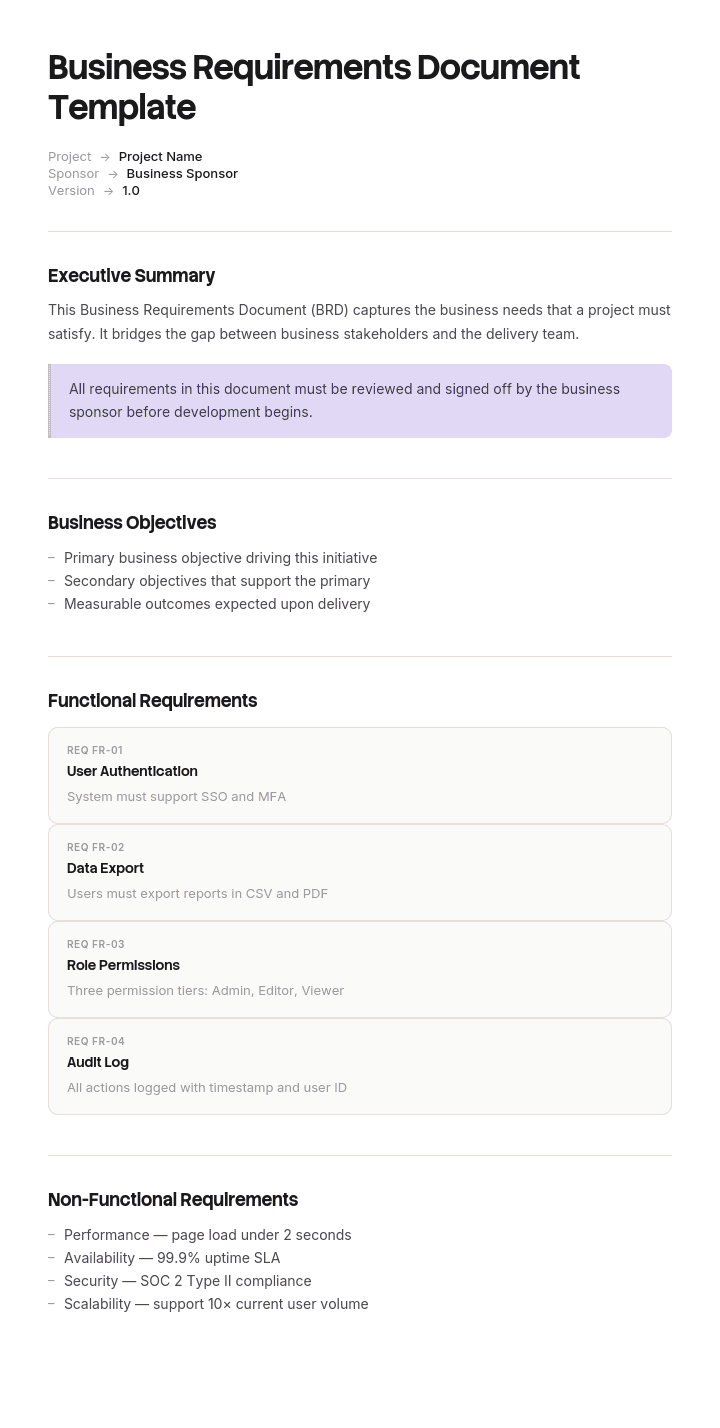
使用此模板
业务需求文档(BRD)是业务相关方与技术团队之间的桥梁——它记录业务所需内容,并将其转化为开发人员可以构建的需求。使用 Trupeer,您可以从免费业务需求文档模板开始,结合您的 品牌规范 进行自定义,并将冗长的 BRD 转换为每个人都能真正消化的在线视频演示,从而节省撰写 BRD 的数小时。
项目很少会因为没人把需求写下来而失败。失败的原因在于:写下来的内容太模糊,模糊到无法提出异议。每个人都在一份文件上签字,表示系统应当“用户友好且快速”,四个月后他们才发现自己其实指的是三种不同的含义。
当业务需求文档能在构建开始之前让分歧变得可讨论,而不是在之后才出现时,它才值得编写。这个模板就是为此而建:每一条需求都有编号、优先级,并附上足够具体的验收标准,便于现在就能展开争论。
下载业务需求文档模板
格式 | 适合用于 |
|---|---|
Word(.docx) | BRD 本身。免费下载安装,无需注册。大多数团队用来编写并在团队间流转的格式 |
Google Docs | 与相关方协作评审,在这里,评论和版本历史很重要 |
已签署、已批准的基线版本 | |
Excel(.xlsx) | 需求表与可追溯矩阵,在这里,筛选和排序能提供帮助 |
.doc | 较旧的文档系统与传统库 |
免费、可编辑、无水印。大多数团队会用 Word 来处理文档本体,并在需求数量超过大约三十条后,用 Excel 来维护需求表。
什么是业务需求文档?
业务需求文档(BRD)会在任何人决定如何构建之前,说明一个业务从项目中需要什么以及原因。它定义问题、范围、相关方、具体需求本身,以及用于衡量最终结果的标准。
它真正的作用是达成一致。BRD 是每个人都会签署的成果物,用于确认大家理解的是同一件事。因此,BRD 的有效检验标准并不是读起来是否顺畅,而是它是否足够具体,以至于有人可以对其提出反对意见。
如何在 Trupeer 中自定义此模板
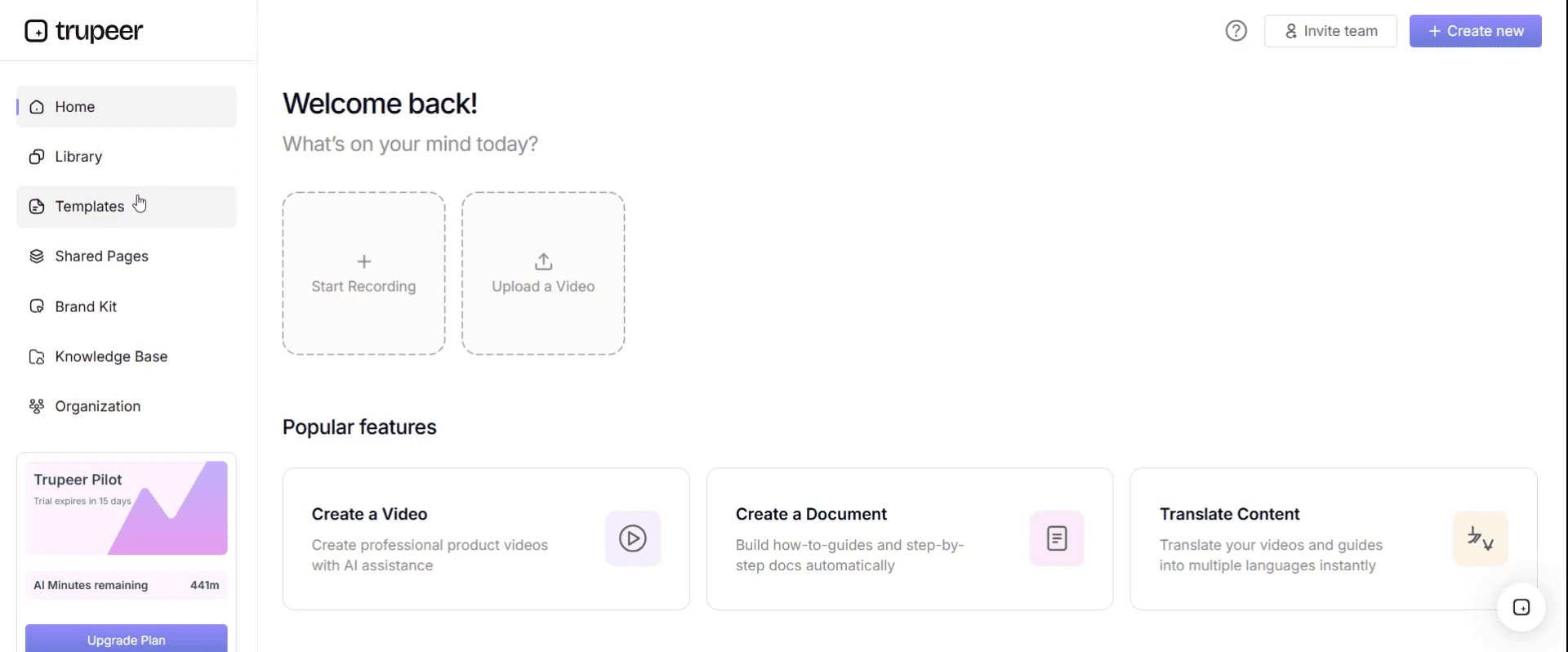
步骤 1:打开模板(Templates)部分
从主导航进入“模板(Templates)”部分。
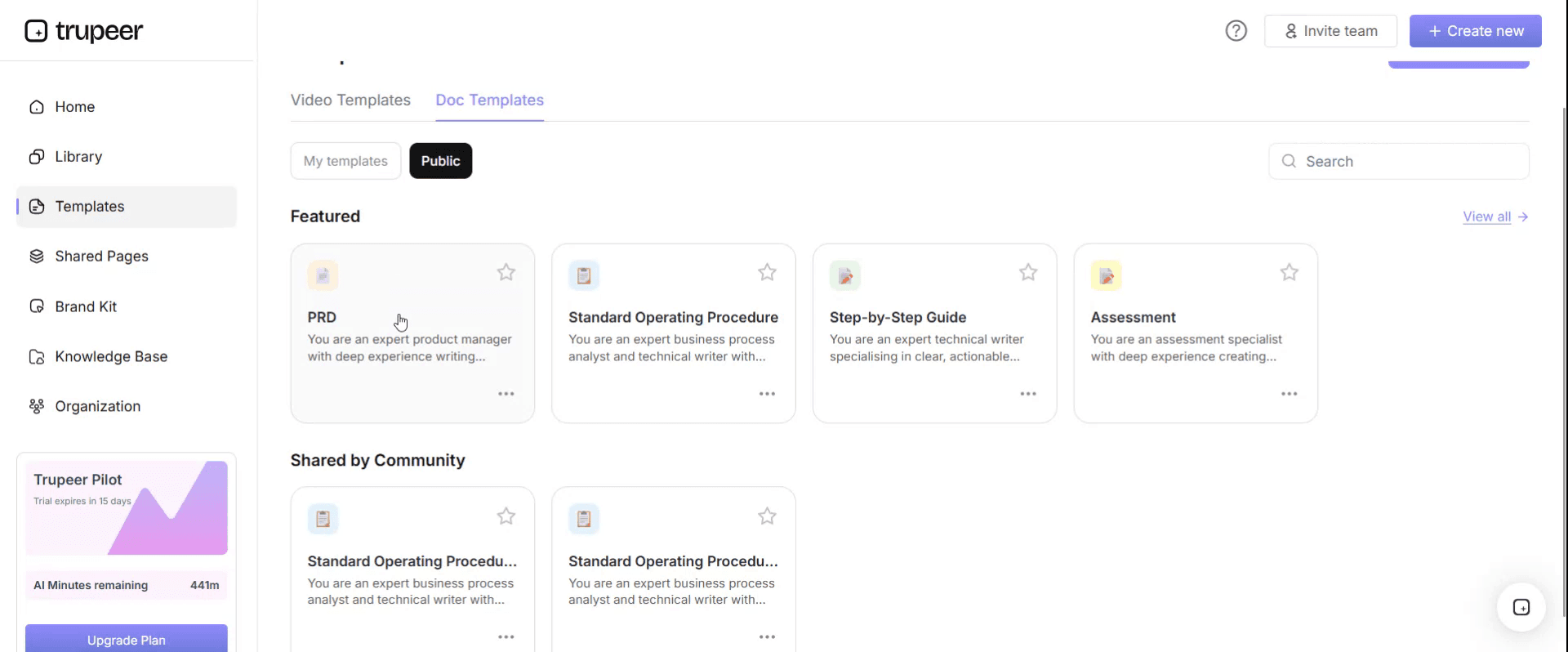
步骤 2:选择并打开模板
点击任意您想要使用的模板,将其打开。
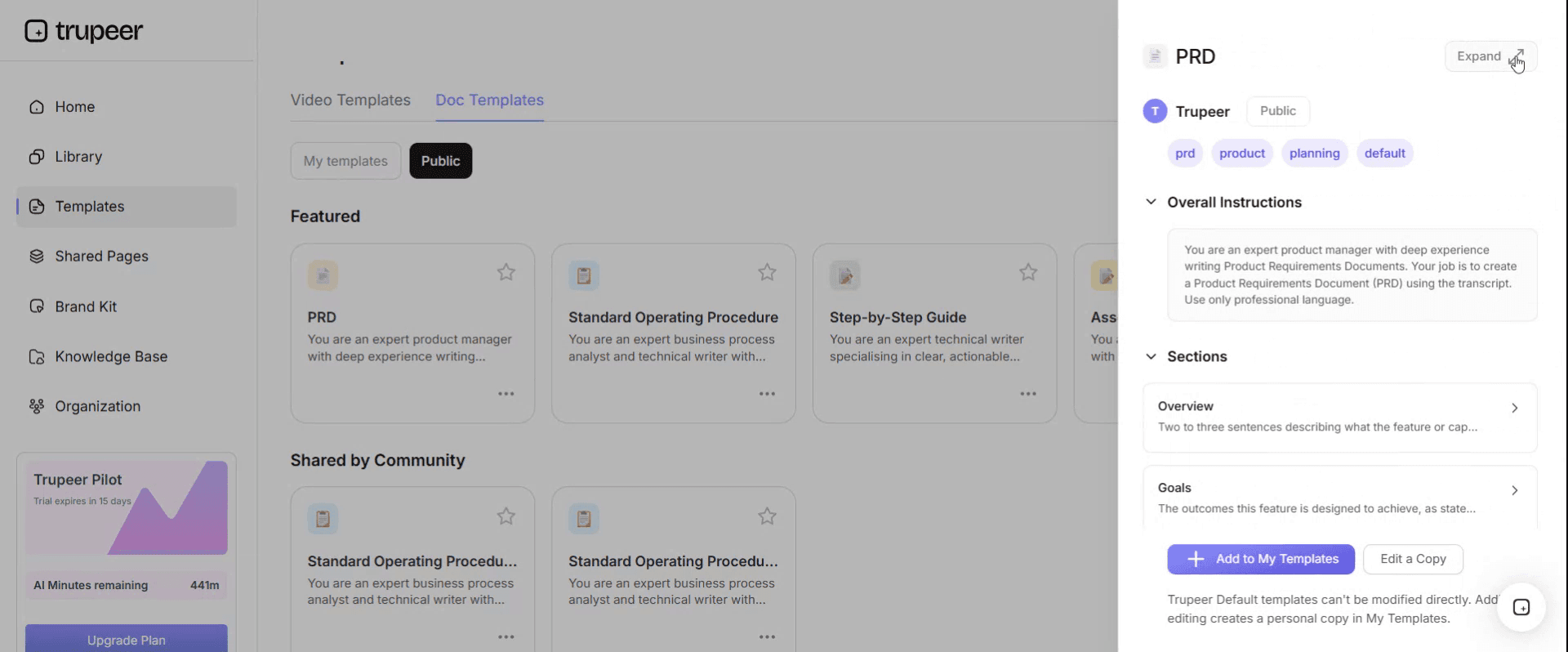
步骤 3:展开模板视图
如有需要,请展开模板视图,以便清晰查看完整布局与细节。
步骤 4:编辑模板
点击“编辑(Edit)”开始修改所选模板。
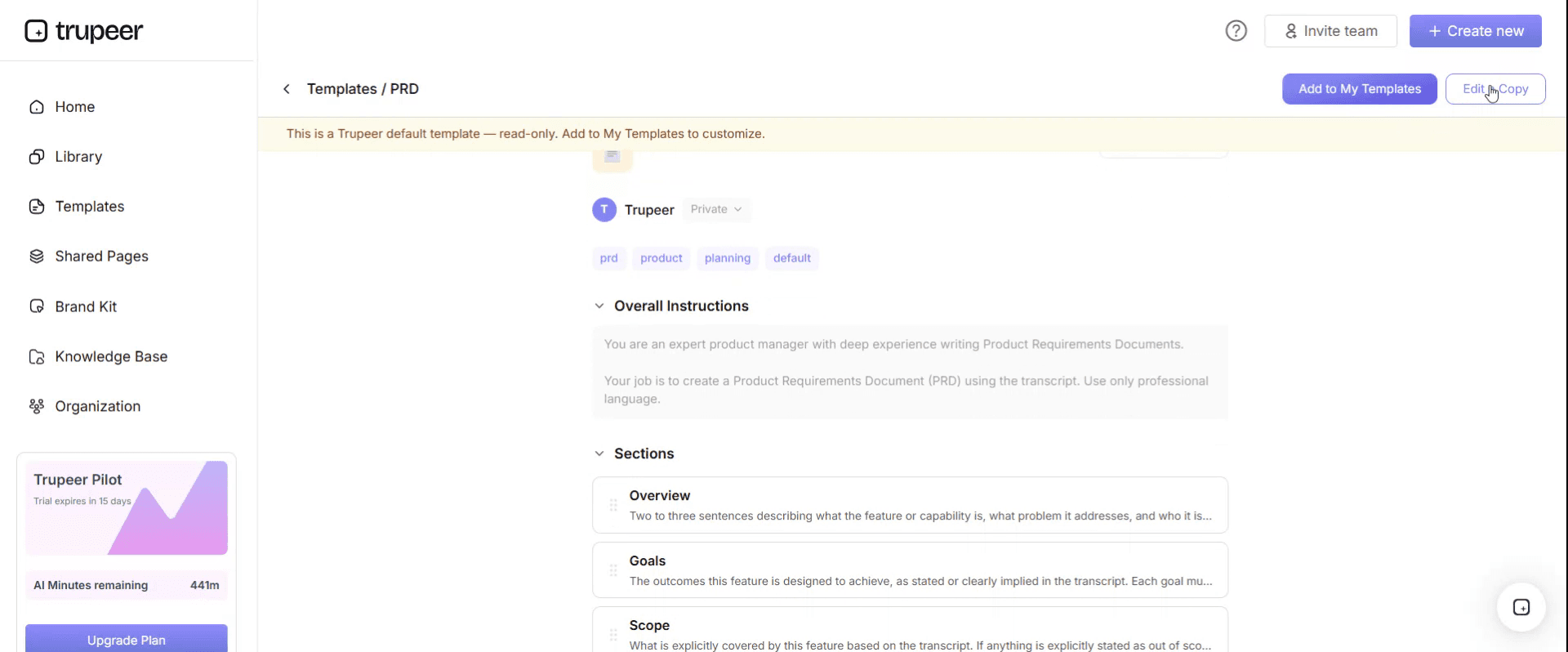
在编辑器中,您可以:
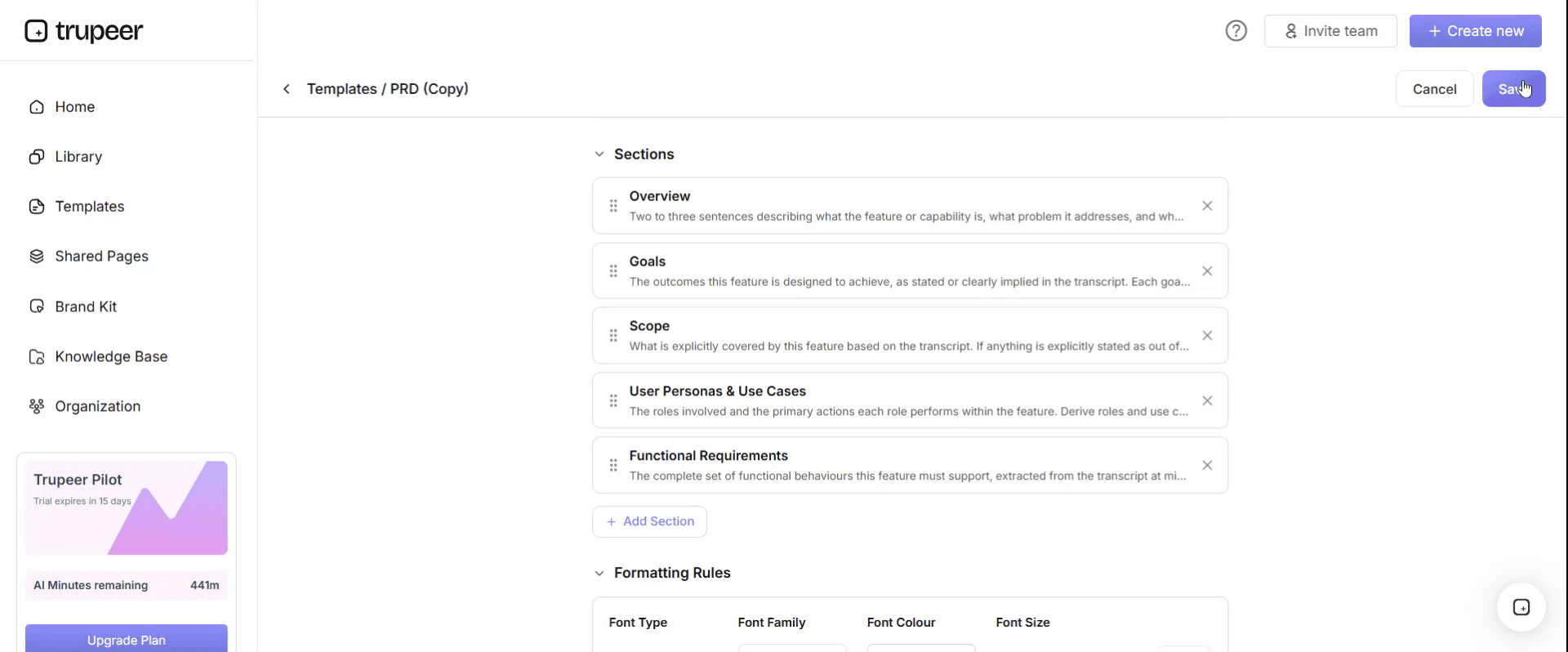
添加新的章节
定义或更新格式规则
添加徽标,并调整其位置及相关设置
步骤 5:保存您的自定义模板
完成所有必要更改后,点击“保存(Save)”,将更新后的模板存为您的版本。
步骤 6:预览并微调模板
当您想查看自定义模板的效果时,请打开“预览(Preview)”。
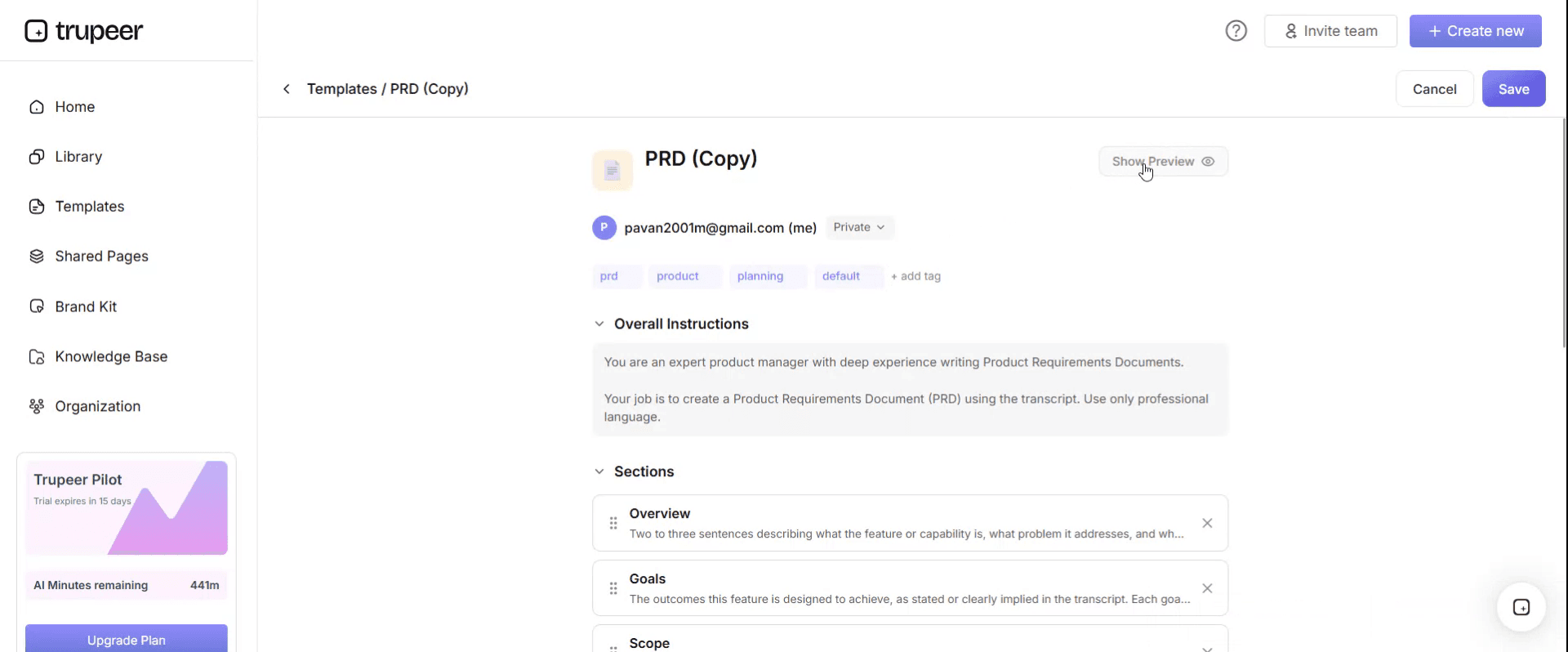
在预览界面中,如有需要,您还可以继续直接进行调整,确保模板呈现效果与您的预期完全一致。
使用业务需求文档模板,您可以:
节省撰写时间:跳过空白页面,直接使用由资深业务分析师(BA)和项目经理(PM)实践的结构。
对齐业务与技术:内置章节将业务目标衔接到功能需求。
保持品牌一致:使用 Trupeer 的品牌套件应用您的徽标、字体与颜色。
清晰沟通:将密集的 BRD 转换为用于相关方评审的视频演示。
跨项目标准化:每项计划都使用同一套 BRD 模板。
覆盖全球团队:一键将 BRD 翻译为 65+ 种语言。
为什么您需要业务需求文档
范围变成了可以指向的内容,而不是需要记在脑子里的东西。大多数范围争议源于文档缺失,而非恶意。
需求会被赋予优先级,因此当时间变得紧张时,您会有意识地取舍,而不是把剩下的随便砍掉。
假设会被写下来——这时才有人会发现其中的错误。
验收标准在构建之前就已存在,因此“完成”的定义不会由最后谁更大声的人来决定。
交付不会因人员离开而消失。中途失去业务分析师的项目,往往正是 BRD 直接“回本”的项目。
供应商可以基于真实内容报价。模糊的 BRD 会导致报价范围很大,并引发变更请求密集的项目。
业务需求文档包含哪些内容
文档控制:版本、作者、日期、分发与批准状态。
执行摘要:项目是什么、为什么要做,用一段话说明。
业务目标:用可衡量的结果来表达,而不是用活动描述。
背景与问题陈述:当前发生了什么、以及这会带来什么成本。
范围:包含什么,以及明确不包含什么。
相关方:谁会受到影响、谁做决定、谁签署。
当前状态:它实际是怎样的。
业务需求:编号、优先级,并为每条需求提供验收标准。
假设、约束与依赖。
风险,并标明负责人。
成本与收益摘要,以及预期回报。
时间线与关键里程碑。
项目整体成功标准。
术语表:因为一半的需求争议其实是词汇争议。
签署确认区。
附录:流程图、数据、界面、支撑性分析。
模板结构
章节 | 包含内容 | 长度 |
|---|---|---|
文档控制 | 版本、作者、批准人、修订历史 | 半页 |
执行摘要 | 用一段话概括项目(最后撰写) | 半页 |
业务目标 | 两到五个可衡量的结果 | 半页 |
问题陈述 | 当前情况及其成本 | 1 页 |
范围 | 范围内、范围外(明确) | 1 页 |
相关方 | 角色、关注点、决策权限 | 半页 |
当前状态 | 今天是如何运作的 | 1 到 2 页 |
需求 | 编号表格 | 2 到 6 页 |
假设与约束 | 清晰直述 | 半页 |
风险 | 有负责人及缓解措施 | 半页 |
成本与收益 | 投入与预期回报 | 1 页 |
时间线 | 里程碑与依赖 | 半页 |
成功标准 | 项目如何被评判 | 半页 |
术语表 | 所有可能被读成两种含义的术语 | 按需 |
签署确认 | 姓名、角色、日期 | 半页 |
对于中型项目来说,10 到 20 页是正常范围。超过 30 页后,需求表通常已经吸收了本应属于功能规格说明书的设计决策。
如何编写一条经得起评审的需求
这就是全部技能。当两个人意见不一致时,只要读完这条需求,他们都能知道自己确实存在分歧,这条需求就写得很好。
弱:系统应当用户友好。
更好:一位新用户必须能够在无需培训的情况下提交申诉,并通过测试:10 位测试用户中有 8 位能在 3 分钟内独立完成移动端提交(含凭证拍照)。
弱:报告应当加载得很快。
更好:每月汇总报告必须在最多 50,000 行数据集上于 4 秒内完成渲染。
弱:管理者需要查看审批情况。
更好:管理者必须能够在单个屏幕上看到所有等待其审批的申诉,并按提交日期排序;无需筛选。
弱:系统应当与财务集成。
更好:已批准的申诉必须在 15 分钟内写入会计系统,包括成本中心与 VAT 代码;失败需记录并自动重试。
每一次改进背后的模式都相同。写清楚:谁需要它、具体是什么、以及在什么条件下您会同意“已达成”。在您自己的草稿中,应该对这些词保持警惕:用户友好、健壮、无缝、直观、快速、灵活、可扩展、易用。每一个词都在掩盖一个后续仍会由某个人做出的决定,而您并未提前说明。
用 MoSCoW 为需求定优先级
没有优先级的需求默认都会变成“必须”。然后一旦遇到排期压力,最先被迫做的就是随意砍掉。
优先级 | 含义 | 测试 |
|---|---|---|
必须有(Must have) | 没有它就无法上线 | 为了这个你会推迟上线吗?如果不会,那它就不是“必须有” |
应该有(Should have) | 重要、删掉会很痛、可保留 | 有替代方案,即使很丑也行 |
可以有(Could have) | 如果产能允许则理想 | 第一周没人会注意到它缺失 |
这次不会有(Won't have this time) | 明确不包含在本次发布中 | 记录下来,这样就不会再被反复提出 |
让 MoSCoW 真正发挥作用的纪律是:必须有(Must have)的需求不应超过约 60%。如果所有东西都是“必须有”,那你得到的是一份带优先级栏的愿望清单。而“这次不会有”的清单是最有价值的,因为它是对哪些内容被有意识地推迟而非遗忘的书面记录。
需求表
ID | 需求 | 优先级 | 来源 | 验收标准 | 负责人 |
|---|---|---|---|---|---|
BR-01 | Must | ||||
BR-02 | Should |
每条需求都需要一个 ID,因为一旦出现两条,“‘报告需求’”在一瞬间就会变得含糊不清。来源很重要,因为到了第四个月,总有人会问是谁提出了这条,而“业务方”并不是答案。
可追溯矩阵
用于检查是否有内容被悄悄丢弃,以及是否有任何东西是在没有理由的情况下被构建。
需求 ID | 业务目标 | 功能规格引用 | 测试用例 | 状态 |
|---|---|---|---|---|
BR-01 | OBJ-1 | FS-3.2 | TC-14 | Verified |
BR-02 | OBJ-1 | FS-3.5 | TC-18 | In test |
BR-03 | OBJ-2 | Not yet specified | None | Gap |
两个问题会立刻暴露出来:没有测试用例的需求无法被验证;而追溯到没有任何需求的功能规格条目,意味着正在构建一些没人提出过的东西。这两种情况都很常见,而且用这种方式都很容易发现。
业务需求文档示例
一个经过精简的完整示例,便于您看到具体到什么程度。
项目:费用报销系统替换。 版本: 1.2。 作者:业务分析师。 批准人:财务总监、IT 总监、人力资源总监。
业务目标。 将平均报销周期从 24 个工作日降低到 10 个工作日。将财务团队用于处理报销的时间减少 50%,目前为每周 14 小时。对已提交的报销实现 95% 的政策合规率,目前为 71%。
问题陈述。 报销通过电子表格提交并通过邮件发送。审批路由是手动的,凭证会单独到达,并且 29% 的报销在付款前未被发现而违反政策。财务每周大约花 14 小时追踪,而报销平均需要 24 个工作日,无法满足员工手册中承诺的 10 天。
范围内。 报销提交、凭证采集、政策校验、审批路由、会计系统入账、员工通知。
范围外。 企业卡对账、里程费率设置、薪资集成、超过 12 个月的历史报销迁移。
需求。
ID | 需求 | 优先级 | 来源 | 验收标准 |
|---|---|---|---|---|
BR-01 | 员工必须从移动设备提交报销申请,并包含对凭证的拍照 | Must | 员工调查,2026 | 10 位测试用户中有 8 位能在 4 分钟内(不借助他人)完成移动端 3 行报销提交并附上凭证 |
BR-02 | 系统必须在提交时根据政策限制对每一行进行校验 | Must | 财务总监 | 违反任一限制的报销在未完成标记的“理由”字段填写前,不能进入“已提交(Submitted)”状态 |
BR-03 | 报销必须根据汇报链路路由到正确的审批人 | Must | 人力资源总监 | 在包含空缺岗位的 12 种组织结构场景中,测试报销的路由正确率为 100% |
BR-04 | 超过 £500 的报销必须要求第二次审批 | Must | 授权委派矩阵 | 任何超过 £500 的报销不得在仅记录一次审批的情况下进入“已批准(Approved)”状态 |
BR-05 | 已批准的报销必须在入账时写入会计系统,并包含成本中心与 VAT 代码 | Must | 财务经理 | 100% 的已批准报销在 15 分钟内以正确编码显示;失败需记录并重试 |
BR-06 | 审批人必须在一个屏幕上看到所有等待其审批的报销,且按最早提交优先 | Should | 审批人访谈 | 一位拥有 20 条待审批报销的经理能在不翻页或筛选的情况下看到全部 20 条 |
BR-07 | 员工必须在提交、审批与付款时收到通知 | Should | 员工调查 | 每次状态变更后 5 分钟内完成通知送达 |
BR-08 | 财务必须按成本中心导出每月报销报告 | Should | 财务经理 | 5,000 条报销数据下,报告生成时间不超过 30 秒 |
BR-09 | 系统必须支持审批人在缺席期间的委派审批 | Could | 审批人访谈 | 审批人可以为指定日期范围提名一位代理人 |
BR-10 | 多币种报销 | Won't, this release | 区域经理 | 推迟到第二阶段,并记录到路线图中 |
假设。 人力资源系统中的当前组织架构准确且会持续维护。会计系统提供受支持的 API。政策限制在实施期间不会发生变化。
约束。 预算为 £85,000。必须在新的财年开始前上线。不增加额外的财务人员编制。
风险。 人力资源汇报链路数据被证明不可靠,由人力资源总监负责;通过构建前审计进行缓解。审批人采用进度较慢,由财务总监负责;通过管理者培训与为期两周的并行运行进行缓解。
成功标准。 在上线后的一个季度内,平均报销周期不超过 10 个工作日。财务处理时间每周不超过 7 小时。政策合规率达到或超过 95%。
业务需求 vs 功能需求 vs 技术需求
在这个主题中,最常见的混淆来源,以及为什么很多 BRD 实际上是“穿错标题的规格说明书”。
业务需求 | 功能需求 | 技术需求 | |
|---|---|---|---|
回答 | 业务需要什么,以及为什么 | 系统必须做什么 | 将如何构建 |
编写者 | 业务分析师(与相关方协作) | 业务分析师或产品负责人 | 解决方案架构师或工程师 |
受众 | 发起人、相关方、供应商 | 设计师、开发者、测试人员 | 工程师 |
示例 | 报销必须在 10 个工作日内完成报销 | 系统将报销路由到人力资源汇报链路中指定的审批人 | 审批路由调用人力资源 API,并缓存 24 小时;若失败则回退到最近一次已知的经理 |
变化发生在 | 业务需求发生变化 | 解决方案设计发生变化 | 架构发生变化 |
存在于 | BRD | FRD 或功能规格说明书 | 技术设计文档 |
检验方法:如果一条需求提到了界面、字段、按钮或系统组件,那么它就已经偏离到功能层面。业务需求应该经得起解决方案的完整更换。如果您更换了供应商,而 BRD 中有一半内容因此失效,那么那一半从一开始就不是真正的业务需求。
谁来准备业务需求文档,以及谁来签署
由业务分析师准备;如果没有分析师,则由产品负责人或项目经理负责。应当与相关方共同编写,而不是“为他们写”。因为如果 BRD 是在隔离状态下生成的,它会在未被阅读的情况下被签署——这比根本没有 BRD 更糟。
签署人应当是能够被追责的人:业务发起人、预算持有人,以及每个工作会发生变化的职能负责人。再补上 IT 或交付负责人,并确认需求已被理解,而不是仅仅“做得到”。
最重要的签字来自于:第四个月会被问到“这件事当时是否已达成一致”的那个人。
如何编写业务需求文档
先确定业务目标,并把它写成一个数字。如果没人能说清可衡量的结果,需求收集就会产出一份功能清单,而不是一份文档。
在收集任何内容之前,先识别相关方与决策权限。知道谁能说“同意”,可以避免大多数后期的反复推翻。
诚实记录当前状态,包括所有变通方案(workarounds)。真正的需求往往就藏在这里。
通过访谈与观察收集需求,而不仅仅依赖研讨会。研讨会会暴露人们说他们需要什么;观察则会暴露他们实际在做什么。
在同一轮会议中为每条需求编写并附上验收标准。之后再补标准意味着您只能凭记忆去写。
使用 MoSCoW 进行优先级排序,并坚持“必须有(Must-have)”的比例。
明确记录假设、约束与依赖。未写下的假设会变成争议。
在编写过程中逐步构建可追溯矩阵,而不是等到最后再做。
设定截止时间,并为每个章节指定评审人进行评审流转。“有任何意见吗?”发到分发列表里只会得到沉默。
在请求签署之前,先在一次会议中带相关方逐项走读;随后以该版本作为基线,并从那一刻起以正式流程管理变更。
业务需求文档模板的变体
变体 | 适用场景 | 会有什么变化 |
|---|---|---|
简版 BRD | 小型项目、单一团队 | 仅包含目标、范围、需求表与签署确认 |
敏捷 BRD | 迭代式交付 | 将需求以史诗(epics)与用户故事(user stories)呈现;每个冲刺重新审视优先级;基线更轻量 |
软件开发 BRD | 构建或采购软件 | 对集成、数据与非功能需求的要求更重 |
IT BRD | 基础设施与系统变更 | 安全性、访问、可用性、迁移与切换 |
技术 BRD | 受众为工程团队 | 明确非功能需求、接口与标准 |
业务分析 BRD | 正式的 BA 实践 | 完整可追溯、相关方分析、当前(as-is)与目标(to-be)流程模型 |
项目管理 BRD | BRD 需要为项目计划提供输入 | 里程碑、依赖、资源影响 |
需求清单 | 在签署前评审 BRD | 更偏向完整性检查,而非内容本身 |
关于敏捷版本的说明:BRD 与待办列表(backlog)并不冲突。BRD 记录的是为什么以及业务需要什么,这些内容变化较慢。待办列表记录的是接下来要构建什么,这些内容变化不断。完全放弃 BRD 的团队往往会失去“为什么要做”的主线,并把它重新发现为一场争论。
最佳实践
编写任何有人都可能拒绝的需求。模糊会被读成一致,并在之后引发争议。
每行只写一条需求。任何包含“和(and)”的内容很可能就是两条。
立即附上验收标准,绝不要留到之后。
给所有内容编号,并且永远不要重新编号。用“作废 ID”替代。
记录每条需求的来源。
把解决方案内容排除在外。一旦您点名了界面或字段,就已经开始在做设计。
在术语表中为每个可能含糊的术语下定义。像“claim(报销)”“user(用户)”“approved(已批准)”这样的词,在不同部门里含义可能不同。
在签署确认时确定版本基线,之后再以正式流程管理变更。
保持“范围外”清单可见。它比任何其他章节都更能防止范围蔓延(scope creep)。
常见错误
不可证伪的需求。“直观(intuitive)”和“健壮(robust)”无法测试,因此会在构建时由离现场最近的人按自己的理解来解释。
没有优先级,因此在截止日期逼迫随意砍掉之前,所有内容都被当作必须。
把解决方案伪装成需求。在任何人评估选项之前就约束了设计。
没有验收标准,因此“完成(done)”会变成一场协商。
缺少范围外章节。这是最便宜的防止范围蔓延方式。
为相关方写,而不是与他们一起写。结果会在未读的情况下被签署。
假设没有写下来。每个项目都有假设,而未记录的那些,往往正是会把项目搞垮的原因。
签署后从不更新。需求确实会变化,而未维护的基线会失去作为任何人都信任的参考依据的意义。
没有可追溯性,因此在用户验收测试中才会发现悄悄被丢掉的内容。
通过记录来捕捉当前状态
在 Trupeer AI 中打开模板,应用您的 品牌套件,让 BRD 与您其他项目文档保持一致,然后直接编辑任意章节。设置说明在 模板指南 中。
“当前状态”章节往往是 BRD 最薄弱的部分,因为把今天的运作方式写下来需要比任何人预算的时间更久,而且总会漏掉变通方案。只需先把现有流程记录一次,Trupeer AI 就会自动生成带截图的“书面当前状态”文档,并附上可作为附录添加的带讲解 视频演示。供应商基于您的 BRD 报价时,比起阅读四页文字说明,他们更快理解两分钟的录制内容。
记录它。记录下来。翻译它,为离岸交付团队提供 65+ 种语言版本。把它存入您的 知识库。用 Trupeer 来完成。
常见问题解答
Word 里有免费的业务需求文档模板吗?
有。Word 是主要格式;每个章节里都有指导备注,您在撰写时可以删除这些备注;此外,需求表与签署确认区也已预先搭建好。免费下载安装,无需注册,无水印。
我可以免费在 Word 中下载业务需求文档模板吗?
可以。每一种格式都是免费下载安装,不需要账号。您可以在任意数量的项目中使用。
Word 文档格式里有业务需求文档模板吗?
有,包含一个 .doc 版本,适用于无法干净处理 .docx 的较旧文档系统与库。
PDF 里有免费的业务需求文档模板吗?
有。PDF 是只读的基线格式;签署确认后您会把它进行流转分发,这样已批准版本就不会因为误操作而被编辑。
PDF 中有业务需求文档示例吗?
有。上面的费用系统示例已作为完整 PDF 示例提供,包含 10 条需求、验收标准、MoSCoW 优先级、假设与风险。阅读一份完成的 BRD,是最快校准您自己的 BRD 需要做到多具体的方法。
我可以在哪里下载 Word 里的需求文档模板?
在本页面中,提供 Word、.doc、Google Docs、Excel 和 PDF。全部免费。如果您需要的是功能规格说明书而不是业务需求,那么它是另一份独立文档,上文已解释两者区别。
什么是 BRD?
业务需求文档。它会在决定如何构建之前,说明业务从项目中需要什么以及为什么,并作为相关方签署的成果物,用于确认大家达成一致理解。
业务需求文档应该包含哪些内容?
文档控制、执行摘要、可衡量的业务目标、问题陈述、范围(明确排除项)、相关方、当前状态、带优先级与验收标准的编号需求、假设、约束、依赖、风险、成本与收益、时间线、成功标准、术语表以及签署确认。
业务需求与功能需求有什么区别?
业务需求说明业务需要什么以及为什么,并且与任何解决方案无关。功能需求说明系统必须做什么来满足这些需求。“报销必须在 10 个工作日内完成”是业务需求。“系统将报销路由到人力资源汇报链路中指定的审批人”是功能需求。业务需求应当经得起更换供应商。
业务需求文档应该写多长?
中型项目通常写 10 到 20 页。小型项目可以在 5 页内完成。超过 30 页后,需求章节通常已经吸收了本应属于其他地方的功能设计内容。
谁来编写业务需求文档?
业务分析师;如果没有分析师,则由产品负责人或项目经理负责。应当与相关方一起编写,而不是仅为他们编写,因为如果 BRD 是在隔离状态下生成的,它会在未被阅读的情况下被签署。
谁来签署确认 BRD?
业务发起人、预算持有人,以及每个工作会发生变化的职能负责人;另外还包括交付负责人或 IT 负责人,用于确认需求已被理解。签署确认应当在走读会议之后进行,而不是通过分发邮件完成。
BRD 应该包含多少条需求?
只要范围确实需要多少就写多少;但如果超过大约 80 条,请检查是否有功能细节悄悄混入。一个有用的信号是“必须有(Must-have)”的比例:如果高于约 60%,说明优先级排序很可能没有做对。
什么是可追溯矩阵?
一张表,用于把每条需求与它所服务的业务目标、对应的功能规格说明书,以及用于验证它的测试用例建立关联。它能捕捉那些永远不会被测试的需求,以及那些追溯不到任何需求的工作。
我可以自定义这个业务需求文档模板吗?
可以。每个版本都完全可编辑。删除不适用的章节,而不是留下空标题;如果您不使用 MoSCoW,也可以把需求表调整为您自己的优先级体系。在 Trupeer AI 中,您还可以应用品牌套件,让 BRD 与您其他项目文档保持一致。