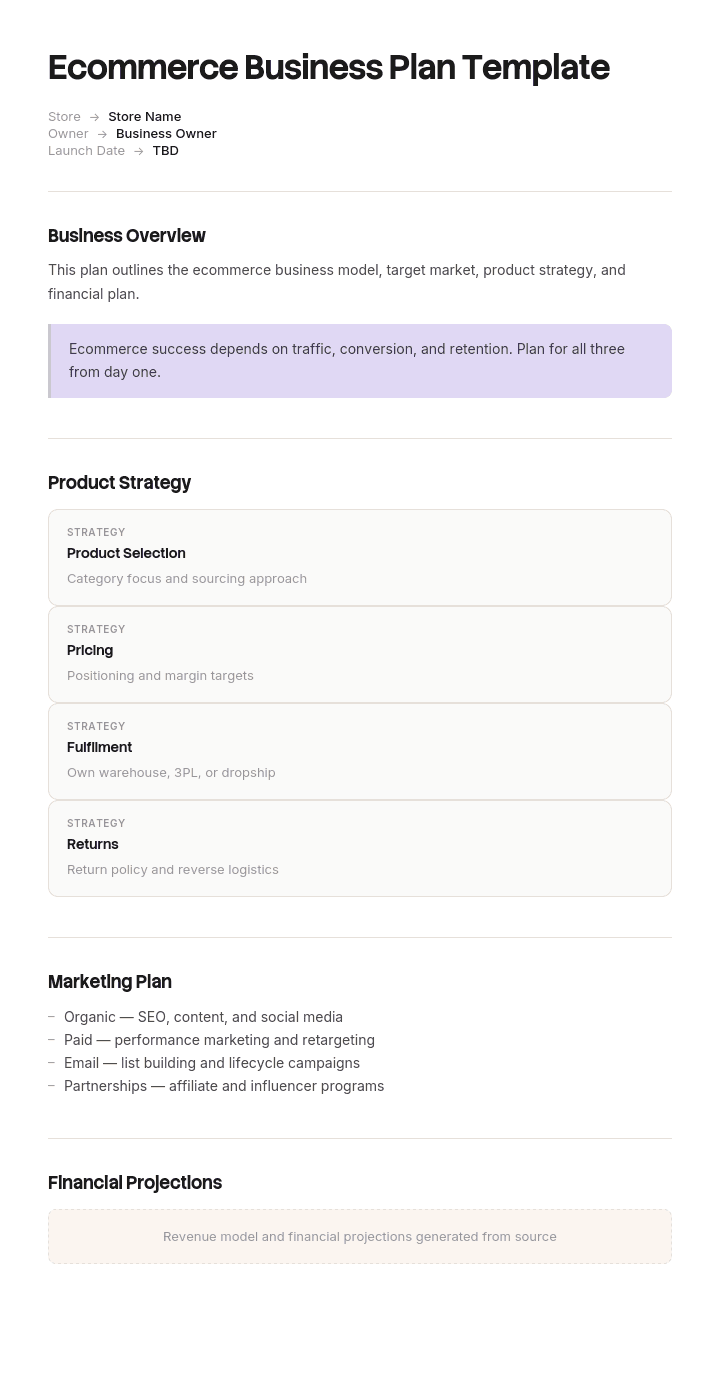
استخدم هذا القالب
دليل التجارة الإلكترونية يختلف عن خطة العمل التقليدية—تتولى المنتج وخيارات التنفيذ وقنوات التسويق واقتصاديات الوحدة السيطرة على الصورة. باستخدام Trupeer، يمكنك توفير ساعات في التخطيط عبر البدء بقالب مجاني لخطة عمل تجارة إلكترونية، وتخصيصه بهوية العلامة التجارية الخاصة بك، ثم تحويل الخطة إلى عرض فيديو مقنع ومناسب تمامًا للمستثمرين والشركاء.
معظم خطط أعمال التجارة الإلكترونية تصف المتجر ثم تلحق بها توقعات الإيرادات التي ترتفع. لكنها نادرًا ما تجيب عن السؤالين اللذين يحددان ما إذا كانت الشركة ستستمر: هل يحقق كل طلب ربحًا بعد كل شيء؟ وهل يمكنك تمويل الفجوة بين دفع الموردين والحصول على المدفوعات.
يغطي هذا القالب أقسام الخطة القياسية، لكن العمل الحقيقي موجود في جدول البيانات.
تنزيل قالب خطة عمل تجارة إلكترونية
التنسيق | الأفضل لـ |
|---|---|
Word (.docx) | الخطة المكتوبة للمقرضين أو المستثمرين أو تفكيرك الخاص |
Excel (.xlsx) | اقتصاديات الوحدة ونموذج حركة المرور ودورة النقد وتوقعات لثلاث سنوات |
PowerPoint (.pptx) | نسخة عرض تقديمي (ديك) من 12 شريحة |
الخطة النهائية للتداول | |
Google Docs وSheets | مسودة تعاونية مع شريك مؤسس |
مجاني وقابل للتعديل وبدون علامة مائية. ملف Excel هو الأهم هنا. خطة تجارة إلكترونية سردية بدون نموذج اقتصاديات الوحدة هي وصف، وليست خطة.
ما الذي يجعل خطة التجارة الإلكترونية مختلفة
تسأل خطة العمل العامة إن كان السوق موجودًا وإن كان بإمكانك الوصول إليه. أما خطة التجارة الإلكترونية فيجب أن تجيب عن أربع أسئلة أكثر تحديدًا، وكلها حسابات.
هل يحقق كل طلب ربحًا بعد تكلفة المنتج والشحن ورسوم الدفع والتغليف والتنفيذ المرتجع؟
هل يمكنك الحصول على عميل بتكلفة أقل من قيمته، وكم يستغرق الأمر حتى تسترد هذا المال؟
من أين تأتي حركة المرور، وبأي تكلفة، مع التحويل بمعدل كم؟
كم يستهلك دورة المخزون من النقد، وهل يزداد ذلك سوءًا كلما نمت؟
الواحد الأخير هو المكان الذي تموت فيه شركات التجارة الإلكترونية. قد ينفد المال من متجر مربح ينمو، وغالبًا يحدث ذلك.
كيفية تخصيص هذا القالب في Trupeer
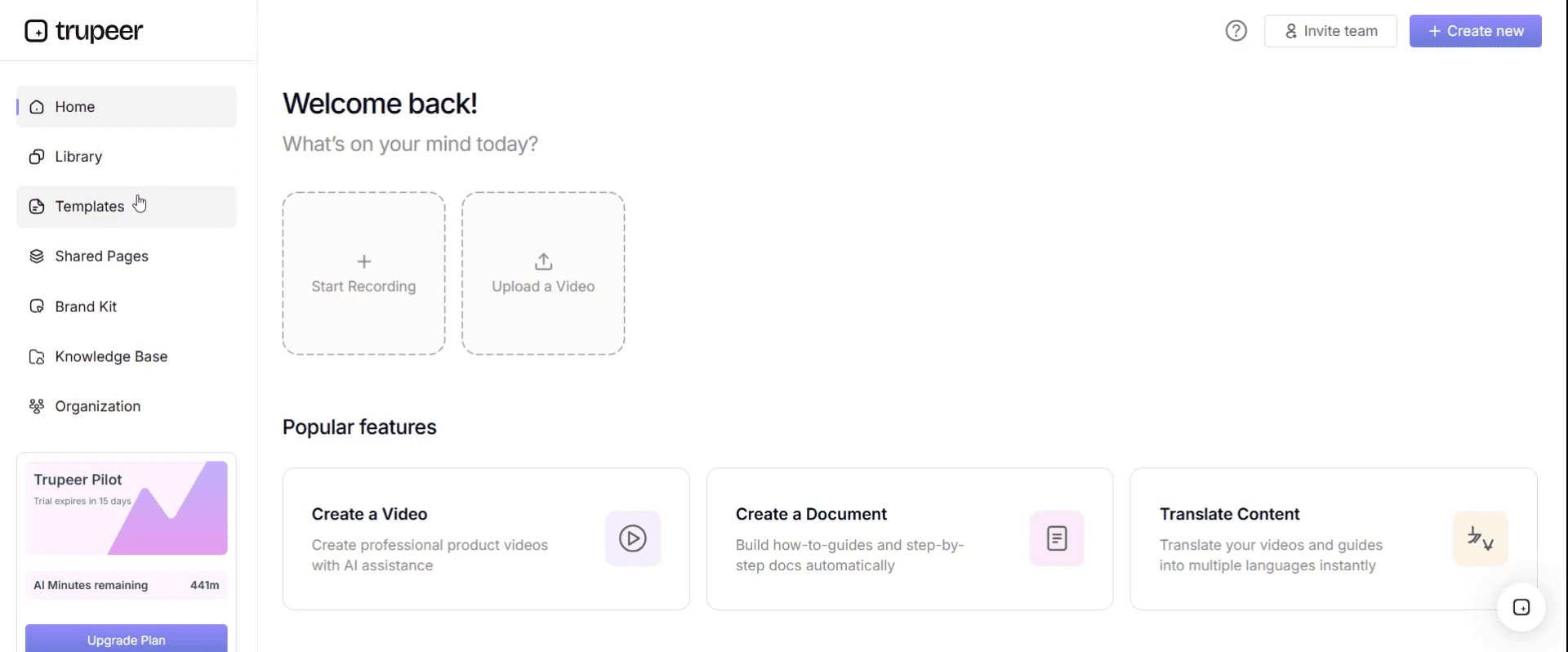
الخطوة 1: افتح قسم القوالب
اذهب إلى قسم القوالب من التنقل الرئيسي.
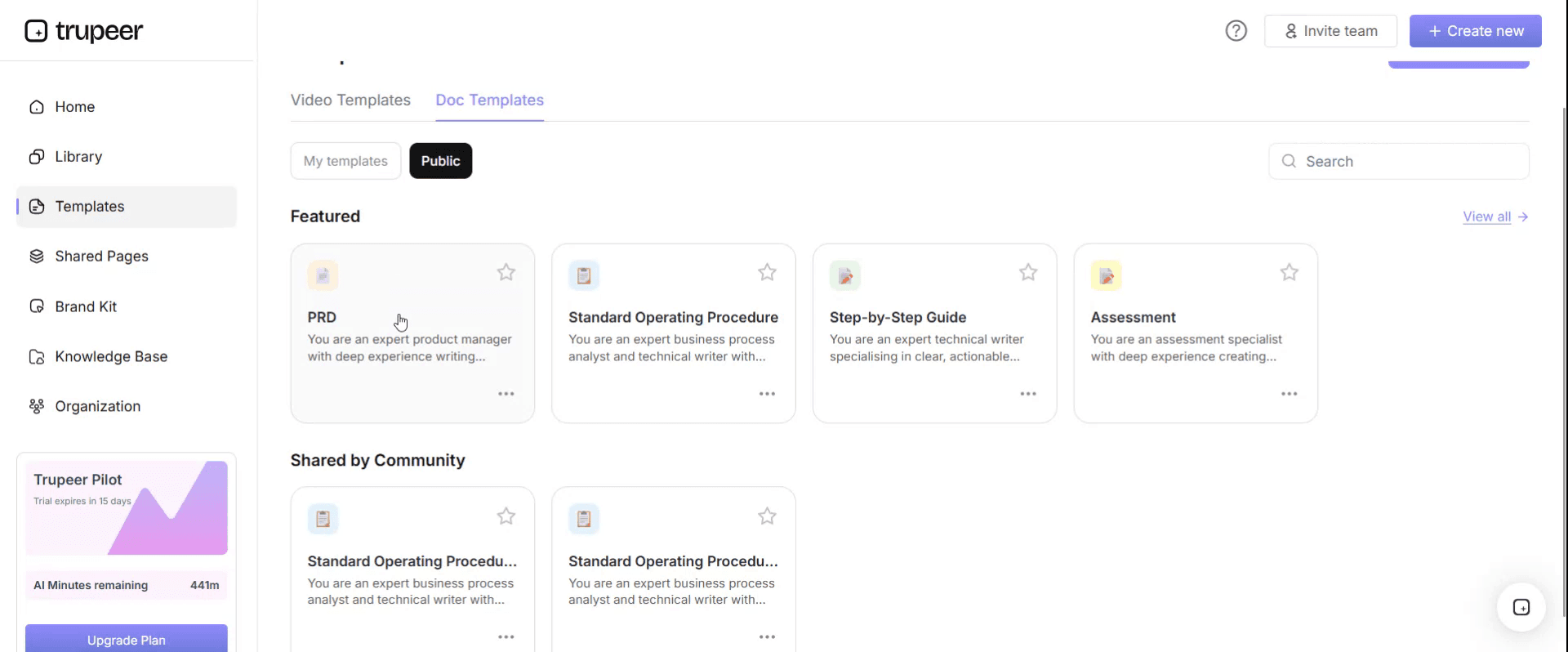
الخطوة 2: اختر وافتح قالبًا
انقر على أي قالب تريد العمل عليه لفتحه.
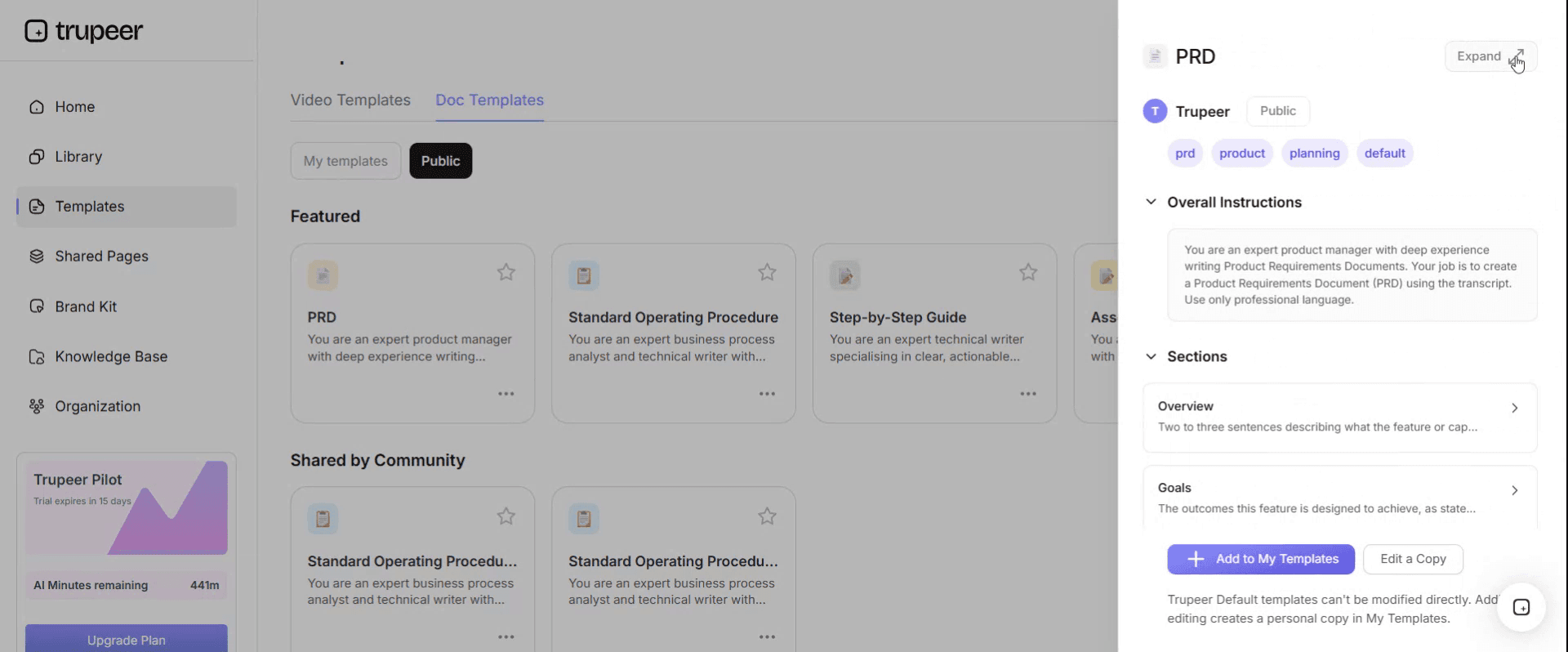
الخطوة 3: وسّع عرض القالب
إذا لزم الأمر، وسّع عرض القالب لرؤية التخطيط الكامل والتفاصيل بوضوح.
الخطوة 4: عدّل القالب
انقر على Edit لبدء تعديل القالب المحدد.
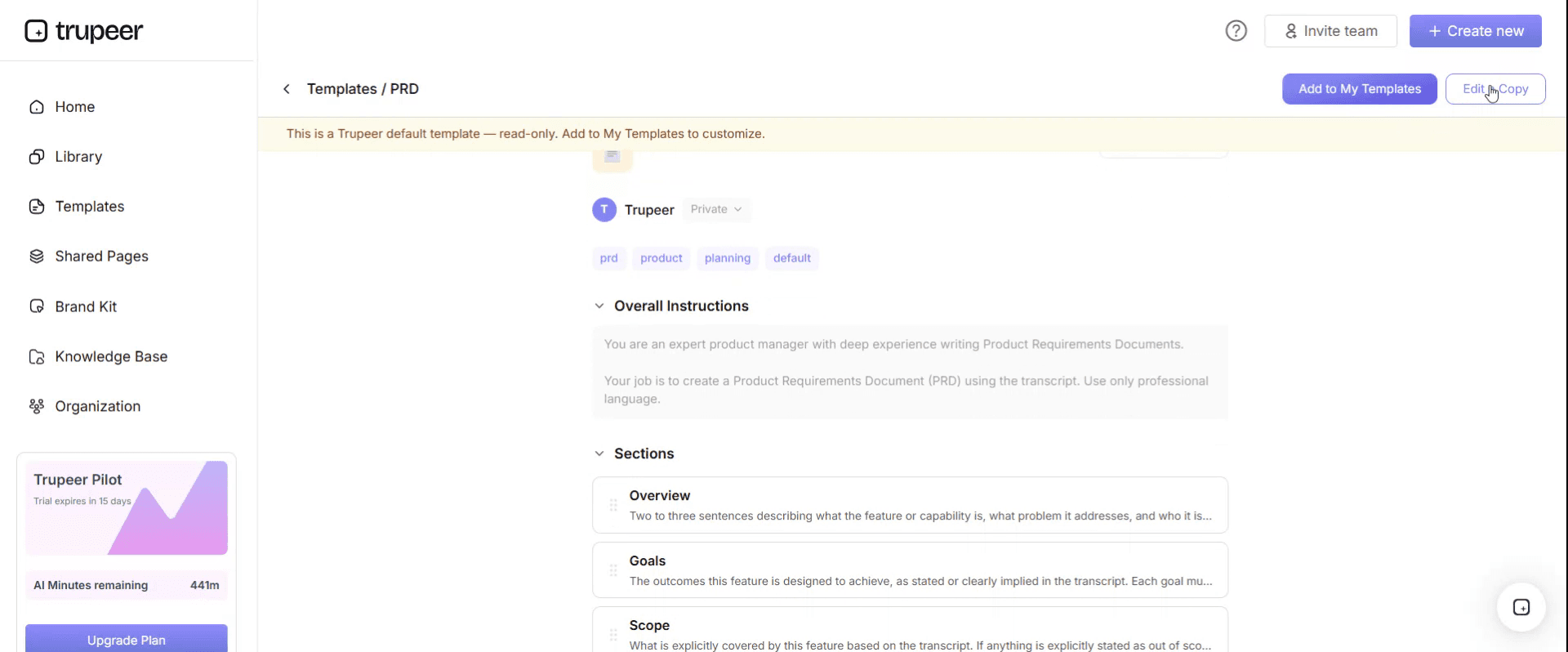
داخل المحرر، يمكنك:
إضافة أقسام جديدة
تحديد أو تحديث قواعد التنسيق
إضافة شعار وضبط موضعه والإعدادات ذات الصلة
الخطوة 5: احفظ قالبك المخصص
بعد إجراء جميع التغييرات اللازمة، انقر Save لتخزين القالب المحدّث باعتباره قالبك الخاص.
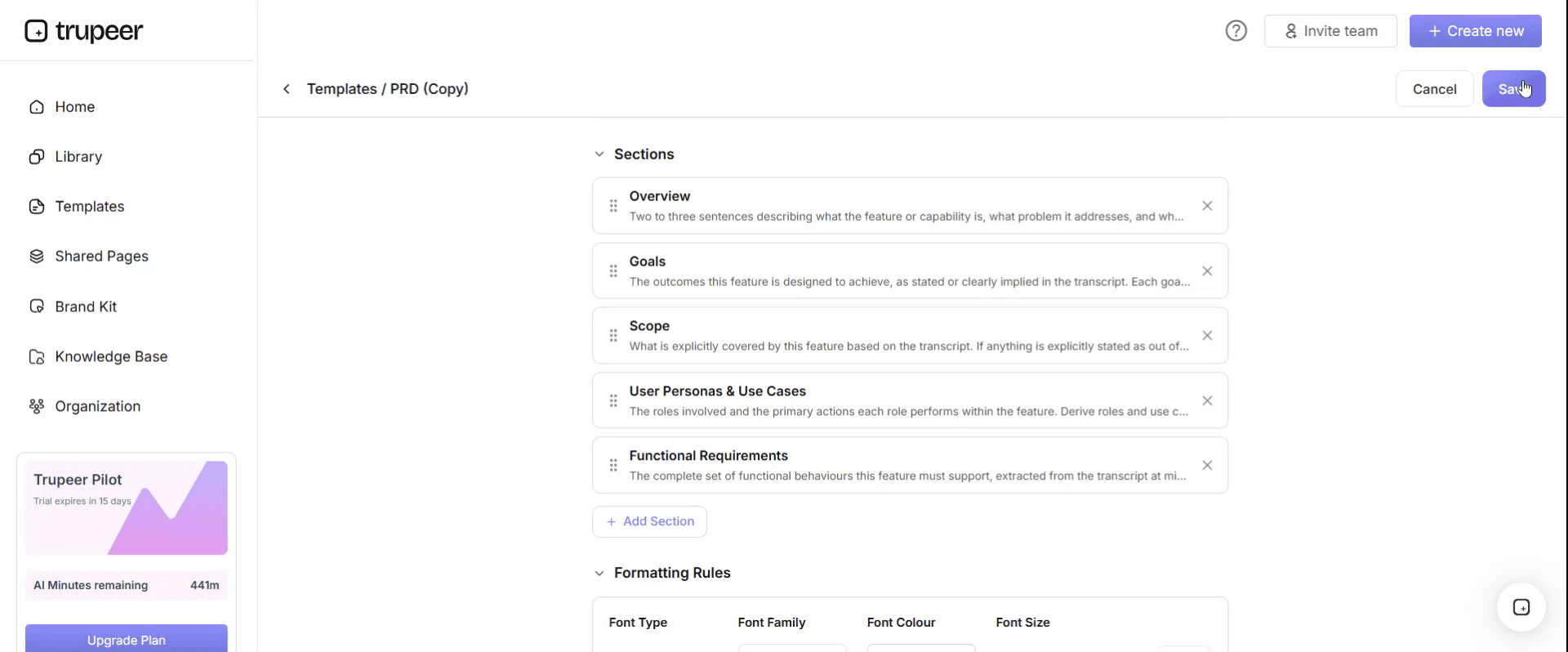
الخطوة 6: المعاينة والضبط الدقيق للقالب
عندما تريد معرفة كيف يبدو قالبك المخصص، افتح Preview.
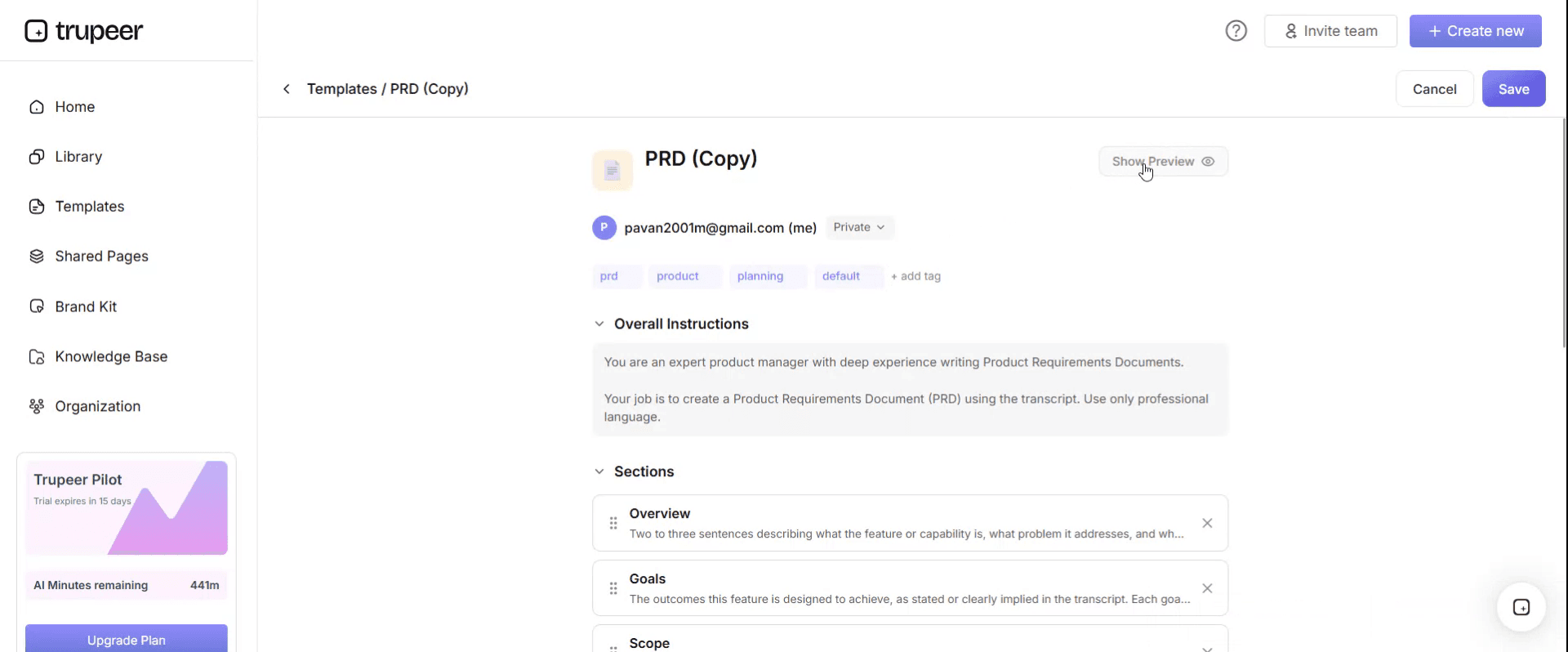
من شاشة المعاينة، يمكنك الاستمرار في إجراء التعديلات مباشرة إذا لزم الأمر، لضمان ظهور القالب تمامًا كما تريده.
باستخدام قالب خطة عمل تجارة إلكترونية يمكنك:
توفير ساعات في الكتابة: تخطَّ الصفحة الفارغة مع بنية مصممة للشركات العاملة عبر الإنترنت.
تغطية تفاصيل التجارة الإلكترونية: أقسام للمصادر والتنفيذ وقنوات التسويق واقتصاديات الوحدة.
الالتزام بهوية علامتك: طبّق شعارك وخطوطك وألوانك باستخدام Trupeer's brand kit.
عرض مقنع بتأثير: حوّل الخطة إلى فيديو عرض للمستثمرين.
تكرار سريع: حدّث الخطة وأعد توليد الفيديو مع تطور نشاطك.
الوصول إلى مستثمرين عالميين: ترجمة الخطة إلى 65+ لغة بنقرة واحدة.
الأرقام الأربعة التي تحدد كل شيء
الرقم | ما الذي يخبرك به | إشارة خطر تقريبية |
|---|---|---|
هامش المساهمة لكل طلب | ما إذا كان الطلب يستحق التنفيذ | أقل من 30% من AOV لا يترك شيئًا للتسويق والتكاليف العامة |
استرداد CAC | كم عدد الطلبات حتى تسترد تكلفة اكتساب العملاء | أكثر من طلبين لمنتج بمعدل تكرار منخفض |
معدل التكرار والطلبات لكل عميل | ما إذا كان لديك نشاط تجاري أم سلسلة من المعاملات | أقل من 20% في السنة الأولى يجعل اكتساب العملاء المدفوع صعبًا جدًا |
دورة تحويل النقد | مدة ارتباط أموالك | أكثر من 90 يومًا يعني أن النمو يحتاج إلى تمويل خارجي |
كل شيء آخر في الخطة هو سياق حول هذه الأربعة.
هامش المساهمة لكل طلب
ابدأ من هنا، لأن ذلك يقيّد كل ما يأتي بعده. الخطأ هو التوقف عند هامش الربح الإجمالي، الذي يتجاهل معظم ما تكلفه الطلبات فعليًا.
محسوب لطلب متوسط قدره £65:
البند | المبلغ |
|---|---|
قيمة الطلب المتوسطة | £65.00 |
تكلفة البضائع، 38% | −£24.70 |
تكلفة الشحن £5.20، يدفع العميل £3.95 | −£1.25 |
معالجة الدفع، 2.4% بالإضافة إلى £0.20 | −£1.76 |
التغليف | −£0.90 |
التجهيز والتغليف، 3PL | −£2.10 |
مخصص المرتجعات، معدل 12% بسعر £8.50 لكل مرتجع | −£1.02 |
المساهمة قبل التسويق | £33.27 |
هامش المساهمة | 51.2% |
هذا الرقم، £33.27، هو ما يتوفر لديك لدفع تكلفة اكتساب العميل وتغطية التكاليف العامة. وليس £40.30، وهو ما كانت ستعطيه لك عملية حساب هامش الربح الإجمالي.
ثلاثة بنود يتم تجاهلها غالبًا. الشحن المجاني ليس مجانيًا، بل هو بند هامش. المرتجعات ليست استثناءً، بل تكلفة لكل طلب عبر كامل النشاط. ومعالجة الدفع على طلب بقيمة £65 أكثر مما يتوقعه معظم الناس.
تكلفة اكتساب العميل وفترة الاسترداد
مواصلةً لنفس المثال. الإنفاق الإعلاني الشهري البالغ £18,000 لاكتساب 420 عميلًا جديدًا يعطي CAC قدره £42.86.
قارن ذلك بمساهمة £33.27 في الطلب الأول. الطلب الأول يخسر £9.59. قد لا يكون ذلك مشكلة بالضرورة، لكنه يعني أن النشاط يعمل فقط إذا عاد العملاء.
معدل التكرار 34% في السنة الأولى، بمتوسط 1.6 طلب لكل عميل، يعطي مساهمة في السنة الأولى قدرها £53.23 لكل عميل. مقابل CAC البالغ £42.86، تكون النسبة 1.24.
هذه نسبة ضعيفة. يعني أن كل عميل يولّد حوالي £10 فقط نحو التكاليف العامة في سنته الأولى، ويحتاج النشاط إما إلى معدل تكرار أعلى، أو AOV أعلى، أو اكتساب أرخص. كانت معظم الخطط ستُظهر هذا النشاط كمربح، لأن هامش الربح الإجمالي يبدو صحيًا والإيرادات تنمو.
نفّذ هذا الحساب قبل كتابة أي شيء آخر. إذا كانت النسبة أقل من 2، فاذكر ذلك في الخطة ووضح ما الذي ستغيّره، لأن أي قارئ متمرس سيجري الحسابات بنفسه.
نموذج حركة المرور
يجب بناء توقعات الإيرادات في التجارة الإلكترونية من حركة المرور، وليس من مجرد افتراضات.
الجلسات × معدل التحويل × قيمة الطلب المتوسطة = الإيرادات.
هذا يفرض ثلاثة افتراضات صادقة. كم عدد الجلسات التي يمكنك الحصول عليها فعليًا، ومن أين، وبأي تكلفة. ما معدل التحويل الواقعي لفئتك ومرحلتك، ولا ينبغي أن تفترض متجر جديد متوسط الصناعة. وأيضًا ما إذا كان افتراض AOV سيظل صحيحًا عند التوسع إلى حركة مرور أبرد، لأن ذلك عادةً ينخفض.
ابنِ النموذج حسب القناة، لأن الأرقام المدمجة تُخفي المشكلة:
القناة | الجلسات | معدل التحويل | الطلبات | AOV | الإيرادات | التكلفة | CAC |
|---|---|---|---|---|---|---|---|
بحث مدفوع | 14,000 | 2.1% | 294 | £62 | £18,228 | £11,200 | £38.10 |
اجتماعي مدفوع | 22,000 | 1.1% | 242 | £58 | £14,036 | £6,800 | £28.10 |
عضوي | 9,500 | 2.4% | 228 | £71 | £16,188 | — | — |
البريد الإلكتروني | 6,200 | 4.8% | 298 | £74 | £22,052 | £450 | — |
مباشر | 4,100 | 3.2% | 131 | £68 | £8,908 | — | — |
عند دمجها، يبدو كل شيء جيدًا. حسب القناة، يكتسب البحث المدفوع عملاء بتكلفة £38 مقابل مساهمة £33 في الطلب الأول، بينما يحمل البريد الإلكتروني النشاط. هذا الاختلاف يغيّر ما الذي ستفعله، ولا يظهر إلا عند تقسيم النموذج.
دورة تحويل النقد
القسم الذي تكاد لا تتضمنه خطط أعمال التجارة الإلكترونية، وهو الذي يحدد ما إذا كنت ستنجو من نموك أنت.
أنت تدفع دفعة مقدمة للمورد، ثم تنتظر الإنتاج، ثم تنتظر الشحن، وتحتفظ بالمخزون، ثم تبيع. تستقر مدفوعات البطاقة بسرعة، لذلك يدخل المال عند نقطة البيع. لكنك تكون قد أنفقت النقد قبل أشهر.
لنفس مثال النشاط:
المرحلة | الأيام |
|---|---|
دفعة المورد حتى تصبح البضائع جاهزة | 45 |
الشحن والجمارك | 20 |
متوسط أيام المخزون المحتفظ به قبل البيع | 75 |
استلام الدفع بعد البيع | 2 |
النقد المرتبط بكل دورة | 138 يومًا |
عند 420 طلبًا شهريًا وCOGS بنسبة 38%، فأنت تستهلك تقريبًا £10,400 من المخزون كل شهر. يعني الاحتفاظ بـ 75 يومًا من المخزون حوالي £26,000 جالسة على الرفوف، بالإضافة إلى حوالي £21,000 في الإنتاج والنقل. اعتبرها £47,000 من رأس المال العامل فقط لتشغيل حجمك الحالي.
الآن زد النمو 30%. ستحتاج تقريبًا إلى £61,000. يجب أن يأتي الفرق البالغ £14,000 من مكان ما، ويأتي قبل وصول الإيرادات الإضافية. لهذا تنفد الأموال من شركات التجارة الإلكترونية المربحة، ولهذا تحتاج الخطة إلى بند رأس مال عامل وليس فقط قائمة أرباح وخسائر.
ثلاثة أشياء تقصر الدورة: شروط المورد بدلًا من الدفعات المقدمة، مخزون أقل محتفظ به، ودوران أسرع للمخزون. اذكر في الخطة أيًا من الثلاثة تعتمد عليه.
هيكل الخطة
أقسام قياسية، مع ما يتغير في التجارة الإلكترونية.
القسم | المحتوى الخاص بالتجارة الإلكترونية |
|---|---|
الملخص التنفيذي | ابدأ باقتصاديات الوحدة، لا بالرؤية |
نظرة عامة على الأعمال | النموذج: علامة تجارية خاصة، موزّع، دروبشيب، سوق، اشتراك |
المنتجات | النطاق وعدد SKU والهامش حسب الفئة والموسمية |
تحليل العملاء | من يشتري، وتكرار الشراء، وتركيبة السلة |
تحليل المنافسين | منافسون محددون، تسعيرهم، وتموضعهم |
استراتيجية التسويق | توزيع القنوات، CAC حسب القناة، ونموذج حركة المرور |
العمليات | نموذج التنفيذ، 3PL أو داخلي، التعامل مع المرتجعات، وخدمة العملاء |
التقنية | المنصة، التكاملات، مزودو الدفع |
الخطة المالية | اقتصاديات الوحدة ونموذج حركة المرور وP&L وتدفق النقد ورأس المال العامل |
طلب التمويل | كم المبلغ، ماذا يشتري، وبالتحديد كم منه رأس مال عامل |
قسم العمليات يكون أرفع في معظم خطط التجارة الإلكترونية مما ينبغي. أخطاء التنفيذ والتعامل مع المرتجعات هما أكثر شيئَين قد يضران متجرًا ناشئًا، وكلاهما عملياتي أكثر من كونه استراتيجيًا.
التوقعات المالية
أربع قوائم، بهذا الترتيب حسب الأهمية.
اقتصاديات الوحدة. طلب واحد محسوب بالكامل. كل شيء آخر يعتمد عليها.
تدفق النقد. شهريًا لمدة لا تقل عن ثمانية عشر شهرًا، مع إظهار مشتريات المخزون عندما يغادر النقد وليس عندما تُباع البضائع. هذه هي القائمة الأكثر أهمية والأكثر عرضة للتنفيذ بشكل سيئ.
الأرباح والخسائر. ثلاث سنوات، شهريًا للسنة الأولى.
متطلبات رأس المال العامل. كم النقد الذي ترتبط به دورة المخزون عند كل مستوى إيرادات، مع توضيح ذلك مع نمو الإيرادات.
إذا كان لدى القارئ وقت لقائمة واحدة فقط، فسينظر إلى تدفق النقد. اجعلها القائمة التي فكرت فيها بأعمق قدر.
المرتجعات
المرتجعات تكلفة لممارسة الأعمال في التجارة الإلكترونية وليست حالة شاذة، واستبعادها من النموذج يبالغ في الهامش بشكل كبير.
نمذج ثلاث نقاط: معدل المرتجعات، الذي يختلف بشكل هائل حسب الفئة، من بضعة بالمئة في السلع الاستهلاكية إلى أكثر من 30% في الملابس. تكلفة كل مرتجع، وتشمل الشحن الوارد والفحص وإعادة التخزين والنسبة التي لا يمكن إعادة بيعها بسعرها الكامل. وأثر ذلك على تخطيط المخزون، لأن المخزون المرتجع يعود بشكل غير متوقع.
ثم اذكر سياسة المرتجعات في الخطة، لأن السياسة السخية قرار تسويقي بتكلفة هامش مباشرة، ويجب تقييمهما معًا.
التنفيذ والشحن
التنفيذ الذاتي أرخص لكل طلب عند حجم منخفض ويمنحك تحكمًا في تجربة فتح الطرد. يوقف التوسع في مكان ما بين خمسين وبضع مئات طلب يوميًا، اعتمادًا على التعقيد، وهو استخدام ضعيف لوقت المؤسس في وقت أبكر مما يعترف به معظم الناس.
اللوجستيات من طرف ثالث تكلف أكثر لكل طلب لكنها تحوّل تكلفة ثابتة إلى تكلفة متغيرة وتزيل قيدًا على النمو. احصل على عروض أسعار حقيقية بدلًا من التقدير، لأن التجهيز والتغليف والتخزين والاستلام والتعامل مع المرتجعات تُحسب كلها بشكل منفصل، ومعدل العنوان ليس هو التكلفة.
الشحن المحمّل على العميل هو رافعة تحويل وبند هامش في الوقت نفسه. الشحن المجاني فوق حد معين شائع لأنه يرفع AOV، لكن نمذج ذلك بدلًا من افتراضه، لأن الحد يحدد ما إذا كان سيغطي نفسه.
استراتيجية القنوات والسوق
اذكر بوضوح أين تبيع ولماذا.
المتجر الخاص يمنحك هامشًا وبيانات العملاء والتحكم بالعلامة التجارية، لكنه يتطلب منك شراء كل زائر. الأسواق تمنحك حركة مرور وتخصم عمولة عادةً بين 8 إلى 15%، وغالبًا لا تملك علاقة العميل. التجارة الاجتماعية والجملة والتجزئة لكل منها هيكل هامش مختلف.
يجب أن نمذج معظم الخطط على الأقل قناتين بهوامش مساهمة منفصلة، لأن طلب السوق وطلب الموقع الخاص هما نشاطان مختلفان حسابيًا. عمولة 12% مقابل هامش مساهمة 51% تزيل تقريبًا ربع ذلك.
اختيار المنصة
اجعل هذا القسم قصيرًا. المنصة أقل أهمية مما يعتقده معظم المؤسسين لأول مرة، وأسهل في التغيير مما تخاف منه.
اذكر ما الذي تستخدمه، وما تكلفته شهريًا بما في ذلك التطبيقات، وما الذي يتكامل معه، وأي قيود يفرضها على النموذج. ثم انتقل. خطة تنفق صفحتين على مقارنة المنصات وتخصص فقرة واحدة فقط لاقتصاديات الوحدة تخبر القارئ أين كانت تركيز مؤلفها.
نسخة عرض الشرائح (الديك)
ملف PowerPoint عبارة عن 12 شريحة، عندما تكون في وضع العرض بدلًا من الإرسال.
المشكلة والفرصة. المنتج والنطاق. السوق. نموذج العمل. الزخم، بما في ذلك أي أرقام حقيقية لديك. اقتصاديات الوحدة، والتي يجب أن تكون شريحة كاملة. حركة المرور والاكتساب. المنافسة. العمليات والتنفيذ. التوقعات المالية. رأس المال العامل وطلب التمويل. الفريق.
شريحة اقتصاديات الوحدة هي التي سيقضي المستثمرون وقتًا أطول عليها. ضع بناء المساهمة عليها، سطرًا بسطر، بدلًا من نسبة هامش واحدة. عرض الحسابات التي قمت بها يوضح أنك أنجزتها.
كيفية كتابة خطة عمل تجارة إلكترونية
ابنِ اقتصاديات الوحدة أولًا، في جدول البيانات، قبل كتابة أي سرد.
أدرج كل تكلفة لكل طلب. الشحن ورسوم الدفع والتغليف والتجهيز والتغليف والمرتجعات.
احسب CAC بصدق، مع احتساب كل إنفاق التسويق وكل الرواتب المنسوبة للاكتساب.
احسب فترة الاسترداد بالطلبات، وليس بالأشهر. الأشهر تخفي افتراض معدل التكرار.
ابنِ الإيرادات من حركة المرور، حسب القناة، وليس كنسبة نمو.
نمذج دورة تحويل النقد ورأس المال العامل الذي تتطلبه عند كل مستوى إيرادات.
ثم اكتب السرد، والذي يجب أن يشرح الأرقام بدلًا من أن يسبقها.
اذكر افتراضك الأكثر خطورة بشكل صريح. كل قارئ متمرس يبحث عنه، وتسميته بنفسك أقوى من أن يتم اكتشافه.
اكتب الملخص التنفيذي أخيرًا.
اجعل شخصًا غير مقتنع يقرأه، ويفضل أن يكون شخصًا أدار نشاط تجارة إلكترونية بدلًا من مستشار.
أفضل الممارسات
هامش المساهمة، وليس هامش الربح الإجمالي.
نمذجة المرتجعات كتكلفة لكل طلب.
تقسيم نموذج حركة المرور حسب القناة.
حساب CAC لكل قناة، وليس مدمجًا.
قياس فترة الاسترداد بالطلبات.
تدفق نقد شهريًا، مع توقيت مشتريات المخزون بشكل صحيح.
عرض متطلبات رأس المال العامل مع نمو الإيرادات.
نمذجة نموذج المساهمة لسوق والمتجر الخاص بشكل منفصل.
تسمية الافتراض الأكثر خطورة في الخطة.
إعطاء قسم العمليات اهتمامًا حقيقيًا.
الأخطاء الشائعة
عرض هامش الربح الإجمالي كما لو كان هامش مساهمة.
اعتبار الشحن المجاني مجانيًا.
حذف المرتجعات بالكامل، ما قد يبالغ في الهامش بعدة نقاط.
دمج CAC لإخفاء قناة واحدة غير مربحة.
توقع الإيرادات كنسبة نمو بدلًا من بنائها من حركة المرور.
افتراض معدل التحويل على متوسط الفئة لعلامة لا يعرفها أحد.
لا توجد قائمة لتدفق النقد، فقط أرباح وخسائر.
تجاهل رأس المال العامل، لذا تُظهر الخطة نموًا لا يمكن للنشاط تمويله.
ترك رسوم معالجة الدفع خارج الحساب.
صفحتان لاختيار المنصة، وفقرة واحدة لاقتصاديات الوحدة.
افتراض معدل التكرار بدلًا من تبريره.
إظهار مشتريات المخزون في شهر البيع بدلًا من شهر الدفع.
اكتب قسم العمليات قبل أن تحتاج إليه
افتح القالب في Trupeer AI، وطبّق brand kit الخاص بك حتى تتطابق الخطة وديك العرض، وعدّل أي قسم مباشرة. الإعداد موجود في دليل القالب.
قسم العمليات في خطة تجارة إلكترونية هو المكان الذي تستقر فيه معظم المخاطر اليومية، وغالبًا ما يكون أرفع جزء في المستند. التعامل مع الطلبات، معالجة المرتجعات، تهيئة الموردين، ردود خدمة العملاء: هذه هي العمليات التي تنكسر أولًا عندما يرتفع حجم الطلبات أو عندما توظف أول شخص لك.
سجّل كل واحدة أثناء تنفيذها، ويقوم Trupeer AI بإنتاج الإجراء المكتوب وجولة فيديو بصوت سردي من نفس المرور، بحيث يصبح مخطط العمليات في مستندك شيئًا يمكن لموظف جديد أو مزود 3PL اتباعه فعليًا. ترجمه إلى 65+ لغة إذا كنت تستخدم موردين أو دعمًا من خارج بلدك، واحفظ المجموعة في قاعدة المعرفة الخاصة بك.
سجّلها. اجعلها بعلامتك. ترجمها. اجعلها Trupeer.
الأسئلة الشائعة
هل يوجد قالب مجاني لخطة عمل تجارة إلكترونية في Word؟
نعم. ملف Word يحتوي على الخطة المكتوبة الكاملة مع جميع الأقسام العشرة وملاحظات الإرشاد التي تحذفها أثناء الكتابة. تنزيل مجاني بدون تسجيل وبدون علامة مائية.
هل يوجد قالب مجاني لخطة عمل تجارة إلكترونية في Excel؟
نعم، وهو الأهم من الاثنين. يحتوي ملف Excel على بناء اقتصاديات الوحدة، ونموذج حركة المرور حسب القناة، وتوقعات لثلاث سنوات، وتدفق نقد شهري، وحساب رأس المال العامل. تصبح الخطة السردية أسهل بكثير في الكتابة بعد الانتهاء من جدول البيانات.
هل يوجد قالب خطة عمل في Excel؟
نعم. بالنسبة لخطة عمل عامة وليست تجارة إلكترونية، فإن قالب خطة العمل يتضمن نموذجًا ماليًا في Excel يغطي الأرباح والخسائر وتدفق النقد ونقطة التعادل بدون اقتصاديات الوحدة الخاصة بالتجارة الإلكترونية ودورة المخزون.
هل يوجد قالب مجاني لخطة عمل تجارة إلكترونية في PowerPoint أو PPT؟
نعم، نسخة عرض تقديمي من 12 شريحة للعرض على المستثمرين أو الشركاء. تعرض شريحة اقتصاديات الوحدة بناء المساهمة سطرًا بسطر بدلًا من رقم هامش واحد، وهو ما يقضي المستثمرون معظم وقتهم عليه.
هل يوجد قالب مجاني لخطة عمل تجارة إلكترونية في PDF؟
نعم، كقالب فارغ وكعينة مكتملة حتى تتمكن من قراءة خطة نهائية قبل كتابة خطتك الخاصة.
أين يمكنني العثور على PDF لخطة عمل تجارة إلكترونية؟
العينة المكتملة في هذه الصفحة هي خطة تجارة إلكترونية كاملة بصيغة PDF، بما في ذلك اقتصاديات الوحدة المحسوبة ونموذج حركة المرور ودورة النقد. اقرأها لمعرفة مستوى الدقة بدلًا من نسخ الأرقام، لأن تلك الأرقام يجب أن تكون صحيحة بالنسبة لنشاطك أنت.
هل يمكنني تنزيل قالب خطة عمل تجارة إلكترونية مجانًا؟
نعم، كل تنسيق متاح للتنزيل مجانًا بدون الحاجة إلى حساب وبدون إسناد.
ما هي خطة عمل تجارة إلكترونية؟
مستند يوضح ماذا تبيع، ولمن، وكيف سيجدونك، وكيف يتم تنفيذ الطلبات، وما إذا كانت الأرقام تعمل. تختلف عن خطة العمل العامة بشكل أساسي في التفاصيل المالية: اقتصاديات الوحدة لكل طلب، تكلفة الاكتساب وفترة الاسترداد، نموذج إيرادات مبني على حركة المرور، ورأس المال العامل الذي تستهلكه دورة المخزون.
ما الذي يجب أن تتضمنه خطة عمل تجارة إلكترونية؟
الملخص التنفيذي ونظرة عامة على الأعمال والنموذج، المنتجات والنطاق، تحليل العملاء، تحليل المنافسين، استراتيجية التسويق مع نموذج حركة المرور، العمليات التي تغطي التنفيذ والمرتجعات، التقنية والمنصة، الخطة المالية مع اقتصاديات الوحدة وتدفق النقد، وطلب تمويل يوضح مقدار رأس المال العامل.
كيف أحسب اقتصاديات الوحدة في التجارة الإلكترونية؟
ابدأ من قيمة الطلب المتوسطة واطرح تكلفة البضائع، وصافي تكلفة الشحن بعد ما يدفعه العميل، ومعالجة الدفع، والتغليف، والتجهيز والتغليف، ومخصص المرتجعات بناءً على معدل المرتجعات لديك وتكلفة كل مرتجع. المتبقي هو المساهمة قبل التسويق، وهو الرقم المتاح لتغطية الاكتساب والتكاليف العامة.
ما هو هامش المساهمة الجيد للتجارة الإلكترونية؟
يعتمد ذلك بشكل كبير على الفئة، لكن أقل من 30% من قيمة الطلب المتوسطة يترك مساحة ضئيلة جدًا للاكتساب والتكاليف العامة، ويجعل التسويق المدفوع صعبًا. الاختبار الأكثر فائدة هو العلاقة بين المساهمة وCAC وليس نسبة الهامش وحدها.
كيف أحسب تكلفة اكتساب العميل؟
إجمالي إنفاق الاكتساب مقسومًا على عدد العملاء الجدد المكتسبين في نفس الفترة، محسوبًا لكل قناة بدلًا من دمجه. تضمّن كل إنفاق التسويق وأي راتب يمكن نسبته للاكتساب. ثم قارن ذلك بالمساهمة لكل طلب لمعرفة كم طلبًا تحتاج لتسترد التكلفة، وهنا يظهر افتراض معدل التكرار.
لماذا تنفد السيولة من شركات التجارة الإلكترونية المربحة؟
لأن المخزون يُدفع ثمنه قبل أشهر من بيعه. إذا دفعت للموردين قبل 60 يومًا من وصول البضائع واحتفظت بـ 75 يومًا من المخزون، فإن أموالك تكون ملتزمة لمدة تقارب 135 يومًا قبل أن تعيدها عوائد البيع. يجعل النمو هذا أسوأ، لأن الشركة الأكبر تحتاج إلى مخزون أكثر بنسبة أكبر، وتكون هذه السيولة مطلوبة قبل وصول الإيرادات الإضافية.
كم رأس المال العامل الذي تحتاجه شركة تجارة إلكترونية؟
يكفي لتمويل دورة تحويل النقد عند مستوى إيرادات مستهدف، وهذا يعني المخزون أثناء النقل بالإضافة إلى المخزون المتوفر لديك. نمذج ذلك في جدول البيانات عند كل مستوى إيرادات بدلًا من التقدير، وأدرجه صراحةً في أي طلب تمويل، لأن التقليل من رأس المال العامل هو السبب الأكثر شيوعًا وراء نقص جولات تمويل التجارة الإلكترونية.
هل يجب أن أدرج المرتجعات في توقعاتي المالية؟
نعم، كتكلفة لكل طلب عبر كامل النشاط وليس كاستثناء متقطع. تختلف معدلات المرتجعات من بضعة بالمئة إلى أكثر من 30% حسب الفئة، واستبعادها يبالغ في هامش المساهمة بعدة نقاط، ثم ينعكس ذلك على كل التوقعات الأخرى.
هل يمكنني تخصيص قالب خطة عمل تجارة إلكترونية هذا؟
نعم، كل من المستند وجدول البيانات قابلان للتعديل بالكامل. عدّل بنود التكلفة وفق نموذجك الخاص، لأن أعمال الدروبشيب والعلامة التجارية الخاصة والأسواق لديها اقتصاديات وحدة مختلفة فعليًا. في Trupeer AI يمكنك أيضًا تطبيق brand kit الخاص بك حتى تتطابق الخطة وديك العرض.


