Trupeer Blog
Zusammenfassen
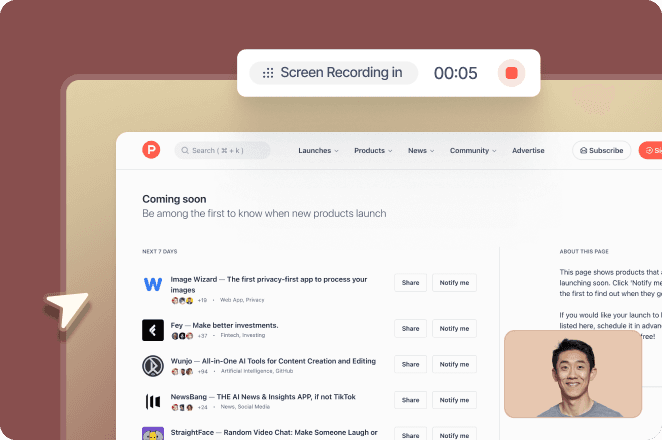
Stell dir vor, du leitest bei einem Tech-Unternehmen einen Produkt-Launch, und dein Team ist über verschiedene Zeitzonen verteilt. Der Druck ist hoch, eine umfassende Dokumentation zu liefern, damit alle auf dem gleichen Stand sind. PDF- und Video-Dokumentation sind die beiden Formate, die du in Betracht ziehst – aber welches wird deine Anforderungen am besten erfüllen? Die Anforderungen sind hoch. Eine aktuelle Studie fand, dass Bei Sicherheit ist genau hier die Bereitstellung von On-Prem-Video-Dokumentation entscheidend: Trupeer bietet eine On-Prem-Bereitstellung, sodass regulierte Teams es mit Vertrauen übernehmen können.
Unternehmen, die Video-Dokumentation nutzen, verzeichneten eine 60%ige Reduzierung der Einarbeitungszeit
, was auf sein Potenzial hinweist. Doch es gibt mehr zu berücksichtigen als nur die Geschwindigkeit. Wenn du die besonderen Stärken und Grenzen jedes Formats verstehst, kannst du eine fundierte Entscheidung treffen, die zu den Bedürfnissen deiner Zielgruppe und deinen operativen Zielen passt. Ob du Benutzerhandbücher erstellst, Trainings-Materialien produzierst oder Marketing-Content entwickelst: Das richtige Dokumentationsformat ist entscheidend für eine effektive Kommunikation und Zusammenarbeit. Dieser Leitfaden liefert einen detaillierten Entscheidungsrahmen, damit du das passende Format für deine konkreten Anwendungsfälle auswählen kannst. Teams, die Tools abwägen, starten häufig mit einem Loom-Alternativen-Vergleich, bevor sie sich auf einen Workflow standardisieren.
Warum ist die Entscheidung zwischen PDF- und Video-Dokumentation wichtig?
Die Entscheidung, ob du PDF- oder Video-Dokumentation verwendest, kann erheblich beeinflussen, wie Informationen von deiner Zielgruppe aufgenommen und behalten werden. Für Stakeholder wie Produktmanager, Customer-Support-Teams und Trainer wirkt sich diese Wahl sowohl auf die Effizienz als auch auf die Wirksamkeit ihrer Abläufe aus. PDFs werden oft wegen ihrer einfachen Verteilung und der Möglichkeit, detaillierten Text und Grafiken einzubinden, bevorzugt. Sie eignen sich hervorragend für Szenarien, in denen Nutzer bestimmte Informationen schnell finden müssen. Allerdings können sie trocken und weniger ansprechend sein, was nicht für alle Zielgruppen oder Lernstile ideal ist. Video-Dokumentation hingegen kann komplexe Konzepte leichter verständlich machen, indem sie visuelle und auditive Hinweise liefert – besonders hilfreich für visuelle Lerner.
Allerdings erfordert Video-Dokumentation mehr Ressourcen in Form von Zeit und Technologie, und nicht alle Teams sind in der Lage, qualitativ hochwertige Videos effizient zu produzieren. Zudem entstehen Herausforderungen bei Barrierefreiheit und Auffindbarkeit, was für Nutzer, die Dokumente lieber überfliegen, ein Nachteil sein kann. Laut einer Analyse von Operations-Workflows berichten Unternehmen, die strategisch das richtige Dokumentationsformat für ihre Anforderungen wählen, über eine verbesserte interne Kommunikation und eine schnellere Projektumsetzung. Diese Entscheidung geht nicht nur um die Formatpräferenz; sie bedeutet, deine Dokumentationsstrategie an die operativen Bedürfnisse deines Teams und die Erwartungen deiner Zielgruppe anzupassen.
Welche Vorteile bietet die Wahl des richtigen Dokumentationsformats?
Wenn du das passende Dokumentationsformat auswählst, kannst du die Informationsbereitstellung optimieren und die Nutzererfahrung verbessern. Hier sind die Vorteile einer fundierten Entscheidung:
Besseres Verständnis. Video-Dokumentation bietet visuelle und auditive Reize, die das Verständnis und die Speicherung verbessern können. Das ist besonders effektiv für komplexe oder dynamische Themen.
Auffindbarkeit und Barrierefreiheit. PDFs ermöglichen es Nutzern, bestimmte Begriffe oder Abschnitte schnell zu durchsuchen, wodurch sie ideal für Nachschlagewerke sind. Das kann Zeit sparen für Nutzer, die schnelle Antworten benötigen.
Engagement durch Interaktivität. Videos können interaktive Elemente wie Quizze oder klickbare Links enthalten, wodurch das Engagement steigt und dynamischere Lernerlebnisse möglich werden.
Kosteneffizienz. PDFs sind in der Regel günstiger in der Erstellung und Verteilung als Videos. Das macht sie für viele Unternehmen mit begrenzten Budgets zu einer praktischen Wahl.
Markenkonsistenz. Wenn du in der Video-Dokumentation einen Video-Prospecting-Ansatz nutzt, kann das helfen, die Markenkonsistenz durch anpassbare Vorlagen und gebrandete Visuals aufrechtzuerhalten.
Skalierbarkeit. Ein KI-gestütztes Videotool kann Inhalte schnell generieren und erleichtert so das Skalieren deiner Dokumentationsbemühungen, während dein Unternehmen wächst.
Welche Trupeer-Funktionen helfen dir, das richtige Dokumentationsformat zu wählen?
Trupeer bietet eine Reihe von Funktionen, die sowohl für PDF- als auch für Video-Dokumentation geeignet sind – damit fällt die Entscheidung leichter, welches Format für deinen konkreten Use Case am besten funktioniert.
KI-Screen-Recording mit Auto-Zoom und Klick-Erkennung
Diese Funktion ist besonders nützlich, um detaillierte Video-Tutorials und Anleitungen zu erstellen. Indem automatisch in Bereiche des Bildschirms hineingezoomt wird, in denen Klicks stattfinden, hebt sie wichtige Aktionen hervor und minimiert Verwirrung bei Zuschauern. Das ist wertvoll für Software-Demonstrationen, bei denen präzise Aktionen klar gezeigt werden müssen. Der Auto-Zoom stellt sicher, dass Zuschauer keine kritischen Details verpassen, und die Klick-Erkennung ergänzt eine interaktive Ebene, die das Video ansprechender machen kann. Im Vergleich zu statischen PDFs kann dieser dynamische Ansatz das Lernerlebnis deutlich verbessern.
Automatische SOP-Erstellung aus jeder Aufnahme
Die Fähigkeit von Trupeer, Standard Operating Procedures (SOPs) aus jeder Videoaufnahme zu generieren, überbrückt die Lücke zwischen Video- und textbasierter Dokumentation. Mit dieser Funktion kannst du den Videoinhalt in ein Textformat exportieren und so eine umfassende KI-Dokumentationsplattform nutzen, die unterschiedliche Präferenzen abdeckt. Nutzer können für einen schnellen Zugriff auf Informationen auf die geschriebene SOP zurückgreifen, profitieren aber gleichzeitig von der detaillierten Schritt-für-Schritt-Anleitung, die das Video liefert. Dieser Dual-Format-Ansatz stellt sicher, dass alle Lernstile berücksichtigt werden.
KI-Voiceover in 65+ natürlichen Stimmen
Mit der Option, aus über 65+ natürlichen Stimmen zu wählen, ermöglicht dir die KI-Voiceover-Funktion von Trupeer, den Ton an die Tonalität und den Stil deiner Marke anzupassen. Das kann besonders für globale Unternehmen vorteilhaft sein, die eine konsistente Markenstimme über verschiedene Märkte hinweg beibehalten möchten. Die anpassbare Geschwindigkeit und Tonlage geben dir zusätzlichen Einfluss darauf, wie Informationen vermittelt werden, und verbessern so Klarheit und Engagement. Diese Funktion kann aus einem einfachen Video ein hochwertiges, professionelles Stück machen, das bei Zielgruppen weltweit Anklang findet.
Multi-Format-Export: MP4, HTML, PDF, SCORM
Die Möglichkeit, Dokumentation in mehreren Formaten wie MP4, HTML, PDF und SCORM zu exportieren, bietet eine beispiellose Flexibilität. Dieses Multi-Format-AI-Dokumentationsgenerator-Tool ermöglicht es dir, Inhalte zu erstellen, die unterschiedlichen Anforderungen an die Verteilung gerecht werden. Egal, ob deine Zielgruppe digitale Dokumente oder interaktive Videos bevorzugt: Trupeer stellt sicher, dass deine Dokumentation in dem Format verfügbar ist, das für sie am nützlichsten ist. Diese Funktion vereinfacht die Erstellung umfassender Ressourcen, die sich problemlos in bestehende Systeme integrieren lassen.
KI-auffindbare Wissensdatenbank mit Timestamp-Deep-Links
Die KI-auffindbare Wissensdatenbank von Trupeer ist ein großer Schritt für die Video-Dokumentation. Indem jede Aufnahme mit Deep-Links auf Timestamp-Ebene indexiert wird, macht sie Videoinhalte auffindbar – auf eine Weise, die traditionellen Textdokumenten ähnelt. Nutzer können schnell den exakten Moment in einem Video finden, in dem ein bestimmtes Thema behandelt wird, und so Zeit sparen, die sonst für das Suchen nach Informationen aufgewendet würde. Diese Fähigkeit verbessert nicht nur die Nutzbarkeit von Video-Dokumentation, sondern macht sie auch zu einer sinnvollen Option für Nachschlagewerke, die typischerweise PDFs bevorzugen.
Wie entscheidest du mit Trupeer Schritt für Schritt zwischen PDF- und Video-Dokumentation?
Schritt 1: Definiere deine Zielgruppe und Ziele
Beginne damit, herauszufinden, für wen deine Dokumentation gedacht ist und was du erreichen möchtest. Nutze die KI-auffindbare Wissensdatenbank von Trupeer, um bestehende Materialien zu prüfen, die Einblicke in die Präferenzen deiner Zielgruppe geben könnten. Wenn du mit spezifischen Suchbegriffen suchst, kannst du feststellen, ob deine Zielgruppe eher zu Video- oder PDF-Formaten tendiert. Berücksichtige Faktoren wie das technische Know-how und wie deine Zielgruppe Inhalte bevorzugt konsumiert. Dieser erste Schritt ist entscheidend, weil er die Richtung für den Rest des Dokumentationsprozesses vorgibt und sicherstellt, dass du deine Materialien genau auf die spezifischen Bedürfnisse und Erwartungen deiner Zielgruppe zuschneidest. Genau hier wird die legislative Prozess-Video-Dokumentation nützlich – und genau solche Inhalte kann Trupeer direkt aus einer einfachen Screen-Aufnahme erzeugen.
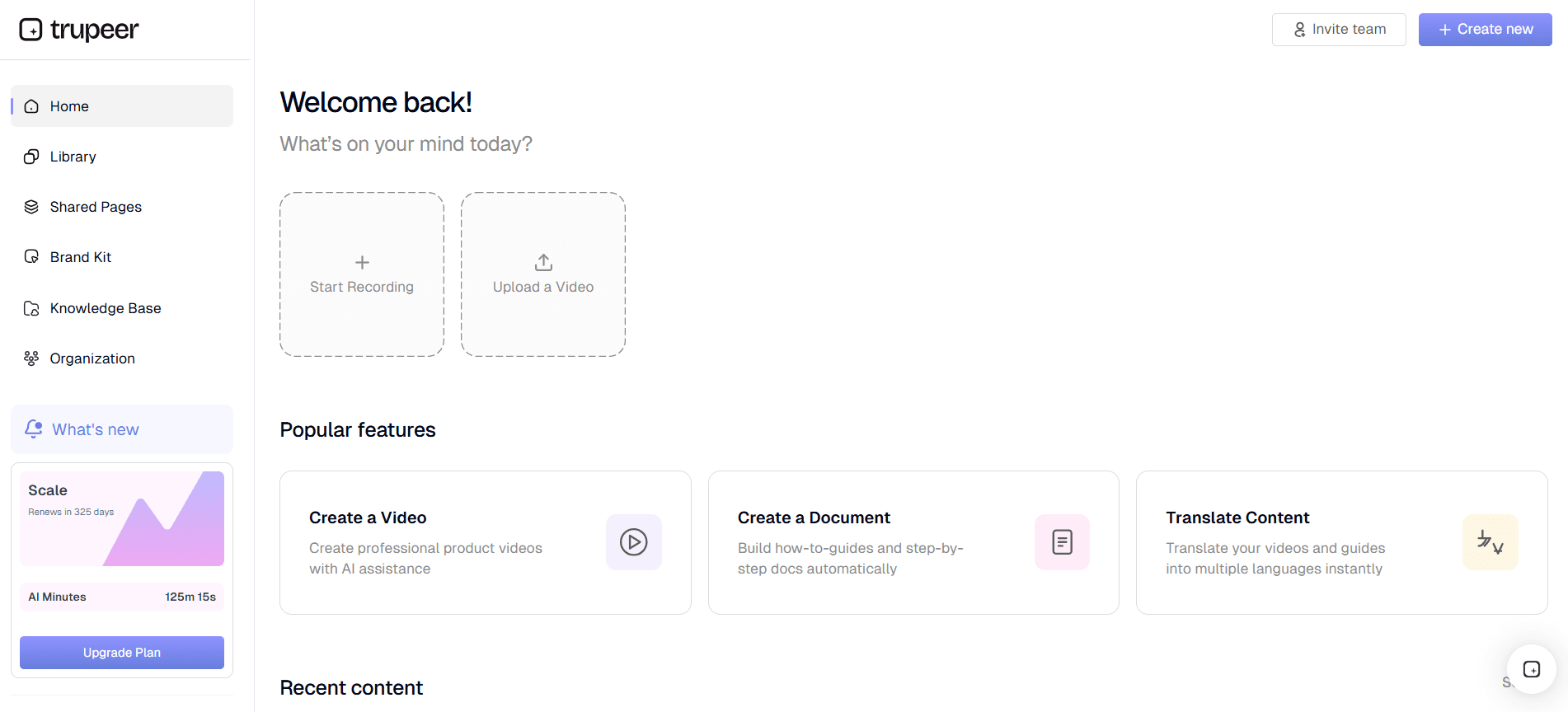
Schritt 2: Erfasse erste Inhalte
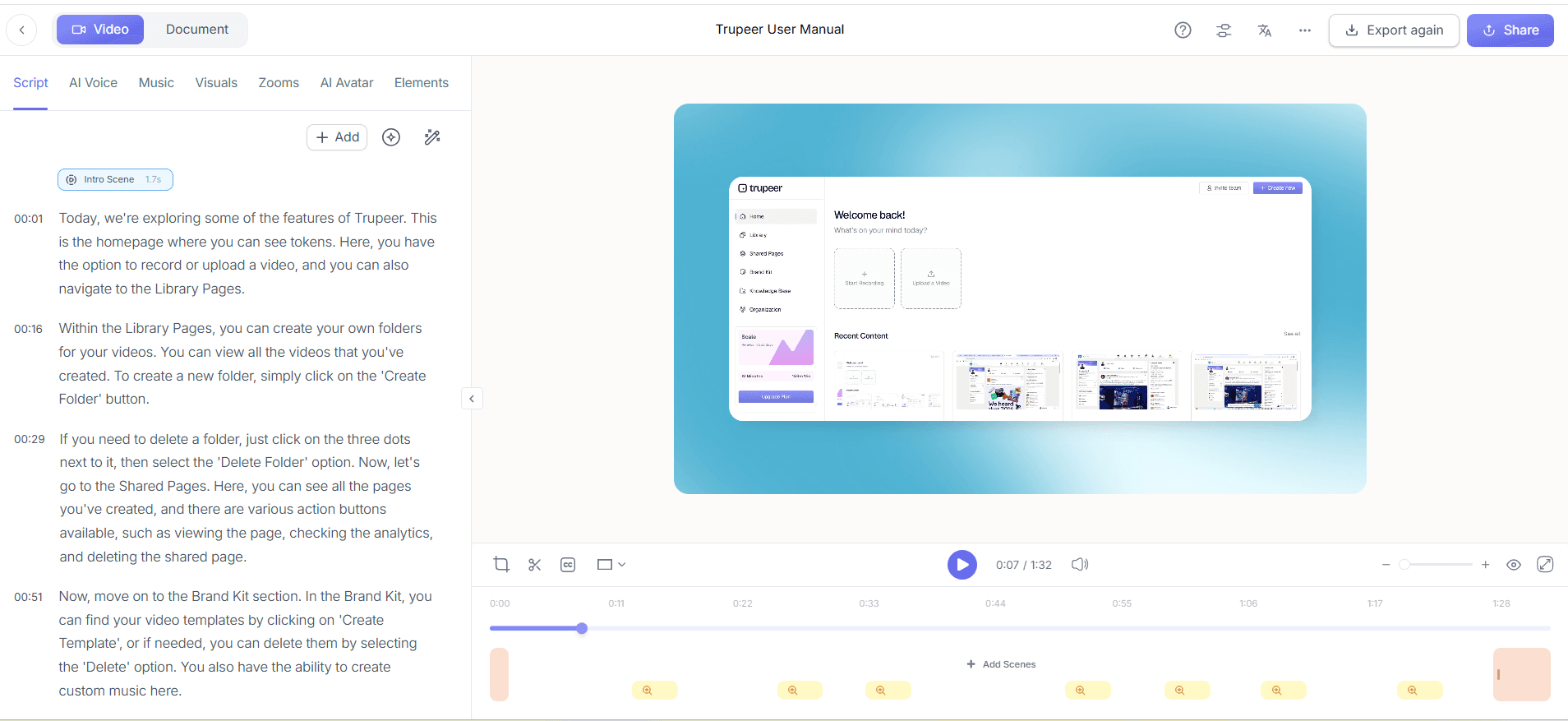
Nimm deinen Bildschirm mit dem KI-Screen-Recording von Trupeer auf – mit Auto-Zoom und Klick-Erkennung. In diesem Schritt wählst du die Bereiche deiner Software oder Website aus, die du demonstrieren möchtest. Klicke einfach in der Trupeer-Oberfläche auf „Record“, und das Tool zoomt automatisch in aktive Bereiche hinein und hebt wichtige Aktionen hervor. Diese Funktion stellt sicher, dass dein Videocontent ansprechend und leicht zu verfolgen ist. Der Aufnahmeprozess dauert normalerweise so lange wie deine Demonstration, aber die KI-Verbesserungen sparen dir später Zeit beim Bearbeiten.
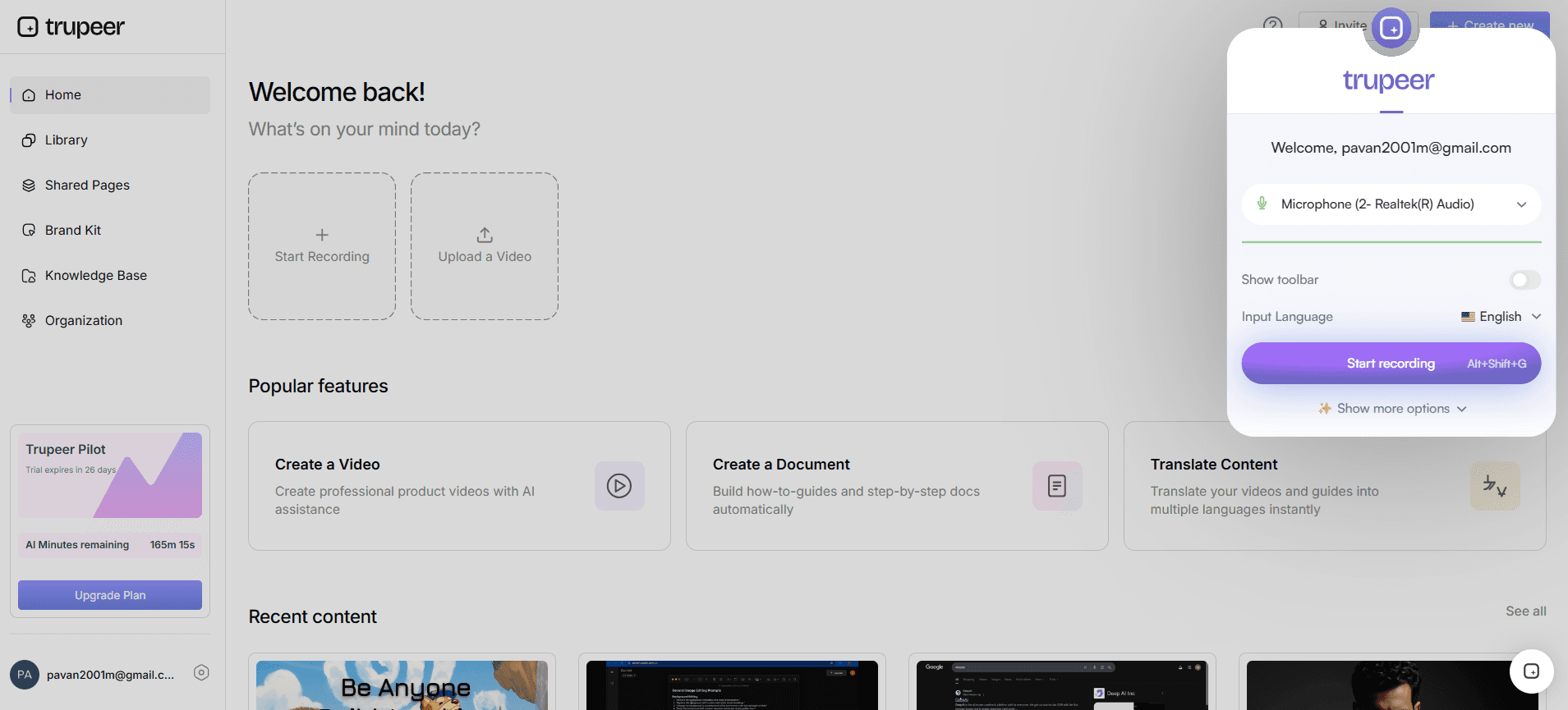
Schritt 3: Erzeuge eine SOP aus dem Video
Nachdem du dein Video aufgenommen hast, nutze die automatische SOP-Erstellung von Trupeer, um die Aufnahme in eine textbasierte Standard Operating Procedure umzuwandeln. Diese Funktion ermöglicht es dir, eine Entwurf-SOP zu erstellen, die bereit zum Bearbeiten ist. Wenn du in der Trupeer-Plattform auf „Generate SOP“ klickst, kannst du ein umfassendes Dokument erzeugen, das jeden im Video gezeigten Schritt beschreibt. Dieser Dual-Format-Ansatz stellt sicher, dass du sowohl Video- als auch Textoptionen für deine Zielgruppe bereit hast und so unterschiedliche Lernpräferenzen und -bedürfnisse abdeckst.
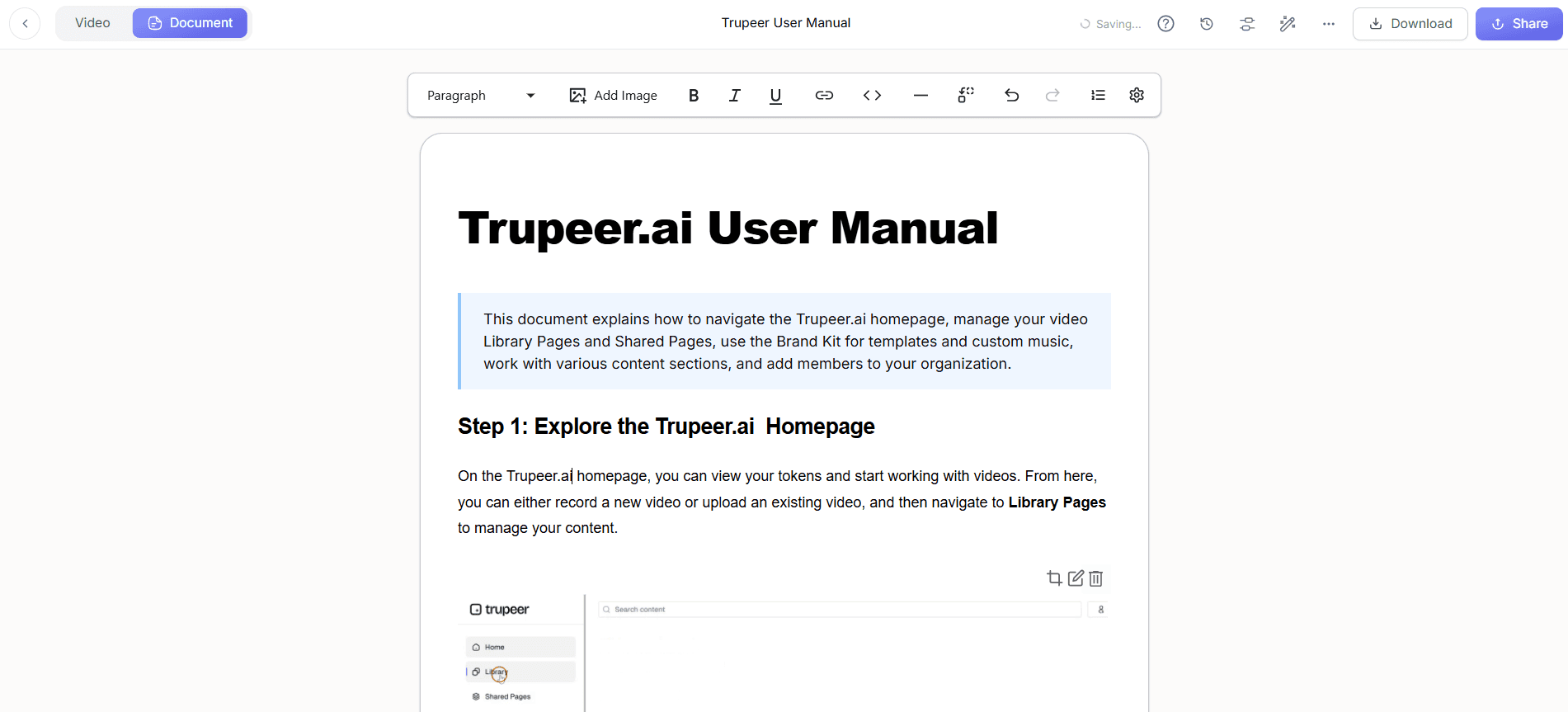
Schritt 4: Bearbeite und verbessere dein Video
Als Nächstes verbesserst du dein Video mit dem KI-Voiceover in 65+ natürlichen Stimmen von Trupeer. Wähle eine Stimme, die zur Tonalität deiner Marke passt, und klicke auf „Apply“, um die Vertonung automatisch hinzuzufügen. Passe Tempo und Tonlage an, um Klarheit und Engagement sicherzustellen. Dieser Schritt ist entscheidend, um deine Video-Dokumentation professionell und zugänglich zu machen. Das Bearbeiten kann je nach Videolänge etwa 30 Minuten dauern, aber die KI-gestützten Verbesserungen reduzieren den manuellen Aufwand deutlich.
Schritt 5: Exportiere in mehreren Formaten
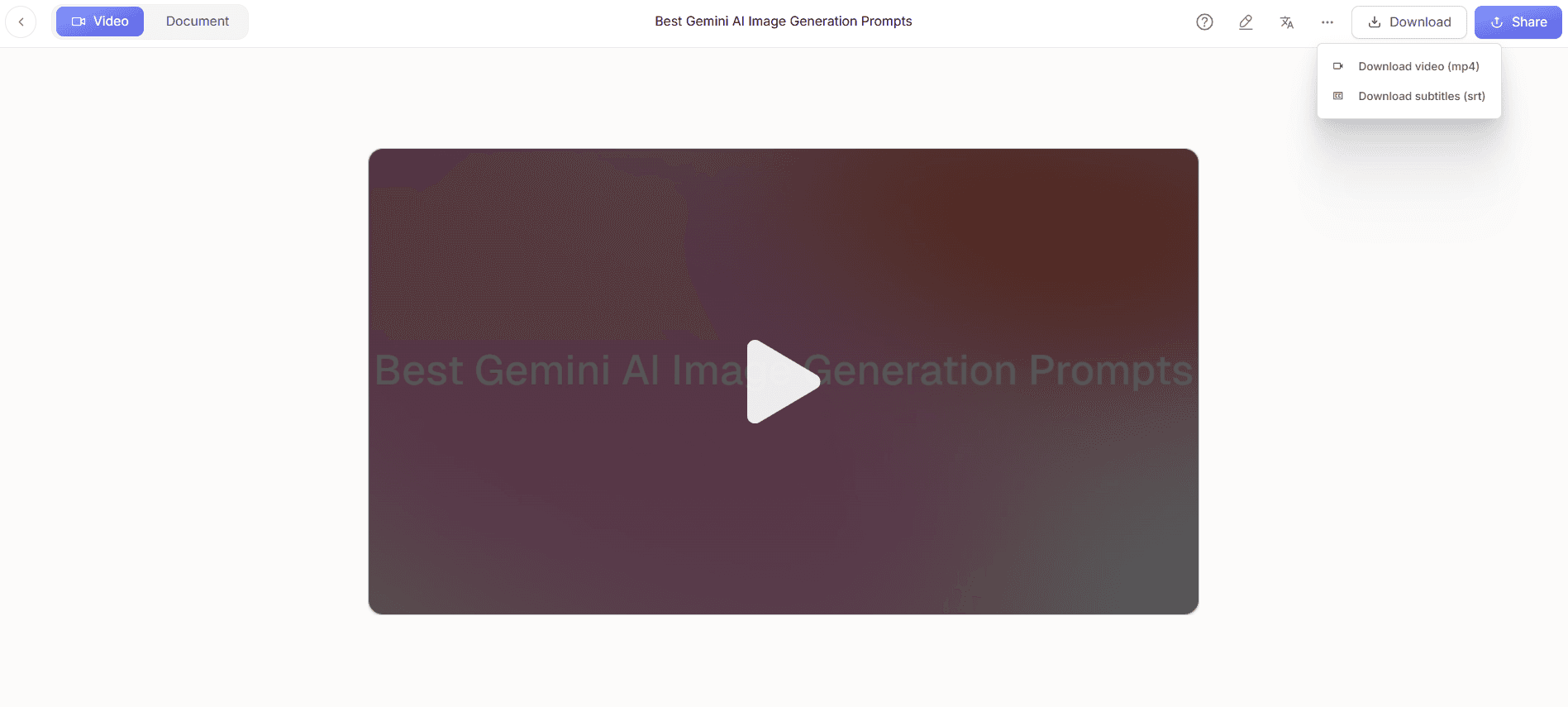
Nutze die Multi-Format-Exportfunktion, um deine Dokumentation zu verteilen. Klicke auf die Schaltfläche „Export“ und wähle aus den Formaten MP4, PDF, HTML oder SCORM. Diese Flexibilität ermöglicht es dir, deiner Zielgruppe das bevorzugte Format bereitzustellen – egal, ob sie lieber ein Video ansehen oder ein detailliertes Dokument lesen möchten. Dieser Schritt stellt sicher, dass dein Content auf verschiedenen Plattformen und Geräten zugänglich ist und maximiert so Reichweite und Wirksamkeit. Für einen tieferen Einblick behandelt unser Leitfaden zu ai video editing das angrenzende Vorgehensspielbuch.
Schritt 6: Verteilen und Engagement analysieren
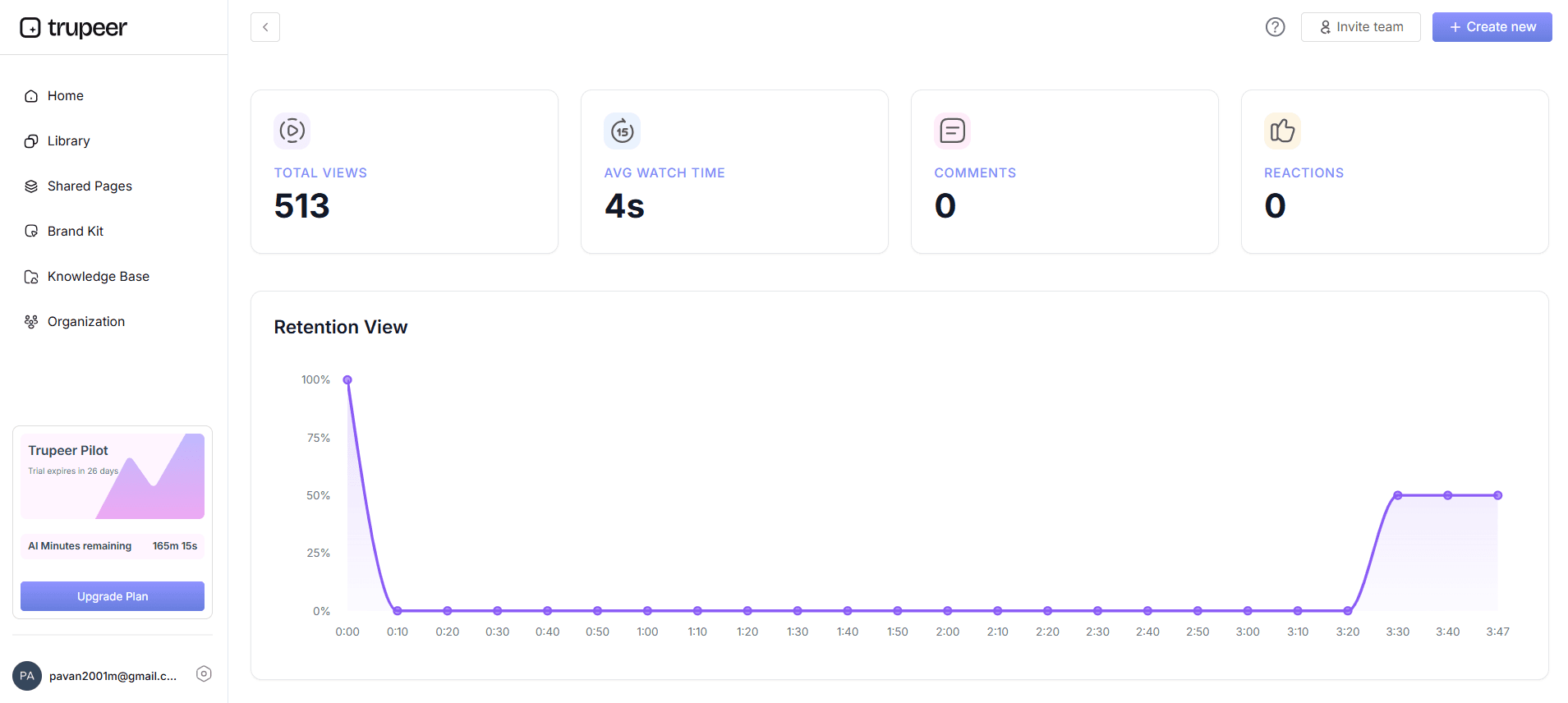
Zum Schluss verteilst du deine Dokumentation über die KI-auffindbare Wissensdatenbank von Trupeer mit Timestamp-Deep-Links. Teile die Links über deine internen Kommunikationskanäle oder Kundenportale. Nutze die integrierten Analysen, um das Engagement der Zuschauer zu verfolgen: So erkennst du, welche Abschnitte am häufigsten angesehen werden und wo es zu Abbrüchen kommt. Diese Daten helfen dir, zukünftigen Content zu verfeinern, damit er die Bedürfnisse deiner Zielgruppe erfüllt. Die Analyse des Engagements kann ein paar Tage dauern, um aussagekräftige Erkenntnisse zu sammeln, ist aber für die kontinuierliche Verbesserung unschätzbar.
Welche Tipps helfen dir, zwischen PDF- und Video-Dokumentation zu wählen?
Die Wahl des richtigen Dokumentationsformats kann herausfordernd sein, aber strategische Tipps können dich durch den Entscheidungsprozess führen. Hier sind einige praktische Tipps, die du berücksichtigen solltest:
Bewerte technische Ressourcen. Stelle sicher, dass du die notwendigen Tools und Fähigkeiten hast, um qualitativ hochwertige Videos zu produzieren, falls du dieses Format wählst. Ein Video-Trimmer-Tool kann helfen, deinen Content zu verfeinern.
Berücksichtige die Komplexität des Contents. Nutze Video für komplexe Themen, die von visuellen Demonstrationen profitieren. PDFs sind besser für unkomplizierte, textlastige Inhalte.
Prüfe die Präferenzen der Zielgruppe. Nutze Umfragen oder Feedback, um zu verstehen, ob deine Zielgruppe Inhalte lieber liest oder ansieht.
Teste beide Formate. Veröffentliche denselben Content in beiden Formaten, um zu sehen, welches besser abschneidet, und passe dann deine Strategie entsprechend an.
Nutze bestehenden Content. Verwandle vorhandene Materialien in neue Formate, um Zeit und Ressourcen zu sparen. Ein Scribe-Alternativen-Vergleich kann Einblicke in die Effizienz bieten.
Halte die Markenkonsistenz ein. Stelle sicher, dass sowohl PDFs als auch Videos mit den visuellen und tonalem Leitlinien deiner Marke übereinstimmen.
Beobachte Feedback. Sammle kontinuierlich Nutzerfeedback, um deine Dokumentation zu verfeinern und zu verbessern.
Häufig gestellte Fragen
Wie entscheide ich zwischen PDF- und Video-Dokumentation?
Die Entscheidung hängt von den Bedürfnissen deiner Zielgruppe, der Komplexität des Contents und den verfügbaren Ressourcen ab. Videos eignen sich ideal für komplexe, dynamische Inhalte, die von visuellen Erklärungen profitieren, während PDFs besser für unkomplizierte, textlastige Informationen sind, auf die Nutzer schnell zurückgreifen müssen. Erwäge, mit beiden Formaten einen Pilotversuch durchzuführen, um Feedback der Zielgruppe zu sammeln und festzustellen, welches effektiver ist. Prüfe die technischen Fähigkeiten deines Teams und dein Budget, da die Videoproduktion ressourcenintensiver sein kann.
Welche Kosten entstehen bei der Erstellung jedes Formats?
PDFs sind in der Regel kosteneffizienter in der Erstellung, da dafür nur Text- und Grafikdesign-Kenntnisse erforderlich sind. Im Gegensatz dazu verursacht die Videoproduktion oft höhere Kosten, darunter für Equipment, Software und möglicherweise professionelle Dienstleistungen für Dreharbeiten und Schnitt. Tools wie Trupeer können jedoch die Erstellung von Videos mit KI-Funktionen vereinfachen und so Zeit und Aufwand reduzieren. Für teams mit begrenztem Budget kann es eine strategische Vorgehensweise sein, mit PDFs zu starten und Videos schrittweise zu integrieren, sobald Ressourcen verfügbar sind.
Kann Trupeer bei der Video-Localisierung helfen?
Ja, Trupeer bietet KI-Übersetzungen in über 40 Sprachen, sodass es möglich ist, Videos für unterschiedliche Zielgruppen zu lokalisieren. Diese Funktion, Teil von Trupeer's Video-Localisierungstool, umfasst auch Lip-Sync-Fähigkeiten, sodass übersetzte Inhalte natürlich und ansprechend wirken. Localisierung kann die Reichweite deiner Dokumentation erweitern und sie für Nutzer zugänglich machen, die kein Englisch sprechen. Das ist besonders hilfreich für multinationale Unternehmen, die eine konsistente Botschaft über verschiedene Regionen hinweg beibehalten möchten.
Verbessert Video-Dokumentation das Nutzer-Engagement?
Ja, Video-Dokumentation kann das Nutzer-Engagement deutlich steigern, indem sie visuelle und auditive Reize bietet, die immersiver sind als Text allein. Videos können interaktive Elemente enthalten, etwa Quizze oder klickbare Links, die zur aktiven Teilnahme anregen. Studien zeigen, dass Videoinhalte die Behaltensraten um bis zu 60% erhöhen können, was sie zu einem wirkungsvollen Werkzeug für Bildung und Training macht. Die Wirksamkeit hängt jedoch von der Qualität des Videos und davon ab, wie gut es die Bedürfnisse der Zielgruppe erfüllt.
Ist es möglich, sowohl PDF- als auch Video-Formate zu integrieren?
Absolut: Die Integration von sowohl PDF- als auch Video-Formaten kann eine umfassende Dokumentationslösung bieten, die unterschiedliche Lernpräferenzen berücksichtigt. Du kannst Videos für erste Demonstrationen und PDFs für detaillierte schriftliche Anweisungen nutzen. Die Multi-Format-Exportfunktion von Trupeer unterstützt diesen Ansatz und ermöglicht es dir, zusammenhängende Content-Pakete zu erstellen. Diese Integration stellt sicher, dass Nutzer auf das Format zugreifen können, das am besten zu ihren Bedürfnissen passt, und verbessert so insgesamt das Verständnis und die Speicherung.
Was solltest du tun, wenn die Dokumentation falsch ist: beheben, ignorieren oder beides?
Falsche Dokumentation zu ignorieren lehrt alle, allen Dokumenten nicht zu vertrauen – daher muss die Korrektur vor Ort schnell und kostengünstig umsetzbar sein. Die Dokumentationssoftware von Trupeer erfasst den Prozess direkt auf dem Bildschirm und erstellt für das Team einen durchsuchbaren, aktuellen Datensatz.
Verwandte Blogbeiträge