Trupeer Blog
Zusammenfassen
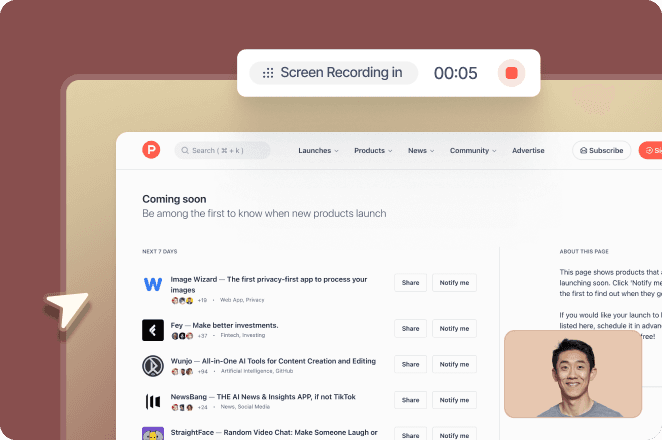
Stell dir das vor: Dein agiles Software-Team steht kurz davor, eine neue Funktion zu veröffentlichen, die das Nutzerengagement potenziell um 25 % steigern könnte. Doch ohne ein klares und prägnantes Product Requirements Document (PRD) herrscht Chaos. Entwicklungsschwerpunkte sind unklar, die Zusammenarbeit im Team leidet, und der Feature-Launch verzögert sich – und kostet dein Unternehmen sowohl Zeit als auch Geld. Dieses Szenario ist nicht ungewöhnlich, weshalb ein gut strukturierter PRD für agile Teams entscheidend ist. Er überbrückt die Lücke zwischen Vision und Umsetzung und stellt sicher, dass alle Beteiligten – von Product Managern bis hin zu Entwicklern – auf die Projektziele und Anforderungen ausgerichtet sind.Das ist genau der Punkt, an dem PRD aus dem Discovery-Meeting besonders nützlich wird – und genau die Art von Content, die Trupeer direkt aus einer einfachen Bildschirmaufzeichnung generieren kann.
In einer agilen Umgebung ist es leicht, dass Teams sich angesichts schneller Iterationen und ständiger Änderungen aus den Augen verlieren. Genau hier kommt ein PRD ins Spiel. Er fungiert als eine einzige Quelle der Wahrheit und liefert eine klare Roadmap, die deine agilen Prozesse unterstützt, ohne in die Falle zu tappen, zu starr oder übermäßig detailliert zu sein. Laut einer Studie führen Unternehmen, die effektive PRDs umsetzen, zu einer deutlichen Reduzierung von Nacharbeit – und sparen bis zu 20 % bei den Entwicklungskosten.
„Unternehmen mit effektiven PRDs sparen bis zu 20 % bei den Entwicklungskosten, indem sie Nacharbeit reduzieren.“
Dieser Blog richtet sich an Product Manager, Projektleiter und Softwareentwickler, die ihren Workflow optimieren und die Produktivität des Teams durch strukturierte Dokumentation steigern möchten. Wenn dein Team Schwierigkeiten hatte, sich auf Ziele zu einigen, Deadlines verpasst hat oder ineffiziente Kommunikation zu Problemen geführt hat, kann das Verständnis und die Umsetzung eines PRDs der Schlüssel sein, um die Situation zu drehen. Erfahre, wie Trupeer dein Product-Tour-Software-Erlebnis verbessern kann – damit es reibungslos und effektiv abläuft.
Warum ist eine PRD-Vorlage für agile Software-Teams wichtig?
In der Welt der agilen Entwicklung ist das Gleichgewicht zwischen Flexibilität und Struktur eine ständige Herausforderung. Eine PRD-Vorlage ist entscheidend, weil sie einen strukturierten Ansatz bietet, um die wesentlichen Elemente des Entwicklungsprozesses eines Produkts festzuhalten – ohne die Flexibilität zu ersticken, von der agile Teams profitieren. Für Product Manager bietet sie einen klaren Rahmen, um die Produktvision und Prioritäten zu kommunizieren, sodass alle Stakeholder ausgerichtet sind. Diese Ausrichtung ist entscheidend, um Scope Creep zu verhindern und sicherzustellen, dass das Entwicklungsteam termingerecht und innerhalb des Budgets liefern kann. Das ist die gleiche Idee hinter der process document template: den Prozess einmal erfassen und wiederverwenden, statt die Arbeit erneut zu machen.
Außerdem ist ein gut ausgearbeiteter PRD ein entscheidendes Werkzeug im Operations-Workflow eines agilen Teams. Indem der PRD User Stories, Akzeptanzkriterien und technische Anforderungen klar definiert, vereinfacht er den Entwicklungsprozess und reduziert das Risiko von Missverständnissen und Nacharbeit. Entwickler können sich darauf konzentrieren, Funktionen zu bauen, die die echten Nutzerbedürfnisse treffen, während QA-Teams eine klare Kriterienbasis haben, gegen die sie validieren können. Das beschleunigt nicht nur den Entwicklungszyklus, sondern verbessert auch die Gesamtqualität des Produkts.
Welche Vorteile bietet die Nutzung einer PRD-Vorlage in der agilen Entwicklung?
Eine PRD-Vorlage bietet agilen Teams zahlreiche Vorteile, indem sie Struktur schafft, ohne die Agilität zu beeinträchtigen. Hier sind einige der wichtigsten Vorteile:
Verbesserte Kommunikation. Ein PRD fungiert als zentrales Dokument, das sicherstellt, dass alle Teammitglieder – von Entwicklern bis hin zu Stakeholdern – ein gemeinsames Verständnis der Projektziele und Anforderungen haben. Das reduziert Missverständnisse und richtet die Arbeit auf ein gemeinsames Ziel aus.
Klarere Priorisierung. Mit einem PRD können Teams die Priorität von Features und Aufgaben klar festlegen und sicherstellen, dass die wichtigsten Elemente zuerst abgeschlossen werden. Das hilft, Scope Creep zu verhindern und das Projekt auf Kurs zu halten.
Verbesserte Zusammenarbeit. Durch die Bereitstellung eines detaillierten Projekt-Bauplans schafft ein PRD Zusammenarbeit über verschiedene Abteilungen hinweg. Er ermöglicht es den Teams, sich effektiv abzustimmen und sicherzustellen, dass Design, Entwicklung und Testing aufeinander abgestimmt sind. Deshalb passt er gut zur training document template – der Prozess und die Dokumentation stammen aus derselben Quelle.
Effiziente Ressourcenplanung. Indem der PRD den Projektumfang und die Anforderungen klar definiert, ermöglicht er eine effizientere Zuweisung von Ressourcen – sodass Zeit und Budget optimal genutzt werden.
Weniger Nacharbeit. Ein gut strukturierter PRD minimiert die Wahrscheinlichkeit von Nacharbeit, indem er klare Richtlinien und Akzeptanzkriterien bereitstellt. Das führt zu genaueren Entwicklungs- und Testprozessen.
vereinfachte Product Walkthroughs. Eine PRD-Vorlage kann die best product walkthrough software-Umsetzung erleichtern, indem sie eine klare Struktur für die Präsentation von Features liefert und Nutzern hilft, das Produkt effektiver zu verstehen.
Für globale Zielgruppen erweitert das Hinzufügen einer KI-Videoübersetzung denselben Workflow über 40+ Sprachen hinweg – mit Lip-Sync.
Welche Trupeer-Funktionen helfen dir, effektive PRDs zu erstellen?
Trupeer bietet eine Reihe von Funktionen, die die Erstellung und Verwaltung von PRDs für agile Teams deutlich verbessern können. So lassen sich die Möglichkeiten von Trupeer nutzen:
Automatische SOP-Erstellung aus jeder Aufzeichnung
Die Funktion zur automatischen SOP-Erstellung von Trupeer ist ein großer Schritt für agile Teams. Indem sie jede Bildschirmaufzeichnung in strukturierte, editierbare Dokumentation umwandelt, beseitigt sie den Aufwand für die manuelle Dokumentation. Diese Fähigkeit stellt sicher, dass dein Team schnell detaillierte PRDs erstellen kann – und dass alle auf dem gleichen Stand sind. Mit Trupeer kannst du diese Dokumente ganz einfach in mehreren Formaten exportieren, darunter HTML und PDF, sodass sie für alle Teammitglieder zugänglich sind. Diese Funktion lässt sich reibungslos in deinen bestehenden Workflow integrieren, spart Zeit und reduziert Fehler in der Dokumentation.
KI-durchsuchbare Wissensdatenbank
Trupeer's KI-durchsuchbare Wissensdatenbank indexiert jede Aufzeichnung mit Deep Links auf Timestamp-Ebene und ermöglicht es Teammitgliedern, relevante Informationen schnell zu finden. Diese Fähigkeit ist besonders wertvoll beim Erstellen von PRDs, da sie Teams erlaubt, auf frühere Entscheidungen und Diskussionen einfach zu verweisen. Durch die Bereitstellung eines umfassenden Wissensarchivs stellt Trupeer sicher, dass dein PRD durch historischen Kontext und frühere Erkenntnisse informiert ist – und reduziert so das Risiko, entscheidende Details zu übersehen. Deshalb passt sie gut zur brd document template: Das Wissen und die Dokumentation stammen aus derselben Quelle.
KI-Bildschirmaufzeichnung mit Auto-Zoom und Click-Erkennung
Mit der KI-Bildschirmaufzeichnung von Trupeer wird das Erfassen komplexer Workflows und Nutzerinteraktionen zum Kinderspiel. Die Funktionen für Auto-Zoom und Click-Erkennung sorgen dafür, dass jedes wichtige Detail hervorgehoben wird – und erleichtern es Teams, User Stories und Akzeptanzkriterien zu dokumentieren. Diese Fähigkeit ist besonders nützlich für agile Teams, die detaillierte PRDs schnell und präzise erstellen müssen. Durch klare visuelle Referenzen verbessert sie die Verständlichkeit und Vollständigkeit deiner Dokumentation.
KI-Voiceover in 65+ natürlichen Stimmen
Mit der KI-Voiceover-Funktion von Trupeer können Teams ihren Bildschirmaufzeichnungen eine Moderation hinzufügen und so zusätzlichen Kontext sowie Erklärungen bereitstellen. Mit über 65+ natürlichen Stimmen zur Auswahl können Teams Tempo und Ton an ihr Publikum anpassen. Diese Funktion ist besonders hilfreich, um ansprechende Product Walkthroughs und Demos zu erstellen – damit dein PRD nicht nur informativ, sondern auch fesselnd ist. Durch die menschliche Note hilft sie dabei, komplexe Informationen effektiver zu vermitteln.
Automatisch aktualisierte Dokumentation
Die Funktion der automatisch generierten Dokumentation von Trupeer stellt sicher, dass dein PRD mit den neuesten Änderungen aktuell bleibt. Indem die Dokumentation mit den zugrunde liegenden Aufzeichnungen verknüpft wird, werden alle Aktualisierungen an den Aufzeichnungen automatisch im PRD widergespiegelt. Diese Funktion ist entscheidend für agile Teams, die in schnelllebigen Umgebungen arbeiten, in denen sich Anforderungen und Prioritäten rasch ändern können. Indem Trupeer eine genaue und aktuelle Dokumentation beibehält, hilft es, kostspielige Missverständnisse zu vermeiden und dein Team auszurichten.
Wie erstellst du Schritt für Schritt ein Product Requirements Document mit Trupeer?
Schritt 1: Das Erstgespräch aufzeichnen
Starte, indem du den browserbasierten Recorder von Trupeer nutzt, um dein erstes Produktmeeting aufzuzeichnen. Für dieses Tool ist keine Installation erforderlich – so kannst du schnell und unkompliziert loslegen. Klicke einfach auf „Record“, um Bildschirmaktivitäten und Diskussionen zu erfassen. Die KI-Bildschirmaufzeichnung mit Auto-Zoom und Click-Erkennung stellt sicher, dass alle relevanten Details hervorgehoben werden. Diese erste Aufzeichnung bildet die Grundlage für dein PRD und hält wichtige Entscheidungen sowie Inputs der Stakeholder fest. Mit der stummen Aufzeichnung von Trupeer kannst du dich auf das Meeting konzentrieren, ohne Ablenkungen – damit nichts übersehen wird.
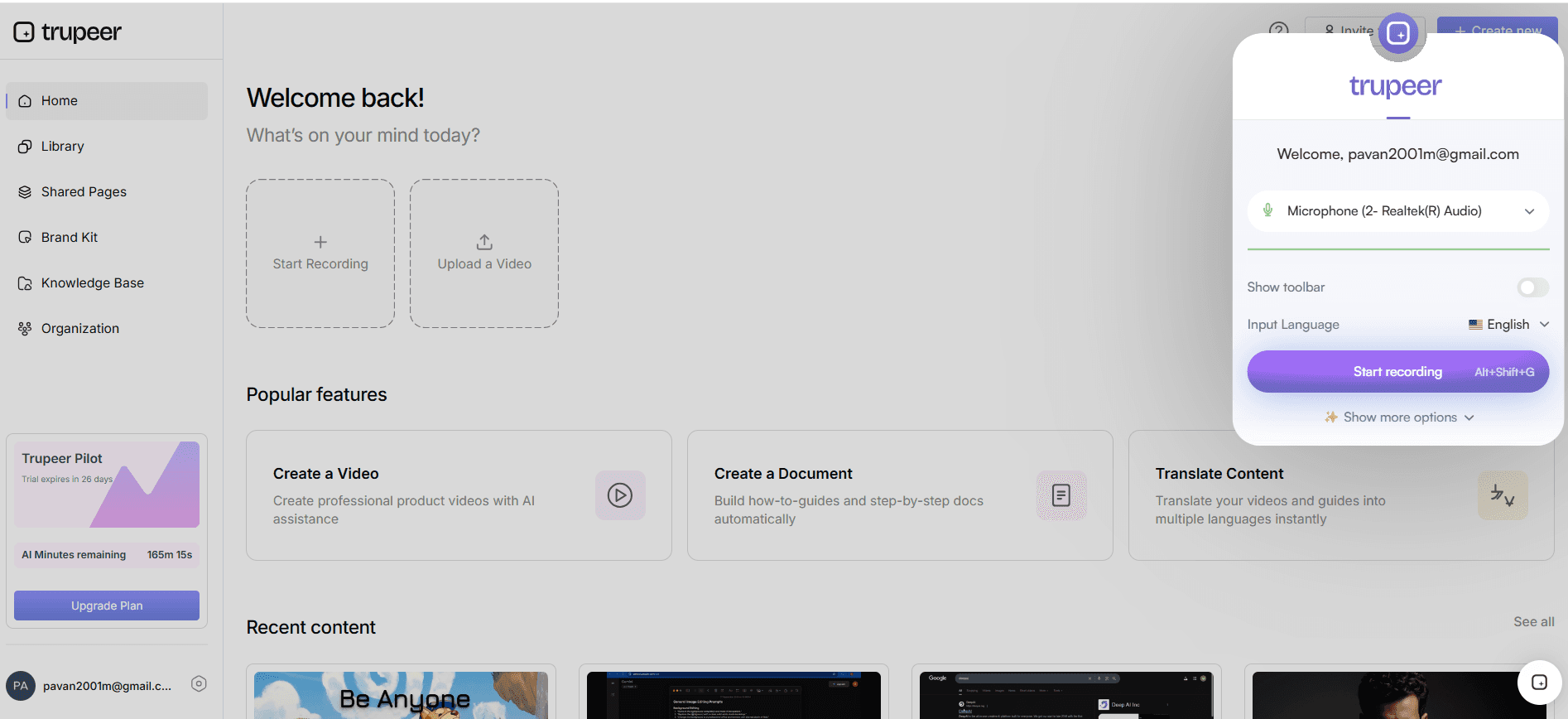
Schritt 2: Die SOP generieren
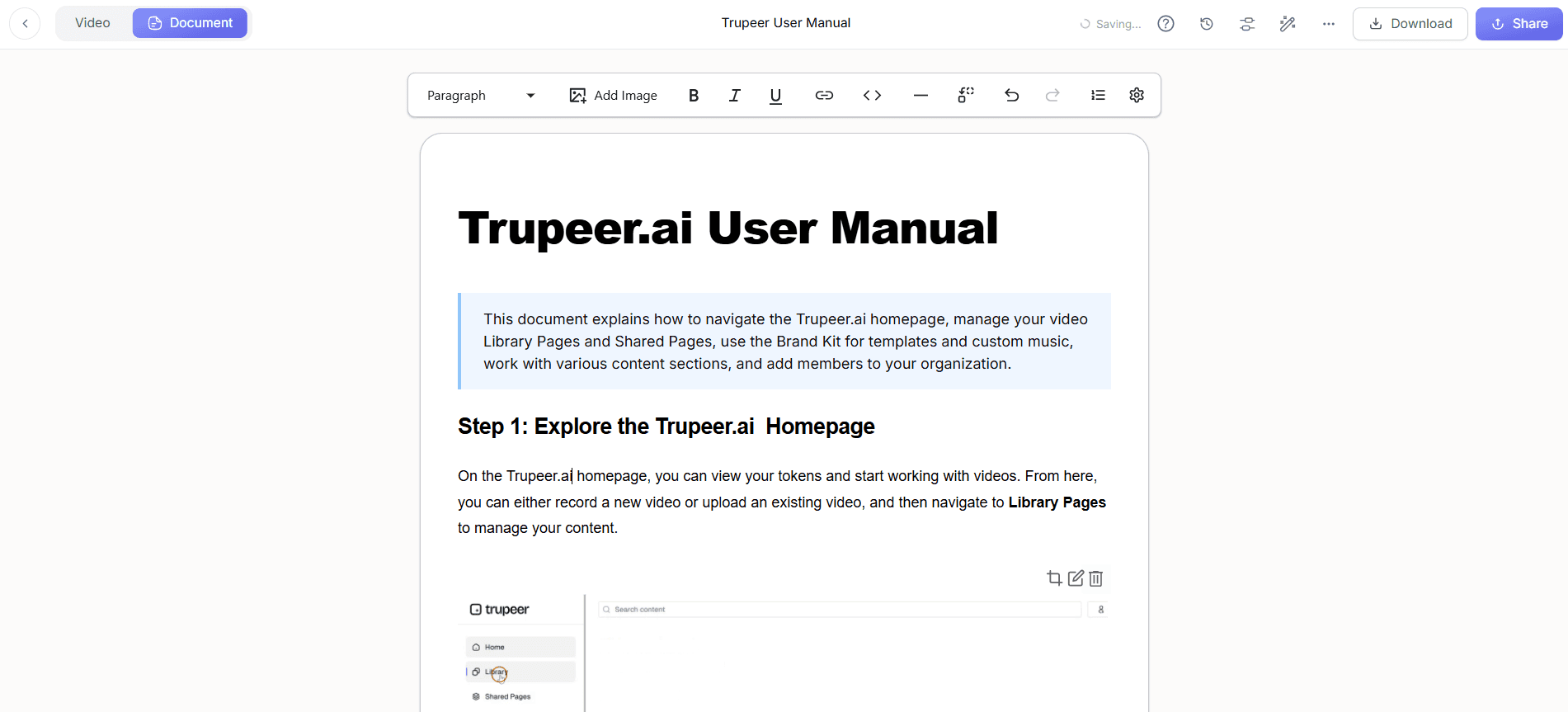
Sobald dein Meeting aufgezeichnet ist, nutze die automatische SOP-Erstellung von Trupeer. Diese Funktion wandelt deine Aufzeichnung in ein editierbares document um – perfekt, um die Kernanforderungen deines PRDs zu umreißen. Klicke auf „Generate SOP“ und wähle das gewünschte Format, z. B. HTML oder PDF, je nachdem, was dein Team benötigt. Dieser Prozess dauert in der Regel nur wenige Minuten und liefert ein strukturiertes Dokument, das jedes besprochene Detail erfasst. Bearbeite die SOP, um die wichtigsten Anforderungen und Aufgaben hervorzuheben, die während des Meetings entstanden sind. Teams, die Tools abwägen, starten oft mit einem Loom-Alternativen-Vergleich, bevor sie sich auf einen Workflow festlegen.
Schritt 3: KI-Voiceover hinzufügen
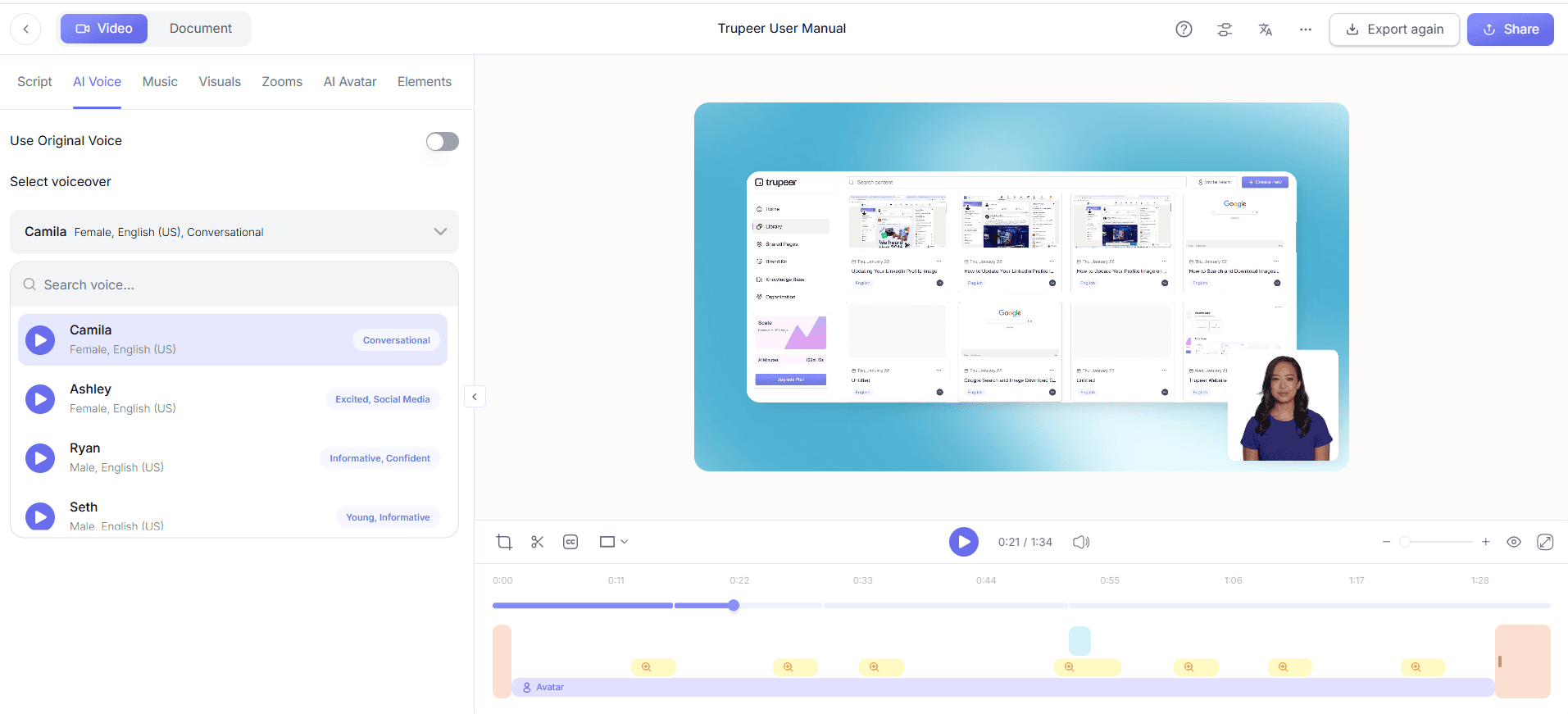
Verbessere deine dokumentierten Anforderungen, indem du über die KI-Voiceover-Funktion von Trupeer eine Moderation hinzufügst. Wähle aus 65+ natürlichen Stimmen, um deinem PRD Kontext und Erklärungen hinzuzufügen. Klicke einfach auf „Add Voiceover“ und wähle die Stimme und den Ton, die am besten zu deinem Publikum passen. Dieser Schritt ist besonders nützlich, um ansprechende und zugängliche PRDs zu erstellen – insbesondere für Remote-Teams oder Stakeholder, die Audio-Erklärungen bevorzugen. Das KI-Voiceover ist mit deinem Dokument synchronisiert und sorgt so für ein reibungsloses Erlebnis.
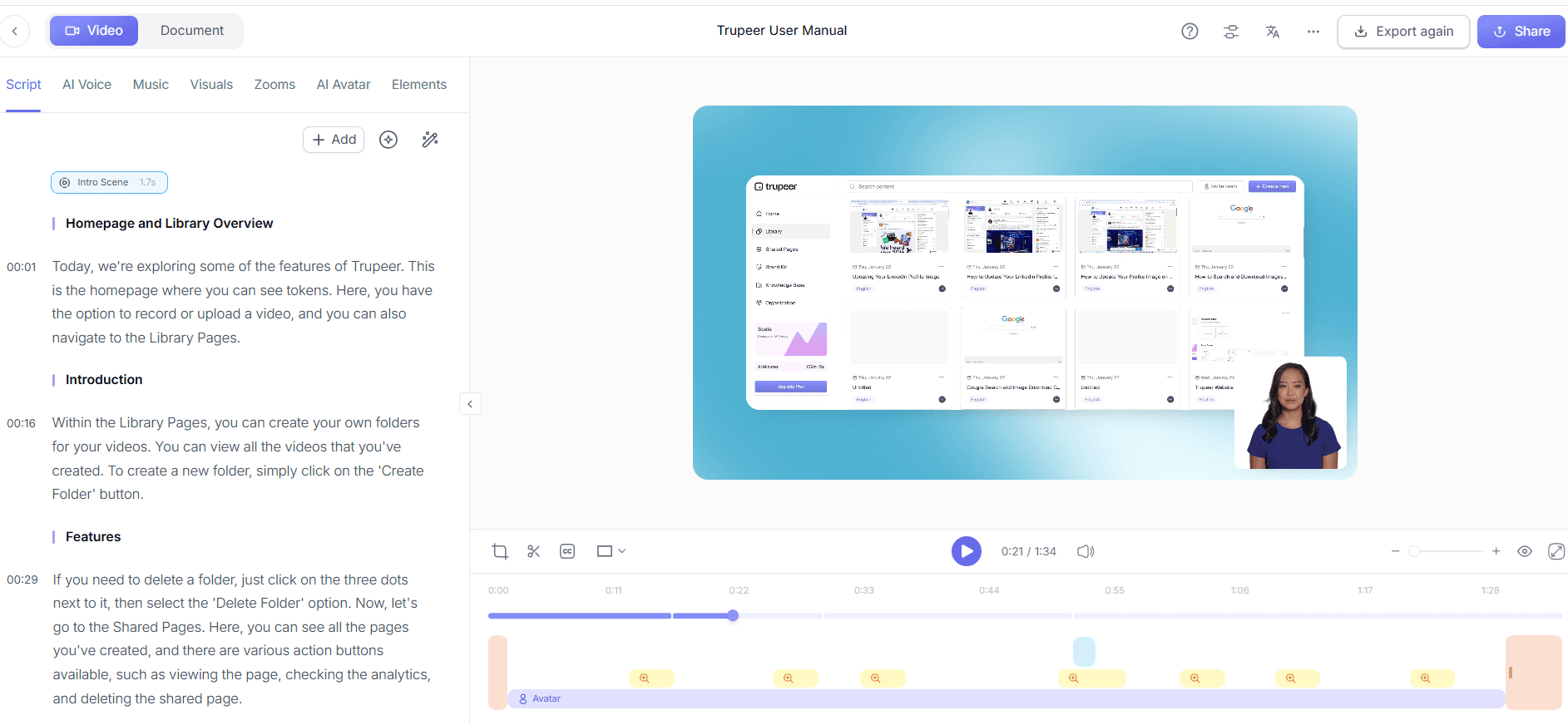
Schritt 4: Visuals mit Auto-Kapiteln integrieren
Visuals spielen in PRDs eine entscheidende Rolle. Nutze die Auto-Kapitel und die Segmenterkennung von Trupeer, um deine Aufzeichnung in gut verdauliche Abschnitte zu unterteilen. Diese Funktion organisiert deinen Content in Kapitel und erleichtert es Teammitgliedern, im Dokument zu navigieren. Klicke auf „Auto Chapters“, um die Aufzeichnung automatisch anhand wichtiger Themen zu unterteilen. Dieser Schritt verbessert nicht nur die Klarheit deines PRDs, sondern macht ihn auch benutzerfreundlicher – sodass Stakeholder die Informationen, die sie benötigen, schnell finden können.
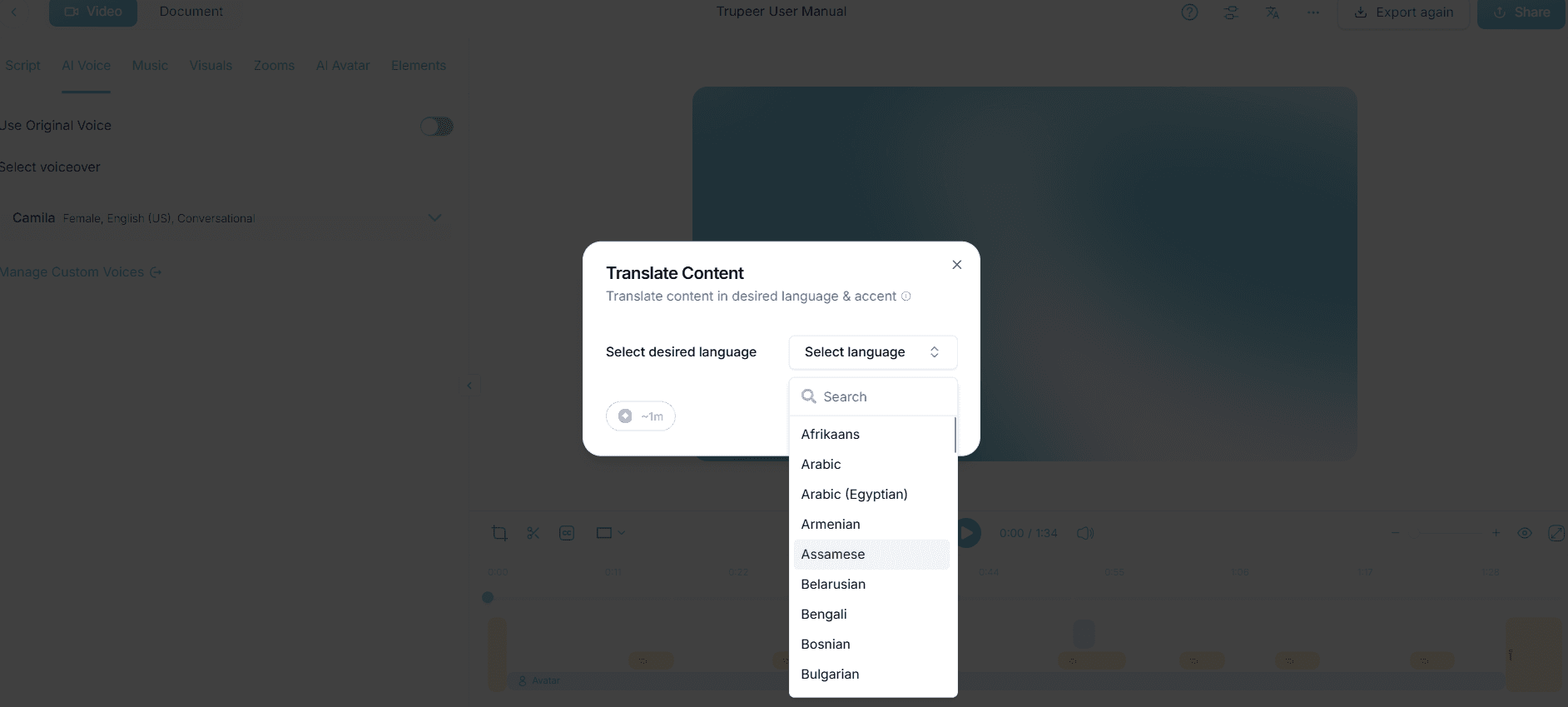
Schritt 5: Für globale Teams übersetzen
Wenn dein Team in verschiedenen Regionen arbeitet, nutze die KI-Übersetzungsfunktion von Trupeer, um dein PRD für alle zugänglich zu machen. Da die Übersetzung in 40+ Sprachen verfügbar ist, kannst du sicherstellen, dass Sprachbarrieren das Verständnis nicht behindern. Klicke auf „Translate“ und wähle die Zielsprache(n). Die KI-Dubbing-Funktion bietet außerdem Lip-Sync-Fähigkeiten, wodurch sie ideal für Video-Walkthroughs ist. Dieser Schritt stellt sicher, dass alle Teammitglieder – unabhängig von ihrem Standort – ein klares Verständnis der Produktanforderungen haben.
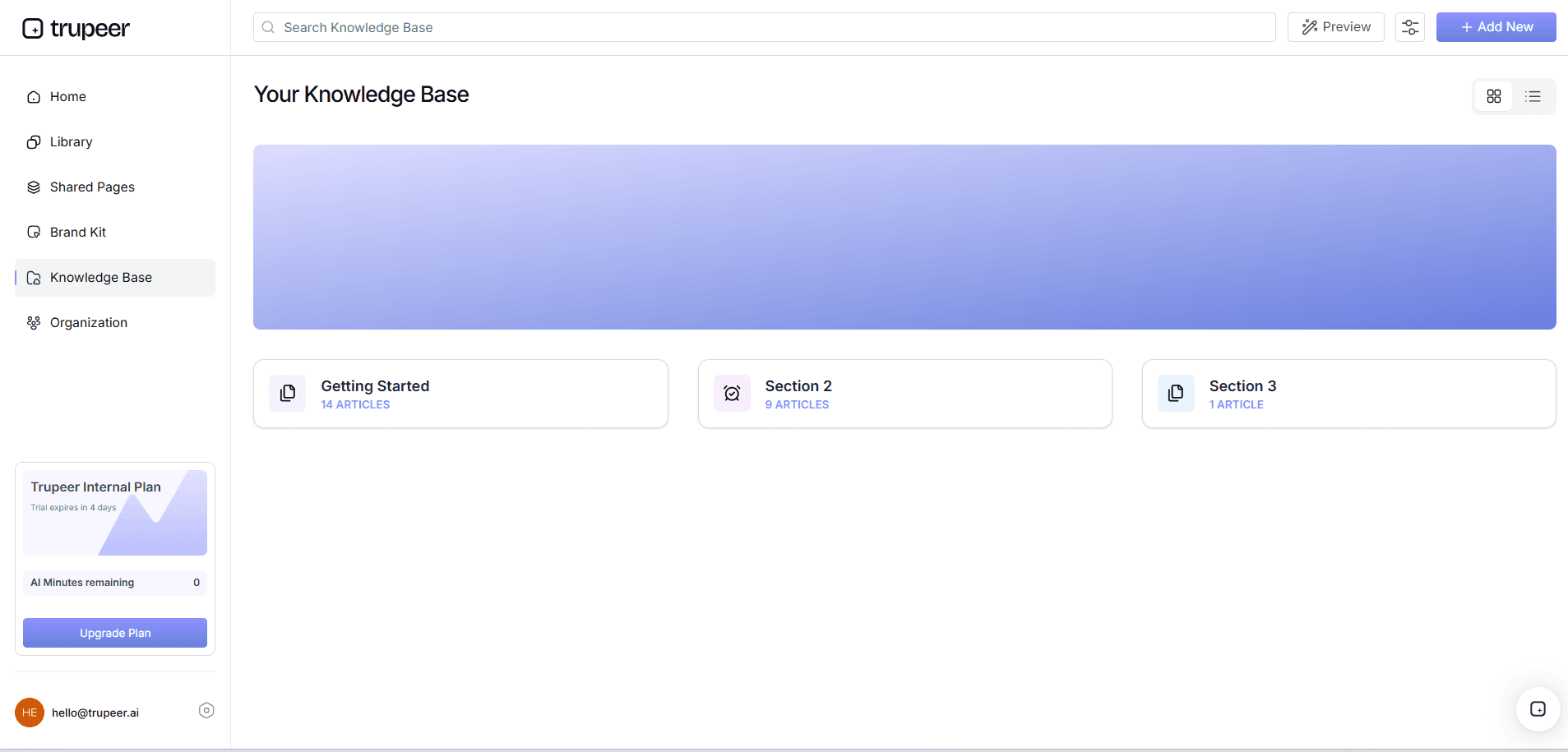
Schritt 6: Über die Wissensdatenbank bereitstellen
Teile zum Schluss dein fertiggestelltes PRD über die KI-durchsuchbare Wissensdatenbank von Trupeer. Klicke auf „Publish“, um dein Dokument auf deinem Hosting mit benutzerdefinierter Domain und SSO verfügbar zu machen. So wird der Zugriff für alle Stakeholder sicher und bequem. Die Wissensdatenbank indexiert dein PRD mit Deep Links auf Timestamp-Ebene und erleichtert so die Navigation. Dieser Schritt stellt sicher, dass dein PRD ein lebendes Dokument bleibt – zugänglich und stets aktuell – und schafft Transparenz sowie Zusammenarbeit im gesamten Team.
Welche Tipps helfen dir, ein Product Requirements Document zu erstellen?
Ein effektiver PRD muss keine schwierige Aufgabe sein. Hier sind einige praktische Tipps, um den Prozess zu vereinfachen und sicherzustellen, dass dein Dokument sowohl umfassend als auch für agile Arbeitsweisen geeignet ist.
Stakeholder frühzeitig einbinden. Beziehe wichtige Stakeholder von Anfang an ein, um unterschiedliche Perspektiven zu sammeln und die Zustimmung sicherzustellen. Eine frühe Einbindung verhindert kurzfristige Änderungen und richtet alle auf die Projektziele aus.
Anforderungen priorisieren. Definiere und priorisiere Anforderungen klar, um die Entwicklung auf die wichtigsten Aspekte zu fokussieren. Ein gut priorisierter PRD hilft, Scope Creep zu verhindern und das Team fokussiert zu halten.
Klare und prägnante Sprache verwenden. Vermeide Fachjargon und komplizierte Formulierungen. Ein PRD sollte für alle Teammitglieder zugänglich sein – unabhängig von ihrem technischen Know-how.
Regelmäßig prüfen und aktualisieren. Halte den PRD als lebendes Dokument aktuell, indem du ihn regelmäßig überprüfst und anpasst, während sich das Projekt weiterentwickelt. So bleibt die Ausrichtung erhalten und Änderungen lassen sich reibungslos integrieren.
Visuals nutzen. Ergänze textliche Beschreibungen durch Diagramme, Charts und Bilder. Visuals verbessern das Verständnis und die Merkfähigkeit – besonders bei komplexen Konzepten.
Einfache Zugänglichkeit ermöglichen. Nutze einen Scribe-Alternativen-Vergleich, um Tools auszuwählen, die einen einfachen Zugriff auf den PRD bieten – damit Teammitglieder ihn mühelos finden und jederzeit darauf verweisen können.
Eine Wissensdatenbank umsetzen. Ein knowledge base software teams customers-Tool kann alle Dokumentationen zentralisieren, sodass sie leicht durchsuchbar sind und die doppelte Arbeit reduziert wird.
Häufig gestellte Fragen
Wie kann ich einen PRD agiler gestalten?
Um einen PRD agiler zu machen, konzentriere dich auf Flexibilität und Kürze. Halte das Dokument knapp und hebe die wesentlichen Anforderungen und Ziele hervor. Nutze Bullet Points für mehr Klarheit und füge nur die entscheidenden Details hinzu, die die Entwicklung leiten – ohne zu stark zu spezifizieren. Regelmäßige Updates und Reviews sind entscheidend, um sich an Änderungen anzupassen. Binde Stakeholder häufig ein, um die Ausrichtung sicherzustellen, und priorisiere Anforderungen anhand von Feedback und sich entwickelnden Bedürfnissen. So bleibt der PRD ein dynamisches Werkzeug, das agile Arbeitsweisen unterstützt. Teams liefern diesen Workflow Ende-zu-Ende mit Trupeer's AI video platform, die rohe Aufzeichnungen in ein fertiges Ergebnis umwandelt – ohne Editor.
Was sollte in einem PRD für agile Teams enthalten sein?
Ein PRD für agile Teams sollte eine klare Projektvision, priorisierte Anforderungen, User Stories, Akzeptanzkriterien und technische Spezifikationen enthalten. Visuelle Hilfsmittel wie Wireframes oder Flussdiagramme verbessern das Verständnis. auch, spezifiziere Rollen und Verantwortlichkeiten, um die Verantwortlichkeit sicherzustellen. Aktualisiere das Dokument regelmäßig, um Änderungen abzubilden und die Ausrichtung an agilen Prinzipien zu erhalten. Indem du dich auf diese Elemente konzentrierst, dient der PRD als umfassender Leitfaden, der effektive Kommunikation und Projektumsetzung unterstützt.
Warum ist ein regelmäßiges Aktualisieren des PRDs wichtig?
Das regelmäßige Aktualisieren des PRDs ist entscheidend, um die neuesten Entwicklungen im Projekt abzubilden und die Ausrichtung an den Zielen des Teams zu erhalten. Agile Umgebungen sind dynamisch: Anforderungen entwickeln sich oft auf Basis von Feedback und Marktveränderungen. Wenn der PRD aktuell bleibt, können Teams sich an neue Prioritäten anpassen und Missverständnisse vermeiden. Diese Vorgehensweise stellt sicher, dass das Dokument ein relevantes und wirksames Werkzeug bleibt, um die Entwicklung zu steuern – und trägt letztlich zu erfolgreichen Projektergebnissen bei.
Kann Trupeer bei internationalen Team-Zusammenarbeiten helfen?
Ja, Trupeer ist ein wichtiger Faktor, um internationale Team-Zusammenarbeiten durch seine KI-Übersetzungs- und Dubbing-Funktionen zu erleichtern. Die Plattform unterstützt über 40 Sprachen, sodass Teams Dokumente und Videos für unterschiedliche Zielgruppen lokalisieren können. Diese Fähigkeit stellt sicher, dass Sprachbarrieren die Kommunikation nicht behindern und dass alle Teammitglieder ein klares Verständnis der Projektanforderungen haben. Durch reibungslose Übersetzung und Dubbing verbessert Trupeer die globale Zusammenarbeit und die Projektumsetzung.
Garantiert die Nutzung eines PRDs den Projekterfolg?
Nein, auch wenn ein PRD wesentlich zum Projekterfolg beiträgt, indem er klare Richtlinien bereitstellt und die Teamarbeit ausrichtet, garantiert er ihn nicht. Erfolg hängt außerdem von einer effektiven Umsetzung, Kommunikation und Anpassungsfähigkeit an Änderungen ab. Ein PRD dient dazu, Risiken zu mindern und Prozesse zu vereinfachen, aber andere Faktoren wie Teamdynamik, Stakeholder-Einbindung und rechtzeitige Entscheidungsfindung spielen ebenfalls eine entscheidende Rolle. Indem Teams einen soliden PRD mit agilen Arbeitsweisen kombinieren, können sie ihre Chancen erhöhen, die Projektziele zu erreichen.
Verwandte Blogbeiträge