Trupeer Blog
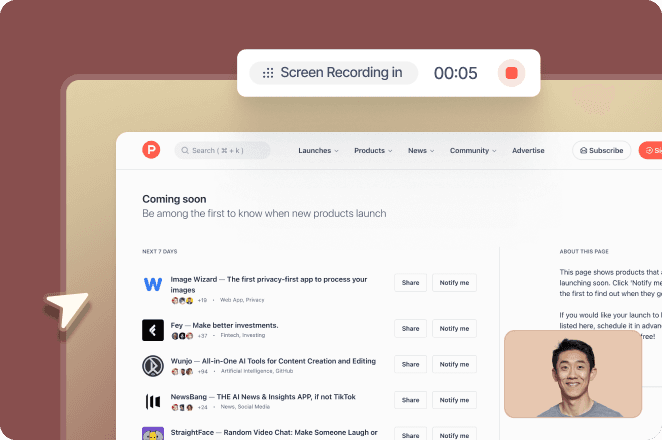
Picture this: You're in charge of presenting a new complex enterprise product to a group of potential clients. The stakes are high. Your script needs to smoothly transition from discovery to demo, ensuring the audience understands the product's value and gains confidence in your offering. But where do you start? Research shows that
75% of buyers find demos critical in their purchase decision.
You can't afford to lose them with a generic feature tour. So, how do you craft a script that engages and persuades? Teams weighing tools often start with a Loom alternatives comparison before standardizing on a workflow.
Creating an effective discovery-to-demo script is about understanding the unique challenges and needs of your audience, then tailoring your message accordingly. This isn't just about showcasing features; it's about weaving a narrative that ties discovery insights directly into the demo. This blog is for presales professionals, sales engineers, and product specialists who need a structured approach to building a compelling demo script. By focusing on the right elements, you'll guide prospects through a coherent story that highlights how your enterprise product solves their specific problems.
Why does a discovery-to-demo script matter?
In enterprise sales, a discovery-to-demo script is crucial because it aligns the product's presentation with the customer's specific needs. The discovery phase provides insights into the customer's pain points, existing processes, and desired outcomes. Without a tailored approach, your demo risks becoming a generic presentation that fails to connect with your audience. Instead, a well-crafted script uses these insights to demonstrate how your product addresses their unique challenges.
Sales teams face the challenge of capturing the attention of decision-makers who are often bombarded with information. A discovery-to-demo script helps you cut through the noise by speaking directly to their concerns. By integrating personalized discovery insights into the demo, you create a compelling narrative that resonates with stakeholders. This approach not only engages the audience but also positions your solution as a must-have to address their specific needs.
Also, a structured script supports a smooth transition from discovery to demo, ensuring that the presentation flows logically and persuasively. It allows the sales team to highlight the most relevant features and benefits, ultimately enhancing the likelihood of moving prospects down the sales funnel. The stakes are high, and you need a script that can bridge the gap between understanding customer needs and showcasing how your solution meets them. This same approach shows up in the pre sales use case, where teams apply it at scale.
What are the benefits of a discovery-to-demo script?
Crafting a discovery-to-demo script offers several benefits that enhance your sales process and improve client engagement.
Customer-Centric Approach. By tailoring the demo to specific client needs, you demonstrate a deep understanding of their challenges, which builds trust and rapport.
Increased Engagement. A script that speaks directly to the prospect's pain points captures their attention and keeps them engaged throughout the presentation.
Enhanced Persuasion. Integrating discovery insights helps you highlight relevant features and benefits, making your product more compelling and increasing the likelihood of closing the deal.
simplified Sales Process. A well-structured script reduces the time spent on unnecessary details, allowing you to focus on what matters most to the prospect. Using a make product demo video strategy can assist in this simplifying.
Consistency Across Presentations. Scripts ensure that all team members deliver the same core messages, maintaining a consistent brand narrative.
Improved Follow-Up. A clear script makes it easier to identify key takeaways and follow-up actions, facilitating a smoother transition to the next stage of the sales process.
Teams ship this workflow end-to-end using Trupeer's AI video platform, which turns raw recordings into polished output without an editor.
Which Trupeer features help you write a discovery-to-demo script?
Trupeer offers several features that enhance your ability to craft an effective discovery-to-demo script for enterprise products.
AI screen recording with auto-zoom and click detection
This feature allows you to capture high-quality demos that focus on key actions and interactions. The automatic zoom and click detection ensure that your audience doesn't miss any critical steps during the demo. It's particularly useful when you're showcasing complex workflows and need to highlight specific interactions. The clarity and focus provided by this feature help maintain audience engagement throughout the presentation. By using this capability, you can create a demo that emphasizes the product's strengths and aligns with the customer's needs.
Silent screen recording with automatic AI narration
With silent screen recording and AI narration, Trupeer enables you to create polished demos without the need for extensive post-production work. The AI-generated narration provides a consistent and professional voiceover, which you can customize to match the tone and style of your presentation. This feature is ideal for creating demos that need to be shared across different regions or for audiences who prefer narrated content. By using this capability, you ensure that your demo remains engaging and informative, regardless of the viewer's preferred format.
Automatic filler-word removal
Presentations often suffer from filler words like "um" and "ah," which can detract from the message. Trupeer's automatic filler-word removal cleans up your audio, creating a more professional and polished demo. This feature saves time and effort in the editing process, allowing you to focus on delivering a clear and concise message. By using this capability, you ensure that your demo maintains a high level of professionalism and keeps the audience focused on the content, not the distractions.
Automatic SOP generation from any recording
Trupeer's ability to generate SOPs from recordings is invaluable for teams that need to document processes and share them with clients or internal stakeholders. This feature transforms your demo into an editable, exportable document that can be used for training, onboarding, or client education. By integrating this capability, you not only provide a visual demo but also a comprehensive resource that supports the client's understanding and adoption of your product. With Trupeer's AI documentation platform, you ensure that your discovery-to-demo script translates into actionable insights for the audience.
AI-searchable knowledge base with timestamp deep-links
Trupeer's knowledge base feature allows you to create an AI-searchable repository of your demos, complete with timestamp deep-links. This capability supports easy navigation and retrieval of specific demo sections, making it simpler for clients to revisit particular parts of the presentation. The knowledge base enhances the post-demo experience by providing clients with a self-service option to explore the demo content at their own pace. By implementing this feature, you improve client satisfaction and facilitate a smoother follow-up process. The AI-searchable knowledge base is a powerful tool for maintaining ongoing engagement with your prospects.
How do you write a discovery-to-demo script step by step with Trupeer?
Step 1: Conduct Discovery and Capture Key Insights
Before you start creating your demo script, use Trupeer's AI screen recording with auto-zoom and click detection to capture initial discovery meetings with clients. This ensures that all key insights are recorded and can be revisited. Begin by using the browser-based recorder to document the client's pain points, current processes, and desired outcomes. These recordings, which automatically highlight important clicks and interactions, will serve as a critical reference point when tailoring your demo. The auto-zoom feature ensures you focus on the most relevant parts of the conversation, making it easier to pinpoint the client's main concerns during playback.
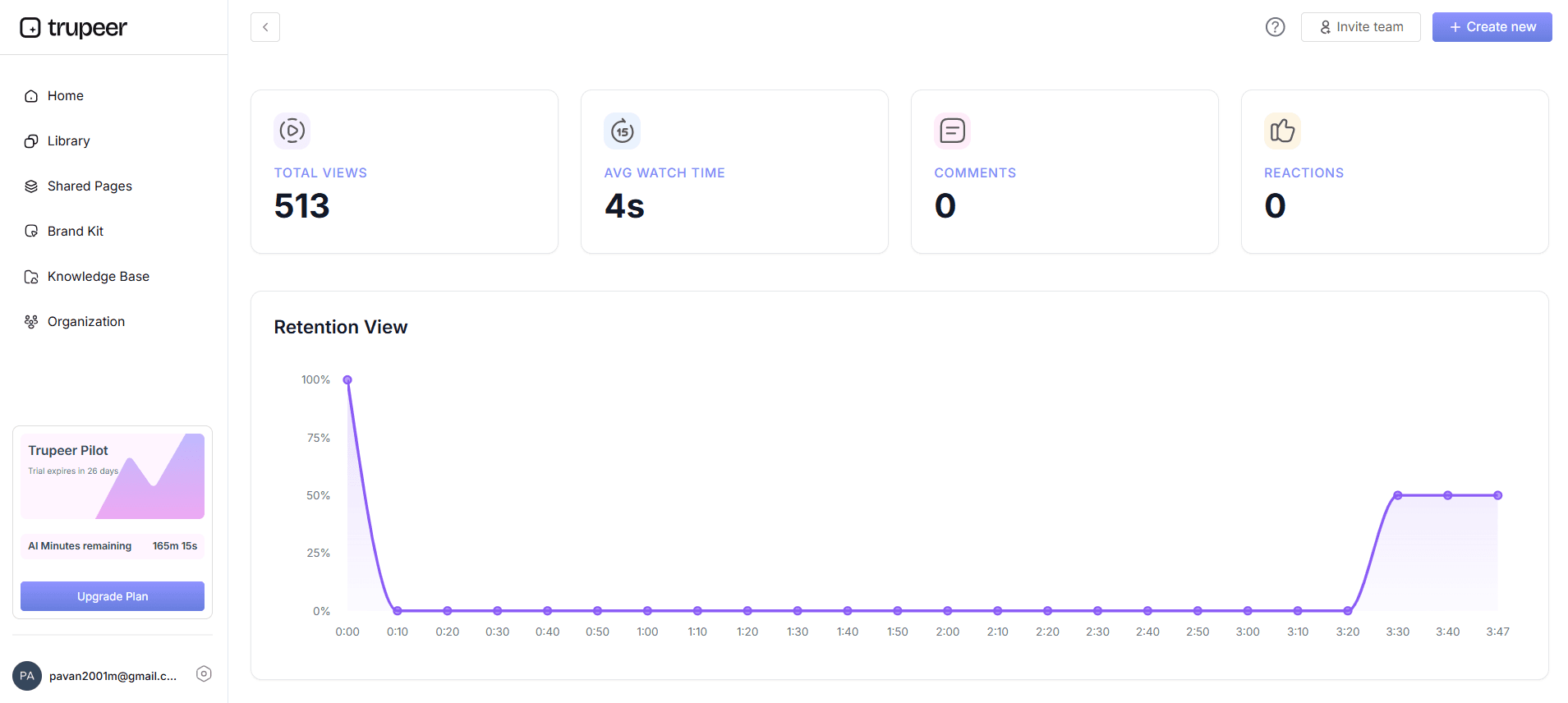
Step 2: Outline Your Script Using Captured Insights
With your discovery data in hand, outline your demo script. Start by reviewing the recordings and using Trupeer's automatic SOP generation feature to create a draft outline. This tool turns your recordings into editable documents, highlighting key points that should be included in your script. The document is exportable in multiple formats, allowing you to share it with your team for input. This step ensures that important client-specific information is not overlooked and that your script remains focused on addressing the client's unique needs.
Step 3: Record the Demo with AI Narration
Once your script is outlined, proceed to record your demo. use Trupeer's silent screen recording with automatic AI narration to create a polished presentation. Begin by clicking on the screen recording option, and let the AI-generated narration guide the audience through your demo. This feature ensures a consistent delivery style, making your demo appear professional and engaging. The AI narration can be customized to match your brand's tone, providing a smooth experience for viewers. This step is crucial for maintaining audience engagement and ensuring that the demo is as informative as possible.
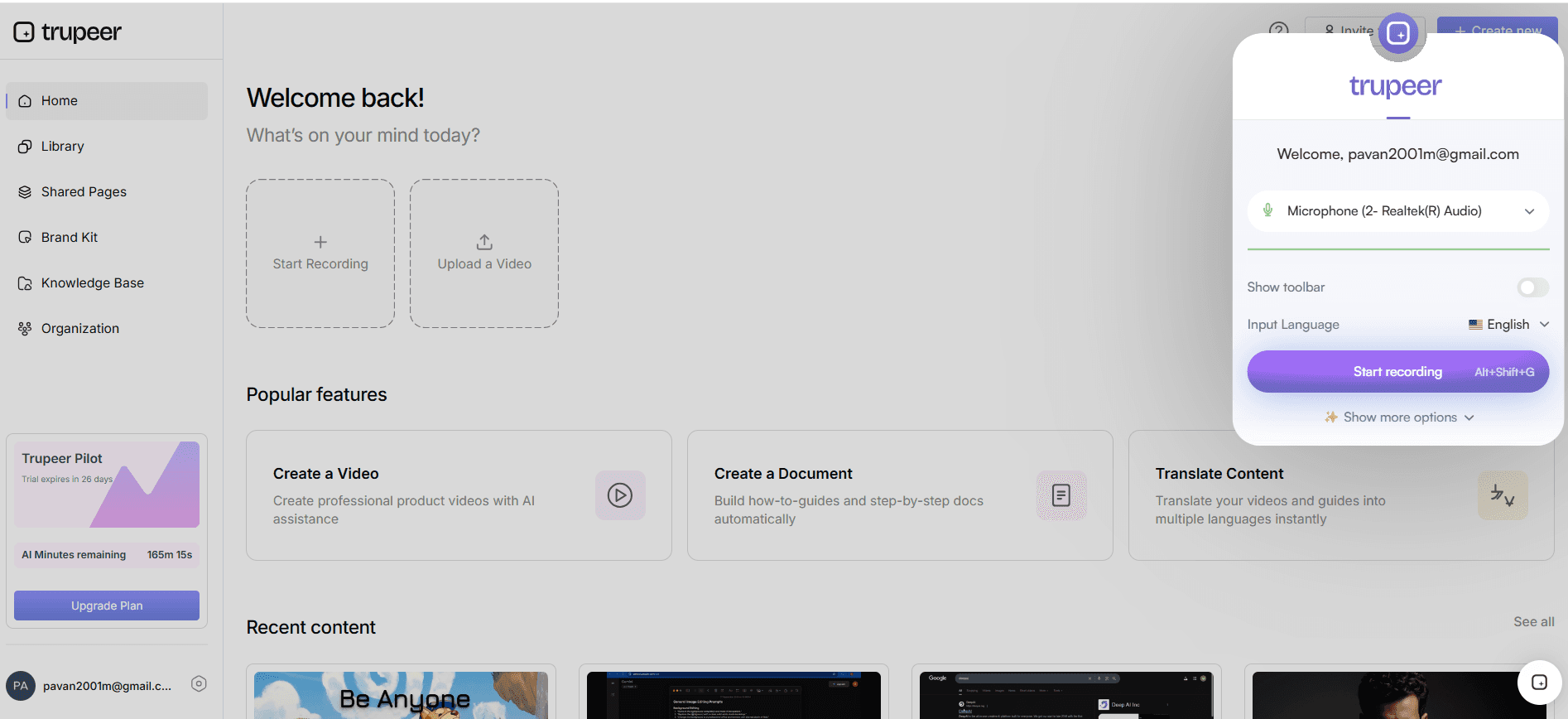
Step 4: Edit the Demo with Filler-Word Removal
After recording, use Trupeer's automatic filler-word removal to clean up the audio. Click on the editing tool, and let the AI remove unnecessary "ums" and "ahs." This feature ensures your demo sounds professional and keeps the audience's focus on the content, not distractions. The editing process is quick, allowing you to refine your demo without extensive manual effort. This step is essential for maintaining the demo's quality and ensuring that your message is delivered clearly and effectively. For a deeper look, our guide on write video script covers the adjacent playbook.
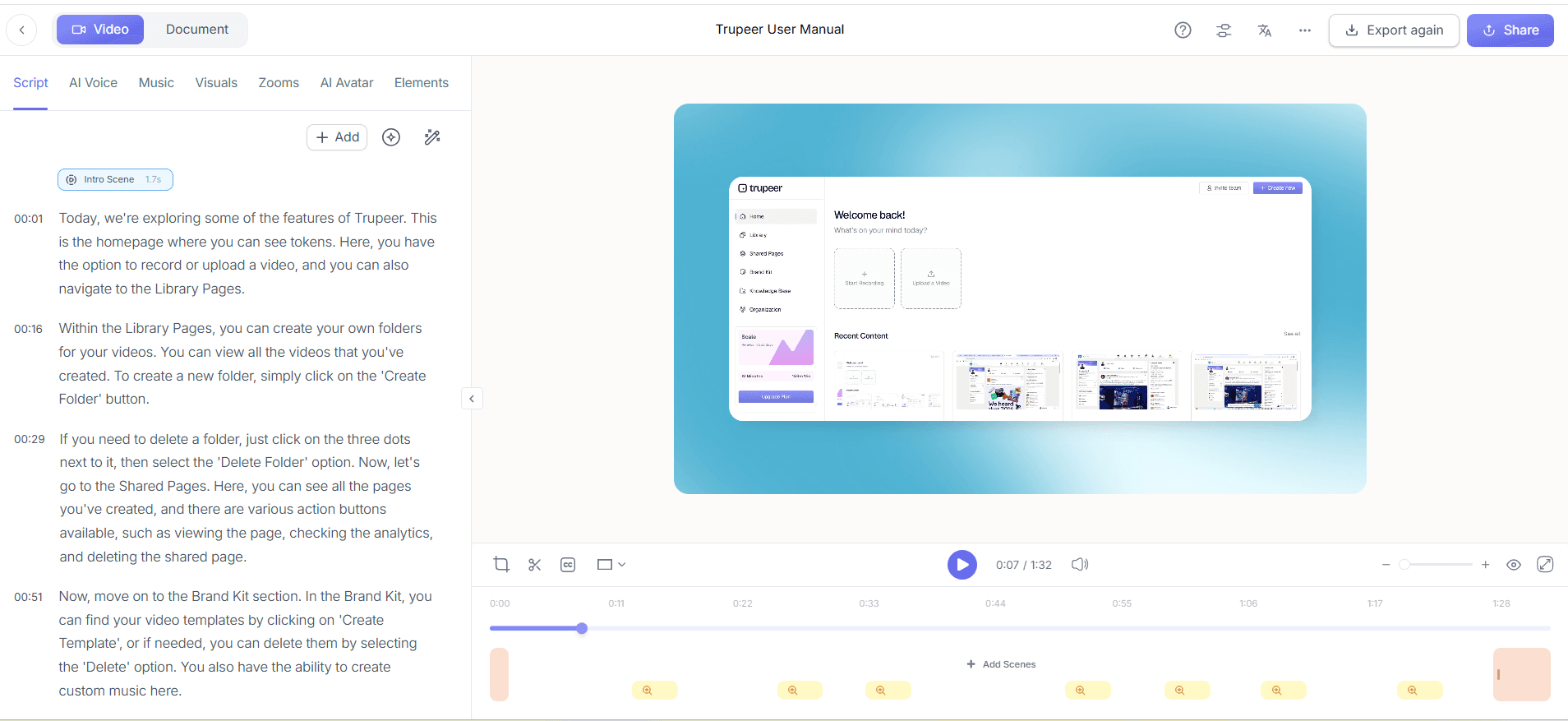
Step 5: Localize Your Demo for Global Audiences
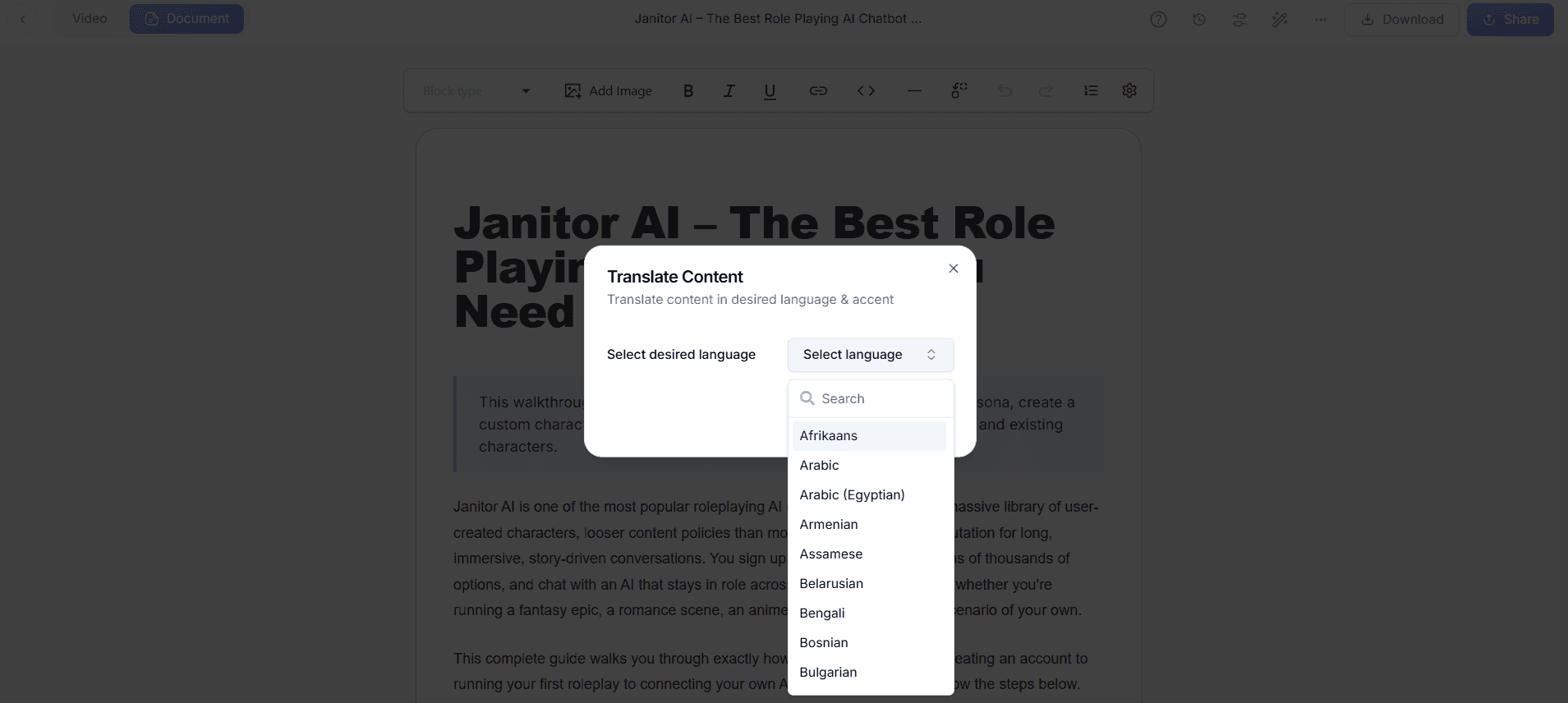
For clients in different regions, use Trupeer's AI translation into 40+ languages with lip-sync. First, select the localization feature, then choose the target language. The tool automatically translates and syncs the narration with the visual content. This capability is particularly useful for enterprises operating in multiple countries, ensuring that the demo is accessible and relevant to all audience members. The translation process is efficient, allowing you to prepare localized versions of your demo quickly. This step enhances the reach of your demo, making it a valuable tool for international sales efforts.
Step 6: Distribute and Measure Engagement
Finally, use Trupeer's AI-searchable knowledge base with timestamp deep-links to distribute your demo. Upload the demo to the platform, and generate deep-links to specific sections. This allows clients to navigate directly to parts of the demo that interest them most. Use the viewer engagement analytics to track how prospects interact with the demo. This data provides insights into which sections are most engaging and where viewers drop off. By analyzing this information, you can refine future demos for even greater impact. This step is crucial for understanding the effectiveness of your demo and guiding follow-up conversations. For global audiences, adding AI video translation extends the same workflow across 40+ languages with lip-sync.
What tips help you write a discovery-to-demo script?
Writing an effective discovery-to-demo script requires careful planning and execution. Here are some tips to ensure your script is engaging and persuasive.
Understand Your Audience. Tailor your script to address the specific challenges and goals of your audience to increase relevance and engagement.
Use a Demo Maker. use a demo maker tool to produce professional-looking presentations that maintain audience interest.
Practice Your Delivery. Rehearse your script multiple times to ensure a smooth and confident delivery during the actual demo.
Incorporate Client Feedback. Use feedback from discovery meetings to refine your script and ensure it addresses the client's key concerns.
Keep It Concise. Focus on the most impactful features and benefits, avoiding unnecessary details that might dilute your message.
Engage with Visuals. Use visual aids and demonstrations to support your narrative and keep the audience engaged throughout the presentation.
Evaluate Alternatives. Consider Scribe alternatives for SOPs to ensure you're using the best tools for your needs.
Frequently asked questions
How do you ensure a demo script is engaging?
An engaging demo script starts with understanding the audience's needs. Tailor your script to highlight how your product addresses their specific pain points. Use concise language and focus on the most relevant features. Incorporate storytelling elements to create a narrative that resonates with the audience. Practice your delivery to maintain a confident and engaging presence. Using tools like Trupeer's product demo video recording editing tool can enhance the quality of your presentation, ensuring it remains professional and polished.
What role does client feedback play in script development?
Client feedback is crucial in script development as it provides insights into the client's priorities and concerns. By incorporating feedback from discovery meetings, you can adjust your script to address specific issues, making the demo more relevant and impactful. Feedback also helps refine the script's messaging, ensuring it aligns with the client's expectations and increases the likelihood of a successful outcome. This iterative process allows for continuous improvement, leading to more effective demos that resonate with clients.
Why is localization important for enterprise demos?
Localization is important for enterprise demos because it ensures the content is accessible and relevant to a global audience. By using Trupeer's AI translation and lip-sync capabilities, you can create demos that cater to different languages and cultural contexts. This enhances the demo's reach and effectiveness, allowing you to engage with potential clients across various regions. Localization not only expands your market access but also demonstrates your commitment to meeting the needs of diverse audiences, which can be a significant competitive advantage.
Can Trupeer help with creating multilingual demos?
Yes, Trupeer excels at creating multilingual demos through its AI translation into 40+ languages with lip-sync feature. This tool automatically translates and syncs the narration with visual content, ensuring consistency and engagement. It allows you to reach global audiences effectively, catering to their language preferences and enhancing communication. By providing multilingual demos, you increase your chances of connecting with diverse client bases and expanding your market presence. This capability is particularly advantageous for enterprises targeting multiple regions.
Does a standardized script improve demo consistency?
Yes, a standardized script significantly improves demo consistency by ensuring all team members deliver the same core messages. This uniformity maintains a consistent brand narrative and ensures that key points are not overlooked. A standardized script also facilitates training and onboarding for new team members, enabling them to quickly adapt and contribute to the demo process. Consistency in delivery enhances the overall professionalism of the presentation, increasing the likelihood of a positive client response and successful outcome.
Verwandte Blogbeiträge