Trupeer Blog
Imagine you're tasked with improving your company's documentation. You've embedded videos to make information more engaging and accessible, but you're still unsure if they're making a real difference. It's a real concern; you need to justify the investment and prove that these videos enhance the overall effectiveness of your documentation. According to a study by Wyzowl, 84% of people say they've been convinced to buy a product or service by watching a brand's video. But how do you translate this into tangible benefits for your documentation?
The stakes are high. If the videos aren't contributing to better understanding or reducing support calls, then resources could be better spent elsewhere. You need a framework to measure the return on investment (ROI) of these embedded videos. This is where metrics come into play. But it's not just about counting views or likes. It's about understanding deeper engagement metrics and their impact on your business goals.
For those responsible for documentation, such as technical writers and content strategists, this measurement is crucial. You need to show that your efforts are driving real business outcomes. The right metrics can guide your strategy, ensuring your content is not just informative but transformative. As you explore how to effectively implement and measure these changes, consider the potential of training videos as part of your overall strategy.
Why does measuring the effectiveness of embedded videos in documentation matter?
Measuring the effectiveness of embedded videos in documentation is essential for several reasons. Firstly, it provides insights into how users engage with your content, enabling you to optimize it for better results. Without these insights, you're essentially flying blind, unable to make informed decisions about content investments. This becomes even more critical as businesses increasingly rely on digital documentation to communicate with customers and internal teams.
Also, effective measurement directly impacts customer satisfaction and operational efficiency. For customer support teams, embedded videos that clarify complex topics can lead to a significant reduction in support requests. This not only improves customer satisfaction but also frees up valuable resources. In fact, by understanding the customer education workflow, companies can tailor their content to address common pain points. also, for product teams, these insights can highlight features that need further clarification or enhancement, leading to a more intuitive product experience.
Finally, measuring video effectiveness aligns with broader business objectives. When documentation effectively uses embedded videos, it can enhance training processes, reduce onboarding times, and ultimately contribute to a more knowledgeable workforce. All these factors underscore the importance of having a solid framework for measuring video effectiveness, ensuring that every piece of content serves a strategic purpose.
What are the benefits of measuring the effectiveness of embedded videos in documentation?
Understanding the benefits of measuring video effectiveness can transform how you approach documentation. Here are some key advantages:
Enhanced User Engagement. By analyzing how users interact with videos, you can tailor content to better meet their needs. This leads to more engaged and informed users, ultimately improving customer satisfaction.
Reduced Support Costs. Effective videos can decrease the volume of support requests. When customers find answers through videos, it reduces the burden on support teams, leading to cost savings and improved efficiency.
Informed Content Strategy. Metrics provide insights into what works and what doesn't. This helps you refine your content strategy, ensuring that every video is purposeful and aligns with your goals. using an AI-powered video tool can enhance this process.
Improved Learning Outcomes. Videos often improve information retention compared to text alone. By measuring their effectiveness, you can ensure that your educational content leads to better learning outcomes.
Optimized Resource Allocation. Knowing which videos drive value allows you to allocate resources more effectively. This ensures that your investment in video content yields the highest possible return.
Increased Conversion Rates. Videos that effectively communicate value can lead to higher conversion rates. By tracking their performance, you can enhance the persuasive power of your content, especially when integrated into an AI video platform.
Which Trupeer features help you measure the effectiveness of embedded videos in documentation?
Trupeer offers a range of features designed to help you measure the effectiveness of embedded videos in your documentation. These capabilities provide valuable insights and tools to optimize your content strategy.
Viewer Engagement Analytics
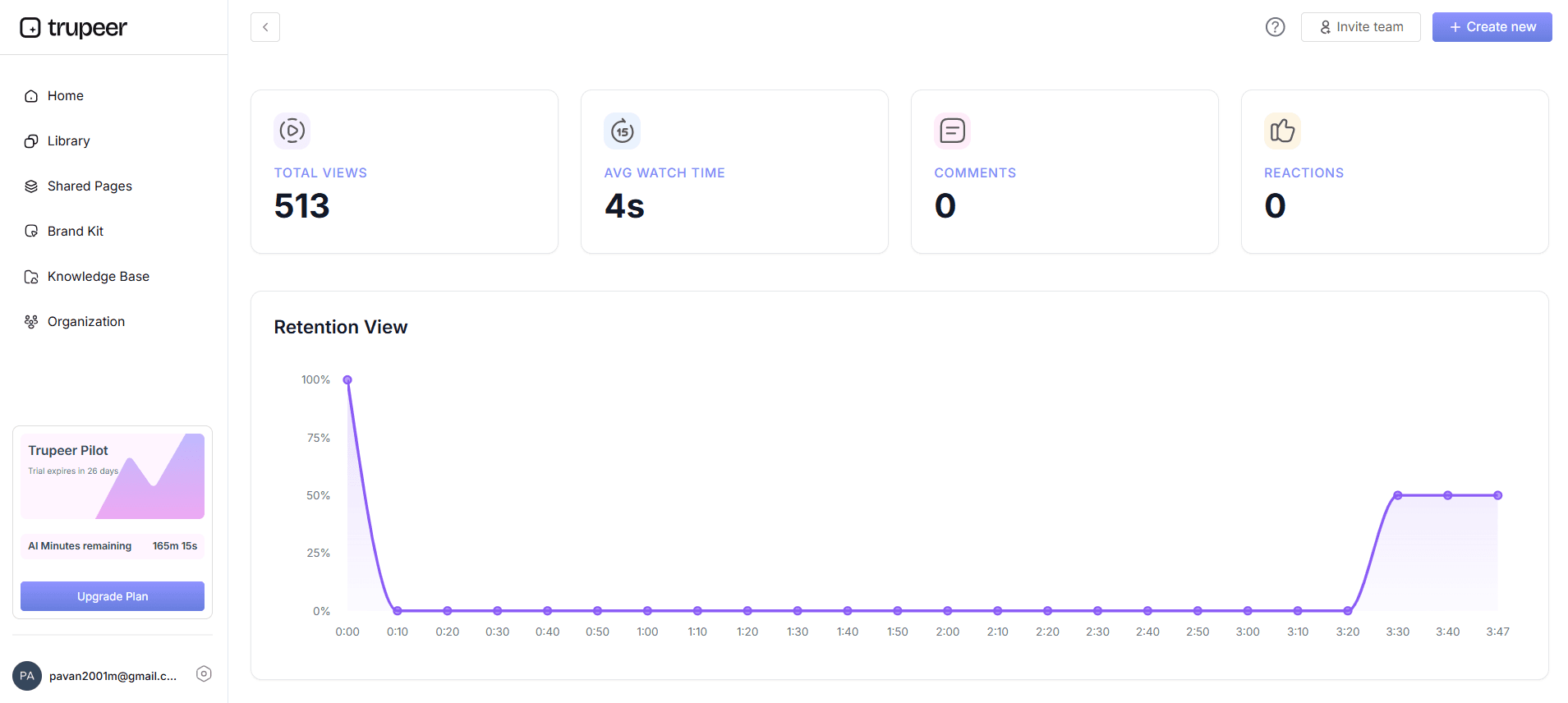
Trupeer's Viewer Engagement Analytics provides detailed insights into how users interact with your videos. You can track metrics such as watch time, drop-off rates, and interactions. This data helps you understand which parts of your videos are most engaging and which may need improvement. By examining these metrics, you can make informed decisions to enhance your video content, ultimately improving its effectiveness in your documentation.
Collaborative Review and Approval Workflows
With Trupeer's Collaborative Review and Approval Workflows, you can simplify the process of creating and refining video content. This feature allows team members to provide feedback and collaborate in real-time, ensuring that every video meets quality standards and aligns with business goals. By incorporating structured reviews, you can ensure that your videos not only engage viewers but also deliver the intended message clearly and effectively.
AI-Searchable Knowledge Base
Trupeer's AI-searchable knowledge base is a powerful tool for measuring video effectiveness. It indexes all your videos, making them easy to search and navigate. Users can quickly find relevant content, enhancing their learning experience. The knowledge base's analytics features provide insights into user search behavior, allowing you to identify content gaps and optimize your documentation strategy.
Auto-Generated Documentation
Trupeer's documentation generator automatically creates documentation from video content. This feature simplifies the documentation process and ensures consistency across your content. By analyzing how users interact with this auto-generated documentation, you can gauge the effectiveness of your videos in conveying complex information. This feedback loop is essential for continuous improvement and ensuring that your documentation remains valuable and relevant.
Easy Video Editing Software for Training Videos
Using Trupeer's easy video editing software for training videos, you can effortlessly enhance your video content. This tool offers AI-driven editing capabilities, such as automatic filler-word removal and voiceover options, which help create polished and professional videos. By producing high-quality content, you can improve viewer engagement and retention, ultimately leading to more effective documentation.
How do you measure whether embedded videos improve documentation effectiveness step by step with Trupeer?
Step 1: Record Your Video
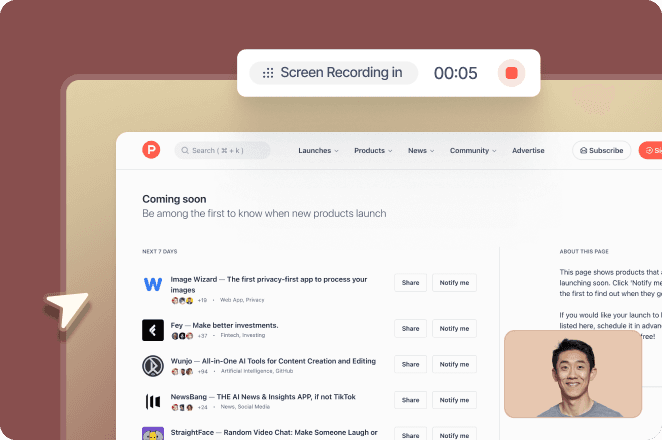
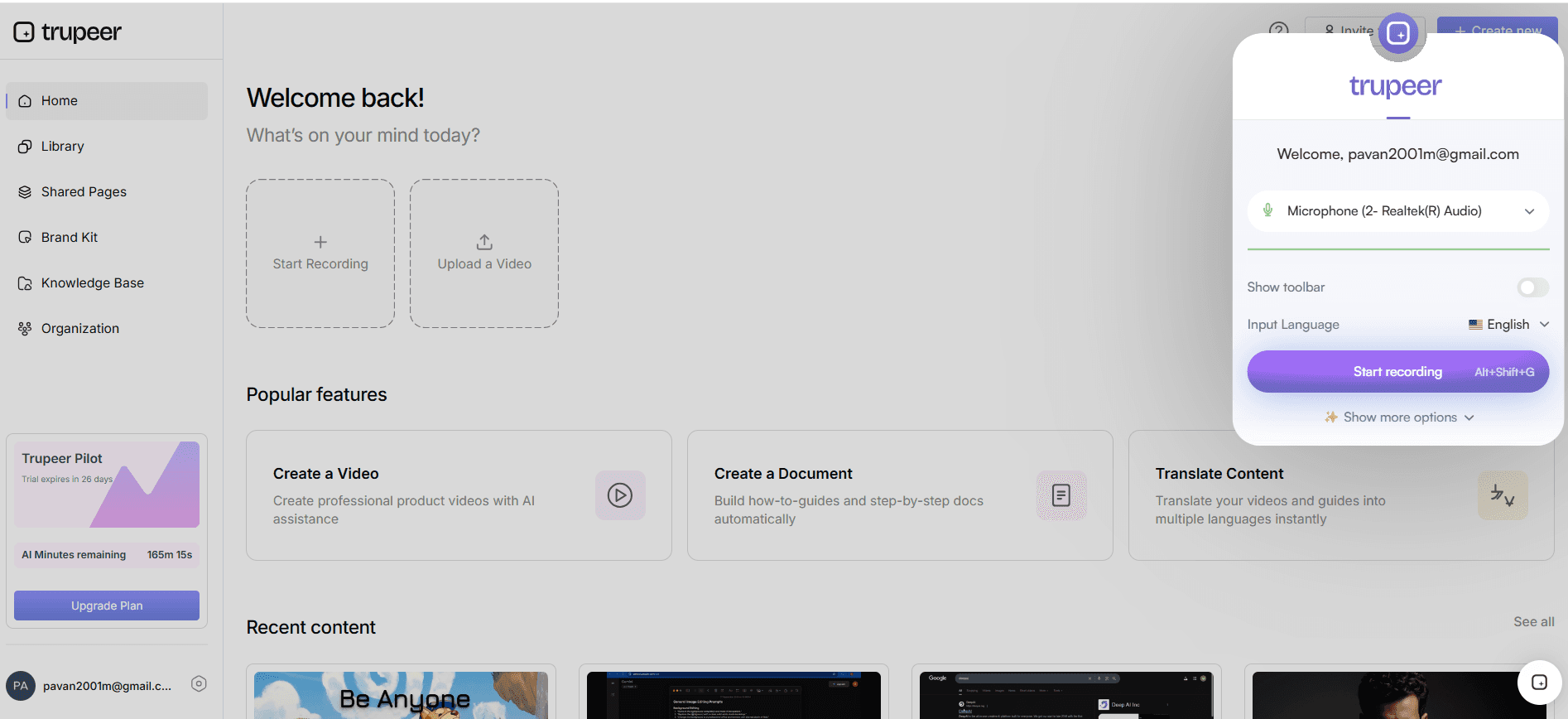
Begin by capturing the video content you want to embed into your documentation using Trupeer's AI screen recording with auto-zoom and click detection. This feature allows you to record high-quality videos without installing any software, thanks to its browser-based recorder. You simply click the record button, and Trupeer will automatically focus on key actions, providing a clear and concise visual guide. This step typically takes as long as the process you're demonstrating, ensuring that no details are missed. If interruptions occur, you can pause and resume recording smoothly.
Step 2: Edit and Enhance Your Video
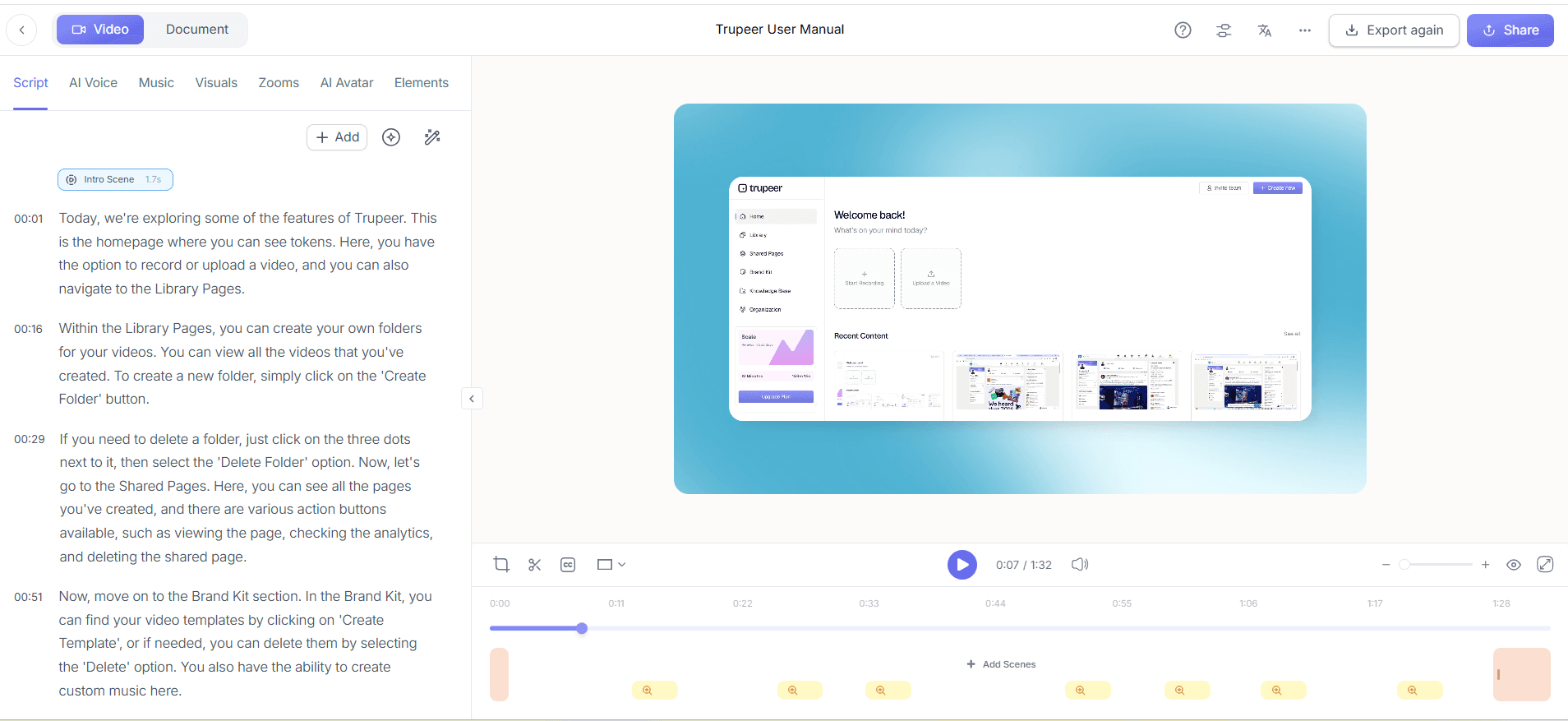
Once your recording is complete, use Trupeer's easy video editing software for training videos to refine your content. This tool automatically removes filler words and long pauses, making the video more engaging. You can also add AI-generated voiceovers from a selection of 65+ natural voices. This step usually takes about 30 minutes, depending on the length and complexity of your video. Consistency in style can be achieved with brand kits and branded templates, ensuring your content aligns with your company's visual identity. Teams weighing tools often start with a Loom alternatives comparison before standardizing on a workflow.
Step 3: Generate Auto-Updated Documentation
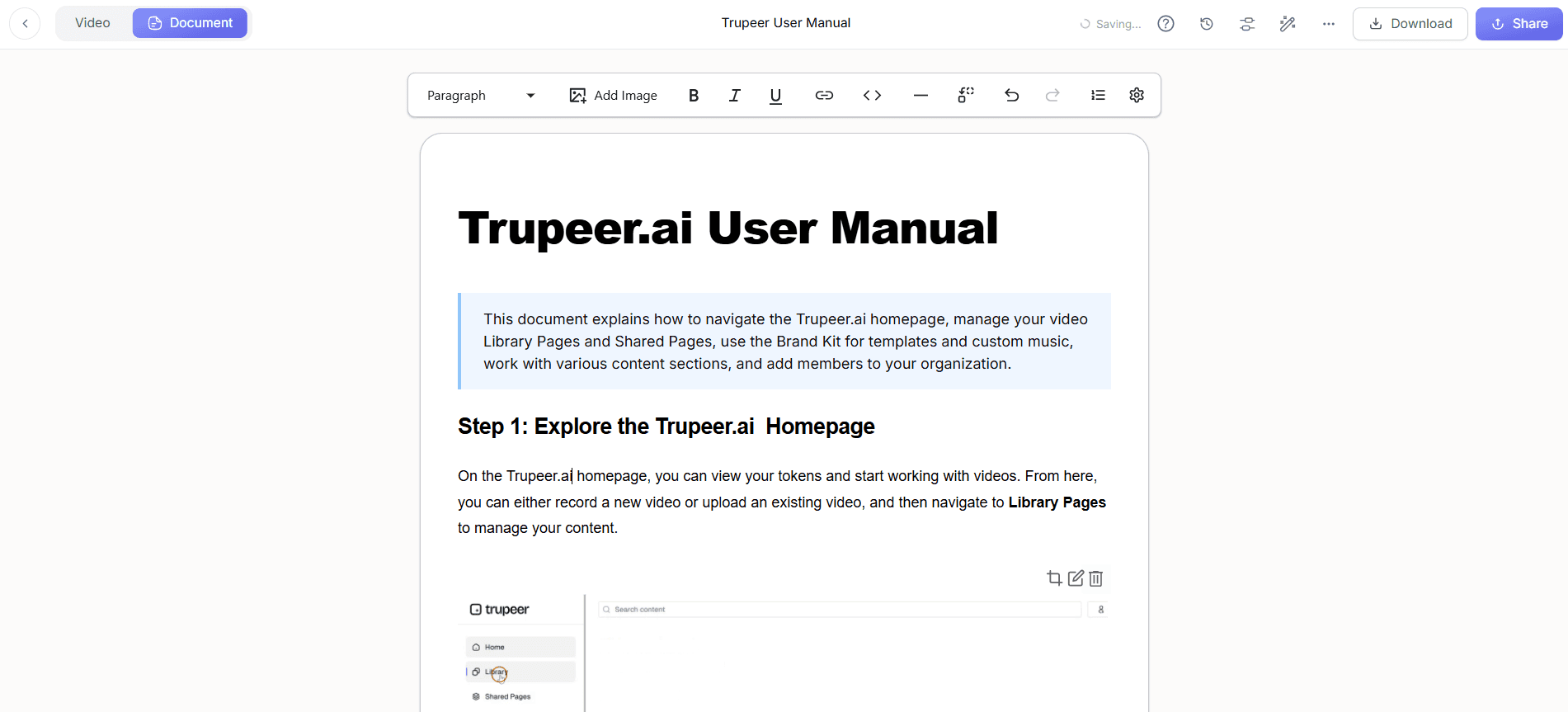
With Trupeer's auto-generated documentation feature, transform your video into comprehensive documentation. This tool creates edit-ready SOPs and allows you to link the documentation directly to the video, ensuring it stays updated with any future changes. This step is particularly efficient, as it takes just a few minutes to generate and export documentation in formats such as MP4, HTML, and PDF. If changes are made to the video, the documentation will automatically update, reducing the need for manual revisions.
Step 4: Embed Videos in Your Knowledge Base
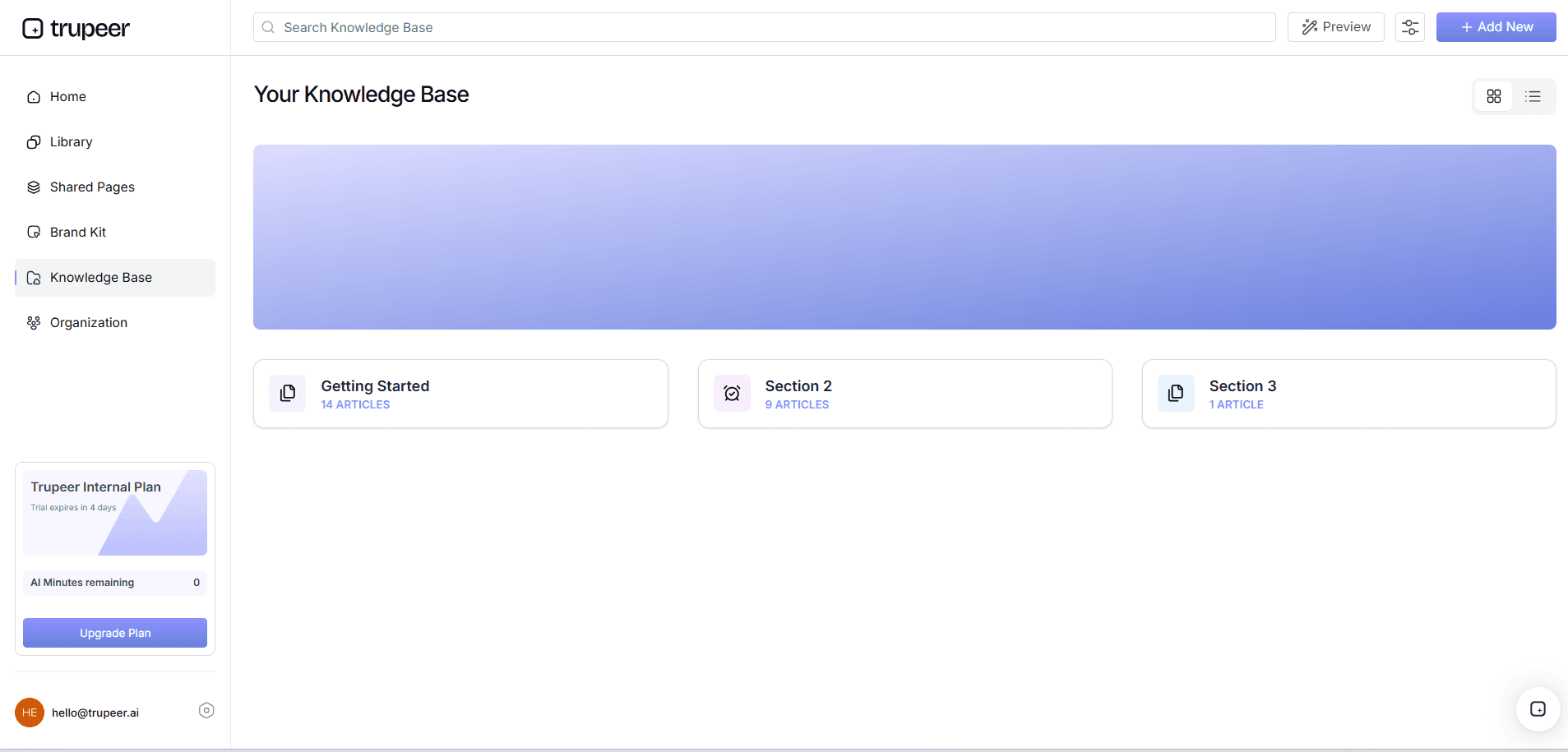
Integrate your videos into a searchable knowledge base using Trupeer's AI-searchable knowledge base feature. This allows users to quickly access specific content through timestamp deep-links. After embedding, you can monitor how users interact with your videos and which sections are most frequently accessed. This step is straightforward, involving a few clicks to upload and configure settings. The knowledge base's analytics provide valuable insights without needing extensive technical skills, making it accessible to all team members.
Step 5: Analyze Viewer Engagement
Use Trupeer's viewer engagement analytics to track metrics such as view counts, watch duration, and drop-off points. This analysis helps identify which parts of your videos are effective and where viewers lose interest. The process involves reviewing detailed reports, which are automatically generated and updated in real-time. By understanding these patterns, you can make data-driven decisions to improve your content. This step is crucial for iterating on your strategy, ensuring that your documentation continuously meets users' needs.
Step 6: Collaborate and Iterate
Use Trupeer's collaborative review and approval workflows to gather feedback from your team. This feature enables real-time collaboration, allowing multiple stakeholders to review and suggest improvements before finalizing the video. Typically, this step involves a few rounds of feedback, which can be completed in a matter of days, depending on team size and availability. By incorporating diverse perspectives, you can enhance the quality and effectiveness of your documentation. This collaborative approach ensures that the content aligns with organizational goals and addresses user needs comprehensively.
What tips help you measure whether embedded videos improve documentation effectiveness?
To effectively measure the impact of embedded videos on documentation, consider these practical tips. They will help you refine your strategy and ensure your content meets its objectives.
Define Clear Objectives. Establish specific goals for what you want your videos to achieve. Whether it's reducing support tickets or improving user comprehension, clear objectives guide your measurement efforts.
use Engagement Metrics. Focus on metrics like watch time and viewer retention to gauge engagement. These indicators provide insights into how well your videos capture and maintain attention.
Solicit User Feedback. Regularly ask users for feedback on video content. This qualitative data complements quantitative metrics and can highlight areas for improvement.
Standardize on a Platform. Use a consistent platform like Trupeer to manage and analyze your video content. This ensures uniformity in data collection and analysis, enhancing reliability.
Regularly Update Content. Keep videos up to date with product changes. Outdated content can mislead users and diminish the perceived value of your documentation. Consider Scribe alternatives for SOPs for comparison.
Test Different Formats. Experiment with video length and style to see what resonates best with your audience. A/B testing can reveal preferences that improve communication effectiveness.
Integrate with Other Tools. use integrations with tools like beginner friendly video editor for training videos to enhance production quality. High-quality videos increase viewer trust and engagement.
Frequently asked questions
How do I start measuring the effectiveness of my embedded videos?
Begin by setting specific objectives for your videos, such as improving user engagement or reducing support requests. Use tools like Trupeer's analytics to track viewer metrics, such as watch time and drop-off points. These metrics will provide insights into user behavior and help you identify areas for improvement. also, consider user feedback to gain qualitative insights. This combined data will guide your strategy and ensure your videos effectively enhance documentation.
What metrics should I focus on to assess video effectiveness?
Focus on metrics like viewer retention, drop-off rates, and engagement time. These metrics provide a clear picture of how well your videos are performing. High viewer retention indicates that the content is engaging and informative, while high drop-off rates may suggest that the video isn't meeting viewer expectations. By analyzing these metrics, you can refine your content to better align with user needs and improve overall effectiveness.
Can embedded videos really reduce support costs?
Yes, embedded videos can significantly reduce support costs by providing clear and accessible information. When users have access to effective video content, they're less likely to reach out for support, leading to fewer tickets and lower operational costs. Videos can address common questions and issues, offering a self-service option that enables users and alleviates the burden on support teams. This results in cost savings and improved customer satisfaction.
Why is user feedback important when measuring video effectiveness?
User feedback is crucial because it provides qualitative insights that complement quantitative data. While metrics like watch time and engagement rates reveal user behavior, feedback offers context on why users engage or disengage. It helps identify specific content areas that may need improvement or clarification. By incorporating user feedback, you ensure that your videos meet audience needs and enhance documentation effectiveness, ultimately leading to more satisfied users.
Does Trupeer support video localization for a global audience?
Yes, Trupeer supports video localization through its video localization tool. This capability allows you to translate and dub videos into over 40 languages, ensuring that your content is accessible to a global audience. Localization not only broadens your reach but also improves user comprehension by presenting information in their native language. Trupeer's AI-driven approach simplifies the localization process, making it efficient and effective.
Verwandte Blogbeiträge