Trupeer Blog
Opsummer
Docebo is one of the leading enterprise learning management systems, known for its modern interface, AI features and flexibility for internal and external training. But it is not the right fit for every organization. This guide compares the best Docebo alternatives and competitors for 2026, with pricing, strengths and trade-offs, so you can choose the right enterprise LMS for your team.
TL;DR: Which Docebo Alternative Should You Choose?
Faster training content with any LMS:
TrupeerFull talent management suite:
CornerstoneAlready on SAP or Workday:
SAP SuccessFactors Learning or Workday LearningCollaborative, peer-led learning:
360LearningMid-market and customer training:
Absorb LMS or LearnUponSmall business with published pricing:
TalentLMS
What Is Docebo and How Much Does It Cost?
Docebo is a cloud LMS used for employee, partner and customer training. It offers AI-powered course creation and recommendations, learning paths, a content marketplace, and extended-enterprise portals for training external audiences.
Docebo pricing is not published; it is quoted based on active users, modules and add-ons. Buyer-reported deals on Vendr range from about $21,000 to $111,000 a year, and Docebo’s own investor reporting put its average contract at roughly $75,000 a year in mid-2026.
Why Teams Look for Docebo Alternatives
Cost:
Quote-based pricing and add-ons can be hard to justify for smaller programs.Existing HR stack:
Companies on SAP SuccessFactors or Workday often prefer the LMS that is part of their HR suite.Content production:
An LMS delivers and tracks training, but the slowest part is usually creating the content.Learning style:
Some teams want more collaborative, peer-created learning or a simpler tool for a small team.
Docebo Alternatives Compared
These Docebo competitors range from full talent suites to simple LMSs for small teams.
Tool | Best for | Pricing |
|---|---|---|
Trupeer | Producing training videos and guides for any LMS | Pro from $40/month billed annually |
Cornerstone | Large enterprises wanting a talent suite | Quote |
SAP SuccessFactors Learning | SAP SuccessFactors customers | Quote, licensed within SAP |
Workday Learning | Workday HCM customers | Quote, licensed within Workday |
360Learning | Collaborative learning | Team plan $8 per active user/month; larger plans by quote |
Absorb LMS | Mid-market and extended enterprise | Quote |
LearnUpon | Customer, partner and employee training | Quote |
TalentLMS | Small and mid-size businesses | Free for 5 users; Core $119/month billed yearly |
iSpring Learn | Teams using iSpring authoring tools | Per user, per year |
Pricing checked in October 2026 from vendor pricing pages and published listings. Most enterprise LMS vendors quote by user count and modules.
The 9 Best Docebo Alternatives and Competitors in 2026
1. Trupeer: Best for Producing Training Content for Any LMS
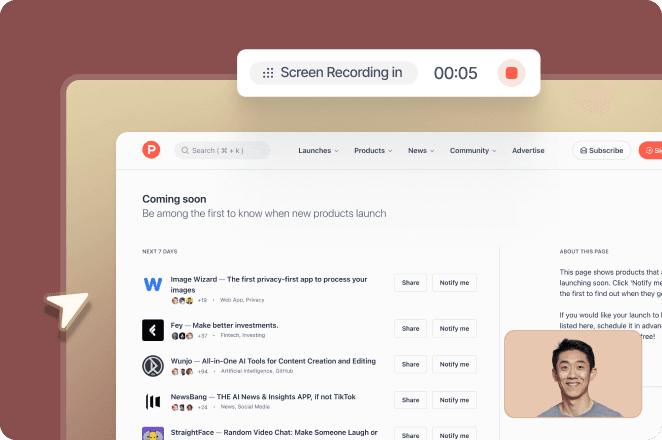
Trupeer is not an LMS, and it is listed here because content production is often the real bottleneck, not the platform. Record a software workflow with the Trupeer Chrome extension, or upload a PowerPoint, Word or PDF file, and Trupeer generates a polished training video and a step-by-step guide. Export videos as MP4 and documents as DOC or PDF to upload to Docebo, Cornerstone or any other LMS, or publish them in a searchable knowledge base. If you stay on Docebo, you can also embed Trupeer videos in Docebo courses.
Video and Doc Skills keep every course in the same format, and translation helps global teams. See how Genpact transformed training for 140,000 employees across 40 countries.
Pricing: Free for 10 days; Pro $49/month or $40/month billed annually; Scale $249/month or $199/month billed annually with 3 creators and translation; Enterprise custom. See Trupeer pricing.
Pros: Fast content creation, works alongside any LMS, published pricing.
Cons: Not an LMS; you still need a platform to assign and track training.
Teams that stay on Docebo often still need a faster way to produce content for Docebo courses. Docebo authoring tools cover basic course building, but most video and SOP content is created elsewhere and uploaded.
2. Cornerstone: Best for a Full Talent Management Suite
Cornerstone combines learning with talent management, including skills, performance and career development, which suits very large enterprises with a broad talent strategy.
Pricing: Quote.
Pros: Deep enterprise coverage and talent features.
Cons: Complex to deploy, and the experience can feel heavier than newer platforms.
The same applies to Cornerstone content creation: the LMS assigns and tracks training, and the content itself is usually produced in a separate tool.
3. SAP SuccessFactors Learning: Best for SAP SuccessFactors Customers
The learning module of SAP SuccessFactors is a natural choice for organizations already using SuccessFactors HR, with strong compliance and HR data integration.
Pricing: Quote, licensed as part of SAP SuccessFactors.
Pros: Tight HR integration and compliance tracking.
Cons: Learner experience is less modern than Docebo.
4. Workday Learning: Best for Workday HCM Customers
Workday Learning is built into the Workday HCM suite, so learning connects directly to employee records, roles and career data.
Pricing: Quote, licensed as part of Workday.
Pros: Seamless for existing Workday customers.
Cons: Rarely chosen as a standalone LMS.
5. 360Learning: Best for Collaborative Learning
360Learning is built around subject matter experts creating and sharing courses with each other, with peer feedback and collaborative authoring.
Pricing: Team plan $8 per active user a month (up to 100 users); Business and Enterprise by quote.
Pros: Fast course creation by internal experts and published entry pricing.
Cons: Works best when you have internal champions driving contribution.
If you are already on 360Learning and looking for a 360Learning alternative, the same criteria in this guide apply: decide first whether the gap is the platform or the content.
6. Absorb LMS: Best for Mid-Market and Extended Enterprise
Absorb LMS offers a clean learner experience, strong reporting and support for training customers and partners as well as employees.
Pricing: Quote.
Pros: Polished interface and good extended-enterprise support.
Cons: Pricing is not published.
7. LearnUpon: Best for Customer and Partner Training
LearnUpon lets you run separate learning portals for employees, customers and partners from one platform.
Pricing: Quote.
Pros: Multi-portal setup and responsive support.
Cons: Fewer talent management features than enterprise suites.
8. TalentLMS: Best for Small Businesses
TalentLMS is one of the few LMS vendors that publishes pricing, and it is quick to set up for small and mid-size teams.
Pricing: Free for up to 5 users; Core $119, Grow $229 and Pro $449 a month billed yearly, based on user brackets; Enterprise by quote.
Pros: Affordable, transparent pricing and fast setup.
Cons: Less depth for complex, multi-audience enterprise programs.
9. iSpring Learn: Best for iSpring Authoring Users
iSpring Learn pairs a straightforward LMS with iSpring’s popular PowerPoint-based authoring tools.
Pricing: Per user, per year; check iSpring for current pricing.
Pros: Strong if you already author in iSpring Suite.
Cons: Costs scale with headcount.
Docebo vs Cornerstone, TalentLMS and 360Learning
Docebo vs Cornerstone:
Cornerstone is broader, adding talent management, but heavier to deploy. Docebo is the more modern learning-first platform.Docebo vs TalentLMS:
TalentLMS is far cheaper with published pricing, but suits smaller, simpler programs. Docebo fits larger, multi-audience enterprises.Docebo vs 360Learning:
360Learning focuses on collaborative, expert-led course creation; Docebo offers a wider enterprise feature set.
How to Choose the Right Docebo Alternative
Start with your HR stack:
If you run SuccessFactors or Workday, evaluate their learning modules first.Define your audiences:
Employees only, or customers and partners too?Check total cost:
Compare quotes for the same number of active users and the modules you need.Plan content production:
Decide how courses will be created and updated. An AI content tool can cut production time regardless of the LMS. See our guide to training platforms.Pilot with real courses:
Test the learner experience and reporting with your own content.
Final Thoughts
Docebo is a strong enterprise LMS, but alternatives can be a better fit depending on your HR stack, audiences and budget. Choose the platform that fits how you deliver and track learning, and invest in a fast way to produce and update the training content itself.
Frequently Asked Questions
What are the best Docebo alternatives?
Cornerstone, SAP SuccessFactors Learning, Workday Learning, 360Learning, Absorb LMS, LearnUpon, TalentLMS and iSpring Learn, plus Trupeer for producing training content for any LMS.
How much does Docebo cost?
Docebo does not publish pricing. Buyer-reported deals range from about $21,000 to $111,000 a year depending on users and modules.
Who are Docebo’s main competitors?
Cornerstone, Absorb LMS, 360Learning, LearnUpon, TalentLMS, and the learning modules of SAP SuccessFactors and Workday.
Is there a cheaper alternative to Docebo?
Yes. TalentLMS publishes pricing from free for 5 users to $449 a month billed yearly for its Pro plan, and 360Learning’s Team plan costs $8 per active user a month.
What is the difference between Docebo and Cornerstone?
Cornerstone combines learning with broader talent management and suits very large enterprises. Docebo is a more modern, learning-first LMS.
What is the best enterprise LMS?
It depends on your HR stack and audiences. Docebo and Cornerstone lead for large enterprises, while SuccessFactors Learning and Workday Learning suit companies already on those platforms.
Can Trupeer replace an LMS?
No. Trupeer creates training videos and step-by-step guides that you upload to or embed in your LMS, or publish in a knowledge base. You still need an LMS to assign and track training.
How do I move training content from Docebo to another LMS?
Export your courses and content, audit what is still used, and rebuild or refresh outdated material. Tools like Trupeer can quickly recreate software training from new screen recordings.
Related Blogs