Trupeer Blog
Podsumuj
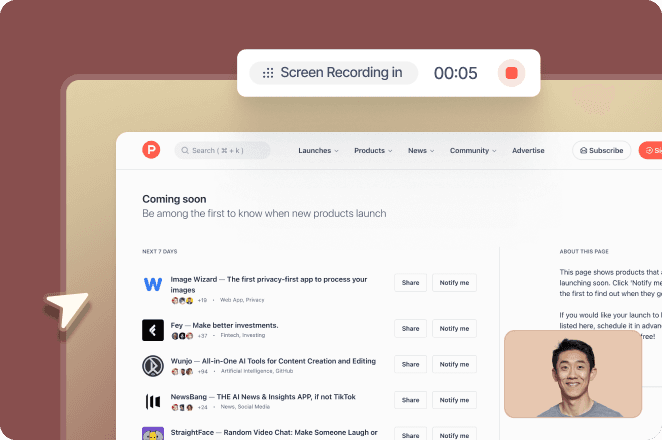
Operations teams often face the predicament of managing standard operating procedures (SOPs) that are scattered across various folders and platforms. These essential documents, crucial for maintaining consistency and efficiency, end up being underutilized due to their inaccessibility. Imagine an operations manager trying to onboard a new team member. The manager spends hours sifting through outdated folders, only to find that the SOPs have not been updated in months. This not only delays the onboarding process but also increases the chances of errors as new employees work without proper guidance. According to a recent survey,
over 60% of operations teams report spending too much time searching for SOPs each week.
This is where a modern knowledge base comes into play. By auto-ingesting and indexing SOPs, you can centralize this critical information, making it easily accessible for your entire team. If you're wondering how to achieve this, check out some of the best knowledge base examples to see how leading companies are addressing this challenge. This is exactly where risk team SOPs becomes useful and it's the kind of content Trupeer can generate directly from a simple screen recording.
Why does auto-ingesting and indexing SOPs into a knowledge base matter?
For any operations team, the ability to quickly access accurate and up-to-date SOPs is not just a luxury, it’s a necessity. When SOPs are scattered across different platforms, it creates a bottleneck for efficiency. Team members spend excessive time searching for the right documents, leading to frustration and decreased productivity. In a fast-paced business environment, this inefficiency can lead to significant operational delays, impacting the overall performance of the organization. When SOPs are readily accessible, teams can execute tasks more swiftly and accurately, enhancing the overall workflow.
Also, centralized SOPs are vital for maintaining consistency across operations. When procedures are not standardized, it leads to variations in execution, which can compromise the quality of outputs. This problem is exacerbated when new employees are onboarded without a reliable reference point. By auto-ingesting and indexing SOPs into a knowledge base, you ensure that everyone is on the same page. This consistency is crucial for customer success workflows, as it directly impacts the quality of service delivered to clients. A well-maintained knowledge base allows teams to deliver high-quality service consistently, leading to improved customer satisfaction and retention. For further insights into how this integration facilitates a smooth customer success use case, consider the broader implications on operational efficiency.
What are the benefits of auto-ingesting and indexing SOPs into a knowledge base?
Centralizing your SOPs into a knowledge base offers a range of benefits that can transform your operational efficiency. Here are some key advantages:
simplified Access. By consolidating SOPs in a centralized knowledge base, team members can find the information they need quickly. This reduces time spent searching and allows employees to focus on their tasks.
Consistent Information. A single source of truth ensures all team members are working from the same, most up-to-date SOPs, reducing errors and inconsistencies in operations.
Improved Training and Onboarding. New employees can access a comprehensive set of SOPs, speeding up the training process and ensuring they are well-informed from day one. This is why a knowledge base one is critical for onboarding efficiency.
Enhanced Collaboration. Team members can collaborate more effectively when they have access to the same information, building a more cohesive work environment.
Scalability. As your organization grows, a centralized knowledge base can easily scale to accommodate new SOPs without losing efficiency. This is important for maintaining operational standards across larger teams.
Reduced Handoff Friction. A single AI video platform lets ops hand off polished walkthroughs without editing, ensuring smooth transitions between team members or departments.
Which Trupeer features help you auto-ingest and index SOPs into a knowledge base?
Trupeer offers several features specifically designed to simplify the process of auto-ingesting and indexing SOPs into a knowledge base. Here's how some of these capabilities can assist your operations team:
AI screen recording with auto-zoom and click detection
Trupeer’s AI screen recording feature allows you to capture every step of your SOPs with precision. The auto-zoom and click detection functionalities ensure that each action is highlighted, providing clear visual guidance. This is particularly useful for complex procedures where each step needs to be documented accurately. The recordings can then be smoothly integrated into your knowledge base, providing a visual counterpart to written SOPs. This integration ensures that users have a comprehensive understanding of the procedures, reducing the likelihood of errors.
Automatic SOP generation from any recording
One of the standout features of Trupeer is its ability to automatically generate SOPs from any screen recording. This capability not only saves time but also ensures that SOPs are consistently formatted and easy to update. Once generated, these SOPs can be directly exported to various formats, including HTML and PDF, making them easy to incorporate into your existing knowledge base. For teams looking to create a reliable AI documentation platform, this feature is invaluable.
AI-searchable knowledge base with timestamp deep-links
Trupeer’s AI-searchable knowledge base allows team members to find specific SOPs quickly. The platform indexes each recording with timestamp-level deep links, making it easy to navigate to the exact moment in a video where a particular procedure is demonstrated. This precision in searchability ensures that employees spend less time searching for information and more time executing their tasks effectively.
AI translation into 65+ languages with lip-sync
In global operations, language differences can pose a significant barrier. Trupeer’s AI translation feature addresses this by offering translation into over 40 languages, complete with lip-sync. This ensures that SOPs are accessible to all team members, regardless of their primary language. The capability to provide localized content is crucial for multinational teams, enhancing understanding and execution across borders.
Collaborative review and approval workflows
Trupeer also facilitates collaborative review and approval workflows, ensuring that all SOPs are vetted and approved before being uploaded to the knowledge base. This feature allows multiple stakeholders to provide input, ensuring that the final SOPs are comprehensive and accurate. For operations teams that require a knowledge base software teams customers tool, this collaborative capability is a big shift in maintaining the quality and consistency of SOPs.
How do you auto-ingest and index SOPs into a knowledge base step by step with Trupeer?
Step 1: Capture the SOP
Begin by using Trupeer’s AI screen recording with auto-zoom and click detection. Open the browser-based recorder or the desktop app to start capturing your screen. This tool automatically detects clicks and zooms in on areas of interest, ensuring that each step of your SOP is clearly documented. For instance, if you're demonstrating a process in a software application, the recorder will highlight clicks and zoom in on key actions, making it easier for viewers to follow along. This recording process typically takes as long as the SOP itself, plus a few minutes for setup and finalization.
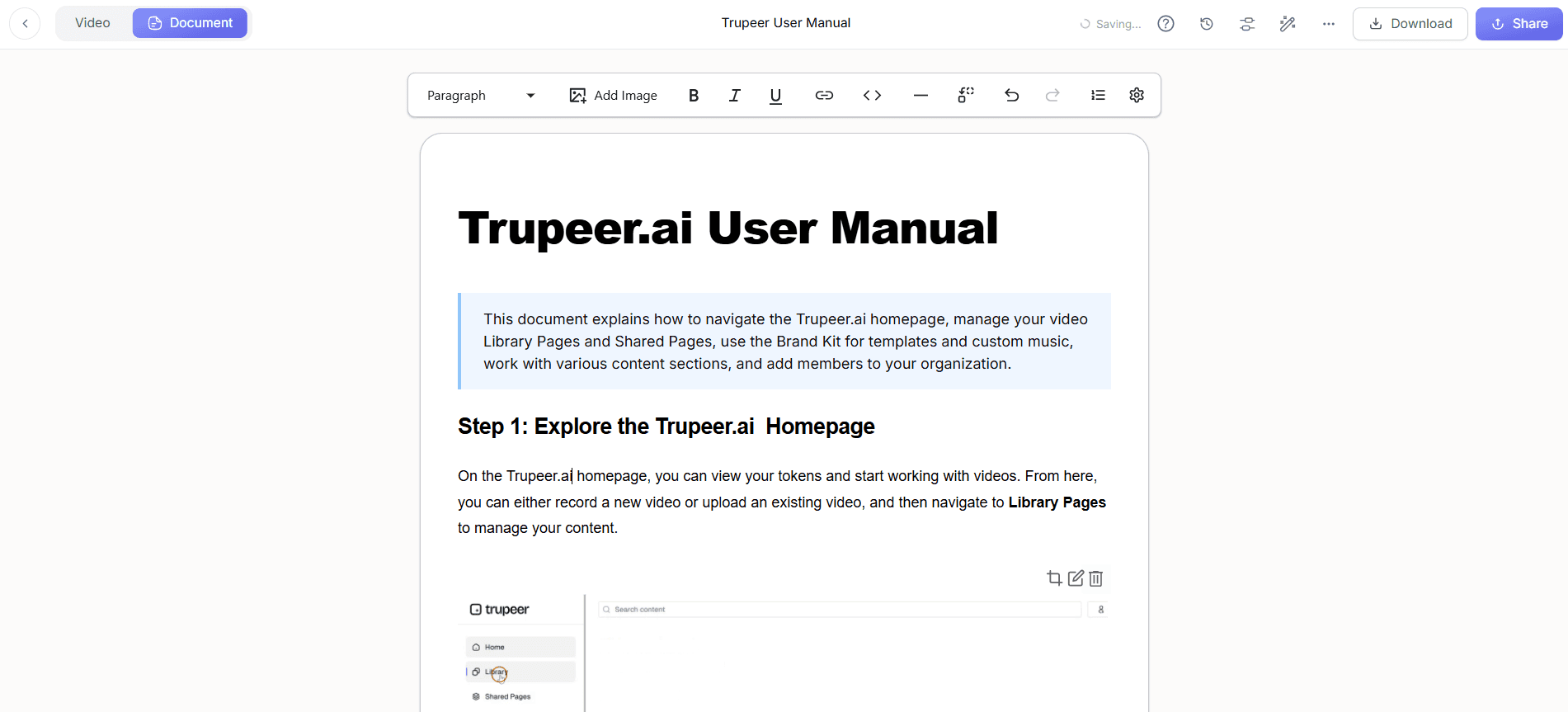
Step 2: Generate the SOP Document
Once the recording is complete, use Trupeer’s automatic SOP generation feature. This capability converts the recorded video into a text-based SOP document. Simply select the "Generate SOP" option from the video management interface. Trupeer processes the video and creates an editable document, capturing each action and its corresponding description. This process usually takes a few minutes, depending on the length of the recording. The generated document is ready for review and can be exported in multiple formats, such as HTML, PDF, or SCORM, allowing you to choose the best format for your knowledge base.
Step 3: Translate and Localize
To make your SOPs accessible to a global team, take advantage of Trupeer’s AI translation into 40+ languages with lip-sync. Navigate to the translation options in the video management system, select the desired languages, and initiate the translation process. Trupeer will not only translate the text but also synchronize the audio to match the original pacing. This ensures that your SOPs are understandable and usable by team members around the world. The translation process can take anywhere from a few minutes to an hour, depending on the duration of the video and the number of languages selected.
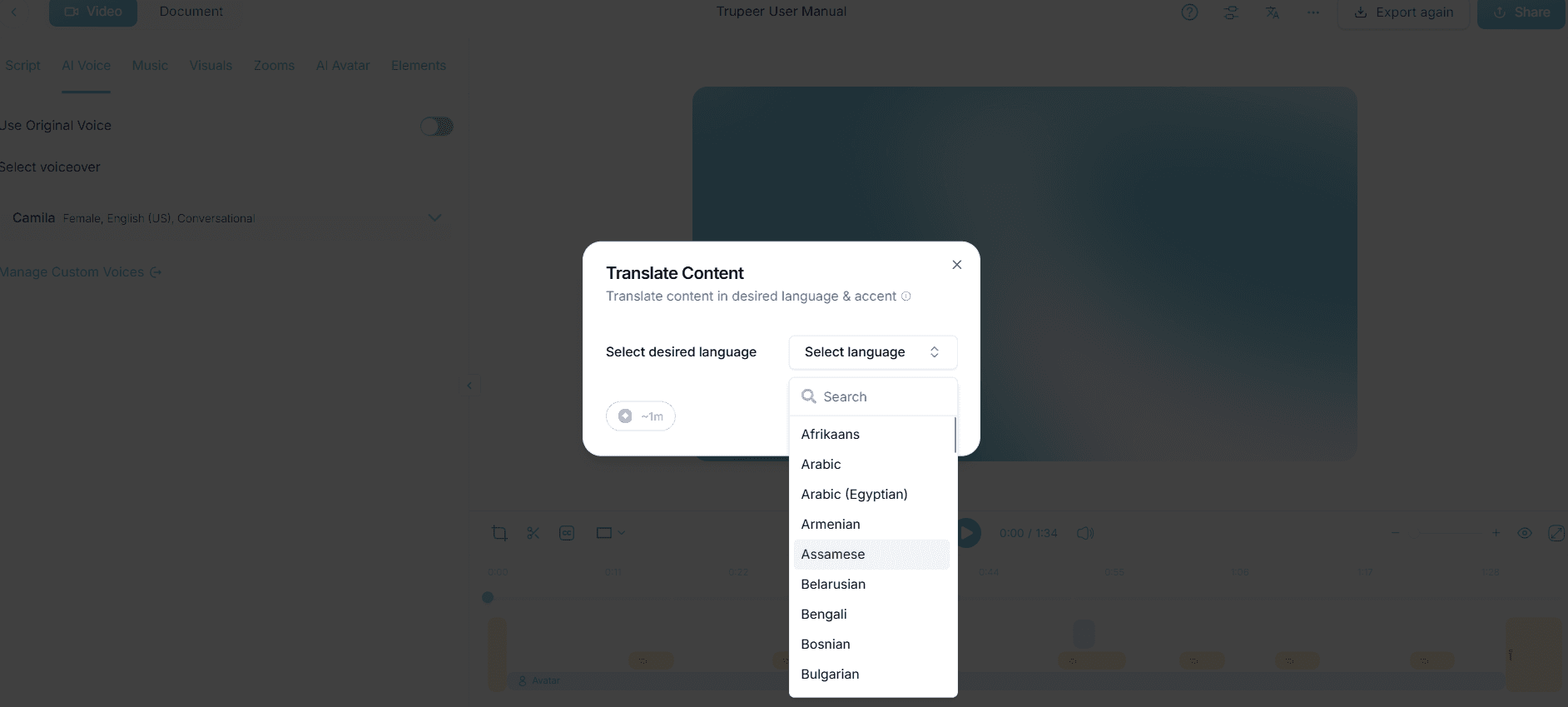
Step 4: Edit and Enhance Content
After translation, enhance your SOPs using Trupeer’s editing capabilities. use the AI voiceover feature to add narration in 65+ natural voices, adjusting pace and tone to suit your audience. You can also remove filler words automatically to ensure the narration is concise and professional. To do this, open the video editor, select the "Enhance Audio" option, and choose your preferred settings. This step is crucial for creating polished content that engages viewers and maintains their attention. It's a quick task, usually taking just a few minutes to apply the settings and review the results.
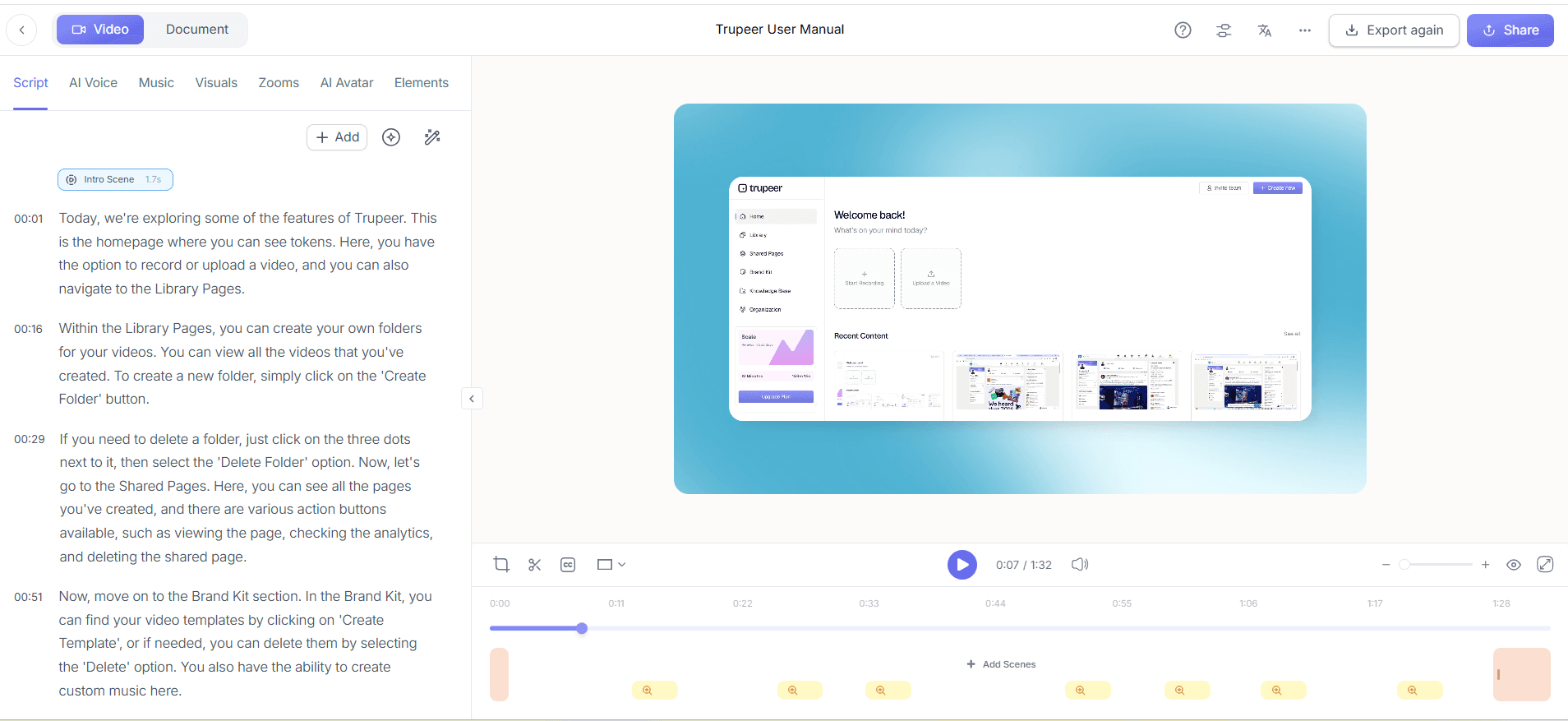
Step 5: Index and Integrate into the Knowledge Base
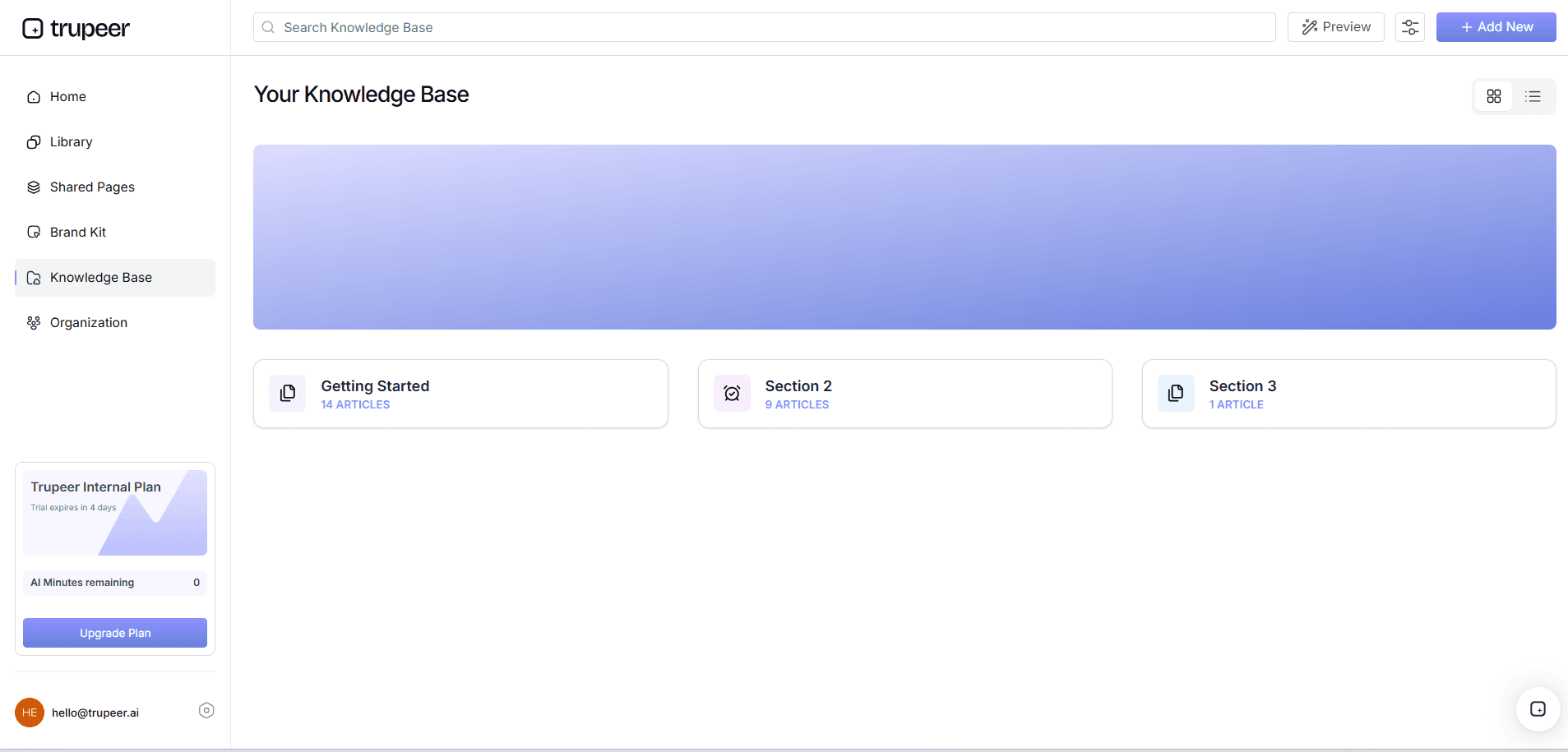
With your SOPs ready, it's time to index them into Trupeer’s online knowledge base software teams customers. Use the AI-searchable knowledge base feature to upload your content. The system will automatically index each video with timestamp deep-links, making specific sections easily searchable. This indexing process is automated and takes only a few minutes per video. Once indexed, your SOPs are fully integrated into the knowledge base, ensuring that team members can quickly locate and use the information they need.
Step 6: Review and Approve
Finally, conduct a review using Trupeer’s collaborative review and approval workflows. Invite team members to view the SOPs and provide feedback directly within the platform. This process ensures that all stakeholders have signed off on the content before it's fully deployed. Use the "Invite Collaborators" feature to add reviewers and set deadlines for feedback. The collaborative environment supports annotations and discussions, simplifying the approval process. Depending on the complexity of the SOP and the number of reviewers, this step can take a few days, but it's essential for maintaining high-quality standards.
What tips help you auto-ingest and index SOPs into a knowledge base?
Creating a simplified process for importing and managing SOPs in a knowledge base can significantly improve your operations. Here are some tips to help you make the most of Trupeer’s features:
Standardize Recording Practices. Ensure all team members use the same settings for screen recordings to maintain consistency. This includes using Trupeer’s auto-zoom and click detection for clarity.
use Templates. Create templates for SOP documents to ensure uniformity in style and format. Trupeer’s brand kits and templates can help with this.
Regularly Update SOPs. Schedule periodic reviews and updates of your SOPs to keep them current. Use Trupeer’s auto-updating documentation feature for efficiency.
use Translation Tools. Make use of Trupeer’s AI translation for multilingual teams to ensure accessibility. This is crucial for global operations.
Engage Stakeholders Early. Involve relevant team members in the SOP creation process to gather diverse insights and ensure comprehensive documentation.
Test Your Knowledge Base. Regularly test the searchability and accessibility of your knowledge base. Ensure that SOPs are easy to find and navigate.
Explore Alternatives. ai/competitors/scribe-vs-trupeer">Scribe alternative comparison to evaluate different tools for documenting SOPs effectively.
Frequently asked questions
How can I ensure my SOPs are always up-to-date?
Regular reviews and updates are crucial for keeping SOPs current. Use Trupeer’s auto-updating documentation feature, which ties documentation to underlying recordings. This means whenever a process changes, you can update the recording, and the linked documentation will automatically reflect those changes. Set reminders for periodic reviews to ensure that no outdated SOP slips through the cracks. Engaging stakeholders in the review process also helps catch changes that might otherwise be missed.
What’s the best way to organize SOPs in a knowledge base?
Organizing SOPs effectively requires a clear taxonomy and intuitive navigation. Use Trupeer’s AI-searchable knowledge base to categorize SOPs by department, process, or project. Include tags and keywords that make searching easy and efficient. This structure not only aids in quick retrieval but also ensures users can explore related content easily. Regularly reviewing the organization and soliciting user feedback can further refine the system, ensuring it meets the evolving needs of the team.
Can Trupeer handle multilingual SOPs?
Yes, Trupeer supports multilingual SOPs through its AI translation feature, which offers translations in over 40 languages with lip-sync capabilities. This means that both the text and spoken components of your SOPs can be translated, ensuring comprehensive accessibility for global teams. To implement, select the translation option and choose your desired languages. This is particularly useful for multinational organizations aiming to maintain consistency across different language groups. For more on this, check out Trupeer’s AI video translation capabilities.
Does Trupeer offer analytics for SOP usage?
Yes, Trupeer provides viewer engagement analytics, including heatmaps and drop-off metrics. These analytics help you understand how team members interact with SOPs, identifying sections that may require clarification or additional emphasis. By reviewing this data, you can refine SOPs to better meet user needs, enhancing both the clarity and effectiveness of your documentation. Regularly monitoring these analytics can also inform training and development initiatives within your team.
Why should I choose Trupeer over other SOP management tools?
Trupeer offers a comprehensive suite of features tailored for managing and distributing SOPs effectively. Its strengths lie in AI-generated documentation, smooth translation, and solid analytics. also, its collaborative review workflows ensure that SOPs are accurate and up-to-date. While other tools may offer similar features, Trupeer’s integration capabilities and user-friendly interface make it a preferred choice for many operations teams. Evaluating a Loom alternative comparison can provide further insights into why Trupeer stands out as a reliable option.
How do personal knowledge tools and company SOPs coexist?
Personal notes suit individuals, but company processes need a shared, governed source so knowledge does not leave with the person. Trupeer publishes your guides to a searchable internal knowledge base software, kept current with version history.
Powiązane blogi