Trupeer Blog
Summarise
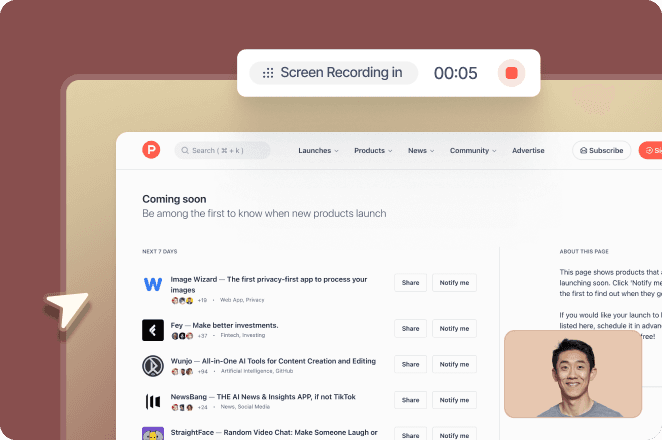
In large-scale BPO operations like those modeled by Genpact, the challenge of managing and updating job aids for over 300 processes is a daunting task. These aids must be clear, up-to-date, and easily accessible to ensure smooth transitions and operational efficiency. This is where AI video tools come into play, offering solutions that can automate and simplify the creation and maintenance of job aids. Genpact-style BPOs, dealing with high-volume and complex workflows, require tools that not only capture processes accurately but also update them effortlessly.
According to industry reports, automating job aid creation can reduce update times by up to 70%, significantly enhancing productivity.
For these operations, the stakes are high, errors in documentation can lead to costly mistakes and client dissatisfaction. By adopting AI-driven solutions, these BPOs are not only improving the quality of their documentation but also gaining a competitive edge in the market. If you're responsible for managing process documentation in a BPO, understanding how to integrate AI video tools into your workflow could transform your operations. Teams ship this workflow end-to-end using Trupeer's AI video platform, which turns raw recordings into polished output without an editor.
Why does creating job aids for 300+ processes using AI video tools matter?
Managing documentation for hundreds of processes is a critical challenge for BPOs. Each process typically requires a detailed job aid, ensuring that employees can execute tasks efficiently and consistently. However, traditional documentation methods often fall short due to their time-intensive nature and the potential for human error. In BPO environments, where precision and speed are paramount, outdated or incorrect job aids can lead to significant operational disruptions. This is why using AI video tools becomes essential. These tools can automate the capture and update of process documentation, significantly reducing the time and effort required to keep job aids current. This same approach shows up in the training videos use case, where teams apply it at scale. A job aid is a short, at-a-glance reference a checklist, one-pager, or quick video that helps someone do a task correctly in the moment. The same documentation can feed straight into the job aid template, so you're not putting it together separately.
Stakeholders at various levels benefit from AI-enhanced documentation. For operations managers, simplified processes mean less time spent on training and corrections. For trainers, having access to up-to-date and interactive job aids can enhance learning outcomes and decrease onboarding times. From an IT perspective, integrating AI tools can simplify infrastructure requirements, as many solutions offer browser-based functionality that requires no installation. Ultimately, the ability to produce reliable and quickly updatable job aids translates into higher productivity and reduced operational costs. The importance of this efficiency is underscored by the need to maintain competitive advantage in a rapidly evolving industry.
What are the benefits of creating job aids for 300+ processes using AI video tools?
Using AI video tools for creating job aids offers numerous advantages. Here are some key benefits:
Efficiency in Documentation. AI tools automate the process of capturing and updating job aids, reducing time spent on manual updates and allowing for rapid deployment across teams.
Consistency Across Processes. By using AI-powered documentation tools, BPOs ensure that each job aid adheres to a standardized format, reducing errors and ensuring clarity.
Scalability. As organizations grow, AI video platforms can easily scale to accommodate new processes without a proportional increase in workload.
Language and Localization. AI video tools often include translation capabilities, allowing for the creation of job aids in multiple languages, which is critical for global operations.
Enhanced Training Outcomes. Interactive and up-to-date job aids enhance learning experiences, helping new employees get up to speed faster and reducing training costs.
Improved Accessibility. AI-powered video tools offer features like searchable transcripts and deep-links, making it easier for employees to find and use the information they need.
For a deeper look, our guide on create instructional video covers the adjacent playbook.
For global audiences, adding AI video translation extends the same workflow across 40+ languages with lip-sync.
Which Trupeer features help you create job aids for 300+ processes using AI video tools?
Trupeer offers a suite of features designed to simplify the creation and maintenance of job aids in large BPO operations. These tools are specifically tailored to address the challenges of scaling documentation processes.
AI screen recording with auto-zoom and click detection
This feature allows you to efficiently capture processes by automatically focusing on relevant actions and inputs. Trupeer's AI technology ensures that every important detail is highlighted during recording, which is particularly useful for creating clear and concise job aids for complex processes. The auto-zoom and click detection features mean you don't have to manually edit the footage to emphasize key steps, saving valuable time and ensuring that each job aid is both informative and visually engaging.
Automatic SOP generation from any recording
Trupeer's automatic SOP generation capability transforms recorded processes into structured, edit-ready documents. This feature is a big shift for BPOs managing numerous processes, as it eliminates the need for manual transcription and formatting. The generated SOPs are exportable in various formats, ensuring they can be integrated with existing documentation systems and shared across teams effortlessly. This AI documentation platform enables you to maintain consistency and accuracy in your process documentation.
AI voiceover in 65+ natural voices
With AI voiceover capabilities, Trupeer ensures that your job aids are accessible to a diverse workforce. You can choose from over 65+ natural voices, adjusting pace and tone to suit different audiences and languages. This feature not only enhances the accessibility of your job aids but also allows for a uniform auditory experience, which is essential for maintaining training quality across different regions. The ability to instantly generate voiceovers means that updates to job aids can be rolled out without delay.
AI-searchable knowledge base
Trupeer's searchable knowledge base makes it easy for employees to find specific job aids and training materials. Each recording is indexed with timestamp-level deep links, allowing users to quickly locate the information they need without sifting through entire videos. This feature is particularly valuable in a fast-paced BPO environment where quick access to accurate information is critical. With a comprehensive video knowledge base, your teams can operate more autonomously and efficiently. Teams weighing tools often start with a Loom alternatives comparison before standardizing on a workflow.
Create your own custom AI avatar video
This feature lets you enhance your job aids with AI avatars, making them more engaging and relatable. Customizable avatars can guide users through processes, providing a consistent visual and auditory experience that can be tailored to match your brand's style. By incorporating avatars, you can transform static documentation into dynamic training experiences, which can significantly improve information retention and engagement among employees.
How do you create job aids for 300+ processes step by step with Trupeer?
Step 1: Capture the Process
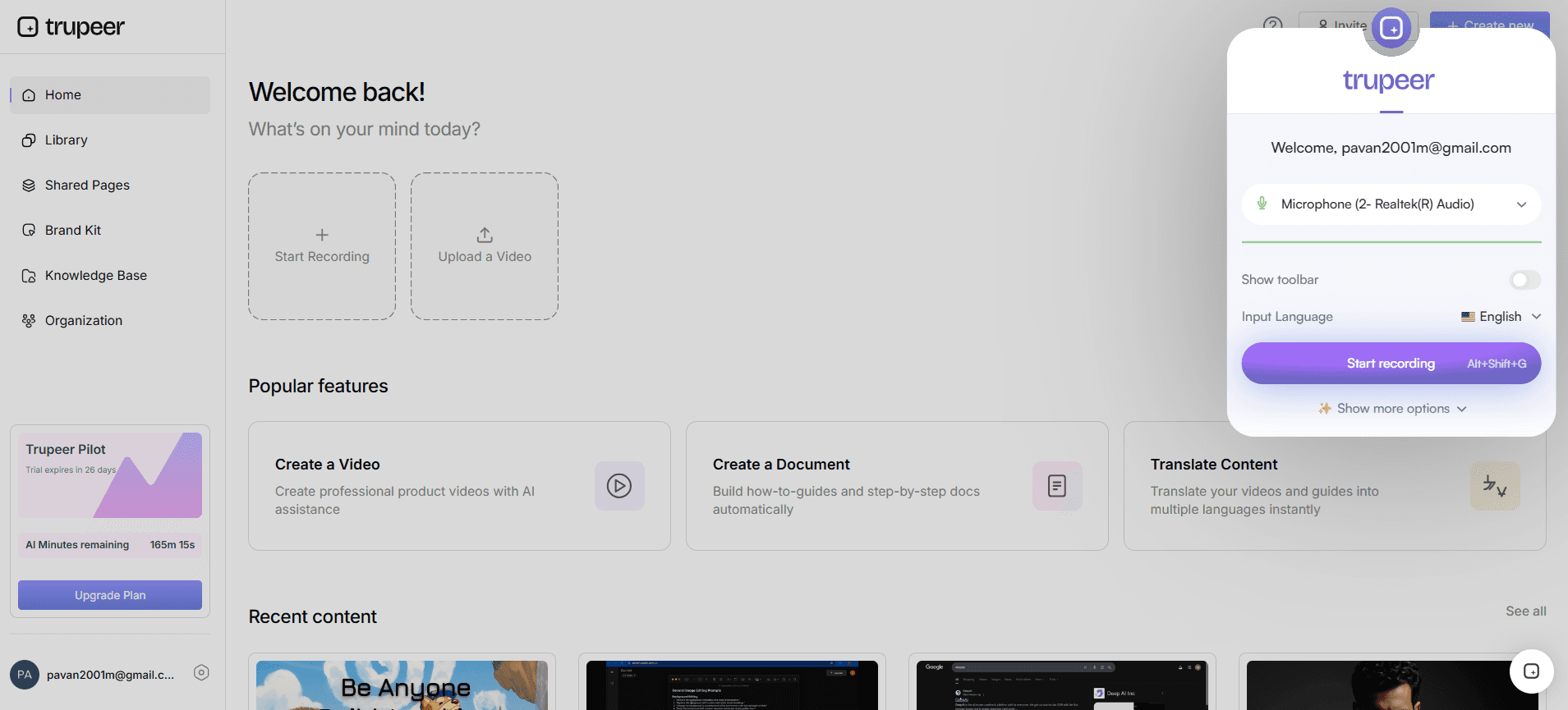
Begin by using Trupeer's AI screen recording with auto-zoom and click detection. Open the Trupeer browser-based recorder, select the screen area you want to capture, and start recording. As you perform the process, Trupeer automatically zooms in on key actions and detects clicks, ensuring that every critical detail is clearly captured. This feature saves time by eliminating the need for manual adjustments. The recording process usually takes as long as the actual task, but the automation ensures that no important step is missed, even in complex sequences.
Step 2: Generate the SOP
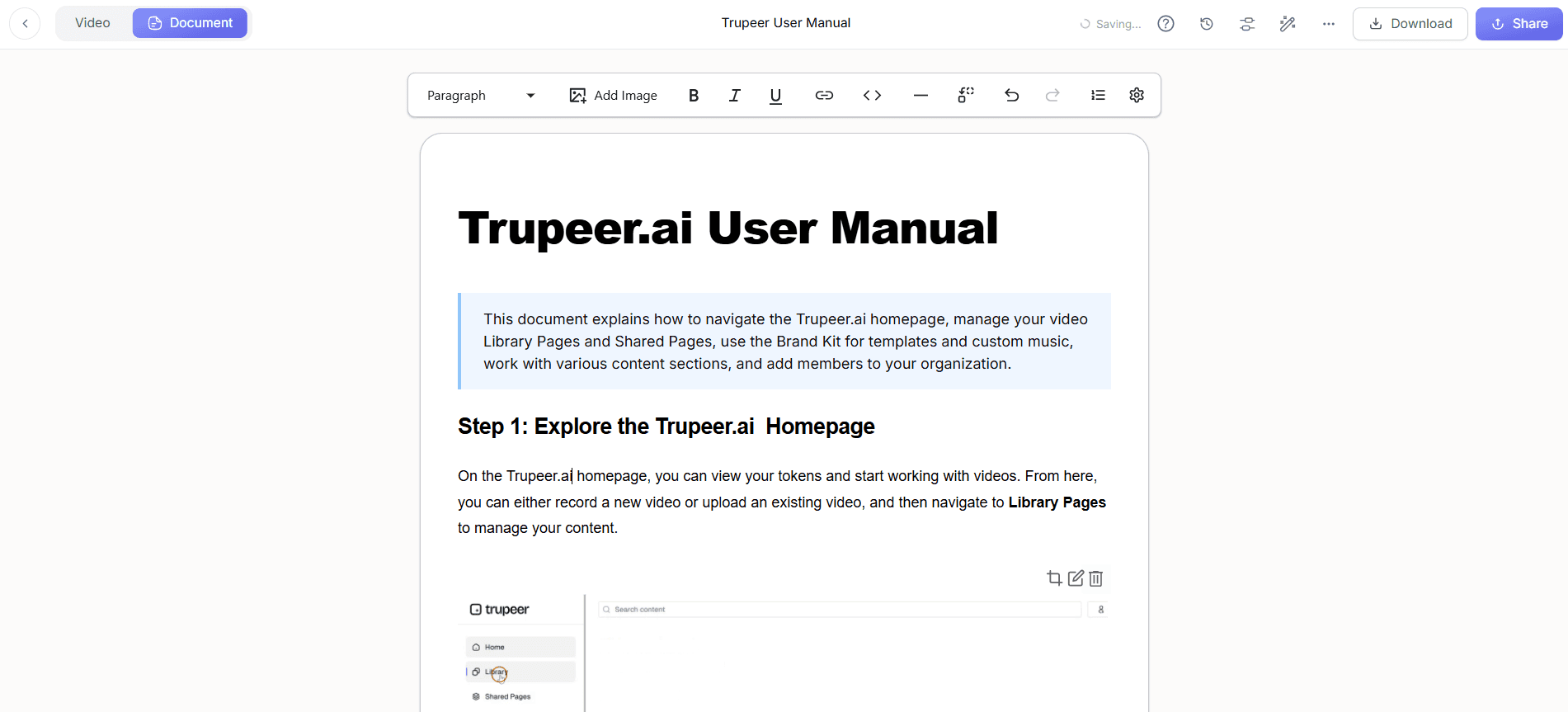
Once the recording is complete, use Trupeer's automatic SOP generation capability. Click on the 'Generate SOP' button, and Trupeer will transform your recording into an edit-ready document. This process is typically completed in under five minutes, depending on the length of the recording. The generated SOP includes timestamps and detailed descriptions of each step, which can be further customized to fit your specific needs. It's an efficient way to create thorough documentation without the hassle of manual input.
Step 3: Add Voiceover
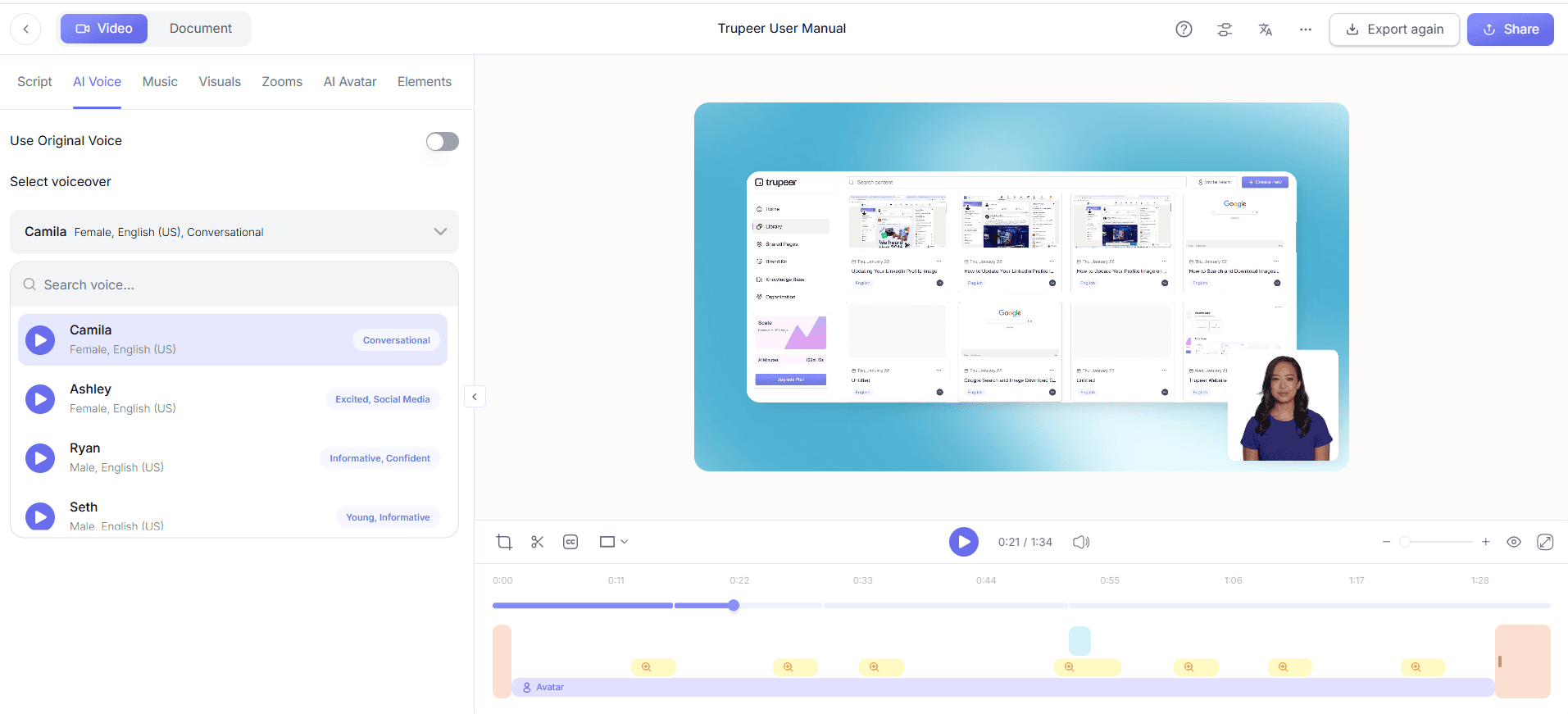
Enhance your job aid by adding a voiceover using Trupeer's AI voiceover in 65+ natural voices. Access the voiceover tool from the editing interface, select your preferred voice, and adjust the pace and tone to match your audience. This step is quick, usually taking only a few minutes, and provides a professional auditory guide for your job aid. The voiceover can be tailored to different languages and dialects, making it an ideal solution for multinational teams.
Step 4: Customize with AI Avatars
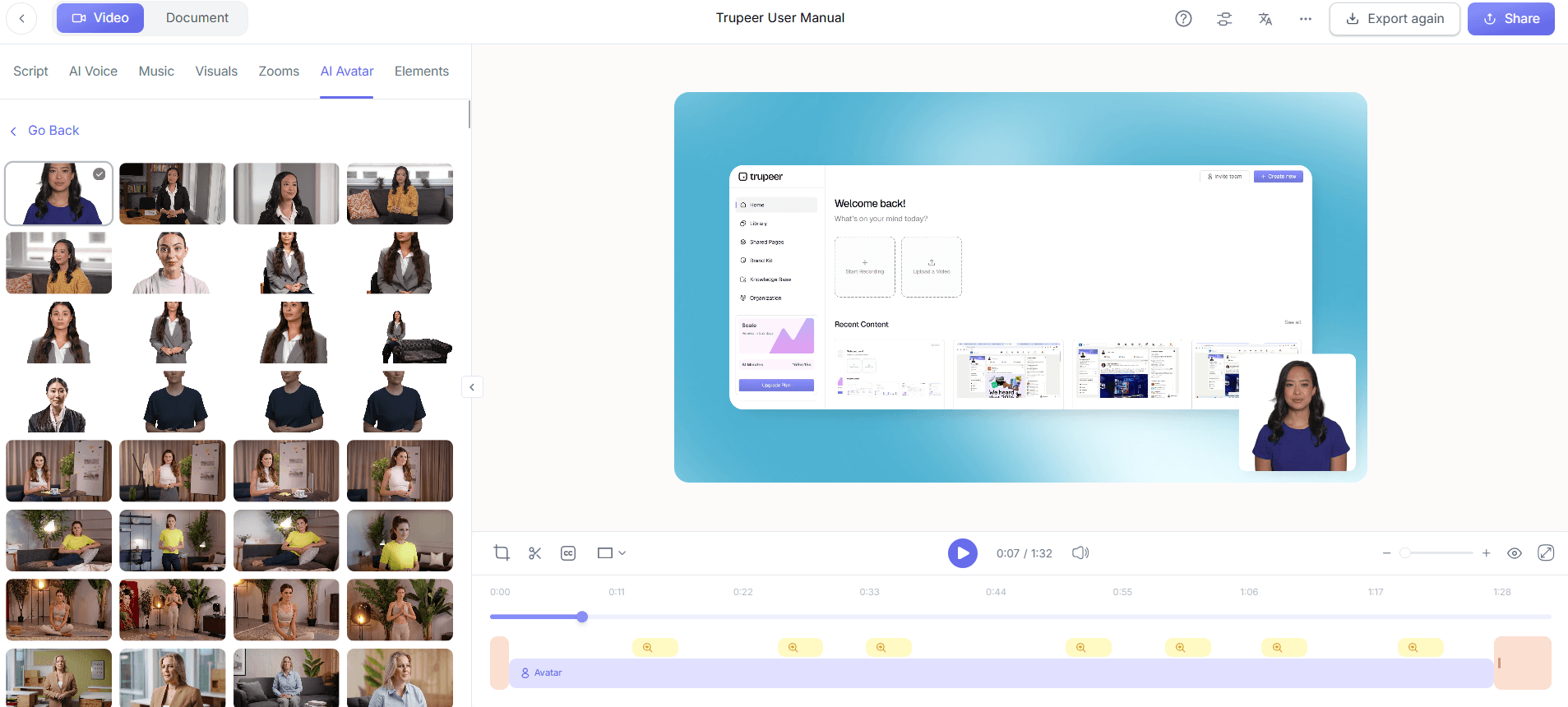
To make your job aid more engaging, create your own custom AI avatar video. Choose from Trupeer's stock library or design a custom avatar that aligns with your brand's identity. Integrate the avatar into your video to guide viewers through the process visually. This step involves selecting the avatar style, adjusting its movements, and synchronizing with the voiceover. The entire customization can be completed in about 15-20 minutes, adding a dynamic visual element to the job aid. For a deeper look, our guide on ai powered documentation tools covers the adjacent playbook.
Step 5: Localize for Global Teams
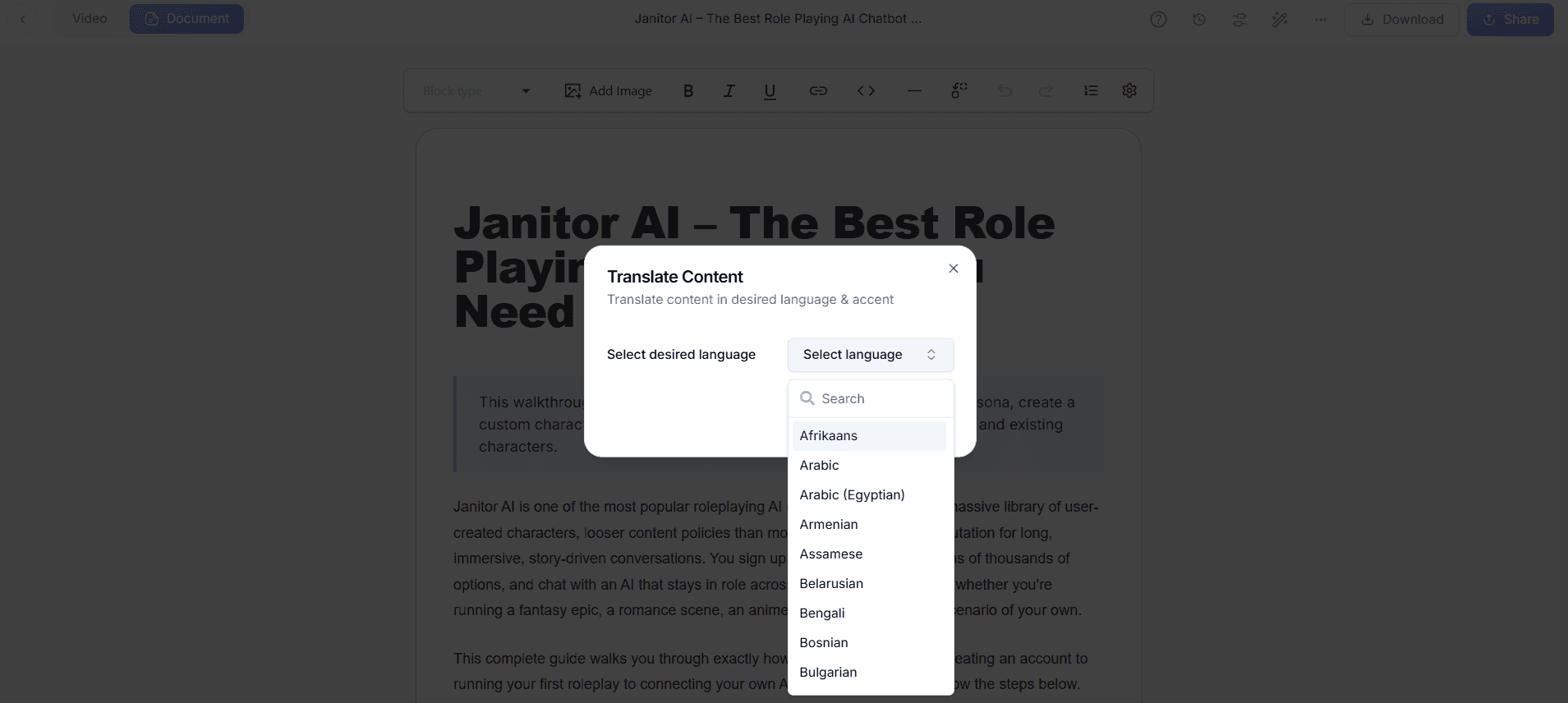
Use Trupeer's AI translation into 40+ languages with lip-sync to make your job aid accessible to a global audience. Select the 'Translate' option from the localization menu, choose the target language, and let Trupeer handle the rest. The AI ensures that the translated speech matches the avatar's lip movements, providing a smooth experience. This step is crucial for BPOs with diverse teams and takes approximately 10 minutes per language, ensuring all employees have access to high-quality, localized job aids.
Step 6: Distribute Effectively
Finally, distribute your job aid using Trupeer's AI-searchable knowledge base. Upload the completed video to your knowledge base, where it's indexed with timestamp-level deep links. This feature allows employees to easily find specific sections of the job aid without watching the entire video. It supports efficient learning and problem-solving, as users can quickly access the information they need. The distribution setup can be completed in minutes, and the knowledge base ensures ongoing accessibility and usability of your job aids.

What tips help you create job aids for 300+ processes?
Creating effective job aids for a large number of processes requires strategic planning and execution. Here are some tips to simplify the process and ensure high-quality results:
Standardize Your Approach. Develop a consistent format and style for all job aids to maintain uniformity and ease of use. This reduces confusion and increases user confidence.
use AI Tools. Use an AI tool to create and update documentation automatically, saving time and ensuring accuracy across all job aids.
Prioritize Key Processes. Focus first on documenting processes that are most critical to your operations, ensuring that these are always up-to-date and accessible.
Engage Stakeholders Early. Involve team members from different departments in the job aid creation process to capture diverse insights and ensure comprehensive documentation.
Test for Clarity. Before finalizing, have new employees test the job aids to ensure they are clear and user-friendly. Their feedback can lead to valuable improvements.
use Comparisons. Review Scribe vs Trupeer comparisons to evaluate the best tools for your SOP needs.
The difference is scope: an SOP is the full step-by-step procedure, while a job aid is the condensed, in-the-moment reminder — and Trupeer can generate both from one screen recording.
Update Regularly. Schedule periodic reviews to update job aids, keeping them aligned with any process changes or technological advancements.
Frequently asked questions
How does AI improve job aid accuracy?
AI enhances job aid accuracy by automating the capture and documentation processes, which reduces the potential for human error. AI tools like Trupeer's screen recording feature ensure that all relevant actions are precisely documented. This automation leads to job aids that are consistently accurate and up-to-date, as AI can quickly identify and integrate changes in processes. Such precision is crucial in BPO environments where errors can lead to significant operational disruptions.
What are the best practices for localizing job aids?
To effectively localize job aids, use AI translation tools that support multiple languages and offer lip-sync capabilities. Start by identifying the key languages spoken by your workforce, then use tools like Trupeer's AI translation to ensure the job aid is accessible to all employees. It's also important to involve native speakers in the review process to verify the accuracy and cultural relevance of translations. Regular updates and feedback loops help maintain the quality and effectiveness of localized job aids.
Can AI tools integrate with existing documentation systems?
Yes, many AI tools are designed to integrate smoothly with existing documentation systems. Trupeer, for example, offers multi-format export options that allow job aids to be incorporated into various platforms, including HTML, PDF, and SCORM. This flexibility ensures that AI-generated documentation can be used alongside traditional systems, facilitating smooth transitions and consistent documentation practices across the organization. Such integration is vital for maintaining coherence in large-scale operations. This is exactly where AI-generated job aids becomes useful and it's the kind of content Trupeer can generate directly from a simple screen recording.
Does AI-generated content require human oversight?
While AI-generated content significantly reduces manual workload, human oversight is still necessary to ensure quality and contextual accuracy. AI tools automate the technical aspects of documentation, but human experts should review content for clarity, relevance, and adherence to organizational standards. Regular human audits help maintain the quality of job aids, ensuring they meet the specific needs of the workforce and align with strategic objectives.
Is AI expensive for job aid creation?
Although initial investments in AI tools might seem costly, they often lead to substantial long-term savings. AI tools simplify and automate documentation processes, reducing the time and resources needed for manual updates. This efficiency can lead to significant reductions in operational costs. also, many AI solutions offer scalable pricing models, allowing organizations to expand their usage as needed without incurring prohibitive costs. This balance of upfront investment and ongoing savings makes AI a cost-effective option for large-scale job aid creation.
Related Blogs