Trupeer Blog
Opsummer
ServiceNow knowledge articles can make or break the efficiency of Level 3 (L3) support teams. When dealing with complex issues, the right documentation can significantly speed up resolution times. Imagine a scenario where a critical system is down. The operations team is frantic, customers are frustrated, and every minute of downtime costs thousands of dollars. In such high-pressure situations, your L3 team must rely on well-crafted articles that provide clear and actionable steps for troubleshooting and resolution. A well-structured knowledge base not only enables support teams but also enhances overall service delivery. According to a study by HDI, 75% of organizations report improved productivity from a well-maintained knowledge base.
Effective knowledge articles are not just about content but about format, accessibility, and relevance. For L3 support teams, these articles need to provide deep technical insights while remaining concise. They must be regularly updated to reflect new systems, procedures, and common issues. Crafting these articles requires a thoughtful approach to ensure they are genuinely useful in real-time problem-solving scenarios.
Why does writing effective ServiceNow knowledge articles matter?
A well-maintained knowledge base is crucial for L3 support teams tasked with resolving the most complex IT issues. The stakes are high, and the pressure to resolve issues quickly can be intense. If your knowledge articles are outdated, poorly organized, or missing critical information, it can lead to longer resolution times, increased frustration among support staff, and ultimately, dissatisfied customers. In the area of IT service management, the ability to efficiently navigate and use available resources is a key differentiator. Organizations that prioritize creating and maintaining high-quality knowledge articles often experience a marked improvement in service delivery and customer satisfaction.
The importance of having a comprehensive and regularly updated knowledge base for L3 support cannot be overstated. When faced with complex technical issues, support teams need fast access to accurate and detailed information. This need is further emphasized in a customer education use case, where prompt responses and precise information are paramount for maintaining customer trust and satisfaction. A well-structured knowledge base not only aids in faster issue resolution but also serves as a training resource for new team members, helping them to come up to speed more rapidly.
What are the benefits of writing effective ServiceNow knowledge articles?
Crafting top-notch ServiceNow knowledge articles offers numerous advantages for L3 support teams. These benefits extend beyond mere efficiency, touching on various aspects of support and customer satisfaction.
Faster issue resolution. Well-written articles allow support teams to quickly identify and resolve issues, reducing downtime and improving service efficiency.
Reduced training time. New team members can access a comprehensive knowledge base, shortening the learning curve and enabling them to contribute more quickly.
Consistency across solutions. A standardized approach to documenting solutions ensures that support teams provide consistent and accurate information to customers.
Enhanced customer satisfaction. Faster resolution times and accurate information lead to happier customers, as their issues are resolved efficiently.
Increased productivity. With a reliable source of information at their fingertips, support teams spend less time searching for solutions and more time resolving issues.
Improved knowledge sharing. A centralized knowledge base facilitates the sharing of best practices and solutions across teams, building a culture of continuous learning.
For a deeper look, our guide on sales demo best practices covers the adjacent playbook.
Teams ship this workflow end-to-end using Trupeer's AI video platform, which turns raw recordings into polished output without an editor.
Which Trupeer features help you create effective ServiceNow knowledge articles?
Trupeer offers several features that can greatly aid in the creation and maintenance of effective ServiceNow knowledge articles. These tools are designed to simplify the process of capturing, enhancing, and distributing critical support information.
AI screen recording with auto-zoom and click detection
This feature allows you to quickly capture complex processes with precise detail. The AI screen recording automatically detects clicks and zooms in on relevant parts of the screen, ensuring that nothing important is missed. This is particularly useful for creating step-by-step guides that require clear visual instructions. By using Trupeer's AI documentation platform, you can ensure that every critical detail is captured without the need for manual adjustments. This capability helps maintain consistency across all knowledge articles, making them more reliable and easier to follow.
Automatic SOP generation from any recording
Trupeer's ability to generate standard operating procedures (SOPs) directly from recordings saves time and reduces the risk of errors. This feature converts video-based content into text format, making it easy to update and distribute. With the knowledge base software teams customers tool, you can transform your video content into comprehensive knowledge articles, ensuring that the information is accessible to all team members. This simplifies the documentation process, allowing L3 support teams to focus more on resolving issues rather than writing articles from scratch.
AI voiceover in 65+ natural voices
The AI voiceover feature allows for the creation of engaging and accessible content. With over 65+ natural voices to choose from, you can tailor the voiceover to suit your audience's preferences, enhancing the overall user experience. By incorporating this into your video knowledge base, your knowledge articles become more engaging and easier to understand. This can be particularly beneficial for L3 support teams that need to communicate complex information clearly and effectively.
AI-searchable knowledge base with timestamp deep-links
This feature transforms how support teams access and use knowledge articles. The AI-searchable knowledge base indexes every recording with timestamp-level deep links, allowing team members to jump directly to the relevant section of a video or document. This reduces the time spent searching for specific information, making the support process more efficient. By using a knowledge base software teams customers, you can ensure that your support teams have quick access to the most relevant information, leading to faster and more accurate issue resolution.
AI translation into 40+ languages with lip-sync
Trupeer's translation capabilities enable the creation of multilingual knowledge articles, broadening the reach of your support content. This feature translates video content while maintaining lip-sync accuracy, ensuring that the message remains clear and professional across different languages. This is particularly useful for multinational companies or those supporting a diverse customer base. Incorporating the auto-generated documentation into your support strategy ensures that language barriers do not impede effective communication and support delivery.
How do you create effective ServiceNow knowledge articles step by step with Trupeer?
Step 1: Capture the Process
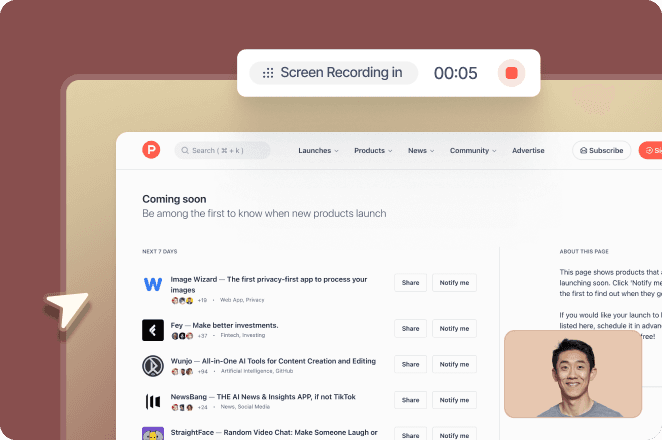
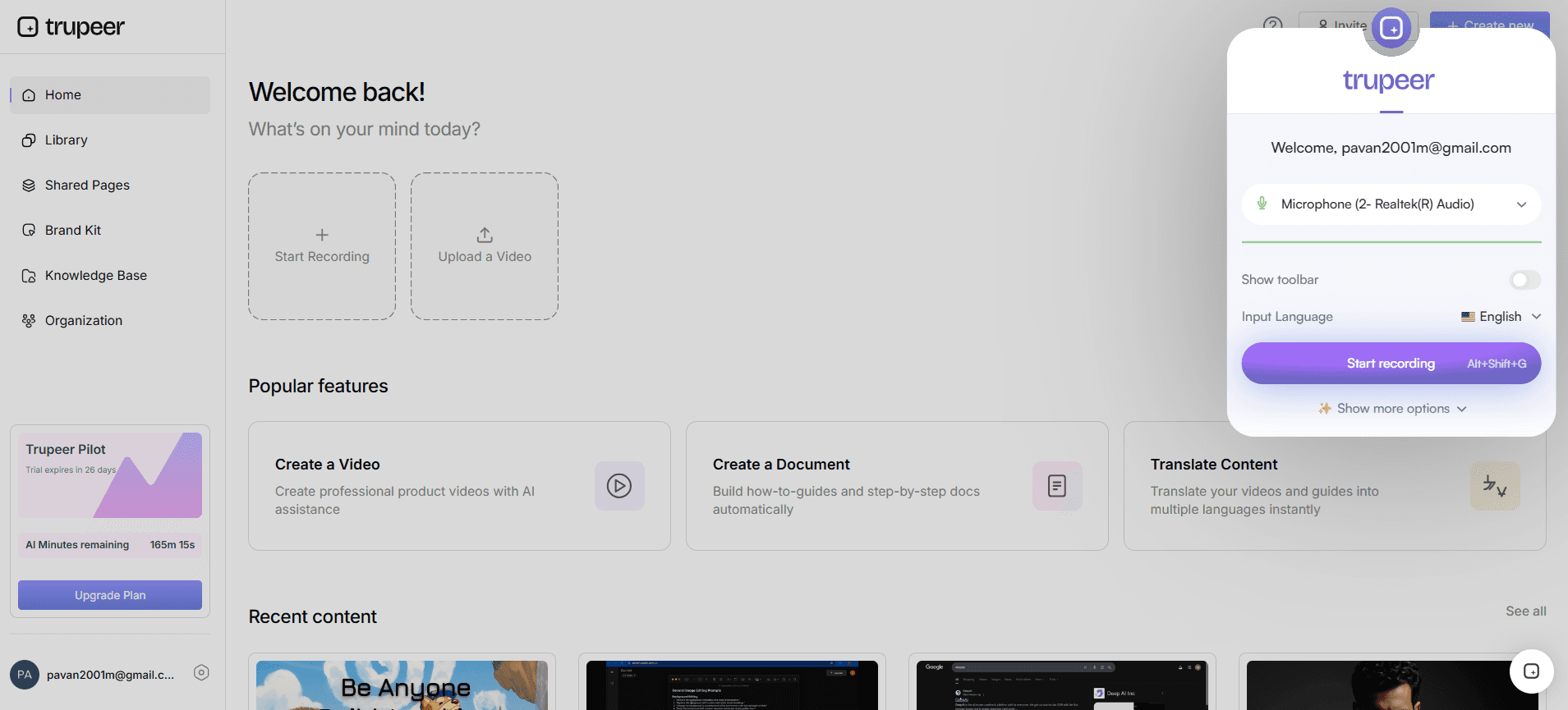
Start by using Trupeer's browser-based recorder to capture the process you want to document. This tool requires no installation, making it easy to use across different devices. Open the process in your browser and click to start the recording. The recorder captures everything on your screen with AI screen recording, which includes auto-zoom and click detection features. This ensures that every crucial detail is highlighted, making the recorded content comprehensive and easy to follow. The recording automatically identifies key actions and zooms in on them, creating a more engaging and informative guide.
Step 2: Enhance the Recording
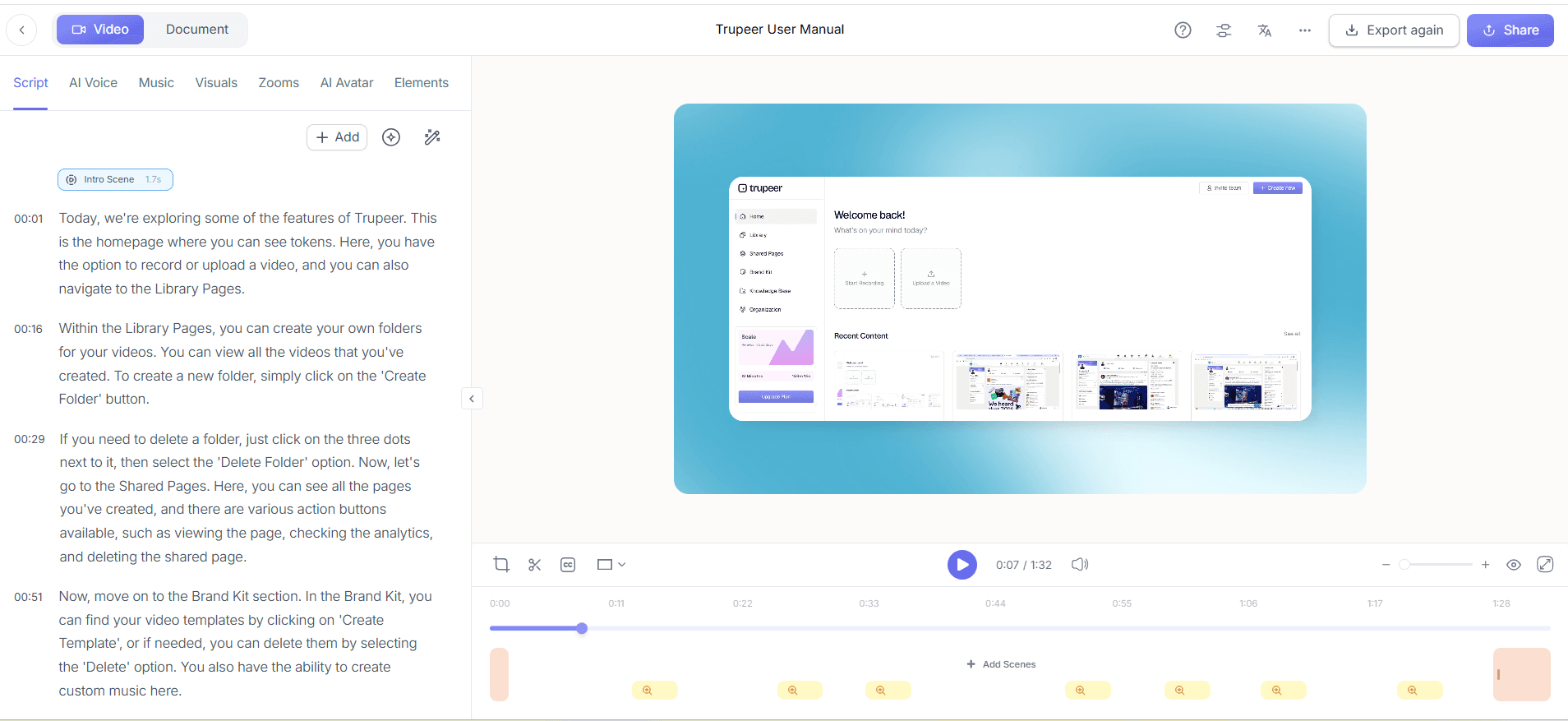
Once the recording is complete, use Trupeer's AI editing tools to enhance the video. Start by removing filler words like "um" and "ah" using the automatic filler-word removal feature. This creates a more professional and concise video. also, the AI voiceover can be applied to the recording, allowing you to choose from 65+ natural voices, adjusting the pace and tone to suit your audience. This step ensures that your content is not only visually clear but also audibly accessible. Trupeer's editing tools help transform raw footage into a polished knowledge article.
Step 3: Generate Documentation
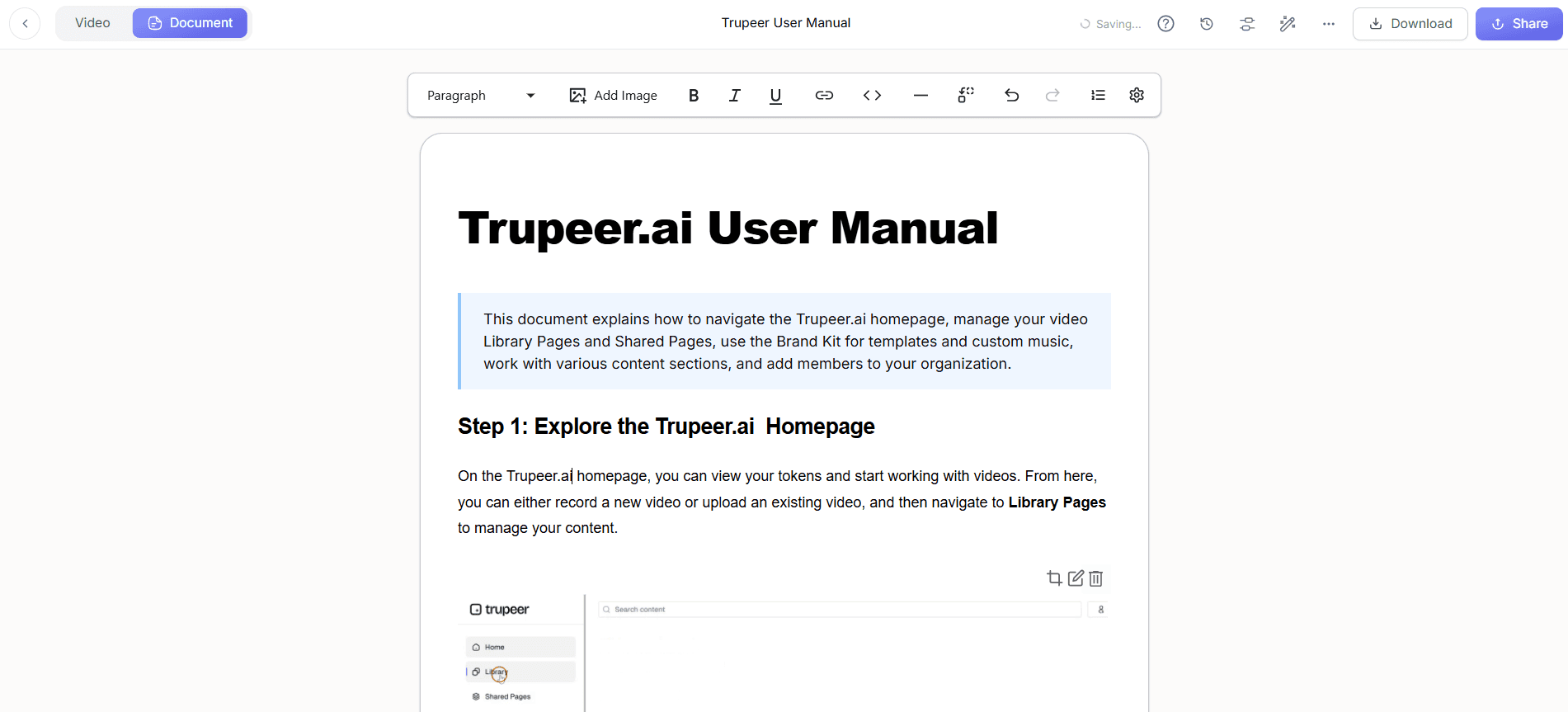
After enhancing your recording, use Trupeer's automatic SOP generation feature. This capability converts your video into an editable document, encapsulating all key points and steps in text format. This document can then be exported into various formats such as MP4, HTML, and PDF, ensuring compatibility across different platforms. The generated document serves as a structured and detailed guide that can be easily updated as processes change. With auto-updating documentation, any future changes in the process will automatically reflect in the document, keeping it current and reliable.
Step 4: Translate and Localize Content
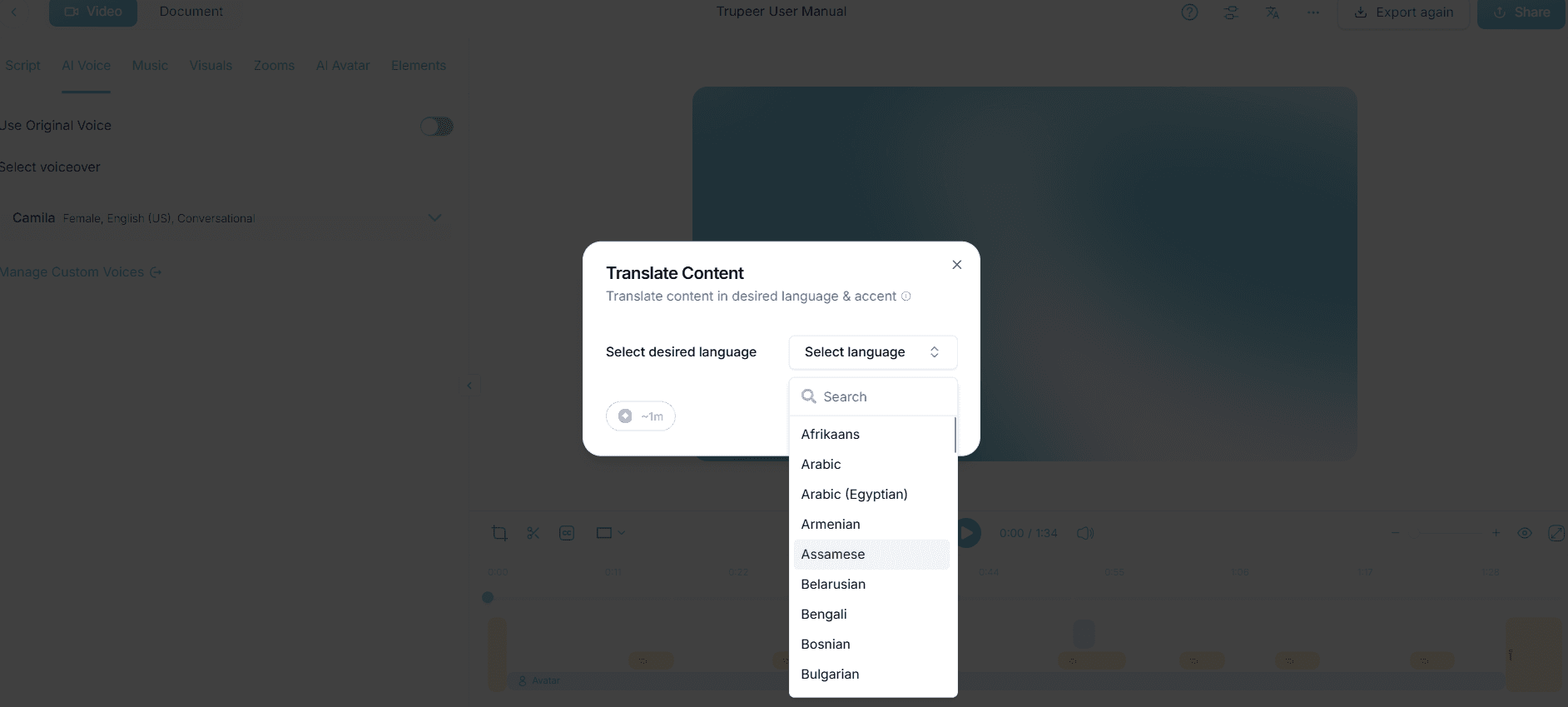
If your audience is multilingual, use Trupeer's AI translation feature to convert your content into over 40 languages. The translation process includes lip-sync, ensuring that translated videos maintain a professional appearance. This is particularly beneficial for global teams or organizations supporting a diverse customer base. By providing content in multiple languages, you can ensure that all team members and customers have access to the information they need, irrespective of their primary language. The documentation tool remote engineering teams can effectively support diverse linguistic needs.
Step 5: Distribute via Knowledge Base
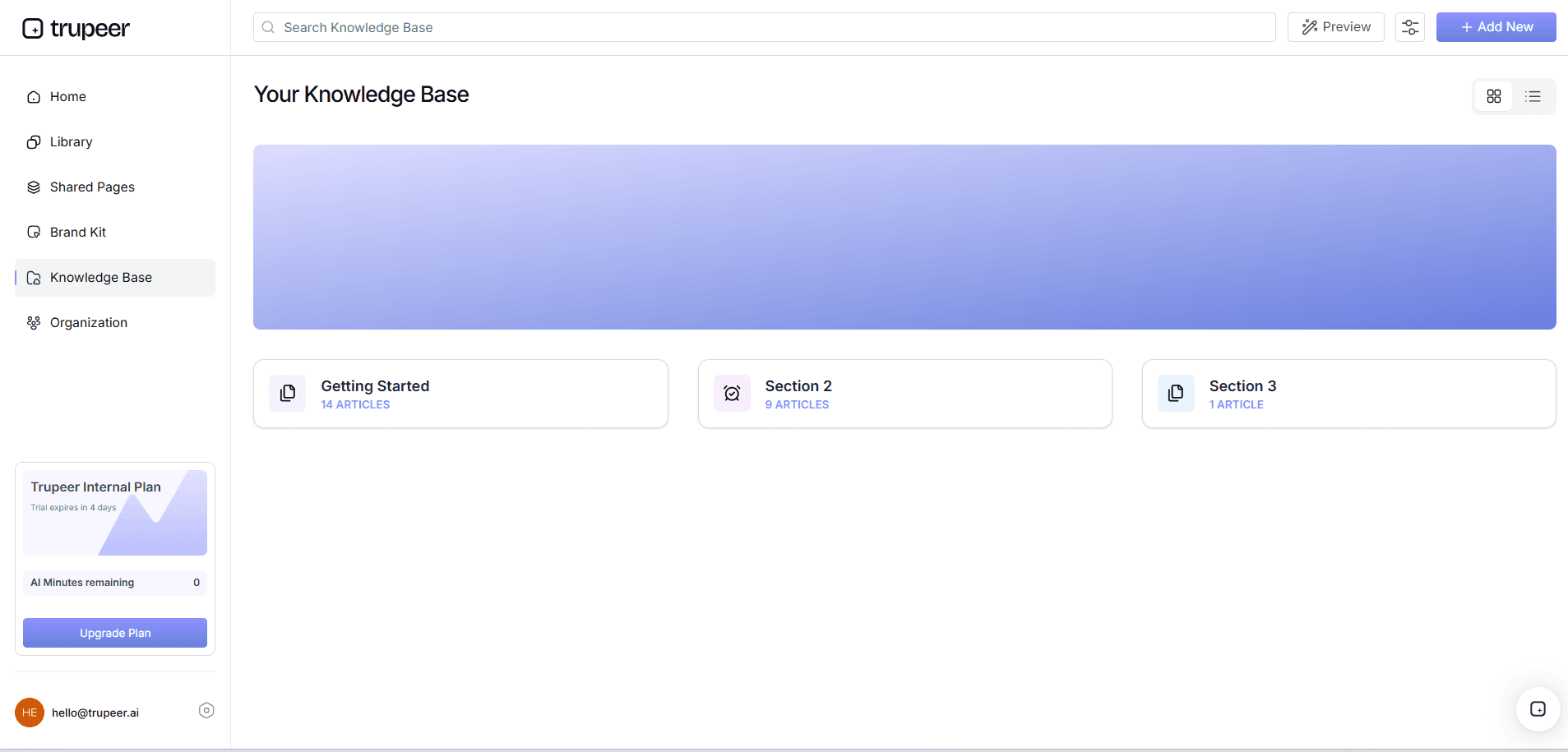
With your content ready, distribute it using Trupeer's AI-searchable knowledge base. This platform allows for easy access to all your knowledge articles, with features like timestamp deep-links that enable users to jump directly to relevant parts of a video or document. This functionality drastically reduces the time spent searching for specific information. By embedding the knowledge articles within the searchable knowledge base, you provide L3 support teams with an efficient tool for quickly resolving complex issues, enhancing both productivity and service delivery.
Step 6: Monitor and Update
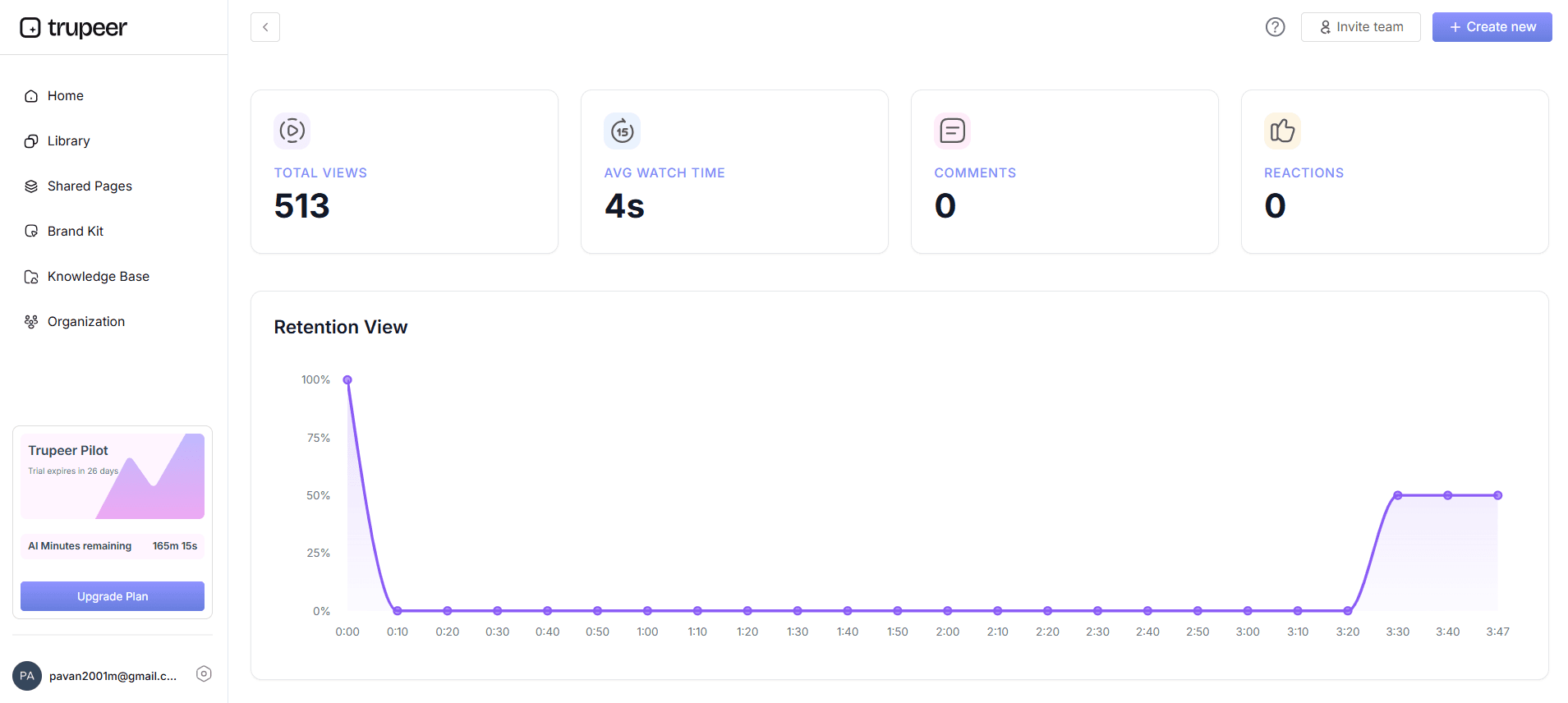
Finally, use Trupeer's viewer engagement analytics to monitor how your knowledge articles are being used. This feature provides insights into viewer engagement, drop-off rates, and heatmaps, allowing you to identify which parts of the content are most engaging or where viewers tend to lose interest. Use this data to make informed decisions about updates and improvements to your articles. Regular updates based on viewer feedback and analytics ensure that your knowledge base remains relevant and useful. The Loom alternative comparison highlights how Trupeer's analytics can offer competitive advantages in content management.
What tips help you create effective ServiceNow knowledge articles?
Creating effective ServiceNow knowledge articles requires a strategic approach that ensures clarity, accessibility, and relevance. Here are some tips to enhance the quality and utility of your knowledge base for L3 support teams.
Keep it concise. Focus on delivering clear and direct instructions without unnecessary information. This helps support teams quickly find solutions without sifting through extraneous content.
Use visuals effectively. Incorporate screenshots or video snippets to illustrate complex steps. Visual aids can significantly improve understanding and retention of information.
Update regularly. Ensure that your knowledge articles reflect current processes and technologies. Regular updates prevent the spread of outdated information.
Standardize formatting. Use consistent formatting across all articles to ensure ease of navigation and readability. A standardized approach helps users quickly locate the information they need.
Solicit feedback. Encourage users to provide feedback on the usefulness of articles. This input can guide future improvements and updates.
use analytics. Use engagement analytics to understand how articles are used. This data can reveal areas for improvement and highlight popular content.
Consider accessibility. Ensure your content is accessible to all users, including those with disabilities. This might include providing transcripts for videos or ensuring screen reader compatibility.
When SOPs come into the same conversation, a Scribe alternatives comparison helps clarify the scope.
Trupeer also ships a online knowledge base software teams customers that handles this step without extra setup.
Frequently asked questions
How do you structure a ServiceNow knowledge article?
To structure a ServiceNow knowledge article effectively, start with a clear and concise title that indicates the content's purpose. Follow this with an introduction that provides context and outlines what the article will cover. Use headings and subheadings to break down information into digestible sections. Each section should have clear, step-by-step instructions or explanations. Incorporate visuals like screenshots or videos where applicable to enhance clarity. Finally, conclude with a summary or key takeaway points and include any relevant links to additional resources. Consistency in structure helps users navigate and understand your content quickly.
Why is it important to update knowledge articles regularly?
Regular updates to knowledge articles are crucial because they ensure the information remains accurate and relevant. Technology and processes are constantly evolving, and outdated content can lead to confusion or errors during issue resolution. By keeping articles current, you improve the efficiency and effectiveness of your support team. Updated content also reflects positively on your organization's commitment to quality and service excellence. It demonstrates to users that the information they rely on is trustworthy and based on the latest practices and tools. Frequent updates also contribute to maintaining user trust and satisfaction.
What role does feedback play in improving knowledge articles?
Feedback is essential in the iterative process of improving knowledge articles. It provides direct insight into how users interact with and perceive your content. By soliciting feedback, you can identify areas where articles may be lacking clarity or depth. This information is invaluable for making targeted improvements, ensuring that articles meet user needs more effectively. Feedback also helps prioritize which articles require immediate attention and updates. By acting on user feedback, you demonstrate a commitment to continuous improvement and responsiveness to user needs, which can increase overall satisfaction and trust in the knowledge base.
Can Trupeer help with translating knowledge articles?
Yes, Trupeer can significantly aid in translating knowledge articles through its AI translation feature. This tool allows you to convert video and text content into over 40 languages, complete with lip-sync accuracy for videos. This capability ensures that your knowledge articles are accessible to a global audience, enhancing their usefulness and reach. By using the AI video translation tool, you can maintain a professional and consistent appearance across all language versions, ensuring that language barriers do not impede effective communication and support delivery.
Does using visuals in knowledge articles improve comprehension?
Absolutely, visuals in knowledge articles significantly enhance comprehension by providing clear, visual context to the written instructions. Screenshots, diagrams, and video snippets can illustrate complex processes more effectively than text alone. Visuals help break down complicated instructions into manageable parts, making them easier to understand and follow. They also cater to different learning styles, as some users may grasp concepts more quickly through visual representation. Incorporating visuals ensures that your knowledge articles are not only informative but also engaging, aiding in better retention and application of the information provided.
Related Blogs