Trupeer Blog
Opsummer
Imagine you're at the tail end of a busy workday, sifting through a mountain of emails. One thread stands out, not because it’s important, but because it’s unwieldy, with over 30 replies and layers of nested quotes. It takes considerable effort to decode the original message, let alone understand the context of the entire conversation. This scenario is common in organizations, where lengthy email threads often lead to misunderstandings and delays. According to a recent study,
75% of employees admit to missing important information in emails due to their length or complexity.
This is where an AI video editing strategy can transform internal communications. By replacing traditional email threads with concise video messages, you can increase engagement and clarity. This approach is particularly beneficial for teams spread across different time zones, where synchronous communication is challenging. Whether you're managing a global team or just looking to improve internal collaboration, a strategic shift towards video communication can be a big shift. how you can effectively implement this strategy using the right tools and techniques.
Why does replacing long email threads with video matter?
Long email threads are notorious for causing confusion and inefficiency in communication. They often lead to information overload, where the critical message gets lost in the sheer volume of text. For businesses, this isn't just an inconvenience; it translates into lost productivity and potential errors. Employees spend an average of 28% of their workweek reading and answering emails, which is a significant drain on resources. By replacing these long threads with video communication, you can convey complex information more clearly and engagingly.
The challenge is particularly acute in product marketing workflows, where teams need to collaborate closely on projects and campaigns. Here, timely and accurate communication is crucial. Misunderstandings due to poorly structured emails can delay product launches or lead to misaligned marketing strategies. Videos, on the other hand, offer a more dynamic way to convey information. They allow teams to include visual context, which can help clarify complex ideas and ensure everyone is on the same page.
Also, video communication builds a more personal touch, which is often missing in written communication. When team members see and hear each other, it enhances collaboration and builds stronger relationships. This is particularly important in remote or hybrid work environments, where team cohesion can easily falter. By adopting a video-first strategy, you're not just improving communication; you're investing in a more connected and productive workforce.
What are the benefits of replacing email threads with video?
Transitioning from email to video communication offers numerous advantages for businesses. Here are some key benefits:
Increased Engagement. Videos are inherently more engaging than text. Employees are more likely to watch a short video than read through a long email, ensuring that your message is received and understood.
Enhanced Clarity. Videos allow you to convey complex information succinctly. By using visuals and tone of voice, you can reduce misunderstandings and ensure that your message is crystal clear.
Time Savings. Creating and watching a short video often takes less time than composing or reading a lengthy email thread. This efficiency frees up time for more critical tasks and boosts overall productivity.
Improved Retention. People remember 95% of a message when they watch it in a video compared to just 10% when reading it in text. This makes video a powerful tool for ensuring that key information sticks.
Better Collaboration. By using a video prospecting approach, teams can collaborate more effectively as videos allow for a more subtle exchange of ideas, promoting better teamwork and innovation.
Scalability. With a video generation platform, you can easily scale communication efforts across large teams or entire organizations, ensuring consistency and alignment in messaging.
Which Trupeer features help you replace email threads with video?
Trupeer offers a suite of features designed to make the transition from email to video communication smooth and effective. Here are some capabilities that can be particularly beneficial:
AI screen recording with auto-zoom and click detection
This feature allows you to capture your screen activity with precision. The auto-zoom function ensures that viewers focus on the relevant part of the screen, while click detection highlights your actions for added clarity. This capability is ideal for creating instructional videos or walkthroughs where demonstrating software or processes is essential. By clearly showing each step, you eliminate the need for lengthy text explanations and reduce the likelihood of errors in interpretation.
AI voiceover in 65+ natural voices, adjustable pace and tone
With Trupeer, you can add a professional touch to your videos using AI-generated voiceovers. Choose from over 50 natural-sounding voices and adjust the pace and tone to match your message's intent. This feature is invaluable for creating polished, engaging content that doesn't require extensive video editing skills. Whether you're sharing a company update or a project briefing, a clear and consistent voiceover enhances understanding and retention.
Automatic SOP generation from any recording
Trupeer's AI documentation platform can automatically generate Standard Operating Procedures (SOPs) from your video recordings. This feature is a big shift for teams that need to document processes consistently. By turning a video into a structured SOP, you ensure that everyone has access to the same information in a format that's easy to follow and implement. This not only saves time but also increases operational efficiency.
AI-searchable knowledge base with timestamp deep-links
Organize your video library with Trupeer's video knowledge base. This feature makes it easy to find specific video content using AI-powered search capabilities. Timestamp deep-links allow users to jump directly to the relevant part of a video, saving time and enhancing user experience. This is particularly useful for training sessions or when onboarding new employees, as it allows them to access the exact information they need without sifting through entire videos.
AI translation into 40+ languages with lip-sync
Trupeer offers solid localization features, including AI translation into over 40 languages. This ensures that your video content is accessible to a global audience. Lip-sync technology maintains the video's original feel, making translations appear natural and engaging. This feature is crucial for organizations with diverse teams or international clients, as it helps maintain clear and consistent communication across language barriers.
How do you replace long email threads with video step by step with Trupeer?
Step 1: Record Your Screen
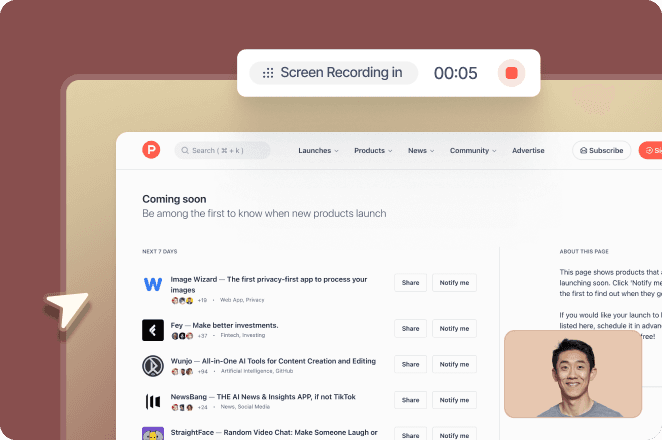
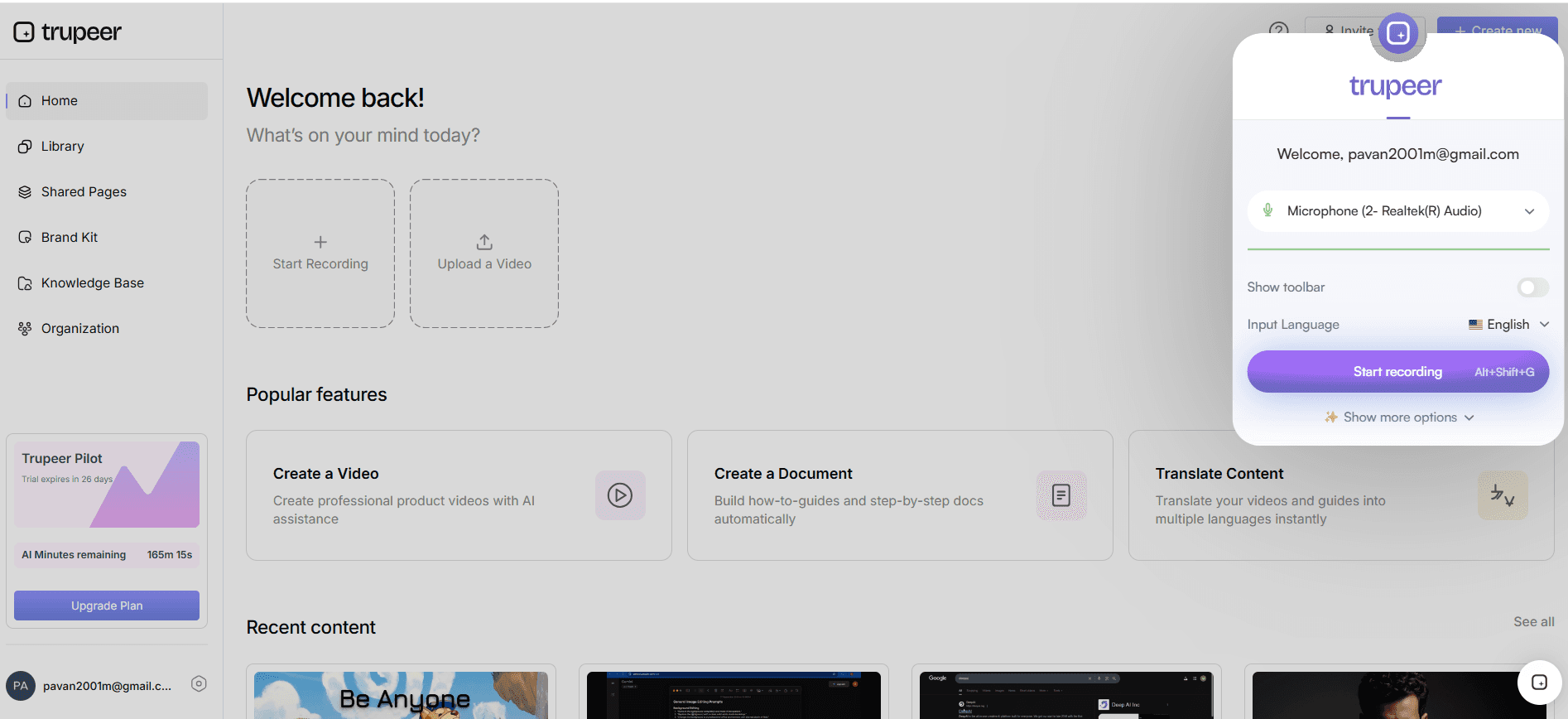
Start by launching Trupeer's browser-based recorder or desktop app. Choose the AI screen recording with auto-zoom and click detection feature. This tool captures your screen activities and highlights key areas with auto-zoom, ensuring that viewers focus on what matters. Simply click the "Record" button. As you navigate through your content, the AI automatically detects clicks and zooms in on relevant sections. This recording technique is invaluable for creating instructional videos or demonstrating processes. It typically takes as long as your demonstration, but the auto-enhancements save significant editing time later.
Step 2: Add Voiceover
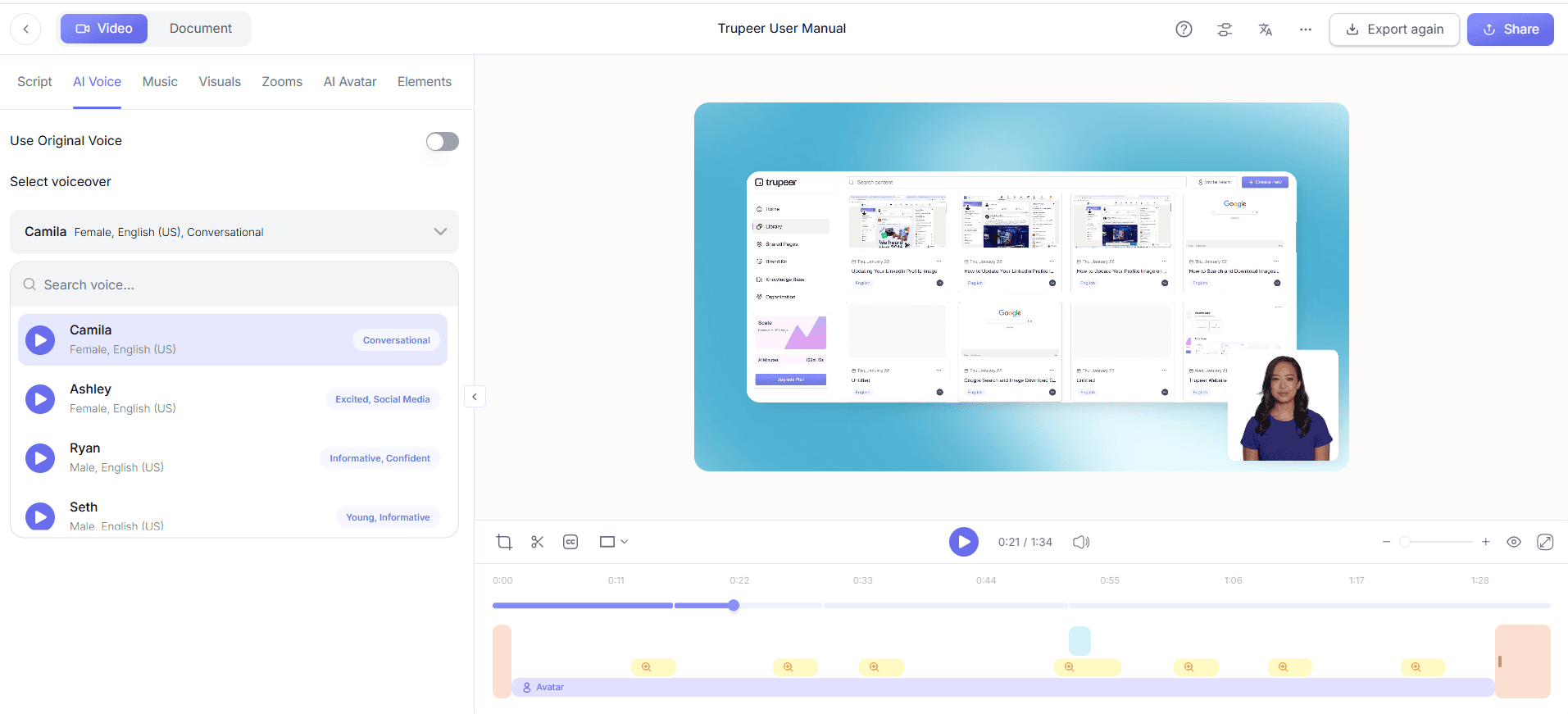
Once your recording is complete, enhance it with Trupeer's AI voiceover capability. Select from over 65+ natural voices, setting the pace and tone to suit your message. Click on the "Add Voiceover" option in the editing menu. The AI will generate a professional-sounding narration, which you can preview and adjust as needed. This step ensures your message is clear and engaging, making it ideal for project updates or team briefings. Producing a voiceover takes just a few minutes, saving you from lengthy manual recordings.
Step 3: Generate SOPs
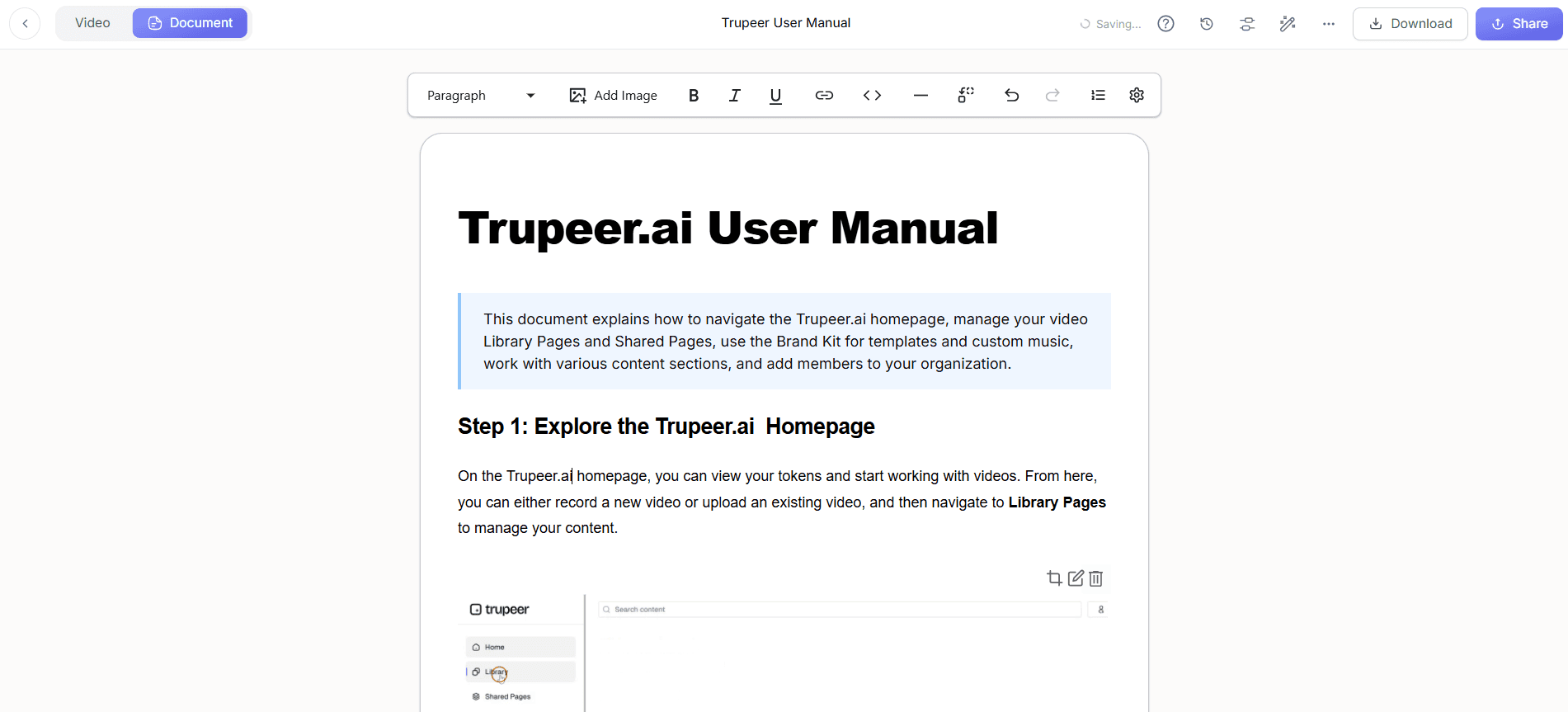
After adding your voiceover, use Trupeer's automatic SOP generation feature. Click on "Generate SOP" from the options menu. The AI will convert your video into a structured document, outlining each step and key points. This feature is particularly useful for process documentation, ensuring consistency and clarity. The generated SOP is edit-ready and can be exported in various formats, such as HTML or PDF. This process usually takes just a few minutes, providing a quick and efficient way to document workflows.
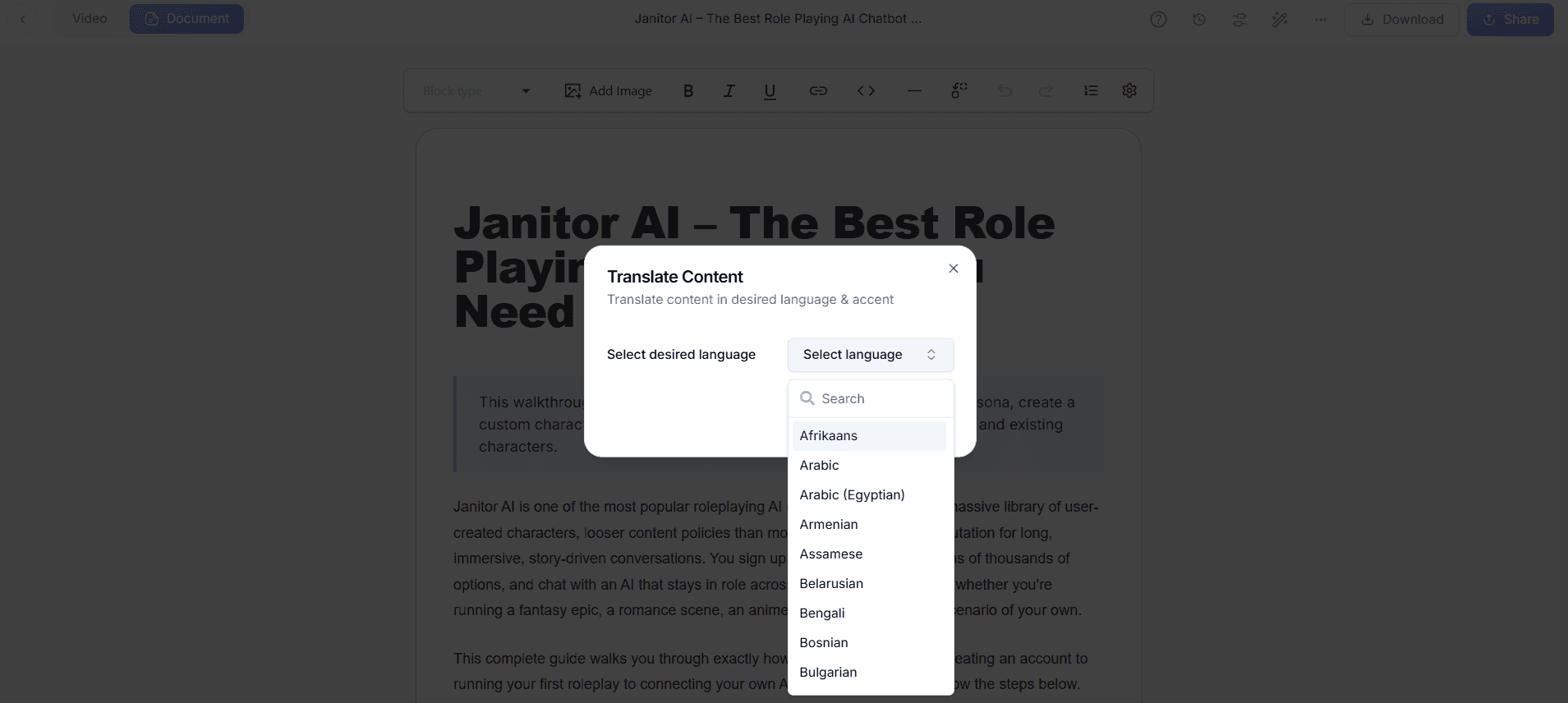
Step 4: Localize Your Video
If you need to reach a broader audience, use Trupeer's AI translation feature. Select "Translate" from the video options, choose the target languages, and enable lip-sync for a natural appearance. With support for over 40 languages, this feature ensures your content is accessible globally. The translation process is swift, typically taking under 10 minutes, depending on video length. This capability is crucial for teams with international members or clients, ensuring everyone receives the same clear message. Teams weighing tools often start with a Loom alternatives comparison before standardizing on a workflow.
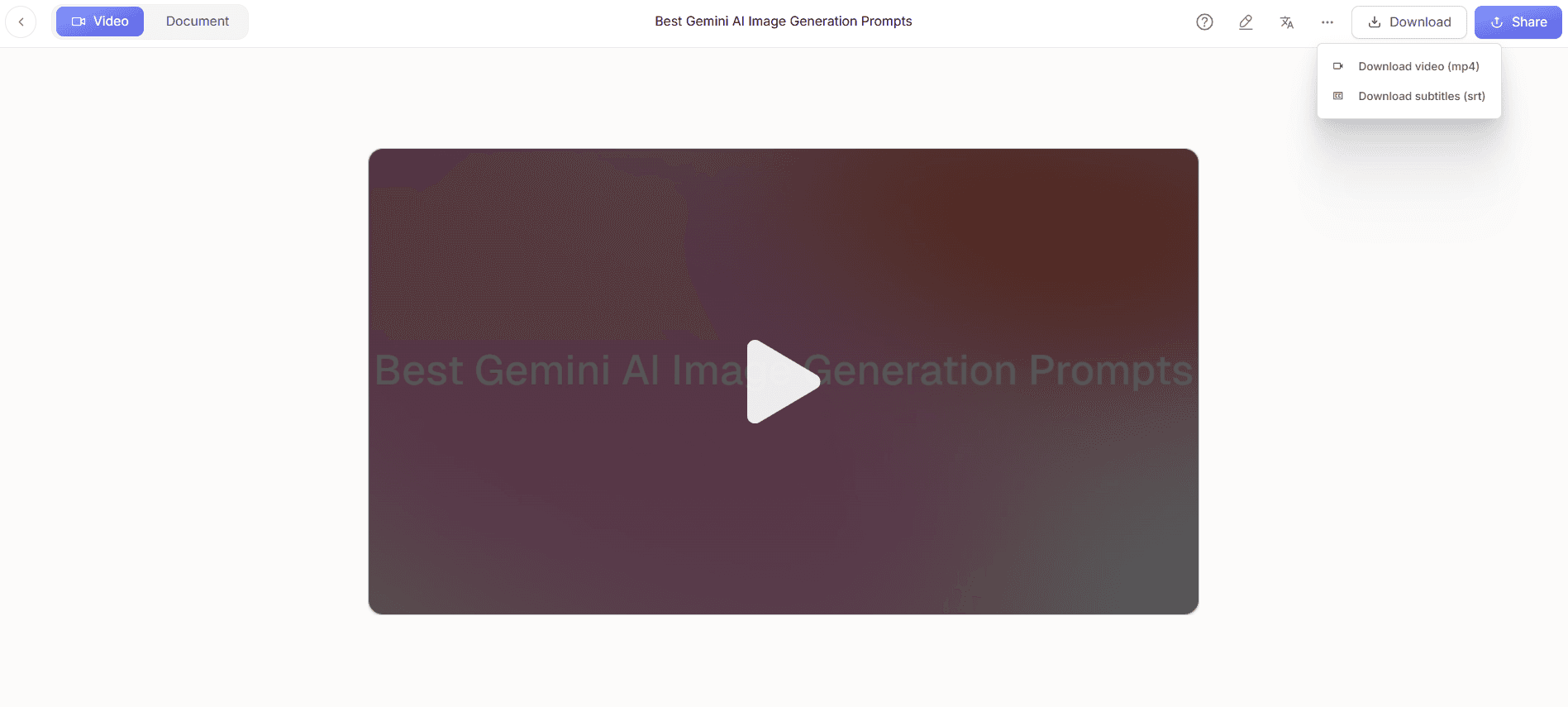
Step 5: Host and Share
Once your video is ready, host it on Trupeer's custom-domain hosting platform with SSO. Click "Publish" and select your domain settings. This feature allows smooth sharing within your organization, while Single Sign-On (SSO) facilitates secure access. You can also embed the video in internal platforms or client portals using Trupeer's embeddable widgets. Hosting and sharing are straightforward, taking just a few clicks, and ensure your content is easily accessible to the intended audience.
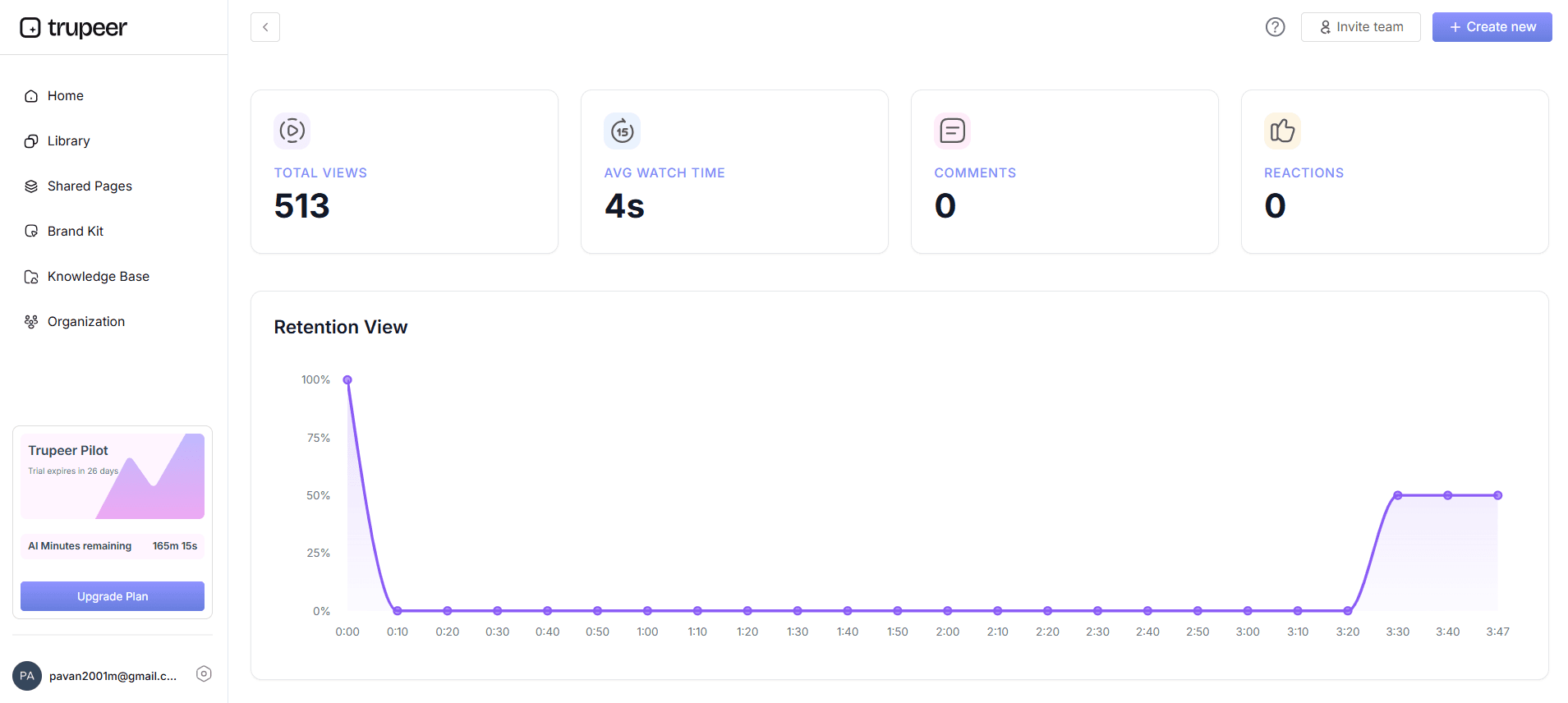
Step 6: Analyze Engagement
Finally, track how your video performs using Trupeer's viewer engagement analytics. Access the "Analytics" tab to view metrics like viewer drop-off rates and heatmaps. This data helps you understand which parts of the video resonate with your audience and where they lose interest. Such insights are crucial for refining your video strategy and improving future content. The analytics are updated in real-time, providing immediate feedback on your video's impact.
What tips help you replace long email threads with video?
Transitioning from emails to videos can be a significant shift, but with the right strategies, it can lead to more effective communication. Here are some tips to help you make the most of your video strategy:
Plan Your Content. Outline your key points before recording to ensure your video is concise and informative.
Use Consistent Branding. Apply your organization’s brand kits and templates for a professional look in every video.
Engage with AI Avatars. Incorporate dynamic avatars to add a personal touch and maintain viewer interest.
Optimize for Mobile. Ensure your videos are mobile-friendly, as many employees will view them on their phones.
Test Different Formats. Experiment with various video lengths and styles to find what works best for your audience.
Incorporate Feedback. Use viewer analytics to gather feedback and refine your approach.
simplify SOP Creation. Use a Scribe alternative comparison to ensure your documentation processes are as efficient as possible.
Trupeer also ships a interactive video platforms with analytics that handles this step without extra setup.
Frequently asked questions
How can video replace email for internal communication?
Video can replace email by providing a more engaging and efficient way to communicate. Unlike emails, videos can convey complex information through visuals and audio, reducing misunderstandings and increasing retention. They also allow for a more personal connection, which is vital for team cohesion. By using videos, organizations can simplify internal communication, making it more impactful and easier to digest.
What tools are needed to implement a video communication strategy?
Implementing a video communication strategy requires tools that support video creation, editing, and distribution. Trupeer offers comprehensive solutions with features like AI screen recording, voiceover, and a video localization tool. These tools allow teams to create professional-quality videos quickly and ensure they are accessible to a global audience. also, hosting and analytics features are crucial for sharing content and measuring its impact.
Why is video more effective than email?
Video is more effective than email because it engages multiple senses, making it easier to understand and remember information. Videos can demonstrate processes, show emotions, and provide context that text alone cannot. This leads to better comprehension and retention, making video a superior medium for conveying important messages. also, videos can be consumed at the viewer's convenience, making them more accessible and user-friendly.
Can video be used for all types of internal communication?
While video is highly versatile, it's not suitable for all types of internal communication. Quick updates or simple confirmations might still be better suited for text. However, for detailed explanations, training, or when conveying emotional messages, video excels. By using a mix of communication methods, you can ensure that each message is delivered in the most effective way possible, tailored to its content and audience.
Is it difficult to transition from email to video communication?
Transitioning from email to video communication can be challenging but manageable with the right approach. Start by identifying key areas where video can add value, such as in training or complex updates. Gradually introduce video tools and offer training to ease the transition. With practice, teams will become comfortable with creating and consuming video content, leading to a more dynamic and effective communication strategy.
Related Blogs